| 📌 | Definition: the viper is a venomous snake found in France, useful for the balance of ecosystems because it mainly controls small rodents. |
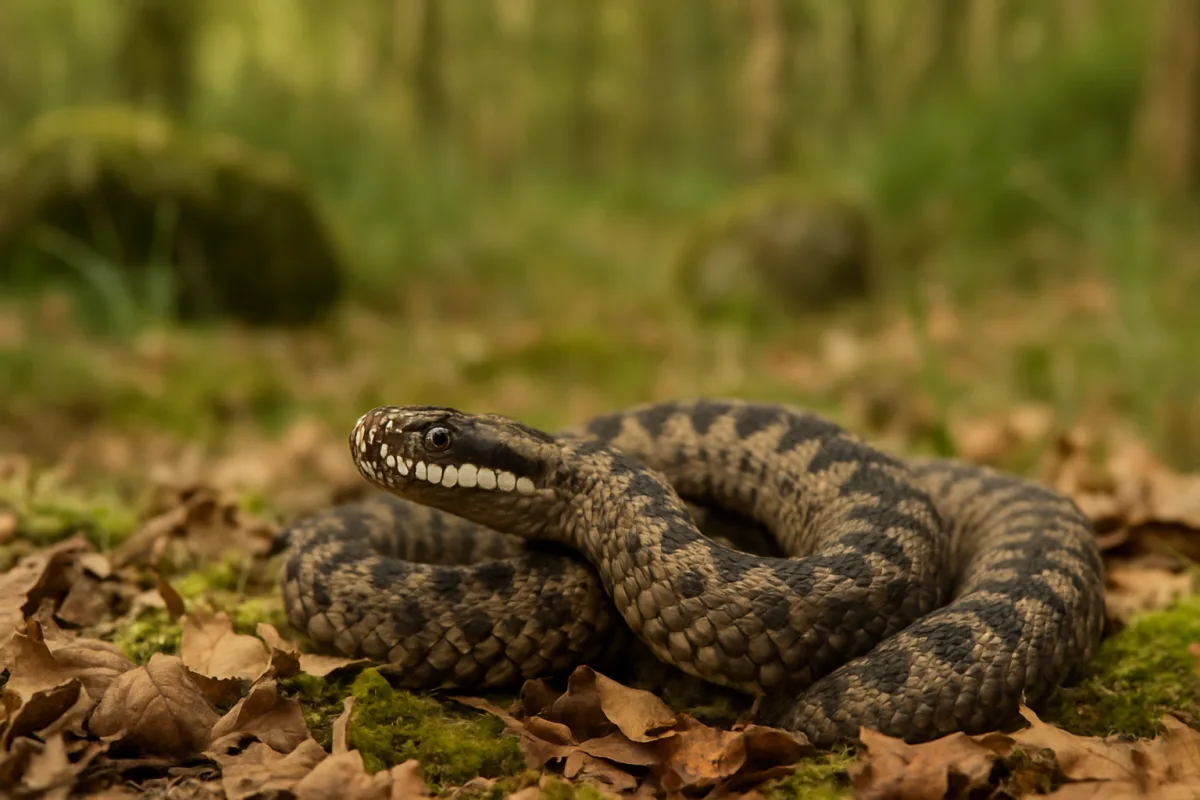
| 🔎 | Identification: the most reliable signs are the vertical pupil, the often triangular head, the stocky body, and the keeled scales. |
| 🗺️ | Habitat: it is mainly found in wastelands, edges, embankments, low walls, dry meadows, and scrubby areas. |
| ⚠️ | Real risk: a viper bite can cause pain and swelling; the severity mainly depends on age, bite location, and the delay before medical care. |
| 🚑 | Key reflex: call 15 or 112, immobilize, remove tight objects, and avoid any dangerous or unnecessary actions. |
| 🧭 | Guide objective: to help you recognize a viper in France, distinguish it from a grass snake, and act without fault. |
Viper in France: how to recognize it, where to encounter it, and how to react safely
The viper in France is a snake that is encountered more often than one might think, but rarely under conditions leading to an accident. The real issue is not to fear it, but to know how to identify it without overinterpretation, understand where it lives, and react properly if the encounter results in a bite. The fact sheets from the French Biodiversity Office, the National Museum of Natural History, the INPN, and poison control centers all agree: calm observation, keeping distance, and strict first aid.
Understanding what a viper is
A viper is a venomous snake: it has fangs connected to venom glands, which it mainly uses to immobilize its prey. In France, it plays a useful role in the natural balance because it limits populations of small rodents. It is not aggressive by nature; it first seeks to hide, then to flee if possible.
The main species present in France
In mainland France, there are four wild vipers: the asp viper, the meadow viper, the Orsini’s viper, and Seoane’s viper. They do not all inhabit the same environments. The asp viper is the best known to the general public; the meadow viper is more common in the northeast, the center, and some mountain areas; Orsini’s viper and Seoane’s viper are more localized.
| Species | Presence in France | Common habitats | Points of caution |
|---|---|---|---|
| Asp viper | Large southern part and suitable areas in the center | Dry grasslands, wastelands, edges, rocky areas | Possible encounters during hikes and in stony zones |
| Meadow viper | Northeast, mountain ranges, and localized wet areas | Heaths, peat bogs, clearings, forest margins | Often confused with other discreet snakes |
| Orsini’s viper | Localized | Mountain grasslands and open high-altitude areas | Very discreet species, conservation concern |
| Seoane’s viper | Pyrénées | Mountain habitats and favorable reliefs | Presence linked to very specific sectors |
How to recognize a viper in France?
To recognize a viper in France, you need to combine several clues, not just one. The vertical pupil is one of the best indicators, but it is not always visible. The head may appear triangular, the body is often stocky, and the scales are frequently keeled. Caution remains essential, as some grass snakes mimic these traits.
The most reliable visual criteria
- Vertical pupil: very indicative, especially when light allows.
- Often triangular head: it stands out more from the neck than in many grass snakes.
- Stocky body: the viper is generally more compact than a long, thin snake.
- Keeled scales: their slightly “rough” appearance is common.
- Cautious movements: it relies more on stillness and camouflage than on quick flight.
Difference between viper and grass snake: the chart that really helps
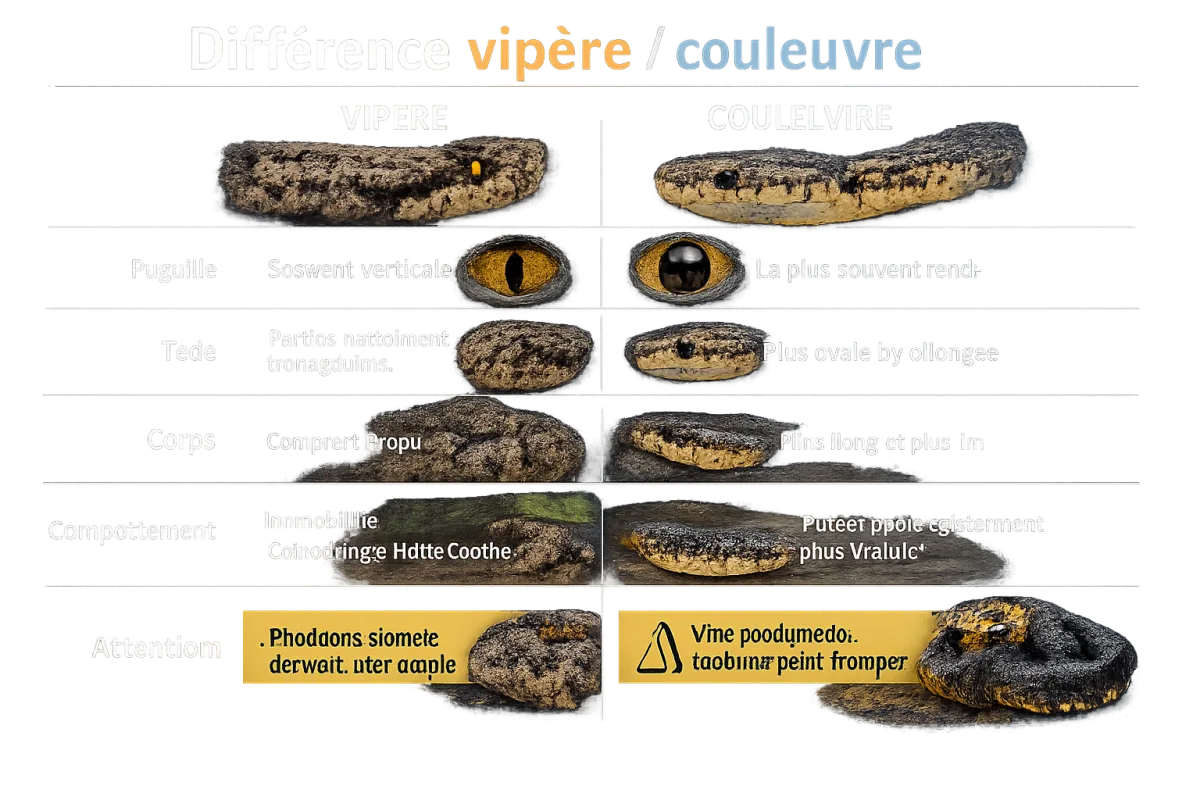
The difference between a viper and a grass snake is better read through several combined signs than from a photo taken at a distance. A grass snake can have a widened head when defending itself, and a viper can appear more elongated than one might imagine. A cautious diagnosis prevents confusing a harmless snake with a venomous species, or vice versa.
| Criterion | Viper | Grass snake |
|---|---|---|
| Pupil | Often vertical | Most often round |
| Head | Sometimes distinctly triangular | More oval or elongated |
| Body | Compact, stocky | Longer and thinner |
| Behavior | Immobility, camouflage, short flight | Fast flight, more visible gliding |
| Attention | Several signs must be combined | A defensive posture can be misleading |
Limits of identification in the field
Color is never enough. A young viper, a dark individual, a wet snake or one seen at an angle can deceive the eye. The environment adds noise: distance, light, vegetation, fear. In practice, if in doubt, the snake is considered potentially venomous and distance is kept. This is the safest rule.
Where does the viper live in France?
The right place to encounter a viper is not a “viper zone” in the dramatic sense of the term, but a favorable habitat: sun, hiding places, prey, and tranquility. It is more often found in wastelands, edges, embankments, hedges, low walls, bushes, and dry meadows. Regions and altitude matter a lot.
Geographical distribution and activity periods
The asp viper is the most common over a large part of the territory, while the common European adder is more present in the northeast, the center, and some mountains. Activity increases from spring to early autumn, especially in mild weather. It is more often seen in the morning, late afternoon, or after a cool period.
| Context | Encounter level | Why |
|---|---|---|
| Rocky sunny path | High | Rapid warming and hunting areas |
| Tall wasteland or edge of a low wall | High | Hiding places and abundant prey |
| Dense and shaded woods | More variable | Possible presence near edges, less in the heart of the forest |
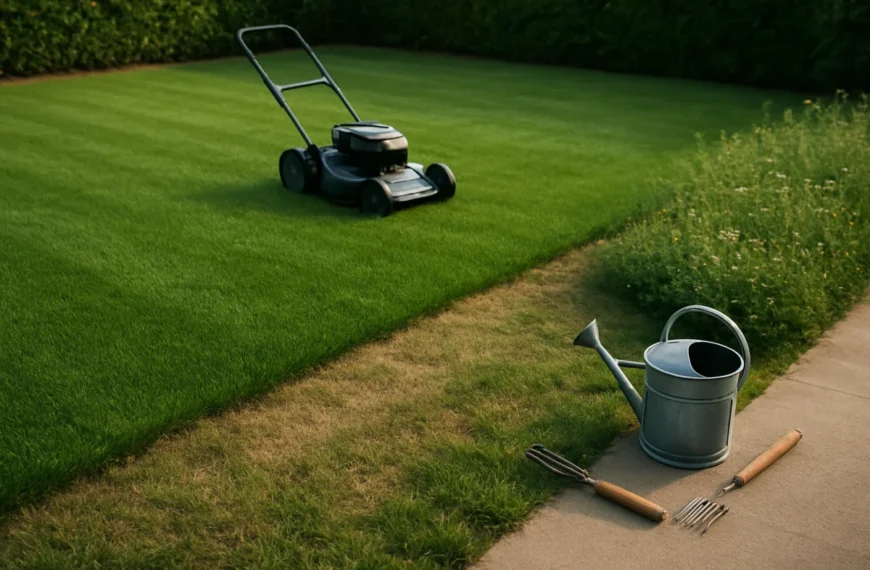
| Mown lawn, very frequented area | Lower | Less favorable and more disturbed environment |
Is the viper dangerous?
Yes, a viper is dangerous in the medical sense, but not in the sense of a threat that attacks humans without reason. A viper bite can inject venom and cause a marked local reaction, sometimes more. Most cases evolve favorably with appropriate care, but a suspected bite should never be taken lightly.
What you need to know about the venom
Viper venom mainly acts on local tissues and circulation. It does not always cause a significant injection: dry bites without venom inoculation also exist. This explains why severity varies greatly from one case to another. Poison control centers therefore emphasize clinical evaluation, not impressions.
Possible symptoms after a bite
- Sharp pain at the bite site.
- Swelling that gradually spreads.
- Redness, local heat, sometimes bruising.
- Nausea, malaise, dizziness in some cases.
- More severe signs in children, elderly, or fragile persons.
What to do in case of a viper bite?
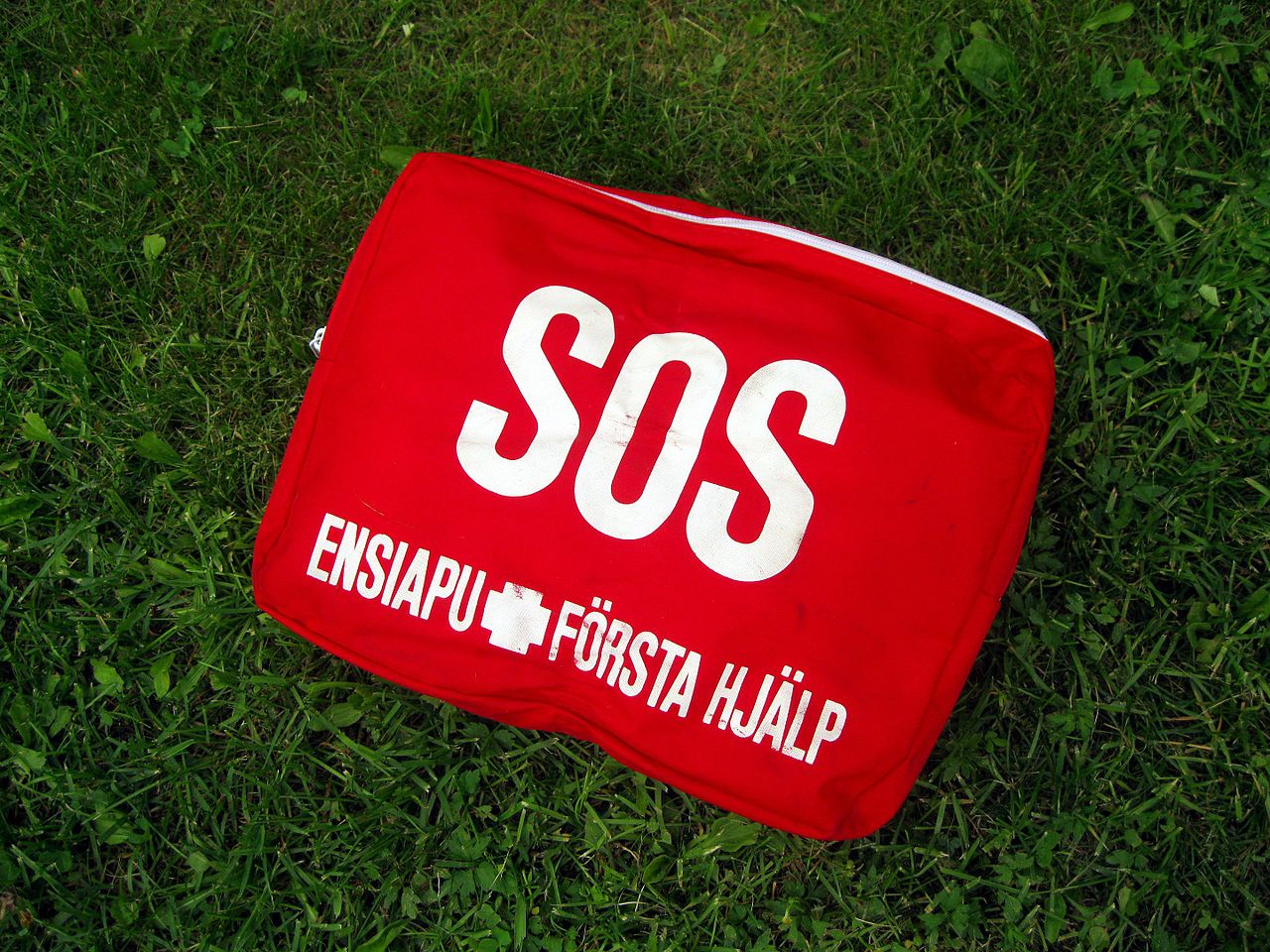
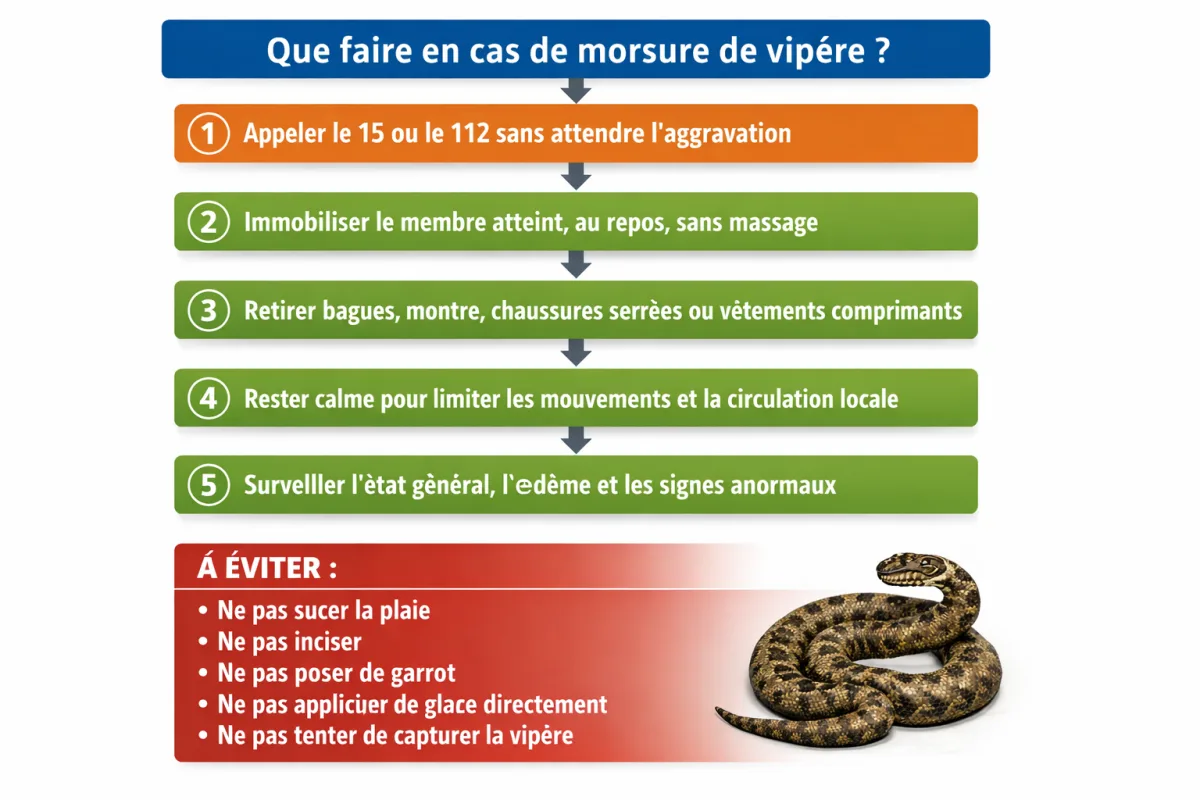
In case of a viper bite, the useful reflex is simple: immediate medical alert and immobilization. Call 15 or 112, keep the person calm, limit movements, and remove anything tight. The speed of care matters more than any improvised gesture.
Immediate Good Practices
- Call 15 or 112 without waiting for the condition to worsen.
- Immobilize the affected limb, keep it at rest, without massage.
- Remove rings, watch, tight shoes, or constricting clothing.
- Stay calm to limit movement and local circulation.
- Monitor the general condition, swelling, and abnormal signs.
Actions to Absolutely Avoid
- Do not suck the wound.
- Do not make incisions.
- Do not apply a tourniquet.
- Do not apply ice directly.
- Do not attempt to capture the viper.
When to Seek Emergency Care
Any suspected bite warrants medical advice. The urgency becomes even clearer if the victim is a child, if the bite is on the face or neck, if the swelling progresses quickly, or if the general condition deteriorates. The priority is not identifying the species, but providing care.
How to Avoid a Risky Encounter?
Avoiding a risky encounter is not about walking “on tiptoe.” It’s about reading the terrain. On hikes, vipers are mostly found where sun, hiding spots, and calm combine. In the garden, the same rules apply: order, visibility, and caution in less cleaned areas.
On a Hike
- Stay on visible paths.
- Wear high shoes and covering pants.
- Watch where you place your feet and hands.
- Avoid lifting stones, wood, or piles of vegetation without caution.
- Do not sit in a bushy area without checking first.
In the Garden or Around the House
In a garden bordering wild land, the viper may use a pile of leaves, a low wall, a wood shelter, or a grassy edge as a temporary refuge. The good practice is simple: keep areas clear, wear gloves for clearing brush, and look before grabbing an object on the ground.
What to Do If You Encounter a Viper
If you encounter a viper, keep a clear distance and give it a way to retreat. Do not try to touch, crush, or move it with bare hands. The safest behavior is also the simplest: stop, back away calmly, and warn others present.
Why You Should Not “Correct” the Animal
Many accidents happen when people try to kill, capture, or push the animal away. This is precisely when you should refrain. The viper does not seek contact. However, it defends its position if it feels cornered. The most effective measure remains distance.
Does the Viper Attack Spontaneously?
No. A viper does not “chase” a person and does not attack without a clear trigger. Bites mainly occur when the animal is surprised, cornered, handled, or touched inadvertently. In practice, the risk increases when walking off-trail, putting your hand into a hiding spot, or trying to move it.
Is a Viper Protected in France?
Yes, vipers have protected status in mainland France, and their conservation is receiving increasing attention. Reference organizations remind that any intentional destruction should be avoided. This protection does not prevent caution in encounter areas; it mainly reminds us that it is wild fauna to be respected.
Key Points to Remember
- The viper in France is a venomous snake, but an encounter does not necessarily result in a bite.
- The vertical pupil, triangular head, and stocky body are useful identifiers, but never sufficient on their own.
- The asp viper is the best known; the common European adder and other species occupy more specific areas.
- In case of suspected bite, the right reflex is to call 15 or 112, immobilize, and avoid improvised actions.
FAQ about the Viper
Does a Viper Attack Spontaneously?
No. It first tries to avoid humans. Bites mainly result from accidental contact or attempts to handle it.
Can you kill a viper if you see one?
No. You should keep your distance and let it move away. Deliberate destruction is neither a reliable reflex nor a practical solution.
Are all vipers dangerous?
They are all venomous, but the actual severity varies depending on age, bite location, amount of venom injected, and the delay before treatment.
Are vipers protected in France?
Yes, their protected status reminds us that they contribute to biodiversity. They should be respected from a distance, without handling or destroying them.
How to distinguish a viper from a grass snake in one second?
It cannot be done reliably in all cases. Useful signs are the vertical pupil, head shape, silhouette, and behavior, but caution is necessary.