Aquarium La Rochelle: the complete guide to prepare your visit and make the most of the experience
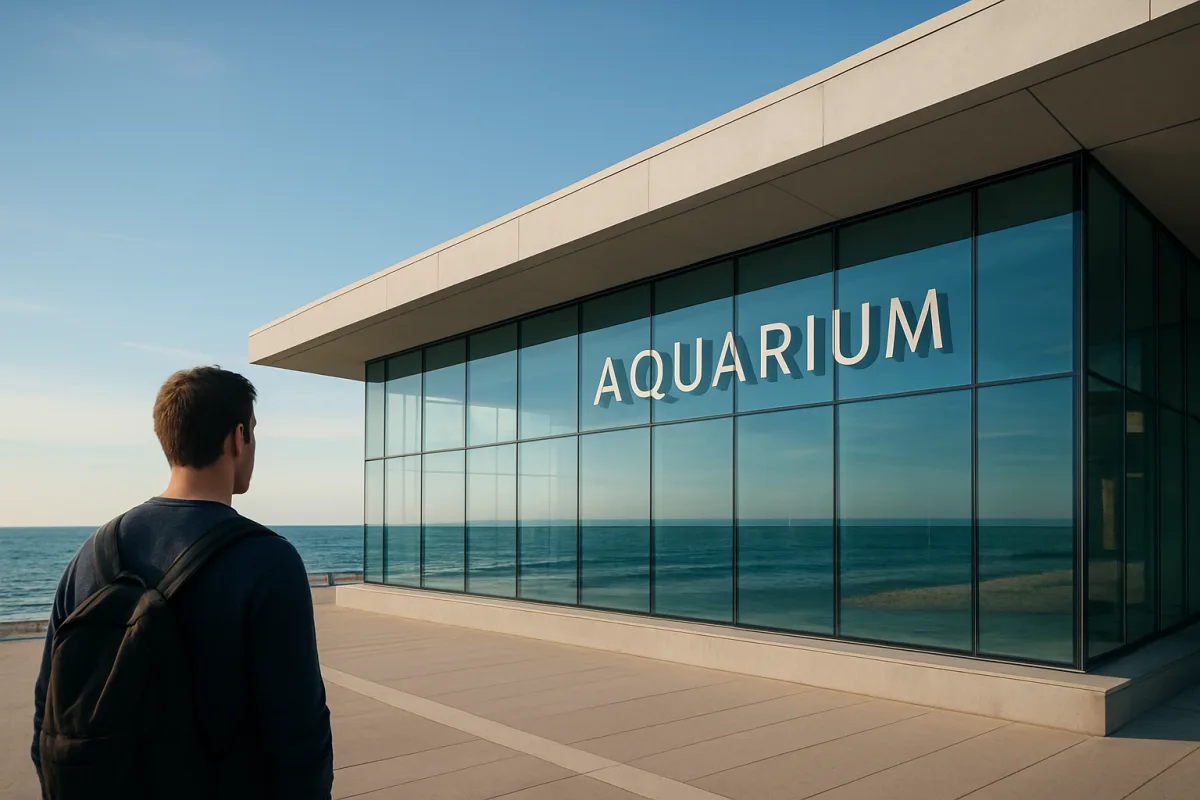
| 📌 | Definition: Aquarium La Rochelle is a large urban aquarium facing the Old Port, designed for a smooth, clear, and very family-friendly visit. |
| 🐠 | What you see there: about 12,000 marine animals, nearly 600 species, and more than 80 tanks spread across several environments. |
| ⏱️ | Recommended duration: allow 1h30 to 2h30 depending on crowd levels, walking pace, and time spent in front of the large tanks. |
| 🎟️ | Ticketing: it’s best to book online as early as possible, especially during holidays, weekends, and rainy days. |
| 🚗 | Access: the location is central, facing the Old Port; parking is convenient but quickly fills up in high season. |
| 🕒 | Update: hours and prices may vary by season; always check the current information before you go. |
Aquarium La Rochelle attracts visitors because it doesn’t just line up tanks. The visit is clear, immersive, and very accessible, with a route suitable for both family outings and visits for two. People come to see marine species but also to understand how they live and why their habitat matters.
On paper, the place ticks all the boxes for a practical outing: city center, facing the Old Port, sheltered route, high species density, and reasonable visit time. In practice, the quality of the experience mainly depends on three things: the right time slot, booking your Aquarium La Rochelle ticket in advance, and how you pace your visit.
Aquarium La Rochelle: what you need to know before coming
Aquarium La Rochelle is one of the city’s major attractions, with a strong focus on education and observation. It works well for beginner visitors because circulation remains clear, marine environments follow one another without confusion, and it quickly becomes clear what deserves a longer stop.

The site is often presented as one of the largest private aquariums in Europe. The most cited figures mention about 12,000 marine animals, 600 species, and more than 80 tanks. It’s not just a question of volume. The real strength is the variety of environments and the way the visit avoids a “catalog” effect.
- For whom? families, couples, passing visitors, rainy days, school outings.
- Why does it work? because the mediation is simple, without unnecessary jargon, and the large tanks quickly capture attention.
- What to keep in mind: attendance varies greatly by season, so the morning experience is nothing like that of a holiday Saturday.
Hours, prices, and ticketing for Aquarium La Rochelle
The hours and prices of Aquarium La Rochelle change according to the season, holidays, and certain events. So it’s best to think in practical terms, not fixed truths. To avoid unpleasant surprises, the best practice is to check the ticketing for the day before leaving, especially if you are aiming for a specific time slot.

| Practical point | To remember before the visit |
|---|---|
| Opening hours | Variable depending on the period; opening hours are often longer during the high season. |
| Prices | They depend on age, season, and sometimes on advance online purchase. |
| Ticketing | Booking a ticket for La Rochelle aquarium often avoids waiting during busy periods. |
| Crowds | Higher during school holidays, rainy weekends, and late mornings. |
| Advice | Arrive early if your ticket is timed or if you come with children. |
What you need to watch out for is not just the displayed price. It’s also the time of the visit. In practice, a slightly better price quickly loses its appeal if you enter at the worst time and have to go through the rooms with a high density of visitors. The consistency of the time slot matters as much as the amount paid.
- Check the opening hours the day before, not the week before.
- If you come during the holidays, anticipate booking.
- Allow a margin of ten to fifteen minutes if you have an entry time slot.
- Keep your ticket accessible on your phone to streamline access.
How to avoid the crowd at La Rochelle Aquarium?
The best strategy is to come early, on weekdays, and outside school holidays if possible. In the morning, movement is smoother, families are fewer, and the tanks are more pleasant to observe. As soon as the weather deteriorates, the crowd quickly increases: so you have to choose your time slot as carefully as your day of visit.
A successful visit is not necessarily a long visit. It is above all well paced. If you arrive at the right time, you gain comfort, less noise, and more time in front of the areas that really interest you. This is especially true for an outing with children, where the patience threshold can vary quickly.
- Best time slot: opening or early morning.
- Time slot to avoid: midday during holidays and rainy days.
- Good reflex: spend more time at the beginning of the visit, when attention is highest, then shorten stops later.
Access to La Rochelle Aquarium: address, parking and transport
Access to La Rochelle aquarium is easy to understand because the site is located right in the center, facing the Old Port. This is an obvious advantage for visitors on foot, but it also creates a constraint: parking at La Rochelle aquarium requires a minimum of anticipation, especially during the tourist season.

By car, you should aim for the city center and accept that a bit of walking is sometimes easier than an endless loop to park as close as possible. By public transport, the logic is even more comfortable: you get closer to the city center, then finish on foot. For a tourist outing, this choice clearly reduces the stress related to parking.
- By car: look for a public parking lot near the Old Port or city center, then finish on foot.
- On foot: from the historic center, access is direct and pleasant.
- By bus: practical if you stay further away in La Rochelle or if you come without a car.
- With children: avoid relying on “right in front” parking during the summer.
What to absolutely see at the La Rochelle Aquarium?
The right answer is not “everything at the same pace.” You need to identify the key areas, slow down in front of the richest tanks, and accept skimming over what attracts your profile less. Visitors who leave some margin on the route often come away with a clearer impression because they have truly observed instead of just passing through.
The large tanks that structure the visit
The large volumes of water give the rhythm of the route. They immediately catch the eye because they show species in more spectacular presentation conditions. Sharks, rays, and large fish are often the most photographed stopping points, but they also help to understand the logic of marine environments.
Most striking marine species and atmospheres
Beyond the large volumes, it is the contrasts that give relief to the visit: dark zones, blue lighting, silhouettes of tropical species, more educational spaces. This alternation prevents visual fatigue. You stay attentive because the setting changes, and because the information is presented at the right level, without unnecessary overload.
- Not to be missed: the large tanks, tropical species, immersive viewing areas.
- To observe closely: the mediation panels, useful for understanding marine environments without long reading.
- To do with children: stop at a few key species rather than trying to remember everything.
How much time to plan for visiting the La Rochelle Aquarium?
The average visit duration generally ranges between 1h30 and 2h30. The real factor that changes everything is not the size of the site, but your way of going through it. A quick visit works well if you are alone or as a couple. With children, you often need to add time for breaks, backtracking, and spontaneous stops in front of the tanks.
| Visit profile | Recommended time |
|---|---|
| Quick visit | 1h15 to 1h30 if you keep a brisk pace. |
| Couple or curious visitor | 1h30 to 2h to take time to observe key areas. |
| Family with children | 2h to 2h30, sometimes more if you take regular breaks. |
| Day of high attendance | Add 20 to 30 minutes to keep a comfortable visit. |
The right approach is to leave yourself some margin, not to rush from one tank to another. Visitors who want to “get their money’s worth” by ticking off all the rooms often end up tired. Those who focus on a few highlights leave with a clearer and more memorable experience.
Practical tips for a successful visit
The best advice remains simple: adapt your visit to the real context. If it rains, expect more people. If you come with children, reduce the number of objectives. If you are alone or as a couple, favor the quietest times for a better balance between comfort, observation, and duration.
Coming with children or a stroller
For a La Rochelle aquarium visit with children, the stroller is usable, but it becomes less comfortable when attendance rises. With a toddler, a baby carrier can be more flexible in tight areas. The important thing is not only theoretical accessibility: it is how the visitor flow behaves on the day of your visit.
- With a child under 6 years old: plan short and frequent breaks.
- With older children: give them a simple goal, like spotting three marine species.
- With a stroller: favor off-peak hours to reduce circulation friction.
- In case of fatigue: it is better to shorten the end of the route than to force a visit that is too long.
On-site services and visit comfort
- Restrooms: to be factored into your schedule before entering the main route.
- Shop: convenient at the end of the visit, especially if you come with children.
- Dining: useful if you follow up with a half-day walk in the city center.
- Accessibility: check specific needs before your visit if you have mobility constraints.
The most often underestimated point is visual fatigue. Even in a pleasant place, concentration drops quickly in children. It is better to opt for a well-segmented visit, with real observation time in front of a few tanks, rather than a route that is too dense and mechanical.
What to do around the La Rochelle Aquarium?
The simplest thing, after the visit, is to stay within the Old Port area. This is where the outing takes on its most enjoyable dimension: a walk along the quay, a break, photos, and possibly continuing with another site in the center. The aquarium then becomes the starting point of a true half-day in La Rochelle, not an isolated attraction.
- Short walk: walk along the Old Port on foot to extend the visit without constraints.
- Family break: look for a bench or a nearby café before heading off again.
- Complete outing: combine the aquarium and the historic center in the same half-day.
What to remember before leaving
If you are preparing your visit to the La Rochelle aquarium, remember three things: come early if you want to avoid the crowd, book when possible, and plan a realistic visit time. The site works very well when visited with a simple framework. It becomes less pleasant as soon as it is treated like a race against time.
The right balance is a visit dense enough to see the remarkable areas, but flexible enough to stop, read, observe, and let the children take their time. This is where the experience gains value: not in the number of rooms covered, but in the quality of attention given to them.
FAQ about the La Rochelle Aquarium
Is it necessary to book in advance?
Yes, it is highly recommended during holiday periods, weekends, and rainy days. Booking limits waiting time and secures your slot if the ticketing system operates with timed entry.

Is the aquarium suitable for young children?
Yes, because the route is clear, visual, and very gradual. Young children respond well to the large tanks, but a flexible pace and some breaks should be planned.
Can you come with a stroller?
Yes, but the stroller is more comfortable during off-peak hours. When very busy, circulation is tighter and a baby carrier may be more practical for toddlers.
Is there parking nearby?
Yes, several public parking lots are located around the Old Port and city center. The real issue remains availability: in high season, it is better to arrive early or aim for parking a bit further away.
What is the best time to visit?
The morning, right at opening or in the first part of the day, remains the best time slot. You then benefit from lighter crowds, better stopping times in front of the tanks, and a more comfortable visit with family.