| Key Points | Details to Remember |
|---|---|
| 🐕 Definition | Ancient breed of Levantine origin domesticated then rediscovered |
| 📜 Historical Origin | Living relic of wild dogs from the Near East |
| 💡 Character Traits | Independent, vigilant, attached to its owner |
| 🏃 Activity Needs | Daily exercise and essential mental stimulation |
| ⚕️ Health & Longevity | General robustness, some genetic predispositions |
| 🏠 Family Compatibility | Good integration but early socialization required |

In the arid lands of the Levant, a discreet dog has been patrolling for millennia: the Canaan Dog. Today, it crosses the streets of our cities or frolics in our gardens, a faithful companion ready to share our daily life. Between traces of a nomadic past and the role of vigilant guardian, this breed offers a surprising mix of resilience and tenderness. Let’s dive into the adventure of this desert heir turned man’s friend.
Origins and Trajectory of the Canaanite Ancestors
Relic of the Ancient Near East
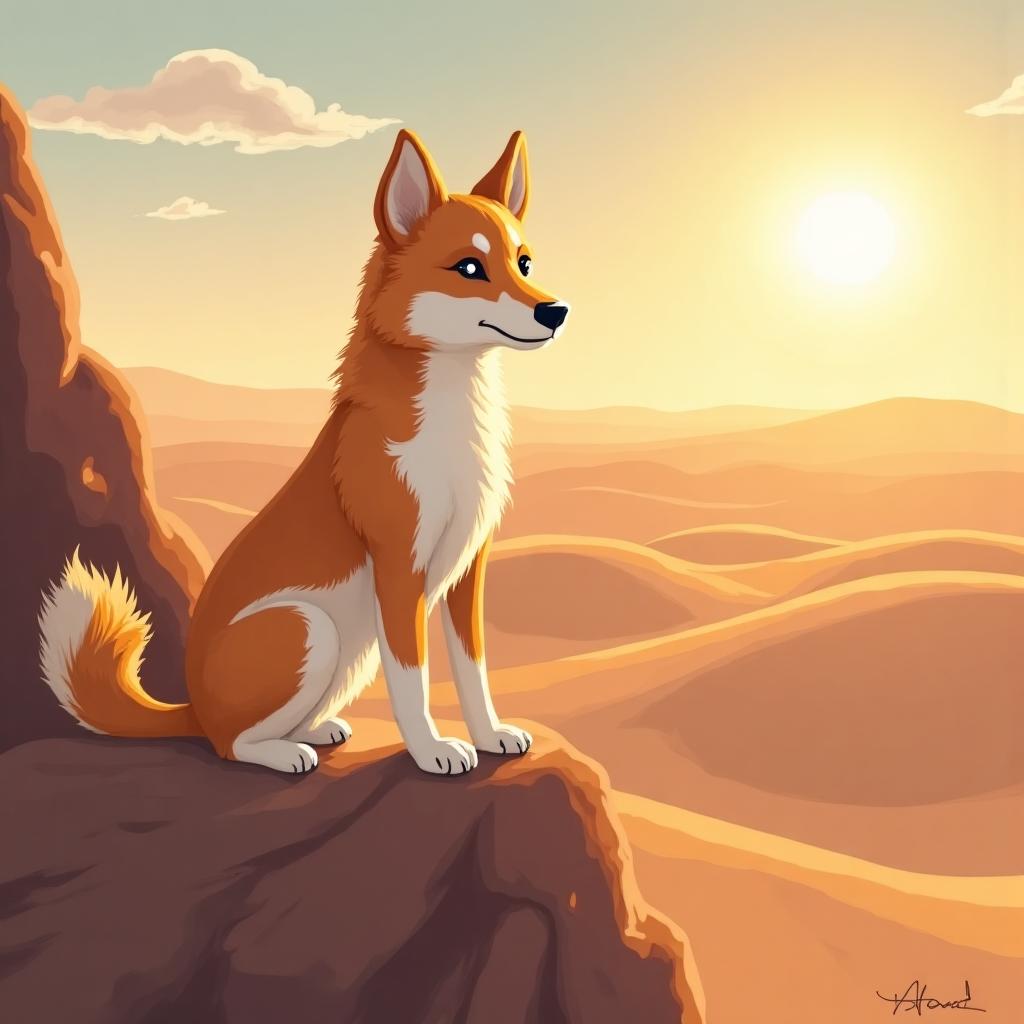
At the heart of oases and caravans, dogs with sandy coats hunted and protected their human groups. One can imagine herds of goats, campfires smoldering at night, and all around, these fierce canines whose silhouette naturally blended into the surroundings. These dogs of the first Jewish shepherds have crossed centuries, sometimes regressing to a semi-wild state as societies evolved. Their adaptation to an extreme climate has bequeathed them robust health and an innate instinct for vigilance.
Rebirth in the Negev Desert
In the mid-20th century, biologist Rudolphina Menzel launched a domestication and selection program based on stray desert dogs. These “Cana dogs” she took in from the Bedouins proved intelligent and easy to train for sentinel or warning missions. Quickly, the breed gained popularity, crossing borders and cultures, until settling in European and American kennels.
Physical Characteristics and Temperament
Morphology and Natural Aesthetics
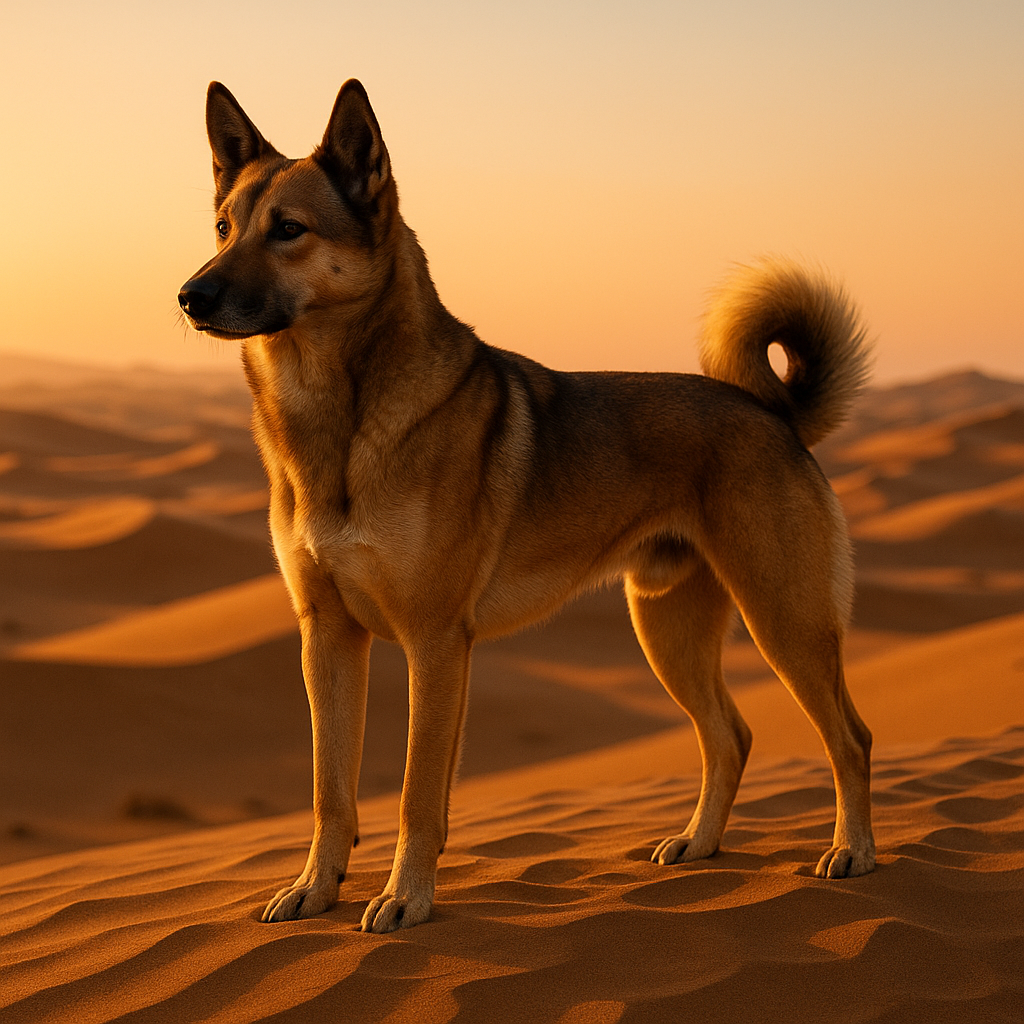
The Canaan Dog displays a medium stature, robust without being massive. Males generally stand between 50 and 60 cm at the withers, females slightly below. The head, wedge-shaped, rests on a sturdy neck. The coat consists of a dense undercoat and a short topcoat, adapted to temperature variations. The color palette ranges from sandy cream to charcoal fawn, often with a darker facial mask. Some individuals even have small speckles or white spots, remnants of varied genetics.
Temperament: Between Autonomy and Loyalty
One might think its wild temperament makes it distant; in reality, it is an attentive and protective dog. It observes first, gauges next, before acting. This balance between reserve and attachment makes it ideal for those seeking a reliable companion. Its independence manifests as a need to think before responding to a command, but once a bond of trust is formed, its loyalty proves unwavering.
Comparison Table: Size, Weight, and Life Expectancy
| Characteristic | Males | Females |
|---|---|---|
| Height (cm) | 50–60 | 45–55 |
| Weight (kg) | 18–25 | 15–20 |
| Life Expectancy | 12–15 years | |
Daily Life: Needs and Adaptation
Exercise and Mental Stimulation
The Canaan Dog is not content with a simple thirty-minute walk. To remain balanced, it demands dynamic outings: hiking, canicross, or tracking games. Its natural curiosity leads it to explore every corner: hide treats or use intelligence toys to channel its energy. Without this outlet, boredom looms and can turn into destructive behavior.
Feeding and Basic Care
Its efficient metabolism tolerates both a premium dry diet and a well-balanced homemade diet. Favor quality proteins and adjust quantities according to its activity. Regular visits to the veterinarian allow for detecting possible eye or joint abnormalities, even though the breed remains generally healthy. Weekly brushing is enough to remove dead undercoat; during shedding, a bi-weekly schedule is necessary.
Training and Socialization
Gentle and Consistent Techniques
Learning is based on reward and respecting the animal’s pace. From the puppy’s arrival, get it used to everyday noises, human contacts, and other animals. Basic commands – sit, lie down, recall – are worked on in short sessions to preserve its concentration. Unlike energetic breeds, it takes its time: patience promotes lasting progress.
Specific Challenges and Solutions
Its natural wariness can complicate welcoming strangers. To lift this veil of reserve, organize regular and controlled meetings: neighbors, friends, children. Reward all calm behavior, even a simple averted glance. Over time, fear turns into curiosity, and initial wariness becomes complicity.
Health, Care and Longevity
Genetic Predispositions to Monitor
The Canaan Dog enjoys excellent constitution, inherited from the extreme conditions it has endured. However, some lines show tendencies toward hip dysplasia or eye disorders such as progressive retinal atrophy. A responsible breeder conducts screenings before breeding; this is a guarantee of quality and longevity.
Prevention and Well-being Program
Besides vaccination and anti-parasitic treatment, establishing a diet adapted to the different stages of life is a cornerstone of prevention. Physical activity regulates muscle mass and protects the joints. Finally, consider integrating appropriate supplements — sometimes omega-3 or glucosamine intake helps maintain joint comfort in senior dogs.
FAQ
- Is the Canaan Dog suitable for beginners?
- With patient and consistent training, it can adapt to a novice owner, provided its exercise and stimulation needs are met.
- What is its level of attachment to the family?
- Very high: once trust is established, it defends and shares your daily life with unwavering loyalty.
- Is it compatible with children and other animals?
- Yes, if socialization starts early. Guided encounters strengthen tolerance and mutual respect.
- Can it live in an apartment?
- In the city, daily access to a large space is essential to expend its energy; a simple balcony is not enough.
- How to prevent health problems?
- Genetic tests, adapted diet, regular exercise, and annual veterinary visits form the winning trio.