| Key points | Details to remember |
|---|---|
| 🐕🦺 Origins | Originating from 19th century English hunting dogs |
| 🔎 Morphology | Compact and muscular silhouette, short or smooth coat |
| ⚡ Temperament | Energetic, curious and always alert |
| 🏃 Needs | Intense daily exercise, games and walks |
| ✏️ Training | Patience and consistency are essential |
| ❤️ Health | Screening for patellar luxation and eye issues |
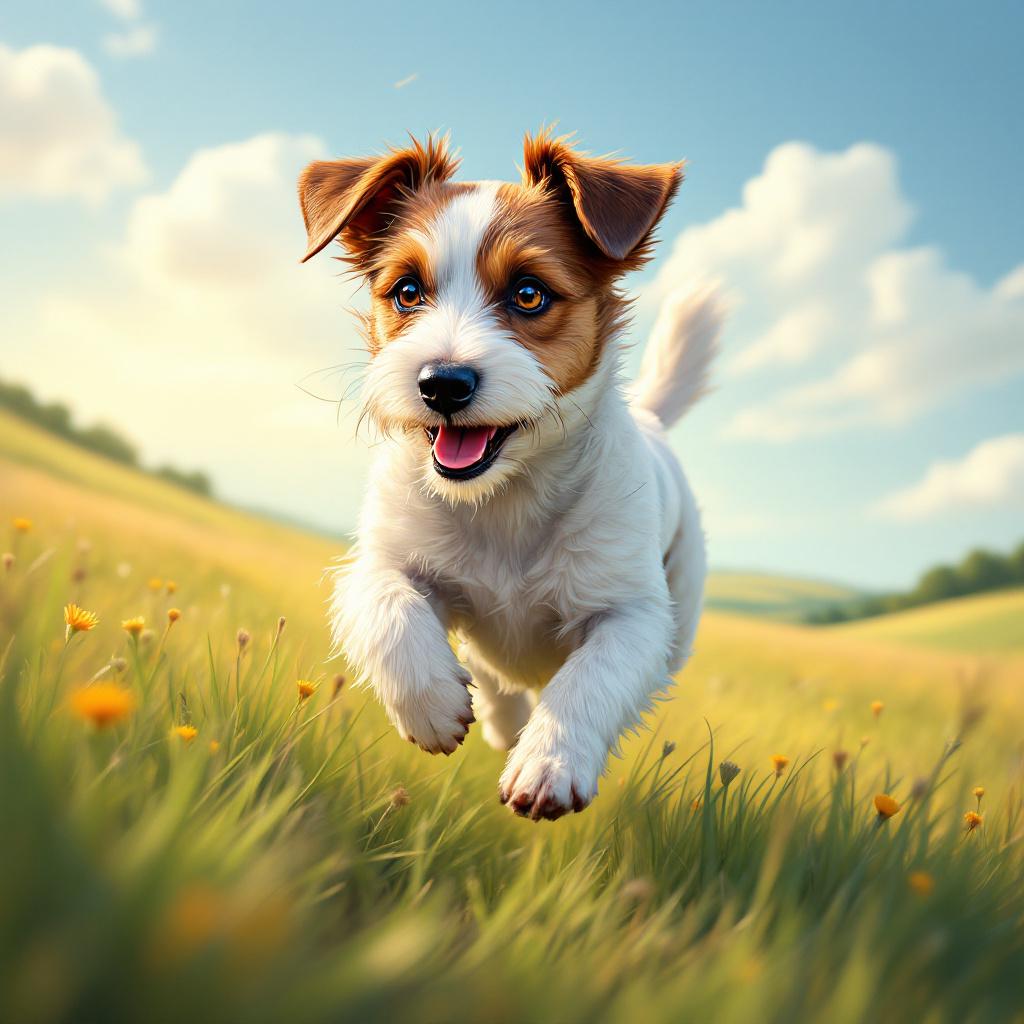
In the collective imagination, the Parson Russell Terrier evokes a small dog with boundless vitality. Sharpened by centuries of fox hunting, it combines agility, curiosity, and a touch of fearlessness. This profile is aimed at all enthusiasts who want to understand why this miniature dog, quicker than it seems, thrives better in motion than settled on the couch. It details its origins, character traits, needs, and the keys to offering it a balanced life.
Origins and evolution of the breed
Genesis among English hunters
In the 19th century, in Devon County, England, gentleman hunters sought a dog capable of flushing out foxes from their dens while remaining small enough to slip through. By crossing Fox Terriers and other short-haired lines, they obtained a fast and tenacious companion. Initially named “Jack Russell Terrier,” it embodies the transition from utility dogs to a more sporting role.
Recognition and diversification
Over time, British breeders refined the Parson Russell Terrier’s silhouette, distinguishing it from the Fox Terrier. In 1990, the United Kennel Club (UKC) officially registered it as a distinct breed. In France, the Fédération Cynologique Internationale (FCI) validated its standard in 1995. Modern breeding aims to preserve its lively temperament while maintaining healthy bone structure and an ideal size for family life.
Morphology and appearance
Size, weight and silhouette
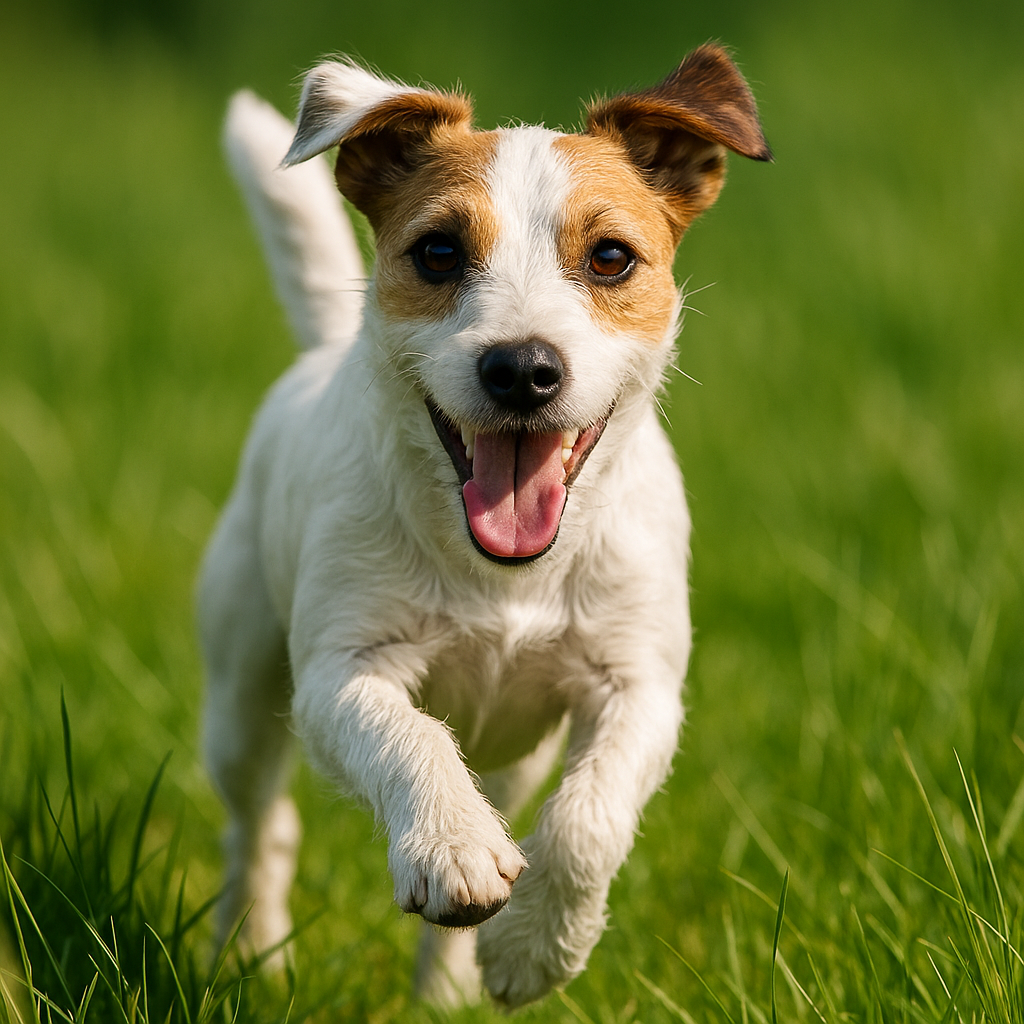
The Parson Russell Terrier stands out by its compact stature: between 30 and 36 cm at the withers for 5 to 8 kg. Its short and straight back matches long legs, giving it a wide stride. Contrary to popular belief, this dog never appears heavy: its bones are well proportioned, its profile straight, and its posture always alert.
Coat, colors and variations
Its coat can be smooth or harsh, never curly. It generally comes in white with tan, black, or brindle patches. The dominant white makes it easier to spot during hunting, while the short hair cleans easily with a brush. Some individuals have a denser coat, close to the griffon type, but these variations remain rare.
A temperament made for action
Sporty spirit and taste for adventure
Looking for a calm companion for your reading evenings? Better keep walking. The Parson Russell Terrier lives in the moment, ready to leap at the first opportunity. Whether through a woodland or under the living room table, its thirst for movement never dries up. Its enthusiasm is expressed by an insatiable curiosity: it sniffs, scratches, and explores every corner.
Passion for agility and canine sports
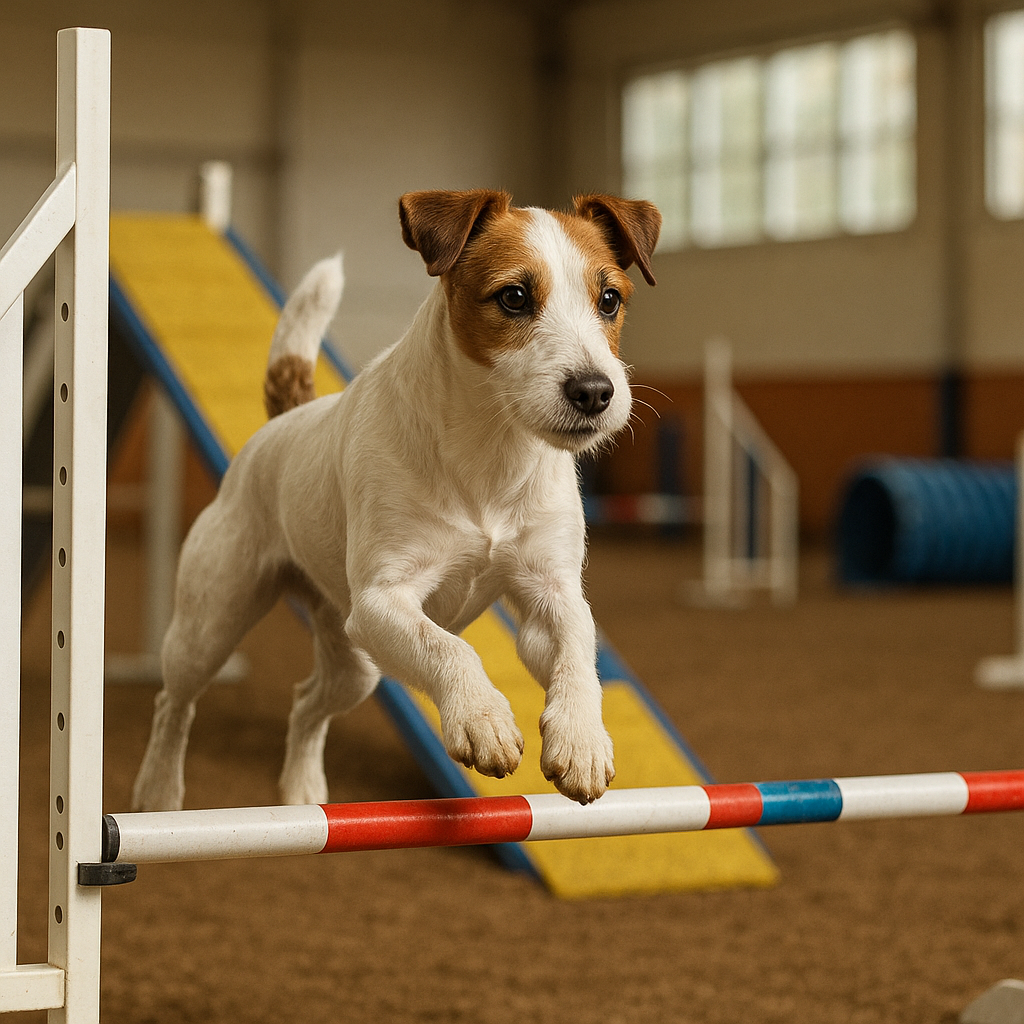
Thanks to its vocal cords and liveliness, this terrier shines in agility. It chains obstacles, tunnels, and slaloms with astonishing precision. Competitions often see Parson Russells face off, as their ability to memorize courses and maintain a steady speed impresses. For those who want to share a sport, this dog is an ideal partner.
Relationships within the family
If its motto could be “always on the move,” it remains affectionate. Attached to its owner, it tolerates the presence of energetic children who can channel its energy. However, it is less patient with a too routine lifestyle: it demands distractions and regular changes of scenery.
Exercise and mental stimulation needs
Essential daily activities
To prevent your companion from developing undesirable behaviors (running away, excessive barking, destruction), it needs at least two 45-minute outings at a brisk pace. Hiking in the forest, jogging, object search, or canicross: all excuses are good to engage its muscles and nose.
Interactive games and training
In addition to physical exercise, this terrier enjoys intellectual challenges. Hide-and-seek games, treat puzzles, and enhanced obedience sessions (coming closer, positions, recall) stimulate its brain. You can also gradually introduce agility courses, even rudimentary ones, in your garden.
Education and socialization
Adapted methods and positive reinforcement
Despite its stubborn character, the Parson Russell Terrier responds well to rewards. Offer it treats and petting when it correctly executes a command. However, avoid sessions that are too long, to prevent boredom: several ten-minute sessions are better than one hour nonstop.
Preventing undesirable behaviors
Its sharp curiosity can lead it to dig holes in your garden or chase the neighbor’s cat. To minimize such excesses, provide controlled digging zones and teach it a specific command for digging. Also ensure it is properly socialized from a young age: varied encounters, surrounding noises, and gradual exchanges with other dogs.
Health, care and longevity
Predispositions and veterinary visits
This breed enjoys a fairly long life expectancy (13 to 15 years), provided some key points are monitored. Patellar luxation, eye disorders such as progressive retinal atrophy, and deafness can occur. Early screening, accompanied by annual check-ups, is essential to act without delay.
Grooming and Routine Care
The short coat makes maintenance easier: a weekly brushing is enough to remove dead hairs and dirt. Remember to regularly check the teeth (tartar), nails (trim if necessary), and ears (risk of infection if moist). Well-fed, this little athlete maintains a slender figure and a shiny coat.
Adopting a Parson Russell Terrier
Choosing a reputable breeder or shelter is one of the crucial steps. In both cases, demand the health certificates of the parents and observe the puppies’ behavior: a confident and curious Parson is often a good indicator. Then plan an activity program, a secure space, and suitable accessories (harness, durable toys).
Frequently Asked Questions
- What energy level does a Parson Russell Terrier have?
- Very high: it needs at least two hours of daily exercise, in the form of play, running, or agility.
- Is it suitable for children and other animals?
- Yes, if socialized early. Its playful nature goes well with lively children and play-trained peers.
- Can it be left alone during the day?
- No more than four hours without stimulation: otherwise, it risks boredom and developing destructive behaviors.
- What is its ideal diet?
- A diet rich in quality proteins, adjusted to its age and activity level, divided into three meals to limit digestive stress.
- What activities are recommended to channel its energy?
- Agility, canicross, tracking, retrieving games, and mental stimulation sessions (puzzles, obedience commands).