Here you will find a precise ranking of the 10 dogs considered the most dangerous, supported by data on bites, jaw strength, and protective instinct. This article also provides clear recommendations to reduce risks during an encounter.
In Brief
🐕 Top 10 ranked according to bite history, jaw power, and protective instinct.
📊 Key figures: bite rates, hospital cases, and legal actions revealed.
⚠️ Practical advice for safely approaching these dogs: position, body language, equipment.
🔍 Analysis of each breed, its strengths, and risk factors.
Danger Criteria
Five main factors determine the danger level of a breed: jaw strength, protective instinct, bite rate, usual training, and breeding context. These criteria, validated by the American Veterinary Medical Association (AVMA), provide an empirical basis to rank each dog.
Size and Jaw Strength
Bite force is measured in psi (pounds per square inch). The Tibetan Mastiff reaches over 550 psi, compared to 235 psi for a German Shepherd. The higher the pressure, the greater the potential damage.
Protective Instinct and Territoriality
Some breeds, like the Rottweiler or the Dogo Argentino, were selected to protect herds or property. This instinct, nurtured by centuries of breeding, can become problematic if the dog is not socialized from a young age.
Bite Rates and Statistics
Reports from the Journal of the American Medical Association indicate that Pitbulls and Rottweilers are involved in a disproportionate share of severe bites, despite their small share of the total dog population.
Training and Breeding Context
A poorly socialized dog or one trained for aggressive guarding presents a multiplied risk. Environment, training, and behavioral monitoring are all variables to consider.
Top 10 Most Dangerous Dogs
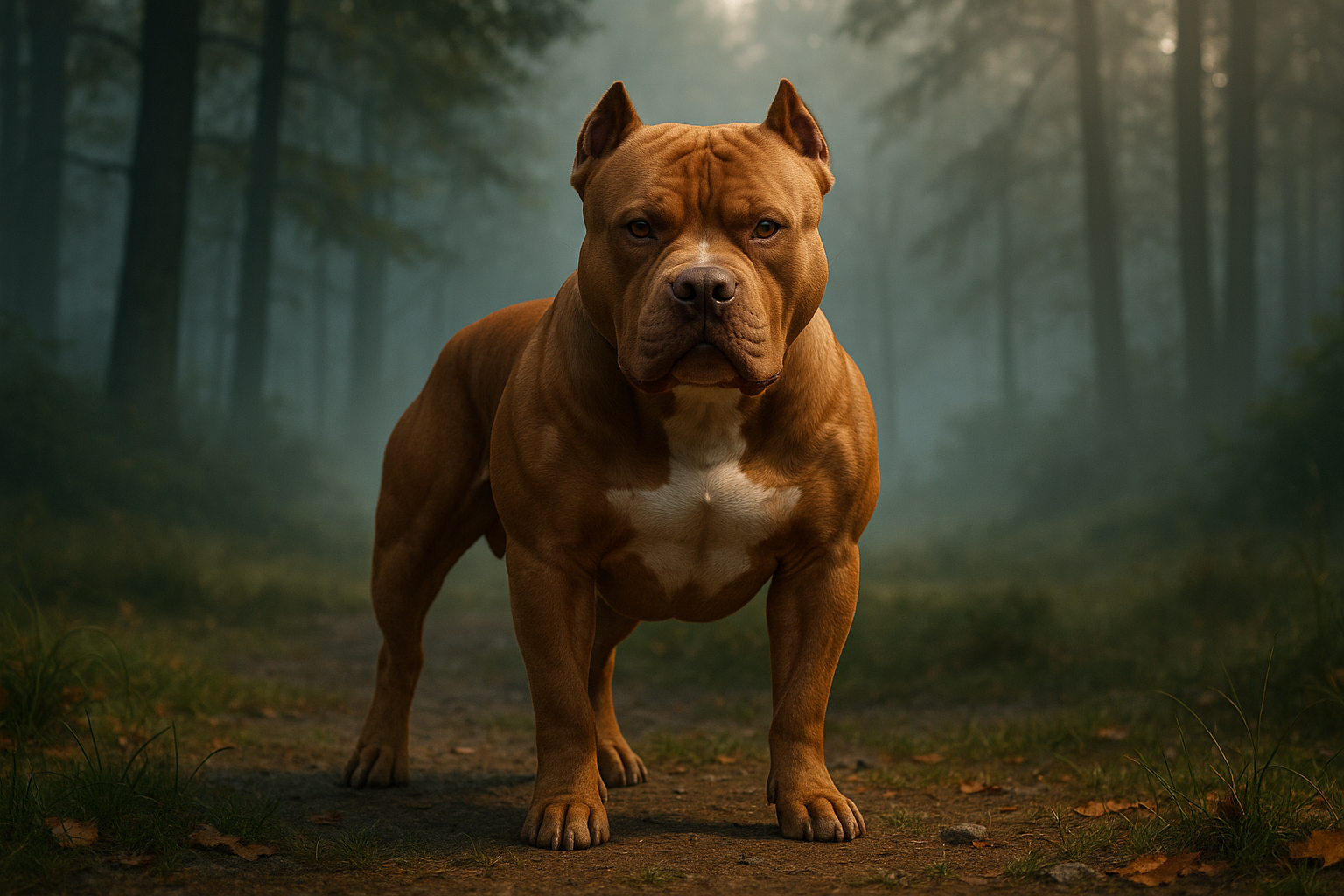
1. Pitbull
Originating from England, the Pitbull was used for dog fighting. Its powerful jaw and tenacity make it a top contender. Pitbull bites are often deep and require surgical care. Rehabilitation programs exist, but its reputation remains controversial.
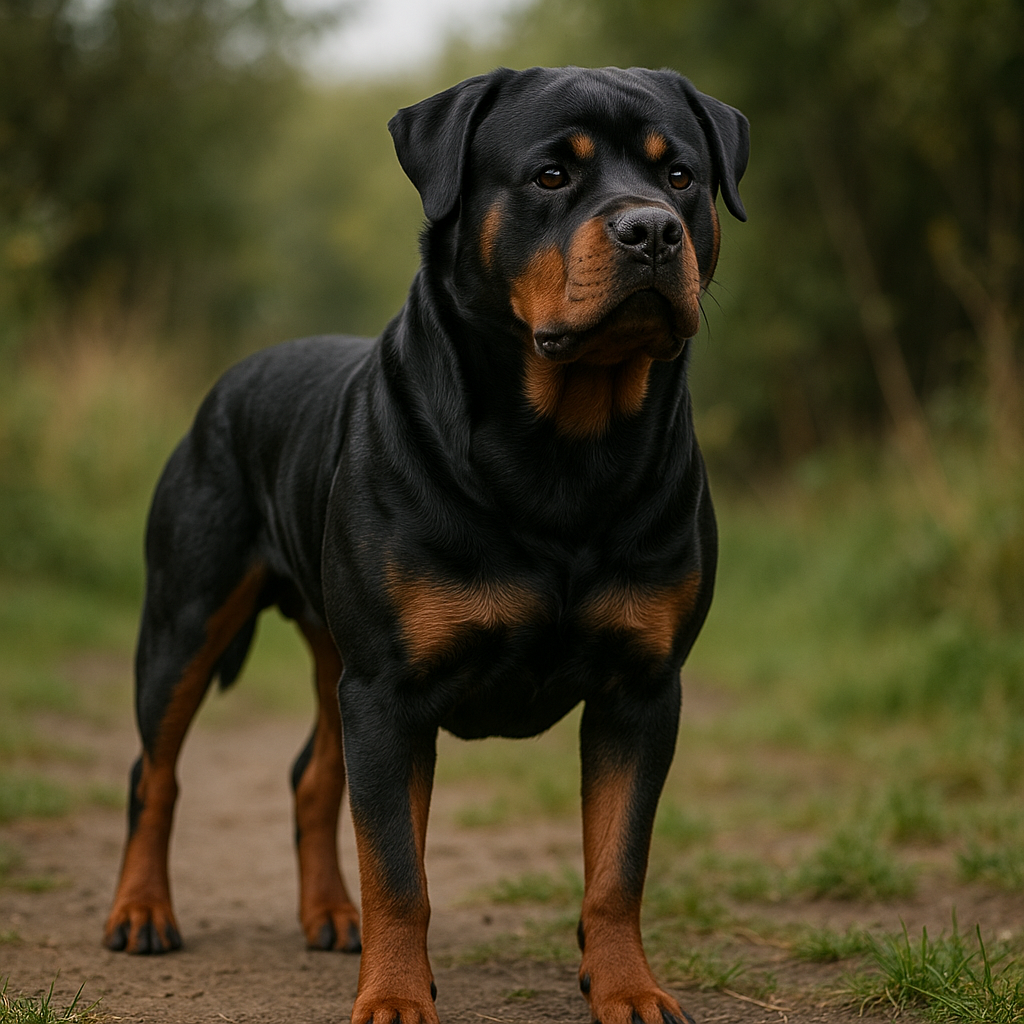
2. Rottweiler
The Rottweiler has protected herds and farms since Roman times. Its imposing size and defensive instinct explain its second place. Well socialized, it can be a loyal companion, but poorly managed, it becomes a serious threat.
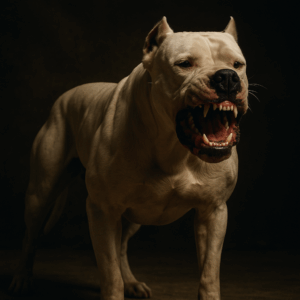
3. Dogo Argentino
Selected in Argentina for big game hunting, the Dogo Argentino combines power, endurance, and aggressiveness towards prey. Its prominent muscles and strong jaw can inflict severe injuries in seconds.
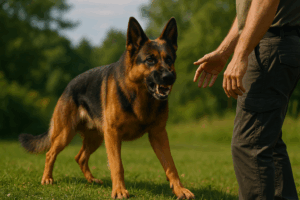
4. German Shepherd
Recommended for police and military, the German Shepherd combines intelligence and strength. Attacks are often due to poor training or fear. Its size and agility make it a formidable dog when overexcited.
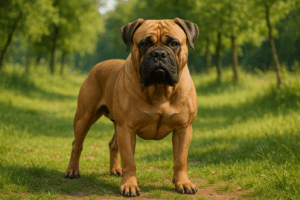
5. Bullmastiff
Originating from a cross between the English Mastiff and the Bulldog, the Bullmastiff excels in static guarding. It acts quickly, without warning, to neutralize an intruder. Its power makes it a dog to watch closely.
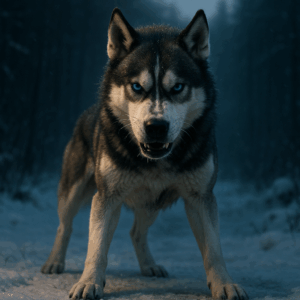
6. Siberian Husky
Originating in polar regions for sledding, the Husky has a very pronounced pack instinct. Less dangerous than mastiffs, it can nevertheless attack in groups, especially if it senses a threat.
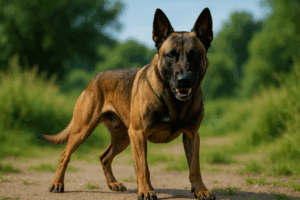
7. Malinois
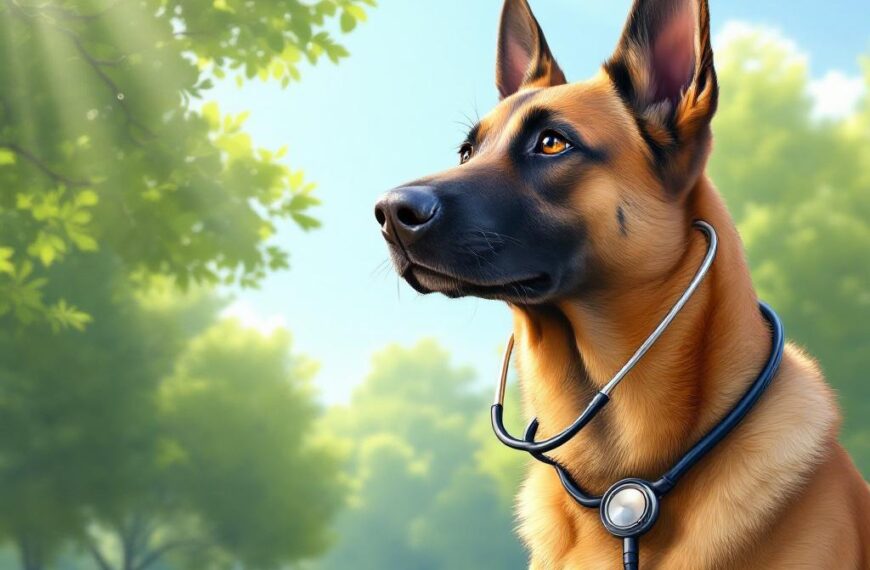
More nervous than the German Shepherd, the Malinois is favored for rapid interventions. It requires strict training; without structure, it can develop poorly channeled aggression.
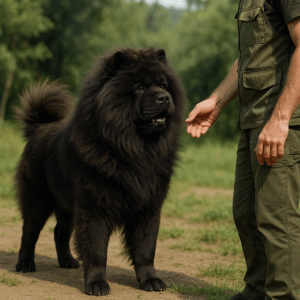
8. Chow-Chow
This dog with a plush appearance hides a strong territorial temperament. Chow-Chow bites often occur during rough handling or intrusion into its space.
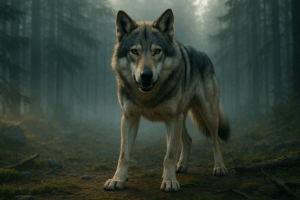
9. Wolfdog
Resulting from a wolf-dog crossbreed, this breed combines the respectful fear of the wolf with the docility of the dog. The balance is fragile: sloppy socialization can awaken wild instincts.
10. Cane Corso
Originating from Italy, the Cane Corso protected homes and herds. Today, its massive build and menacing posture remain impressive. Cases of aggression are rare if the dog is well managed.
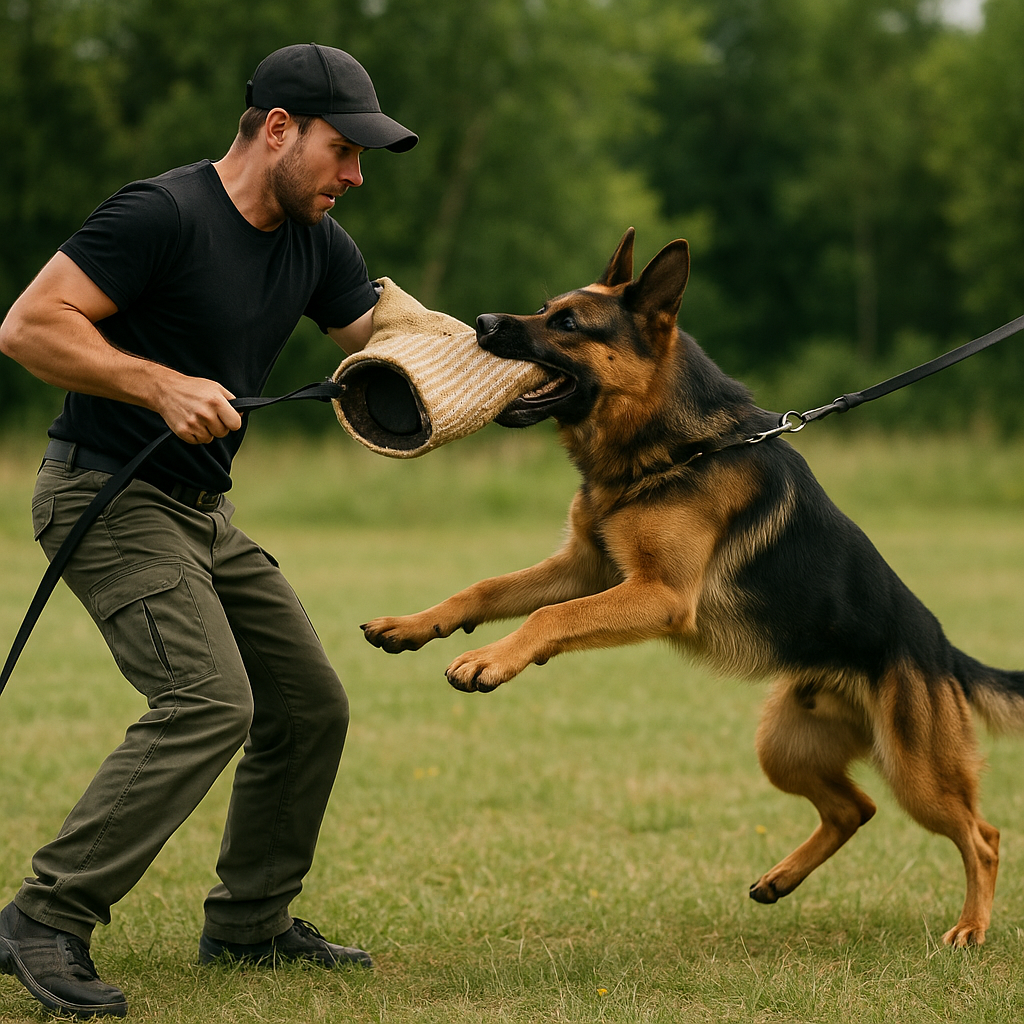
Safety Tips
- Stay calm and avoid sudden movements; the dog interprets any agitation as a threat.
- Do not immediately look away: fix your gaze between the eyes and the nose to show vigilance without aggression.
- Offer your closed hand to sniff rather than approaching with an open palm.
- Do not run: this triggers the chase instinct.
- Carry a repellent spray or a stick if you intervene in a high-risk context.
FAQ
1. What is the main criterion to judge a breed’s danger level?
Bite force, measured in psi, combined with the historical rate of severe bites, provides a reliable indicator.
2. Can a well-trained dog be dangerous?
Yes, even a properly trained animal can attack if it senses danger to itself or its owner.
3. How to protect yourself during a dog attack?
Use a solid object (bag, jacket) to create a barrier and slowly back away without turning your back.
4. Can small breeds be dangerous?
Their bite is rarely fatal, but they can transmit infections and cause painful injuries.
5. What to do after a bite?
Clean the wound, see a doctor for stitches or tetanus treatment, and report the incident to veterinary authorities.