
| Key Points | Details to Remember |
|---|---|
| 🐕 Definition | Explains the origin and distinctive traits of the breed |
| 💪 Strength and Energy | Generates an activity level suited to indoor living |
| 🏡 Adaptability | Shows how to live harmoniously in an apartment |
| 🎓 Intelligence | Facilitates learning a variety of tasks |
| 🤝 Companionship | Strengthens the owner-dog bond through mental stimulation |
| ⚙️ Versatility | Demonstrates athletic and utilitarian abilities |
Between the desire for an active companion and the constraint of limited space, finding a working dog capable of thriving without needing half an acre to run can seem paradoxical. Yet, the Miniature American Shepherd combines liveliness of spirit, versatility, and sociability in a way surprisingly compatible with apartment or small urban house living. By adapting its exercise needs and training, it reveals its full potential as a daily partner, even when the yard is limited to a balcony or a few square meters.
Origins and Specifics of the Miniature American Shepherd
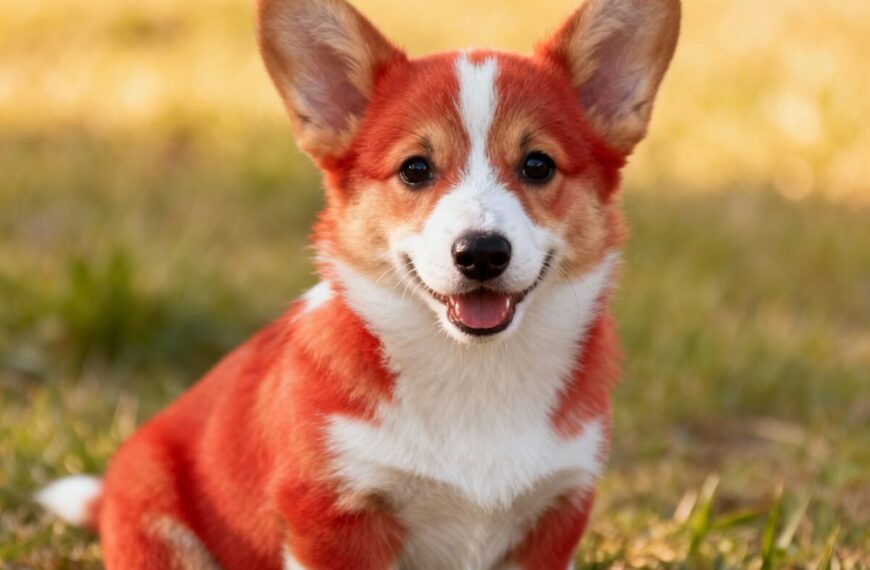
Originally, it is a variation of the traditional American Shepherd, reduced in size while preserving its herding dog temperament. Selected for its robustness, weather resistance, and liveliness, this small shepherd stands out by its manageable size (35 to 45 cm at the withers) and weight ranging between 12 and 18 kg. Unlike dwarf versions of some breeds, the miniature retains solid bone structure and harmonious musculature, ensuring endurance and agility.
Its coat can vary from black tricolor to blue merle to red charcoal, each color reflecting a strict standard. The erect ears and lively expression testify to its constant alertness, the foundation of its effectiveness when executing commands or performing sports exercises. Indeed, even reduced in size, the Miniature American Shepherd sacrifices nothing of the intensity and focus expected of it.
Adaptability to Small Spaces
One of the major strengths of the breed is its ability to juggle with the environment. One might think that a herding dog, used to large pastures, would suffer in an urban area. In reality, the Miniature is satisfied with a more limited space provided it receives regular and varied stimulation sessions.
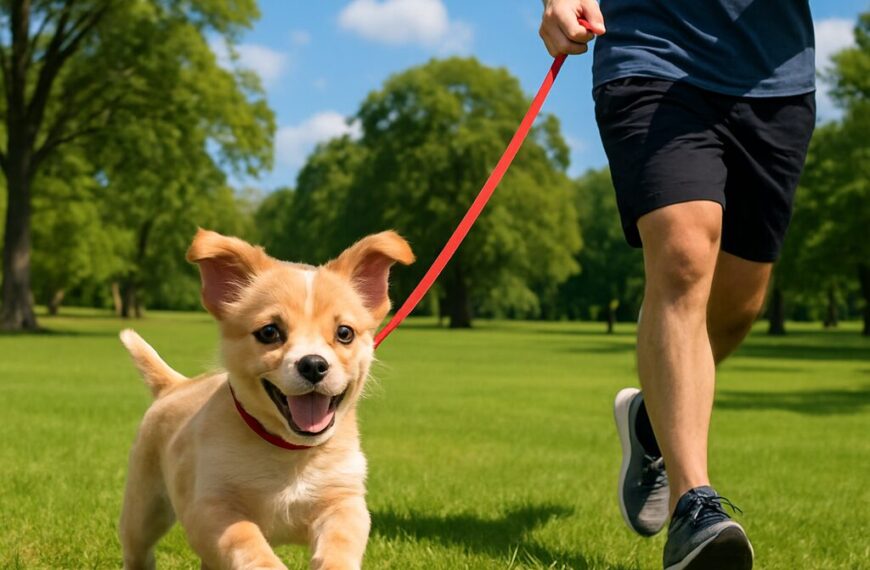
- Fractioned walking sessions: several short outings during the day rather than one long walk.
- Indoor fetch games: soft ball or soft frisbee to avoid any accidents.
- Secured neighborhood exploration: enriches its sense of direction and strengthens its confidence.
By juggling between physical activity and intellectual challenges, it learns to expend its excess energy without damaging furniture or showing stress. This organization allows the dog to maintain mental balance, even in a one-bedroom apartment. Little by little, it associates the reduced space with a stimulating playground, promoting relaxation and a peaceful shared life.
Work Skills and Versatility
Agility and Canine Sports
The Miniature American Shepherd excels in agile disciplines such as flyball, obstacle courses, or hoopers. Its light build gives it a surprising execution speed, especially in tight turns. Organizing a small circuit in the garden – or even in a clear alley – offers an ideal setting to strengthen its muscles while engaging its tactical flair.
Assistance Tasks and Loyalty
Beyond sports, this dog can perform utility functions: carrying small objects attached to a belly bag, alerting in case of distress, accompanying weakened seniors. Its loyalty and sense of mission translate into attentive listening and a constant desire to do well. In a domestic context, this can mean picking up the mail, ringing the doorbell when a visitor arrives, or simply following its owner in all activities without getting distracted.

Education and Mental Stimulation
The intellectual liveliness of the Miniature American Shepherd requires continuous learning. Considering short and playful sessions helps maintain its concentration. Here are some ideas to spice up its education:
- Hide-and-seek with objects to work on the sense of smell.
- Sequences of tricks (sit, lie down, play dead) to reinforce obedience.
- Interactive puzzles designed to stimulate problem-solving.
By practicing these exercises, the owner establishes a relationship of trust that goes far beyond simple obedience. The dog anticipates situations and shows the ability to take measured initiatives, a crucial asset when its living space is limited. Encouraged by positive reinforcement and some treats, it develops constructive curiosity, a guarantee of well-being.
Care and Health
Grooming the Miniature American Shepherd remains quite simple. Weekly brushing is generally enough to remove dead hair and prevent tangles. During shedding periods, the frequency can be increased to avoid hair clumps in the apartment. On the health side, this dog enjoys a respectable longevity — often around 13 to 15 years — provided its weight is monitored and a balanced diet is offered.
| Aspect | Frequency | Advice |
|---|---|---|
| Grooming | Once a week | Prefer a soft brush |
| Exercise | 30–60 min/day | Split into 2 or 3 outings |
| Weight control | Monthly | Adjust the ration according to activity |
| Vet visit | Annual | Include joint check-up |
A perfectly sized companion
When living in a one-bedroom apartment, every square meter counts. The Miniature American Shepherd demonstrates that a working dog does not necessarily need vast spaces to apply itself and thrive. By relying on regular stimulation, adapted challenges, and lots of affection, it becomes a reliable partner, capable of fulfilling sporting or utility tasks with the same seriousness as a large shepherd dog. At a time when urban lifestyles often lead to giving up certain pleasures, it embodies an attractive solution for those wishing to combine activity, companionship, and city life.
FAQ
Is the Miniature American Shepherd suitable for beginners?
Yes, provided you are ready to invest time in its education and stimulation. Its intelligence facilitates learning, but its energy demands daily commitment.
What is the minimum space needed for it to be happy?
It adapts to an apartment as long as regular outings and indoor activities are organized. A secure balcony or a small garden is a plus.
Can it live with other animals?
Its sociability allows it to coexist with dogs and sometimes cats, provided a gradual and positive introduction is implemented.
What is its ideal diet?
A diet rich in good quality proteins, adjusted to weight and activity. Cooked vegetables can be added to vary nutrients and avoid taste boredom.
How to prevent stress in confined spaces?
Vary routines, offer chew toys, organize scent hides, and prioritize calm moments after exercise.