
| Key Points | Details to Remember |
|---|---|
| 🗺️ Origin | Remnant of Nordic dogs specialized in puffin hunting |
| 🤸 Morphology | Six toes and hyper-flexible shoulders for climbing |
| 🐦 Hunting | Talent for spotting birds in cliffs |
| 🩺 Health | Sensitive to gastrointestinal disorders, essential monitoring |
| 🏠 Life | Adaptable in family settings but needs varied stimulation |

It is rare to encounter a dog whose history intertwines with that of the Lofoten Islands like the Norwegian Lundehund. With its six toes, flexible shoulders, and appetite for puffin hunting, it embodies a heritage that is both functional and fascinating. In this article, we explore its past, physical characteristics, temperament, and precautions to take when welcoming it into your home.
Origins and History of the Lundehund
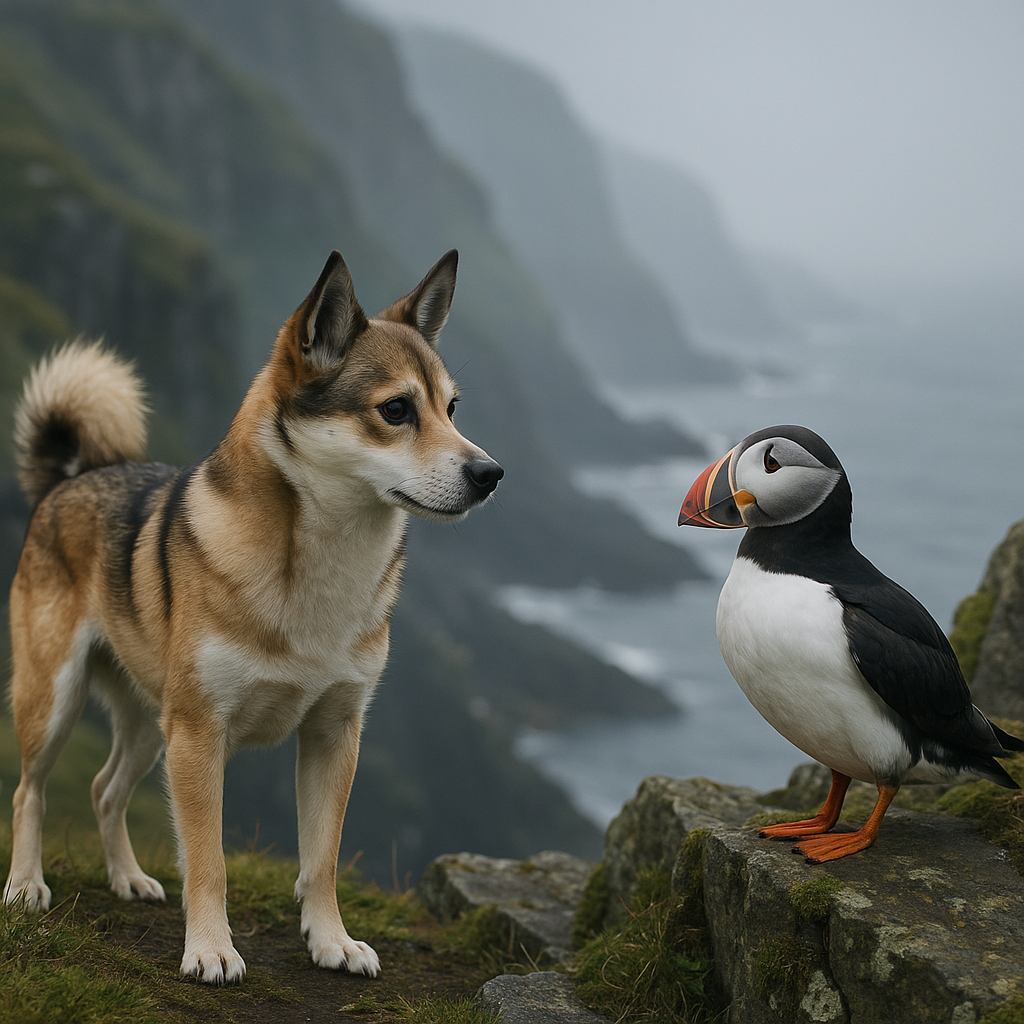
At the edge of Norway, fishermen of old used to capture puffins nesting in steep cliffs. They needed a dog capable of climbing, slipping into cavities, and enduring a damp environment. This is how the Lundehund appeared, its name meaning “puffin dog.” For centuries, it was considered indispensable to coastal communities before mechanization made its mission less vital.
Evolution Over Time
With the arrival of better-equipped boats and more efficient nets, Lundehunds became more common on Norwegian tables. Alas, an epidemic nearly wiped out the breed in the 1950s. A few enthusiasts then launched a conservation program, so today the global population remains modest but stabilized.
An Extraordinary Morphology
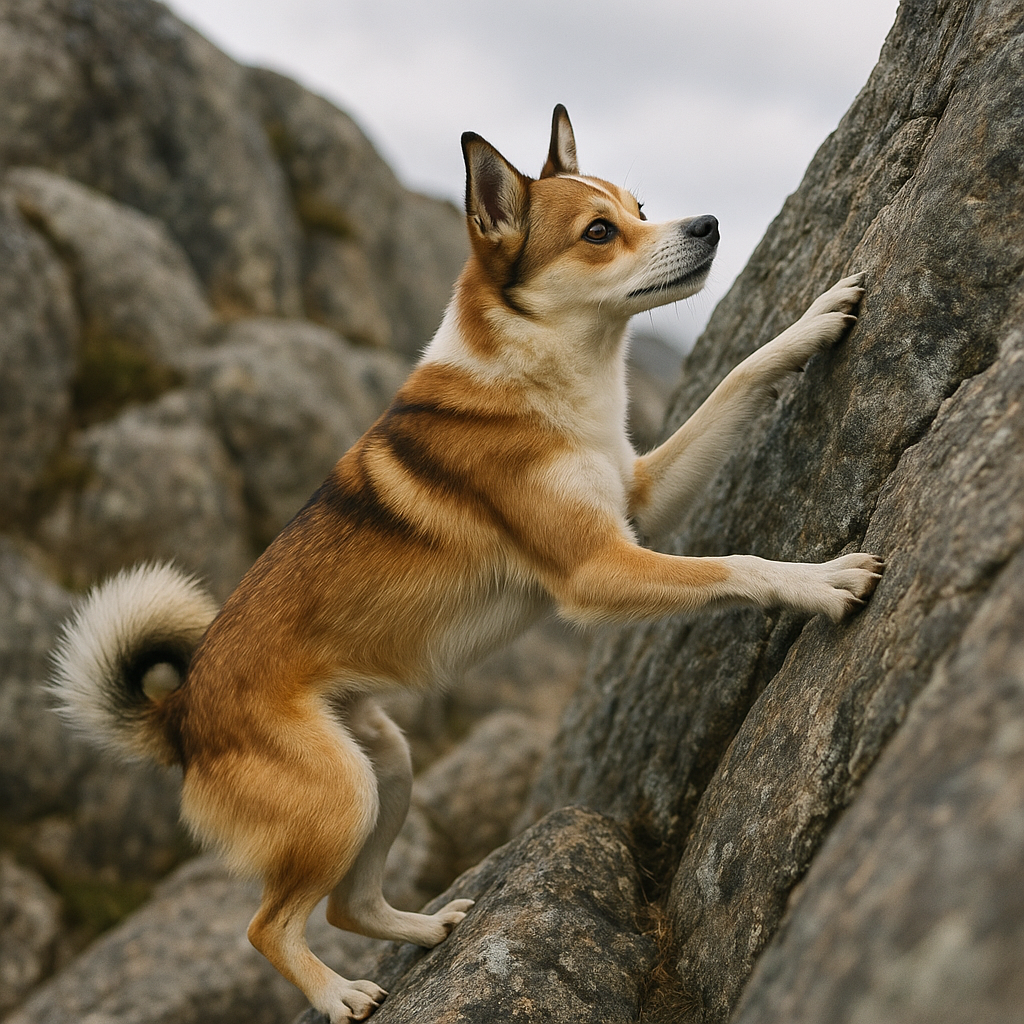
The structure of the Lundehund defies canine standards. When you learn that it is sometimes born with six toes, or that its shoulders rotate more than 180 degrees, you realize it is a true marvel of adaptation.
- Wide feet and extra toes: to anchor on slippery surfaces.
- Detached shoulders: capable of pivoting to pass through narrow cracks.
- Upright and articulated ears: to catch the sounds of birds from afar.
- Curved tail: serves as a counterbalance during cliff escapades.
Behavior and Character
Rather than being a simple hunting dog, the Lundehund develops a true bond with its owner. It is both wary of strangers and extremely devoted to its family. Its curiosity leads it to snoop everywhere, sometimes raising an amusing dust cloud in the living room.
Aptitude for Puffin Hunting
When it comes to flushing out a puffin nesting in a hollow, it knows how to adopt the ideal posture: slipping by flattening itself, gripping the wall, and climbing almost like an experienced climber. This behavior translates on walks into a preference for rugged trails and rocks rather than long flat strolls.
Diet and Health of the Lundehund
Its unique constitution makes the Lundehund prone to gastrointestinal disorders and intolerances. Increased monitoring of its diet is necessary to avoid gastric dilation-volvulus, common in Nordic breeds.
| Problem | Prevention |
|---|---|
| Bloating | Fractioned meals and regular hydration |
| Shoulder sprains | Gentle exercises to strengthen the muscles |
| Digestive parasites | Veterinary control and targeted deworming |
Breeding and Daily Care
To ensure its well-being, it is best to set up a light agility course in your garden. Stairs, low obstacles, or suspension bridges give it the opportunity to express its acrobatic talents. It also enjoys intelligence games and object searches, recalling its vocation as a methodical hunter.
Grooming and Maintenance
Its double coat requires only weekly brushing. However, it does not tolerate stagnant humidity well: careful drying after each outing in the rain limits the risk of fungal infections. The ears deserve regular inspection, as their increased mobility facilitates the intrusion of debris.
Living with a Lundehund: Challenges and Pleasures
This dog is not made for exclusively urban life. Although it can adapt to an apartment, it needs varied spaces to expend energy. You will need to plan outings on rough terrain, tracking or search activities. In return, you enjoy a faithful, protective companion with boundless curiosity.
- Organizing excursions in rocky areas
- Mental stimulation sessions with canine puzzles
- Gradual integration into family life to channel its enthusiasm
FAQ
Is the Lundehund suitable for children?
Yes, provided that the youngest are taught to respect its space when it digs or explores. Its patience is notable, but it requires calm to recover.
Is it easy to train?
Its intelligence is undeniable, but it can be stubborn. Training based on positive reinforcement and short sessions guarantees better results.
What is its life expectancy?
Generally, it ranges from 12 to 15 years, depending on the rigor of care given to its digestive and joint health.
Where to find a responsible breeder?
Prefer breeders registered with recognized canine clubs, who perform health tests (shoulder x-rays, digestive assessment) before breeding.