

| Key Points | Details to Remember |
|---|---|
| 🍬 Sources to Watch | Candies, chewing gums, and pastries often contain xylitol. |
| 🦷 Health Risk | Rapid hypoglycemia and liver damage can occur. |
| ⚠️ Symptoms | Vomiting, tremors, seizures, and lethargy are indicators. |
| 📞 Immediate Reaction | Contact a veterinarian without delay, do not induce vomiting without professional advice. |
| 🔍 Prevention | Store out of reach and always read labels carefully. |
| 🌿 Alternatives | Natural treats: dried fruit, dog biscuits without sweeteners. |

You thought of giving your companion a little sweet treat without harming them? Unfortunately, xylitol, this sweetener widely used in “sugar-free” products, can trigger a real medical emergency in dogs. In just a few bites, your animal’s body plunges into severe hypoglycemia and liver failure. This article reviews seven categories of everyday products to watch out for, details the reactions to ingestion, and offers concrete solutions to protect your faithful friend.
What is xylitol and why is it toxic to dogs?
Xylitol, or birch sugar alcohol, is among the most popular sugar alcohols: its sweetening power equals that of regular sugar, with fewer calories. In humans, it is digested without difficulty, even with dental benefits. However, in dogs, xylitol absorption triggers a massive insulin secretion, causing a sudden drop in blood sugar. Shortly after, the liver can also suffer from hepatic necrosis. The first symptoms often appear within half an hour after ingestion, hence the need for unwavering vigilance.
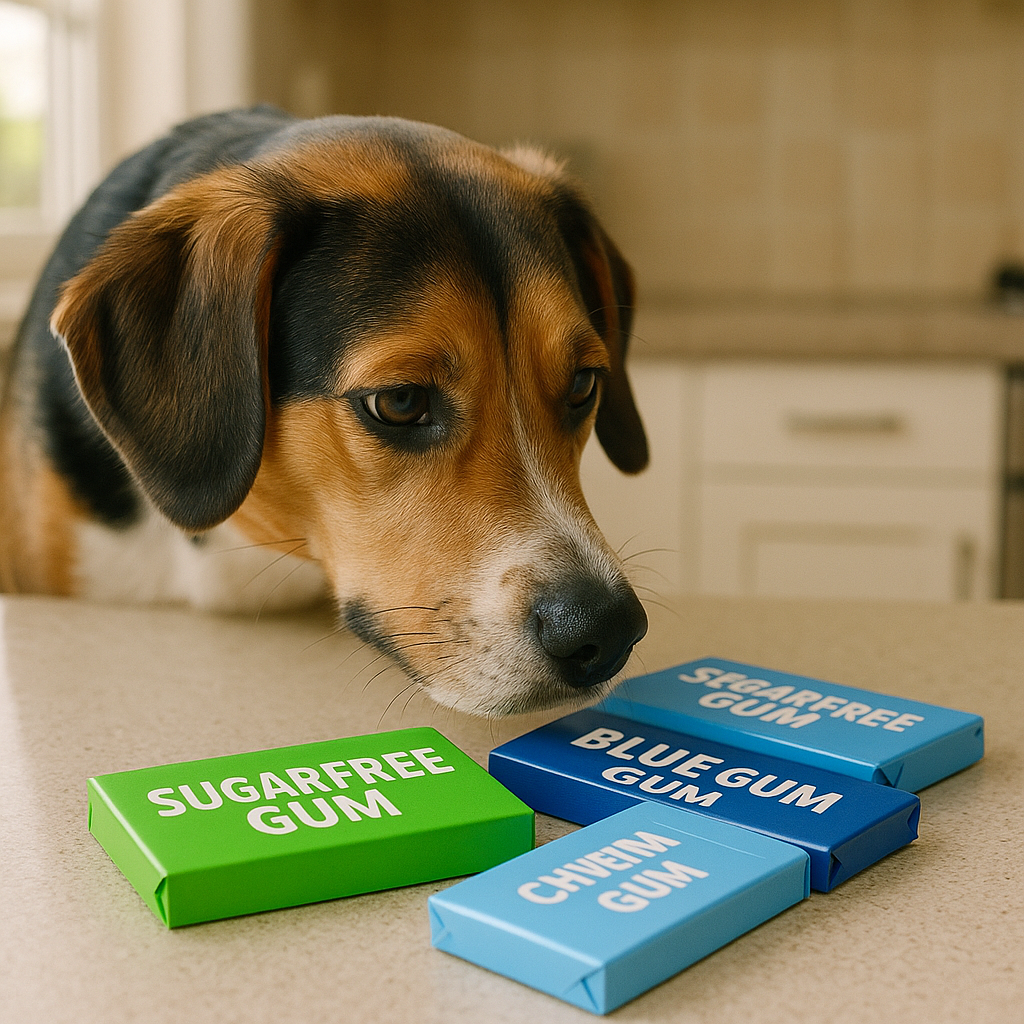
7 everyday foods and products to avoid
1. Sugar-free chewing gums and candies
The most emblematic category, where xylitol is often the main sweetener. The sticky texture and mini-piece format increase the risk of rapid ingestion. Whether industrial chewing gum or vitamin candies, everything is suspect until the label has been checked word for word.
2. Toothpastes and oral hygiene products
Many toothpastes, mouthwashes, and breath freshening tablets contain xylitol to reduce cavities in humans. Yet a simple lick of the tube or the bathroom counter is enough for your dog to ingest a dangerous dose. Always store these items out of reach.
3. “Homemade” pastries with sweeteners
If you cook for your family replacing sugar with xylitol, know that even a mini cupcake or cookie can expose your dog to a life-threatening risk. Bakery products sold in stores are also often labeled “light” or “reduced sugar,” so don’t hesitate to check.
4. Light syrup and jam
Although they may seem less tempting to a dog, these syrups can drip onto the floor or soak into a wipe, encouraging the animal to lick. “Sugar-free” jams sometimes contain xylitol in addition to other sweeteners.
5. Chewable supplements and vitamins
Formulated for a quick summary of the dosage, some chewable supplements for humans or livestock animals include xylitol to mask the bitter taste. Before giving a chewable supplement, check the ingredients.
6. Protein bars and diet snacks
Human athletes represent another outlet for xylitol: protein bars, energy gels, or meal replacements may contain this sweetener. The compact texture, often individually wrapped, makes ingestion out of curiosity easier.
7. Industrial “sugar-free” products
Iced teas, mint chewing gums, light ice creams: all these products ride on the “sugar-free” label. Only careful reading of the ingredient list will allow you to exclude those containing xylitol.

Symptoms of poisoning and immediate reaction
Once ingested, xylitol quickly passes into the bloodstream. The first signs to watch for are:
- general weakness and lethargy;
- tremors or seizures;
- vomiting and diarrhea;
- paleness of the mucous membranes or accelerated heart rate.
In the following hours, hepatic coma may develop. Do not panic, but act without delay: contact a veterinarian or an emergency veterinary clinic is the only effective course of action. Avoid inducing vomiting at home without professional advice: xylitol is absorbed too quickly for this method to be systematically relevant.
What to do to limit risks in the future?
Prevention starts in your kitchen and bathroom. Adopt these habits:
- systematically read the ingredient list on the list of dangerous foods for dogs;
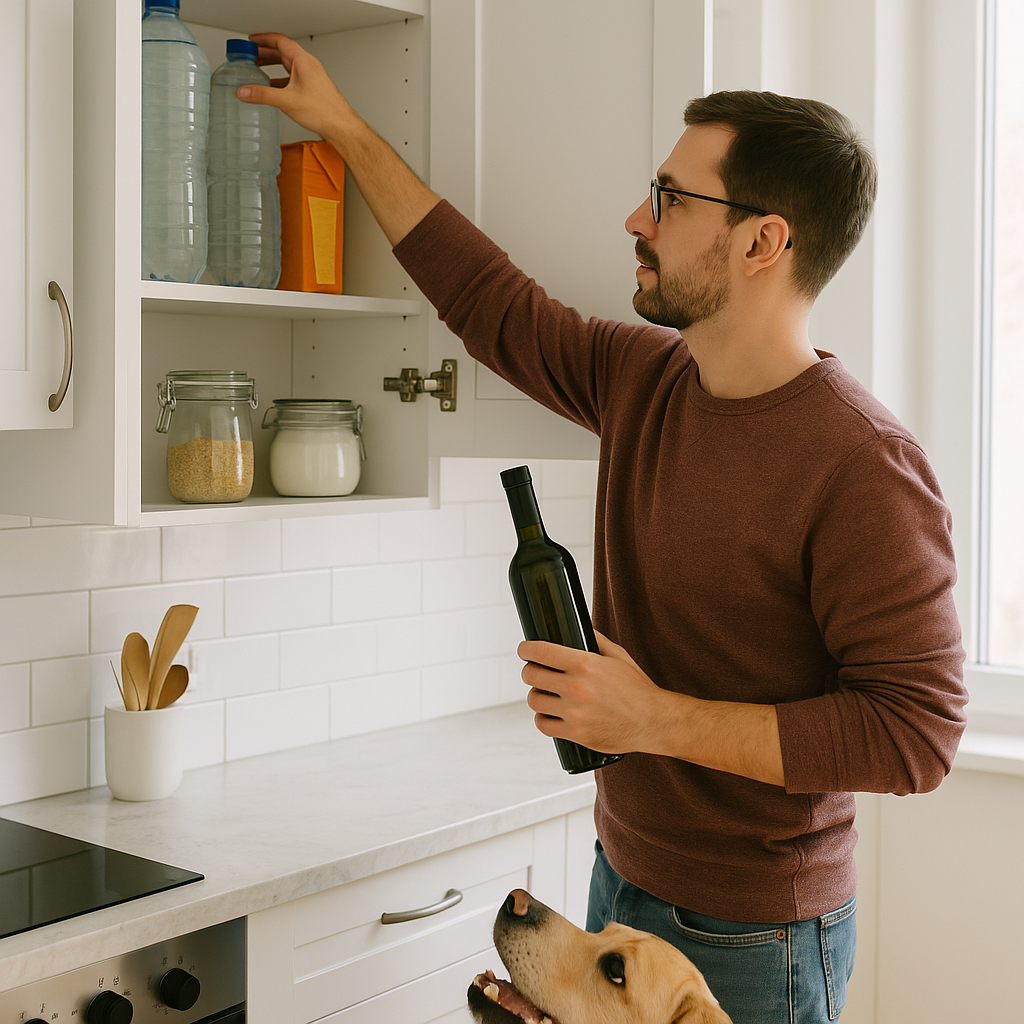
- keep all sweetened products out of reach, ideally in a closed cupboard;
- offer your dog treats specifically formulated for them, without xylitol and with simple ingredients;
- educate visitors to avoid giving their snacks without supervision.
If your dog has regular check-ups, you can also combine these tips with appropriate parasite protection. To learn more about how to use Bravecto and strengthen its health prevention, discover how to effectively protect your dog all year round.
FAQ
Q: My dog licked a tube of xylitol toothpaste, should I call the vet?
A: Yes. Even small amounts can be critical. Do not delay and call a professional.
Q: Is xylitol present in fruits?
A: It is naturally found in some fruits (strawberries, plums) but in negligible amounts compared to industrial concentrates.
Q: My dog seems stressed after ingestion, is this normal?
A: Hypoglycemia can cause agitation and nervousness. Also consult our list of stress signs in the Cane Corso, some symptoms overlap.
Q: Are there natural alternatives?
A: Yes: pieces of apple, carrot, or treats made from potatoes and meat, without sweeteners.
Q: Can I induce vomiting myself?
A: No. A veterinary opinion is essential to assess the situation and recommend the best course of action.