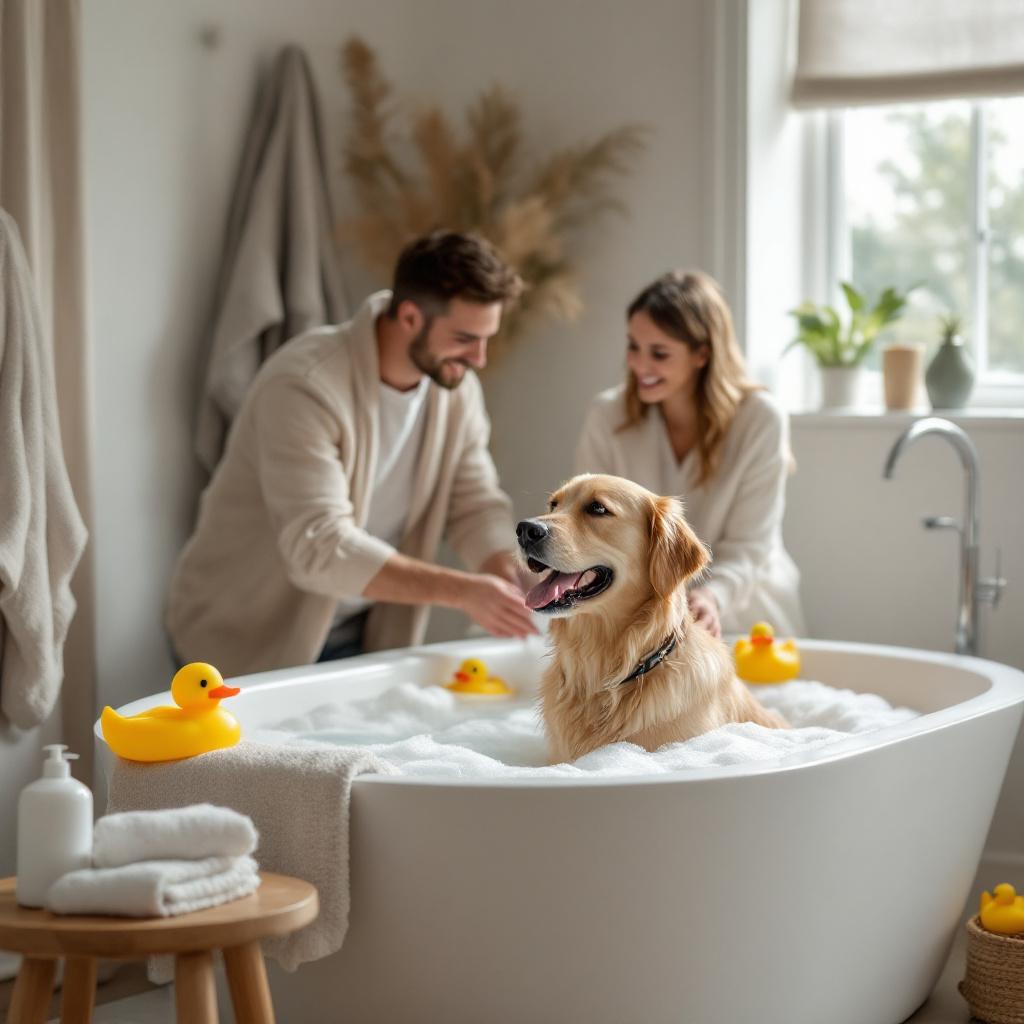
The ideal frequency for washing your dog depends primarily on its coat type, lifestyle, and skin quality. While an active Labrador requires more regular baths to remove impurities, a short-haired Chihuahua can manage with more sporadic grooming. To preserve the natural lipid film and avoid irritations or unpleasant odors, always adjust the bathing frequency to the specific needs of your companion.
Why Bathing Frequency Varies According to the Dog
Each dog has unique skin and coat, developed through evolution to protect it from external aggressions. Sebum secreted by the skin glands acts as a hydrolipidic barrier: too frequent washing removes it, promoting dryness, itching, or dermatitis. Conversely, a very active dog that rolls in grass or water accumulates dirt, pollen, and parasites that should be removed regularly.
Family life also influences this: a well-groomed apartment dog can tolerate longer intervals between baths than a muddy hiking companion. Weather conditions, exposure to allergens, and even diet can alter the nature of the coat and, consequently, its porosity and tendency to retain dust or odors.
The Different Types of Coats and Their Washing Needs
Short Coat
Dogs with short hair (Beagle, Boxer, Doberman) require light maintenance. Their thin fur gets less dirty in undergrowth and dries quickly. As a general rule, a bath every 2 to 3 months is sufficient, except after a real session of playing in mud or water.
Long and Silky Coat
Long-haired dogs (Yorkshire, Cavalier King Charles) retain more dust and small debris. Careful brushing before each bath removes knots and fuzz, preventing dirt from embedding into the roots. To maintain shine and suppleness, plan a wash every 6 to 8 weeks, using a softening shampoo.
Double Coat
Northern dogs (Husky, Malamute) and shepherds (Labrador, Golden Retriever) have a thick undercoat insulating against the cold. This down retains water and dirt: too frequent baths risk destroying the natural insulation and slowing regrowth. Washing 2 to 3 times a year is recommended, ideally at the change of seasons to accompany shedding.
Woolly Coat
Breeds with curly or kinky coats (Poodle, Bichon) require semi-annual maintenance limited to bathing and weekly combing. A shampoo every 4 to 6 weeks prevents matting and preserves the volume of curls.
Little or No Undercoat
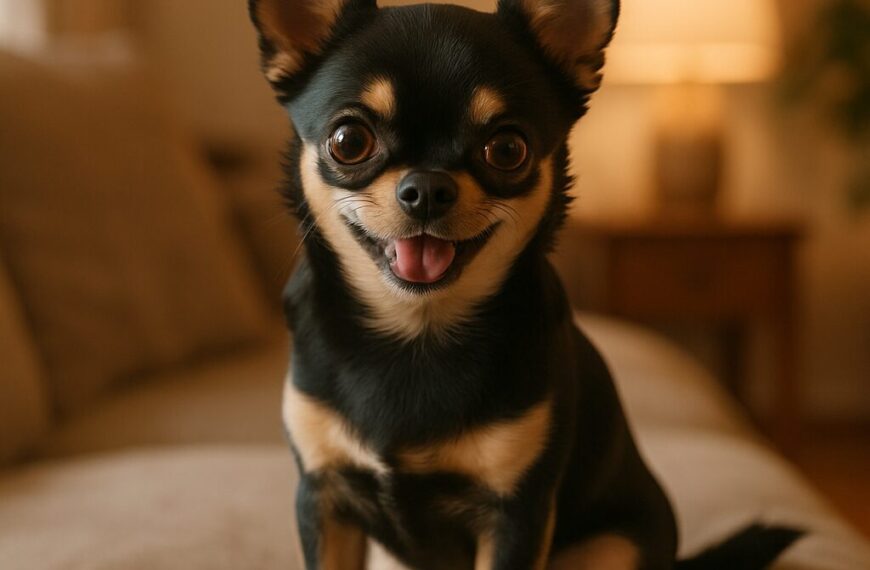
Dogs without undercoat (Chihuahua, Whippet) sometimes suffer from sensitive skin. A bath every 1 to 2 months, with a pH-neutral product, helps reduce the risk of irritation.
| Coat type | Breed example | Recommended frequency | Particularity |
|---|---|---|---|
| Short hair | Beagle, Boxer | 2–3 months | Dries quickly, few knots |
| Long hair | Yorkshire, Cavalier | 6–8 weeks | Frequent brushing |
| Double coat | Husky, Golden | 2–3 baths/year | Seasonal shedding |
| Woolly | Poodle, Bichon | 4–6 weeks | Maintenance with a comb |
| Without undercoat | Whippet, Chihuahua | 1–2 months | Sensitive skin |
Recommended frequencies according to major breed categories
Beyond the coat type, certain breeds have skin or behavioral specificities dictating the regularity of baths:
- Hunting or working dogs (Pointer, Labrador): exposure to mud and fleas, plan a bath after each intense session, about 4 to 6 baths per year on average.
- Bulldogs and brachycephalic breeds: delicate skin folds, clean problematic areas between full baths, limited to 3 or 4 per year.
- Water dogs (Portuguese Water Dog, Newfoundland): frequent swims, rinse after each outing followed by a real shampoo every 2 months.
- Hypoallergenic dogs: fine hair and little undercoat, a bath every 4 to 6 weeks accompanies professional grooming.
Practical advice for a successful bath
Choose the appropriate shampoo
Opt for a mild shampoo with neutral pH or specially formulated for dogs with sensitive skin. Hypoallergenic formulas are suitable for subjects prone to allergies, while anti-flea shampoos often include insect-repellent agents (read the instructions for the application time). Avoid human products, which are too harsh for canine coats.
Prepare the necessary equipment
- A bathtub or showerhead equipped with a gentle spray to avoid stressing the animal.
- A non-slip mat to secure the paws during the bath.
- A brush before and after washing to detangle and distribute sebum.
- Several absorbent towels or a dog towel dryer.
Control the water and drying
The temperature should remain lukewarm, around 37 °C, so as not to disturb skin circulation. Rinse thoroughly until all foam disappears: any residue can irritate the skin and cause itching. First dry with a towel by patting, then, if your dog tolerates it, use a hairdryer set to warm air to avoid overheating. Take advantage of this moment to pet and reassure your companion.
Beware of stress signals
Some dogs dread baths and show signs of nervousness (trembling, panting). Identify these behaviors before starting the session: a stressed dog may bite or hurt itself. In case of excessive tension, teach relaxation with petting or call a professional. To better spot nervousness in your mastiff or Cane Corso, discover the list of 12 stress signs in the Cane Corso and how to soothe them.
Enhance Your Knowledge
To master perfectly the frequency and method of washing, consult our complete guide on canine bathing, where you will find tips, precautions, and routines adapted to each dog’s profile.
In conclusion, the key to a healthy coat lies in listening to your dog’s needs: observe its skin condition, behavior, and adjust the washing frequency to combine cleanliness, comfort, and health beneath its fur.