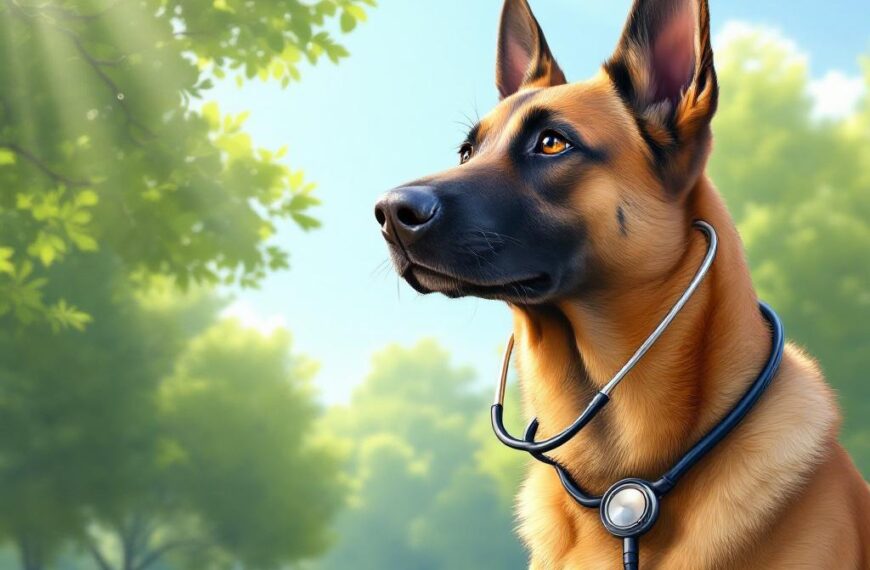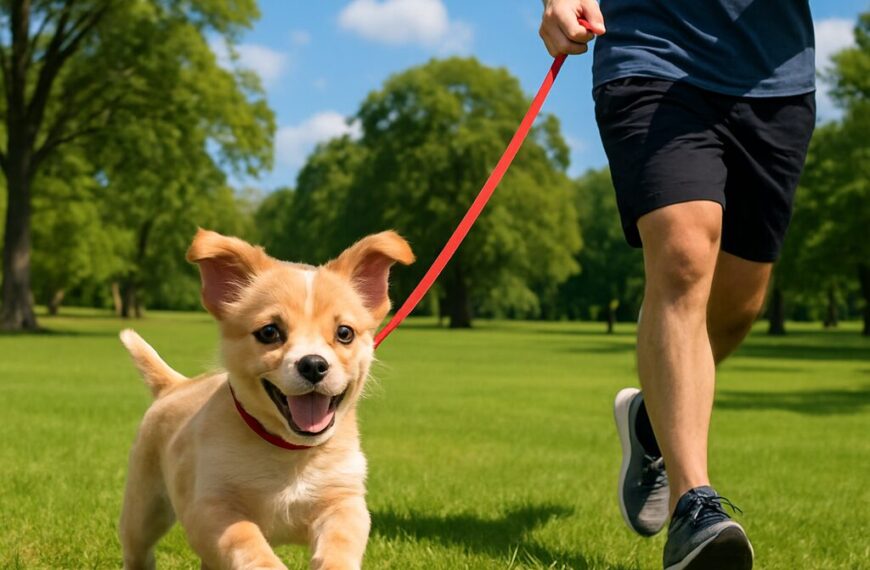
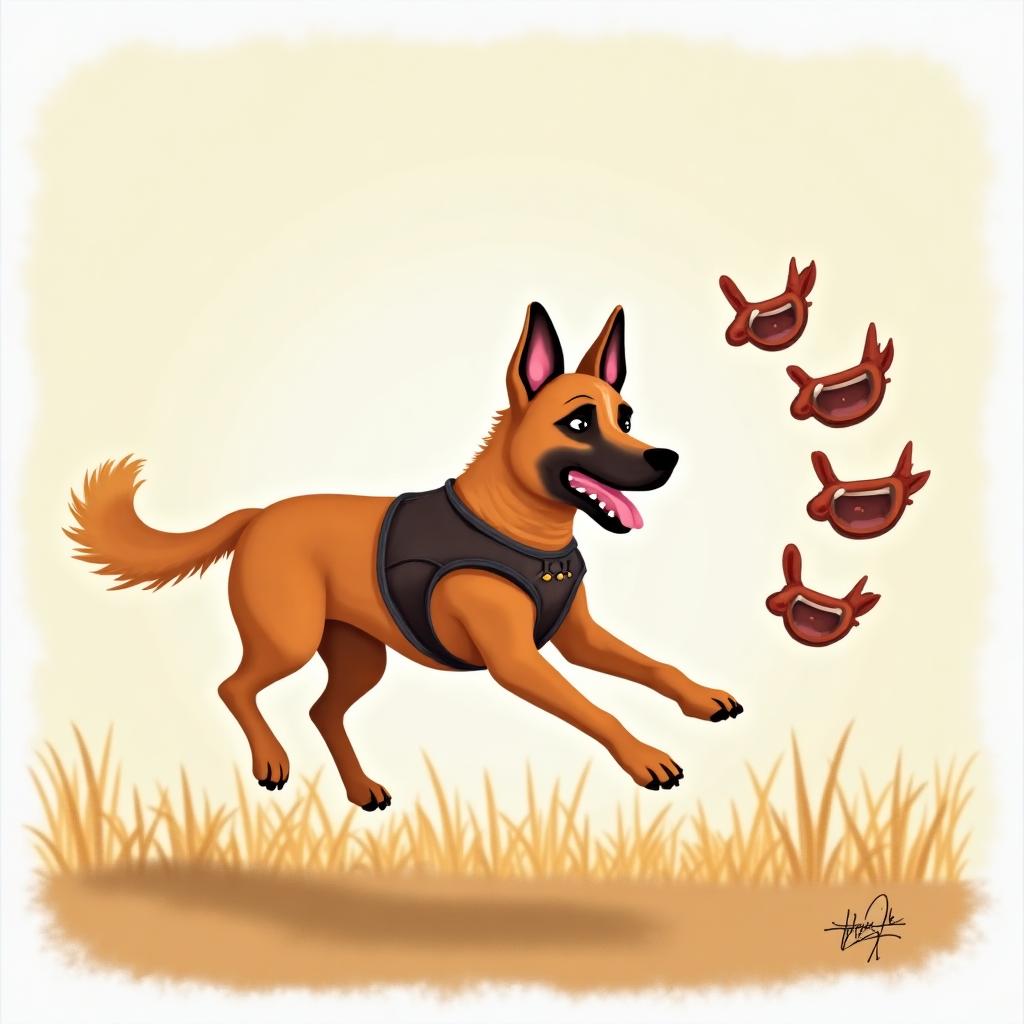

When a reactive Malinois stiffens at the promise of a walk, the owner’s reflex is sometimes to tighten the choke collar to “regain control.” In reality, this type of collar can worsen stress and increase the dog’s reactivity. Let’s instead explore two solutions respectful of its well-being: the head halter and the harness, allies of a positive approach.
🐕 Reactive Malinois under tension? The choke collar increases pressure on the trachea and generates stress, amplifying sudden reactions.
🐾 Head halter or harness target the head or chest to redirect without hurting: you gain control and preserve the dog’s trust.
⚖️ By adapting the model to the Malinois’s anatomy, we optimize comfort and safety, two pillars of a positive training method.
Why avoid the choke collar?
Physiological and behavioral effects
The choke collar abruptly tightens the dog’s throat with each pull, causing respiratory discomfort and tension in the neck. In addition to occasional pain, this practice can lead to an aversion to walks, sneezing, chronic coughing, or even esophageal trauma.
On the behavioral level, pressure on the trachea shocks the central nervous system. Some Malinois will freeze or, on the contrary, redouble their efforts to escape this sensation of suffocation, creating a vicious circle that increases aggressiveness or reactivity.
Gentle alternatives: principles of the positive method
The positive approach focuses on collaboration rather than coercion. By guiding the dog via strategic points of support (head or chest), its orientation is redirected without pain. Positive reinforcement – kibble, verbal praise, games – reinforces the idea that walking beside the owner remains a pleasant experience.
The muzzle: principle and use
Presentation of the strap muzzle
The muzzle, sometimes called a Halti, surrounds the head and gently tightens around the snout when the dog pulls. Designed to guide without tightening the throat, it resembles a head harness. Its pivot effect encourages the dog to naturally turn its head towards the owner, reducing the pulling angle.
| Advantages | Disadvantages |
|---|---|
| Precise direction control | Requires gradual adaptation |
| Limits sudden pulls | Can intimidate if poorly adjusted |
| Suitable for dogs with strong temperament | Less suitable for very fearful dogs |
Tips for proper adjustment
Position the strap under the jaw without covering the eyes. The ring should be located halfway up the snout for optimal leverage. Regularly check that it does not slip and gradually accustom your Malinois by associating it with treats from the first fitting.
The harness: an ally for the reactive Malinois
The different types of harnesses
- Anti-pull harness with front ring: redirects the dog towards the owner when it pulls.
- Norwegian harness: simple, without pressure points on the trachea, suitable for gentle walks.
- Y or H harness: distributes pulling force over the chest, lightening contact points.
Choosing the right model for your dog
Prioritize an adjustable size with wide, padded straps to avoid chafing. Breathable material limits overheating during exertion. If your reactive Malinois already tends to escape, a model with a high throat and sturdy straps ensures extra security.

Comparison: muzzle vs harness
| Criterion | Muzzle | Harness |
|---|---|---|
| Area of action | Head and snout | Chest and back |
| Comfort level | Medium (habituation needed) | High (uniform distribution) |
| Pull control | Very precise | Good, gentler |
| Ease of use | Moderate | Easy to adjust |
Training and support
Beyond the choice of tool, education must rely on a structured program: learning the “heel” command, relaxation exercises (sit, lie down), simulations of disturbances (noises, bicycles). Never allow the dog to pull to avoid it associating pulling with a feeling of victory.
“A dog that walks calmly by your side reflects a relationship of trust rather than a power struggle.”
Consistency between recall sessions, positive reinforcement, and tension-free walks makes all the difference. Do not hesitate to consult a dog trainer trained in positive techniques for personalized support.
FAQ
1. Is the muzzle painful for the dog?
When properly adjusted, the muzzle should not tighten the trachea. It acts as a slight signal to divert the dog’s attention and does not cause pain if used correctly.
2. What is the minimum age to use an anti-pull harness?
A suitable harness can be introduced as soon as the puppy reaches 3 months, provided it is adjustable and lightweight. At this age, the approach should remain playful to avoid any fear.
3. Should the flat collar be completely abandoned?
The flat collar remains useful for carrying the identification tag. However, on walks, prefer gentle guidance systems to limit the risk of injury and promote the dog’s comfort.