
| Key Points | Details to Remember |
|---|---|
| 🐟 Definition | Salmon oil: an omega-3 rich extract derived from salmon flesh. |
| ✨ Main Benefits | Skin support and anti-inflammatory action. |
| ⚖️ Recommended Dosage | 0.5 to 1 ml per 4.5 kg of weight, once or twice daily. |
| ⚠️ Precautions | Monitor blood clotting and digestive reactions. |
| 🍽️ Administration Method | Mixed into wet food or sprinkled over kibble. |
| ⏱️ Expected Results | Shinier coat and improved mobility within 4 to 6 weeks. |
Salmon oil has established itself in dog-loving households as a major nutritional asset. Derived from gentle cooking and cold pressing of salmon fillets, it concentrates precious omega-3s essential for canine health. Between the coat’s enhanced shine and joint relief, this supplement transforms the daily life of your four-legged companion.
What is Salmon Oil for Dogs?
It comes from wild or farmed salmon, often sourced from certified fisheries, selected for their quality. During production, a low-temperature extraction is performed to preserve essential fatty acids, notably eicosapentaenoic acid (EPA) and docosahexaenoic acid (DHA). These molecules regulate inflammation, deeply nourish the skin, and participate in cellular metabolism. For a conscientious owner, it is a natural way to provide their dog with a balanced intake, without adding flavor enhancers or preservatives.
Health Benefits for Your Dog
Rich in Omega-3 Fatty Acids
Omega-3s act like little anti-inflammatory sentinels. When a tendon is irritated or fur lacks vitality, EPA and DHA limit the inflammation cascade. Often, after a few weeks, a denser coat and reduced itching are observed. In liquid form, salmon oil is digested faster than capsules, making it particularly suitable for sensitive dogs.
Joint and Heart Support
Imagine the cartilage of an old tile floor: over time, the joints weaken. In dogs, salmon oil partially repairs this microscopic wear. Several veterinary studies show improved joint flexibility and reduced morning stiffness. Moreover, these fatty acids stabilize heart rhythm and regulate blood pressure, two crucial factors for large breeds prone to heart issues.
Dosage: how to find the right measure
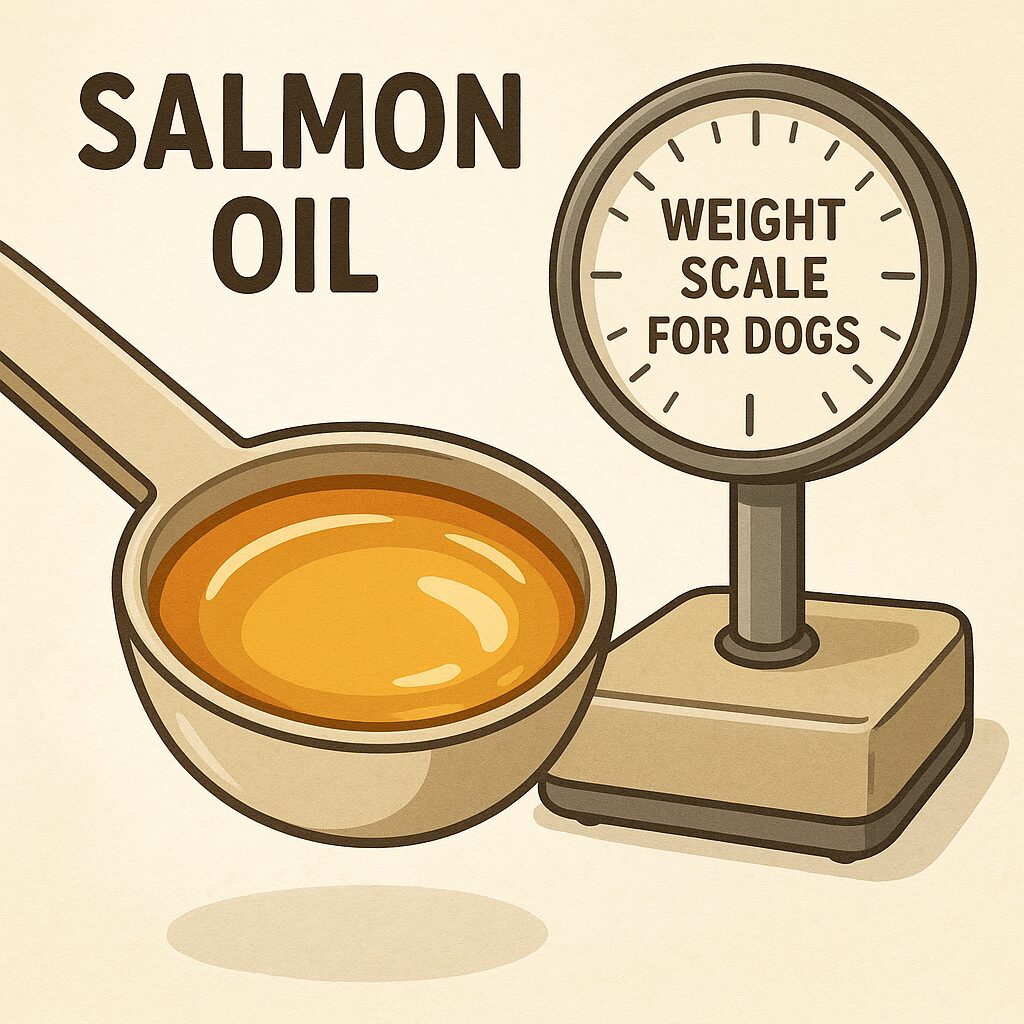
Each dog has its own tolerance and its need varies according to age, size, and activity level. An overdose can cause digestive disorders or changes in blood clotting. To establish a precise plan, body weight is taken into account and the dose is gradually increased during the first week, observing the animal’s reaction.
| Dog’s weight | Daily dosage |
|---|---|
| 0–4.5 kg | 0.5 ml |
| 4.5–9 kg | 1 ml |
| 9–22 kg | 2 ml |
| 22–45 kg | 4 ml |
| Over 45 kg | 6 ml |
Precautions and contraindications
Some dogs have increased sensitivity to lipid components. You may notice softer stools or a slight fishy odor if the intestine struggles to assimilate the oil. In case of anticoagulants or bleeding disorders, omega-3 intake must be supervised by a veterinarian. For a balanced diet, also watch out for fruits forbidden to dogs that could worsen gastrointestinal sensitivity. It is not recommended to combine salmon oil with supplements rich in dates, especially if your pet reacts poorly, as illustrated by some feedback on dates.
- Allergies: observe the skin and coat.
- Overdose: risk of diarrhea or bleeding.
- Interaction: check ongoing treatments.
- Storage: keep away from light and heat.
How to choose and administer salmon oil
The market offers very varied bottles: organic, from sustainable farms, or containing additives. Prefer oil certified free of heavy metals and in opaque packaging. Cold-pressed and gently pressed, it retains its range of natural antioxidants. For administration, you can pour it directly on the ration, mix it with pâté, or incorporate it into a homemade meal made of steamed vegetables and whole rice. The trick is to split the intake into two, morning and evening, for optimal assimilation.
Expected results and monitoring
After one month, you should notice a denser and shinier coat. Some dogs show a resurgence of energy, others a reduction in joint cracking. Note every change in a notebook or a veterinary monitoring app: weight, stool appearance, mobility. This allows adjusting the dosage down or up. If relief is real, the treatment can be extended for 3 to 6 months, then a break of a few weeks can be evaluated.
FAQ
What salmon oil dosage for a 10 kg dog?
For a 10 kg dog, the daily dose is around 2 ml, about a teaspoon. You start with 1 ml the first week to gauge tolerance, then gradually increase.
Can salmon oil be given to puppies?
Yes, from 8 weeks old, provided the dose is halved and digestion is observed. Growing puppies benefit from omega-3 for brain and bone development, but their metabolism remains fragile.
Does salmon oil make the dog gain weight?
No, if the dosage is respected: salmon oil provides lipids, but it often replaces other lower quality fats in the diet. A balanced ration prevents excessive weight gain.
How to store salmon oil?
After opening, place the bottle in a cool place and away from light. A resealable and opaque bottle extends the shelf life to about 3 months. Some natural preservatives, such as vitamin E, also protect against oxidation.