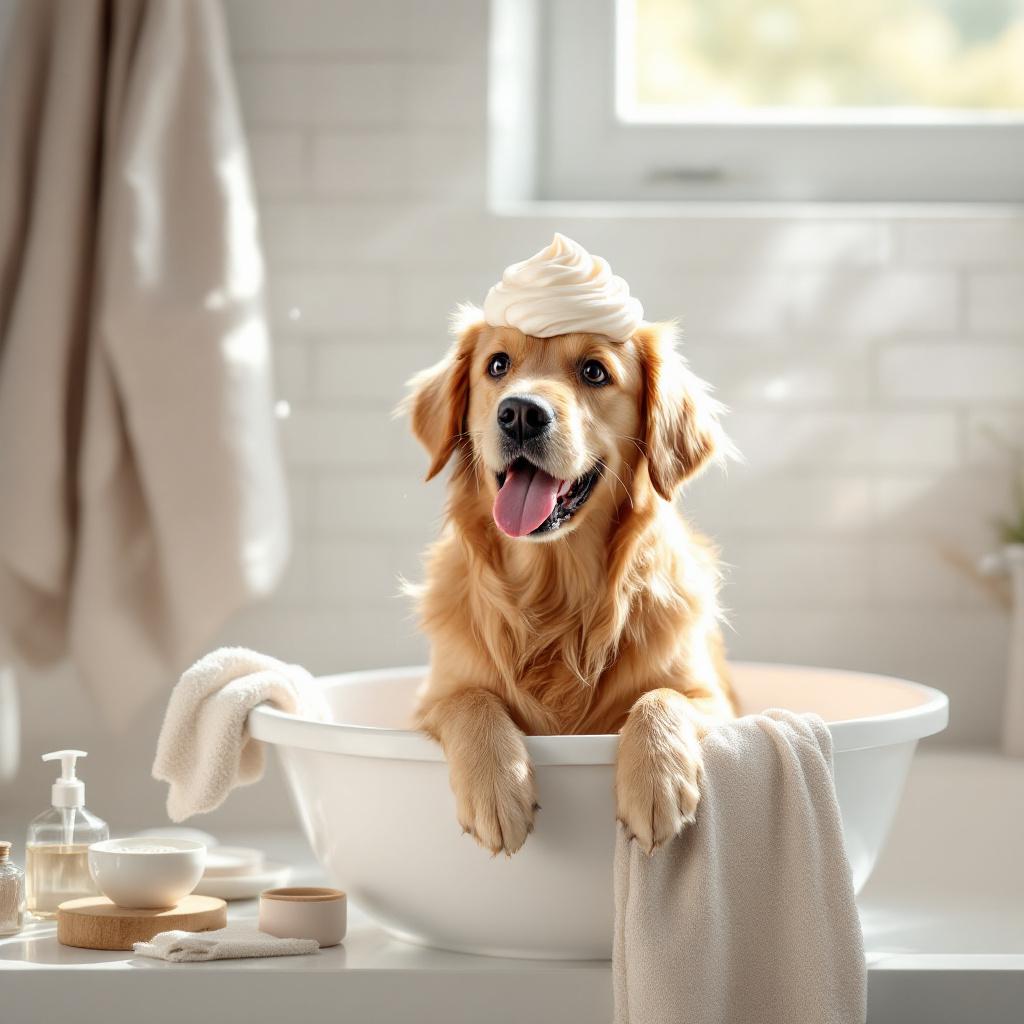
Giving a puppy its first bath can seem intimidating, but with the right method and a bit of patience, this experience becomes a moment of bonding. This detailed tutorial offers a clear sequence of actions, from product selection to drying, to ensure an effective and pleasant bath.
Why wash a puppy?
A puppy’s hygiene contributes to its health and well-being. Regular baths remove dirt, parasites, and excess sebum, while strengthening the trust bond between the animal and its owner. When done properly, the bath becomes a positive routine, preparing the puppy for other care (brushing, nail trimming, etc.).
In brief
🐾 Preparation: adapt the space, temperature, and choose a gentle shampoo for puppies.
🛁 Key steps: gradual wetting, shampoo application, careful rinsing, then drying using a towel and/or a warm air dryer.
🎁 Calming: reward the puppy, speak calmly, and turn each gesture into a game.
📅 Frequency: one bath every 4 to 6 weeks maximum, or after particularly dirty outings.
1. Prepare the bath
Good preparation avoids stress and surprises. The space must be secure, without obstacles where the puppy could slip or get hurt. Choose a warm room, without drafts, or opt for a bathtub at a reasonable height.
1.1 Choose the ideal location
- Bathroom: non-slip tiled floor, access to hot water.
- Pet basin: smaller, makes it easier to control the puppy.
- Raised sink: suitable for small puppies, reduces owner fatigue.
1.2 Necessary materials
- Shampoo formulated for puppies (hypoallergenic, paraben-free).
- Soft and absorbent towels.
- Washcloths for a gentle massage.
- Warm water spray (if possible) for controlled rinsing.
- A soft-bristle brush to detangle before or after the bath.
2. Detailed bath steps
Each step of the bath deserves attention: the puppy’s safety comes before speed. Respect its pace and adapt the duration to avoid overwhelming it.
2.1 Wet gently
Start by sprinkling the puppy’s back from a distance of 20–30 cm to prevent a thermal shock. Avoid the head at first: the face is more sensitive and can trigger sudden panic.
2.2 Shampoo application and massage
Take a small amount of shampoo and spread it on the fur by gently combing towards the skin. The circular massage activates microcirculation and contributes to a moment of relaxation. Focus on areas that hold the most dirt (paws, armpits, base of the tail).
2.3 Thorough rinsing
Rinse with clear water until all foam residues have completely disappeared. Puppy shampoos, even gentle ones, can irritate the skin if not rinsed properly. Use a bowl or a spray bottle to reach the folds and the abdominal area.
2.4 Appropriate drying
Immediately blot the puppy with a soft towel and dab the wet areas. If your puppy tolerates air, a hairdryer set to warm and low power can be used at a distance to finish drying without burning its delicate skin.
3. Tips for a stress-free puppy
Puppy stress is primarily minimized by the tone of your voice and your attitude. Adopt a relaxed posture and speak to it gently.
3.1 Create a positive ritual
- Offer a treat just before and after the bath.
- Sing or speak softly during the wash to reassure it.
- Always associate bath time with cuddles: the puppy eventually anticipates a moment of tenderness.
3.2 Frequency and hygiene
An adult dog is bathed on average every 6 to 8 weeks, but a puppy may require more vigilance. Between baths, brush it regularly to remove dust and dead hair. For more details on the best schedule and the appropriate method, consult this comprehensive guide.
4. Comparison of puppy shampoos
| Type | Advantages | Disadvantages |
|---|---|---|
| Hypoallergenic | Sensitive skin, reduces irritation | Less foaming |
| Oatmeal | Soothing effect, good hydration | Softer scent, frequent renewal |
| Mild anti-flea | Protects against parasites | Recommended for occasional use |
“A well-prepared and gently conducted bath facilitates the puppy’s acceptance and prevents future resistance.” – Dr. Caroline Martin, veterinary behaviorist
5. Precautions and mistakes to avoid
- Never use human shampoo: the pH differs and can irritate the puppy’s skin.
- Do not let water stagnate to avoid cracks or fungi.
- Avoid a water jet that is too strong as it can frighten or injure.
- Monitor the temperature: neither cold nor scalding.
6. When to consult a professional?
If your puppy shows allergic reactions (redness, itching), or if its skin seems fragile, do not hesitate to make an appointment with a veterinarian. A professional can recommend a specific product or special care, especially in cases of dermatitis or parasitosis.
FAQ
From what age can I give my puppy a bath?
The first bath is possible from two months old, once the first vaccinations have been administered and the puppy tolerates an ambient temperature above 20 °C.
Should the shampoo be rinsed off with cold or lukewarm water?
Ideally, the water should be lukewarm (between 37 °C and 39 °C): it respects the puppy’s body temperature while being comfortable.
How to dry a puppy that does not like the noise of the hairdryer?
Prefer towel drying, then let him shake off in a safe place. Offer a reward to thank him for his patience.
How often should the puppy be brushed between baths?
Two to three times a week is enough to remove dead hair and dirt. Daily brushing is recommended for long-haired breeds.
Can a flea-infested puppy be washed at home?
In case of a heavy infestation, it is better to consult a veterinarian to define a specific protocol. An over-the-counter anti-flea shampoo is suitable for moderate infestations.