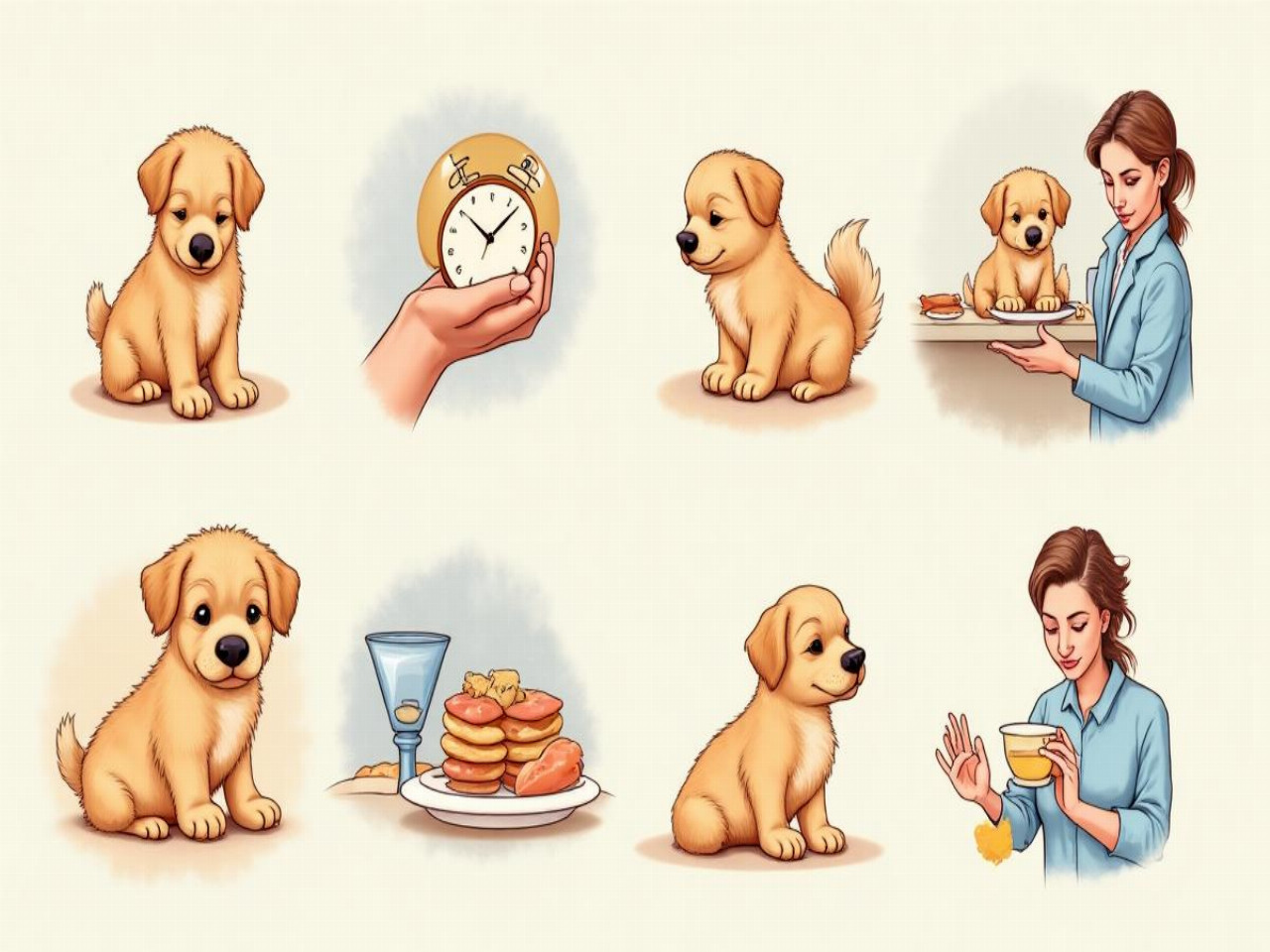
Welcoming a dog transforms a home, but this big leap often comes with unexpected pitfalls. Between choosing the animal, lifestyle, training methods, and care, every decision impacts your companion’s balance. Exploring these common mistakes means putting all the odds in your favor for a harmonious and lasting coexistence.
In Brief
😅 Choosing on a whim can lead to a dog poorly suited to your daily life and its own temperament.
🐕🦺 Overlooking socialization weakens its behavior towards strangers, other animals, or noisy situations.
🍲 Providing inappropriate food causes nutritional imbalances and digestive issues, often avoidable with simple adjustments.
⏰ Ignoring exercise routine causes boredom, separation anxiety, and sometimes destructive behaviors.
Mistake 1: Choosing Your Dog Impulsively
Long-term Consequences
Hasty purchases, motivated by an overly cute photo or a promotion at a breeder, often leave the new owner helpless. Imagine a Great Dane housed in a 30 m² apartment: the animal suffers from lack of space and the owner from poorly managed responsibilities. Such an imbalance results in mutual stress and, in some cases, an early return to the shelter.
Strategies for an Informed Choice
- Define your daily activity level (walks, dog sports). Match it with the breed or mix considered.
- Meet several breeders or shelters, vary profiles (size, age, temperament) to refine your preference.
- Spend time with a mentor or dog trainer who can guide you on compatibility between your lifestyle and the dog.
Mistake 2: Neglecting Socialization
An Unbalanced Temperament
Without gradual exposure to new sounds, places, faces, or animals, the puppy sees every stranger as a threat. It then develops irrational fears — for example, uncontrolled barking at the mail carrier or extreme stress during a veterinary visit. A poorly socialized dog remains tense, even during walks, complicating life for both the owner and the animal.
Steps for Successful Socialization
- Offer short and positive encounters from the first weeks, indoors or in a quiet place.
- Use rewards (treats, petting) to associate each new experience with something pleasant.
- Gradually introduce varied stimuli: urban noises, rolling objects (strollers, scooters), other dogs (of different sizes and temperaments).
Error 3: Offering an inappropriate diet
Imbalances and digestive disorders
Many owners give in to table scraps or switch from one brand of food to another without transition. These sudden changes can trigger vomiting, repeated diarrhea, or, in the long term, vitamin deficiencies. Some ingredients, such as onion or chocolate, are purely toxic and must absolutely be kept out of reach.
Good nutritional practices
- Establish a gradual diet: mix the old and new kibble over 7 to 10 days.
- Choose formulas adapted to age, breed, and activity level (puppy, junior, senior, athletic).
- Consult the veterinarian for a nutritional assessment and some personalized recommendations.
Error 4: Underestimating the need for exercise
Boredom, hyperactivity, and destructive behaviors
Sometimes people believe that a few minutes of play is enough. However, exercise must meet the energy needs specific to each dog. A Border Collie requires much more intense sessions than a Basset Hound. Otherwise, frustration sets in, and furniture, stuffed toys, or shoes become targets of misdirected play.
Building an appropriate physical routine
- Plan two to three daily outings, including walking, running, and fetch games (balls or frisbees).
- Consider group canine activities: agility, tracking, cani-cross depending on age and physical condition.
- Observe post-exercise behavior to adjust intensity and duration.
Error 5: Lacking consistency in training
Contradictory messages and confusion
If one family member allows the dog on the couch while another forbids it, the dog remains uncertain. With shifting rules, it wavers between obedience and disobedience, which damages the owner-dog relationship. A command poorly reinforced (erratic reward) quickly loses its effectiveness.
Aligning learning protocols
- Establish a common vocabulary: same word for the same action, always pronounced the same way.
- Gather the whole family for an educational “briefing”: meal times, allowed areas, walking instructions.
- Adopt systematic positive reinforcement, immediately rewarding every good behavior.
Error 6: Delaying preventive medical care
Infectious risks and avoidable extra costs
Ignoring a simple vaccine booster exposes your companion to parvovirus, kennel cough, or rabies depending on the region. Likewise, neglecting early detection of internal parasites (worms) or external parasites (fleas, ticks) can make treatment heavier, even endangering the dog’s life.
Health schedule and regular follow-ups
- Schedule annual veterinary visits for a complete check-up (blood test, oral check, parasite detection).
- Keep a vaccination record handy and ensure boosters are done before expiration.
- Implement parasite control using products adapted to age and weight.
Error 7: Overlooking the impact of the environment and stress
Feeling of insecurity and separation anxiety
A noisy environment, a prolonged absence, or a sudden change (moving, arrival of a child) create tension. In response, a dog may exhibit escape behaviors, continuous whining, or even destruction motivated by anxiety.
Create a reassuring and stable space
- Dedicate a quiet corner with a bed, some toys, and a piece of clothing soaked with your scent.
- Establish a departure ritual: petting, soothing words, and a gradual exit to limit absence-related stress.
- Consider consulting a canine osteopath or a behavior professional if signs of anxiety persist.
FAQ
Q1: At what age should I start socializing my puppy?
Ideally from 3 weeks, but it is between 3 and 12 weeks that exposure to the world is most effective. Every new encounter, even brief, strengthens their confidence.
Q2: How can I tell if my dog has a balanced diet?
A shiny coat, a stable energy level, and regular stools with a firm appearance indicate good nutritional balance. Veterinary check-ups also confirm this balance.
Q3: What signs indicate separation anxiety?
Whining, repeated barking in your absence, excessive salivation, or attempts to escape are all warning signs. Appropriate arrangements and mental exercises can alleviate these symptoms.
Q4: Is it necessary to consult a dog trainer?
For any persistent difficulty (aggressiveness, obsessive disorders, marked fears), a professional can offer personalized support and accelerate progress.