
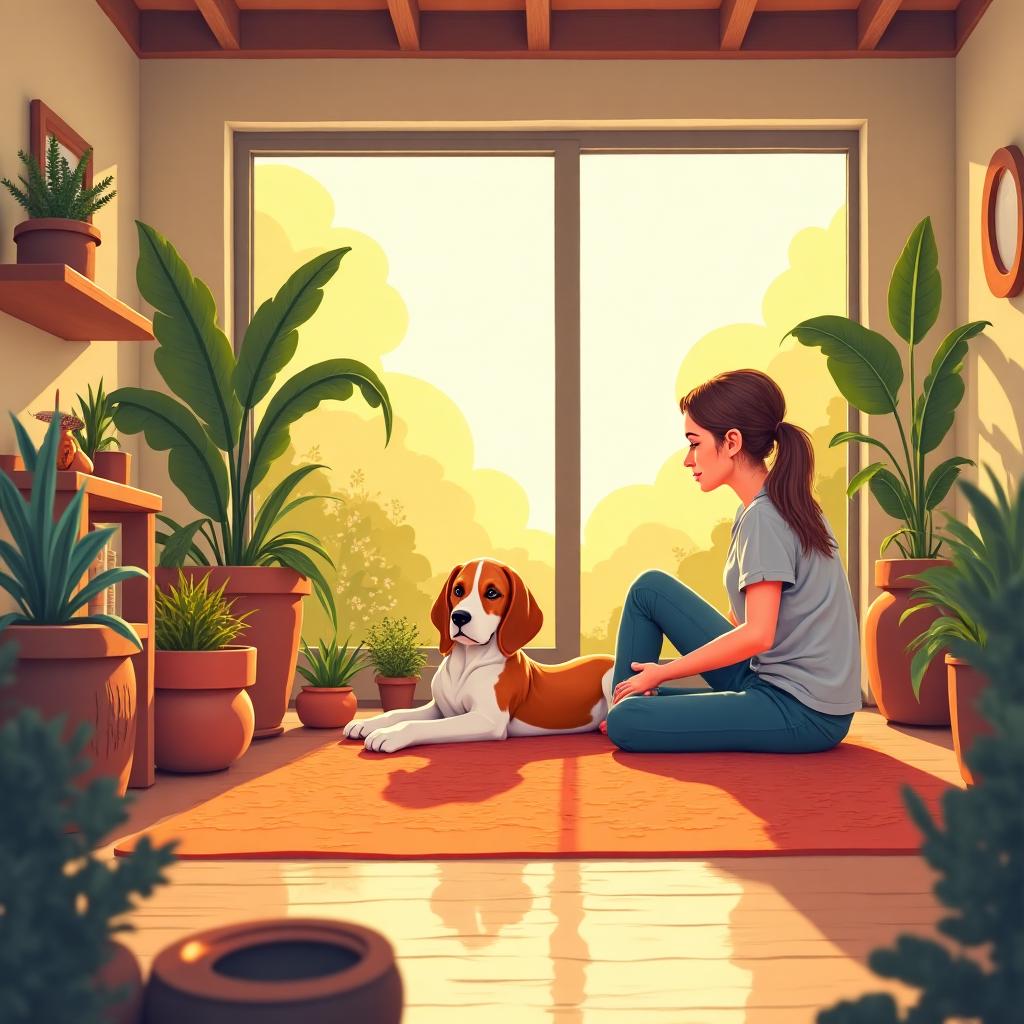
Generally, a dog can stay about 7 to 10 days in boarding without experiencing significant stress, provided there is good preparation and appropriate monitoring. Beyond that, it is advisable to reassess their behavior and plan intermediate visits to maintain their balance.
In brief
😊 Recommended duration: 7–10 days maximum for a stay without major tensions.
🐾 Key factors: age, temperament, habits, and quality of the boarding facility.
🔍 Preparation: prior visit, familiar belongings, and gradual adaptation.
📊 Monitoring: regular communication with staff and adjustments according to behavior.
The fundamental needs of a dog in boarding
A dog in boarding keeps the same reference points as at home: a daily routine, social interactions, and a reassuring environment. The absence of the owner remains sensitive, especially for very attached dogs.
Security and reference points
The stability of habits ensures a smoother transition. Some examples:
- Meals at the same times as at home
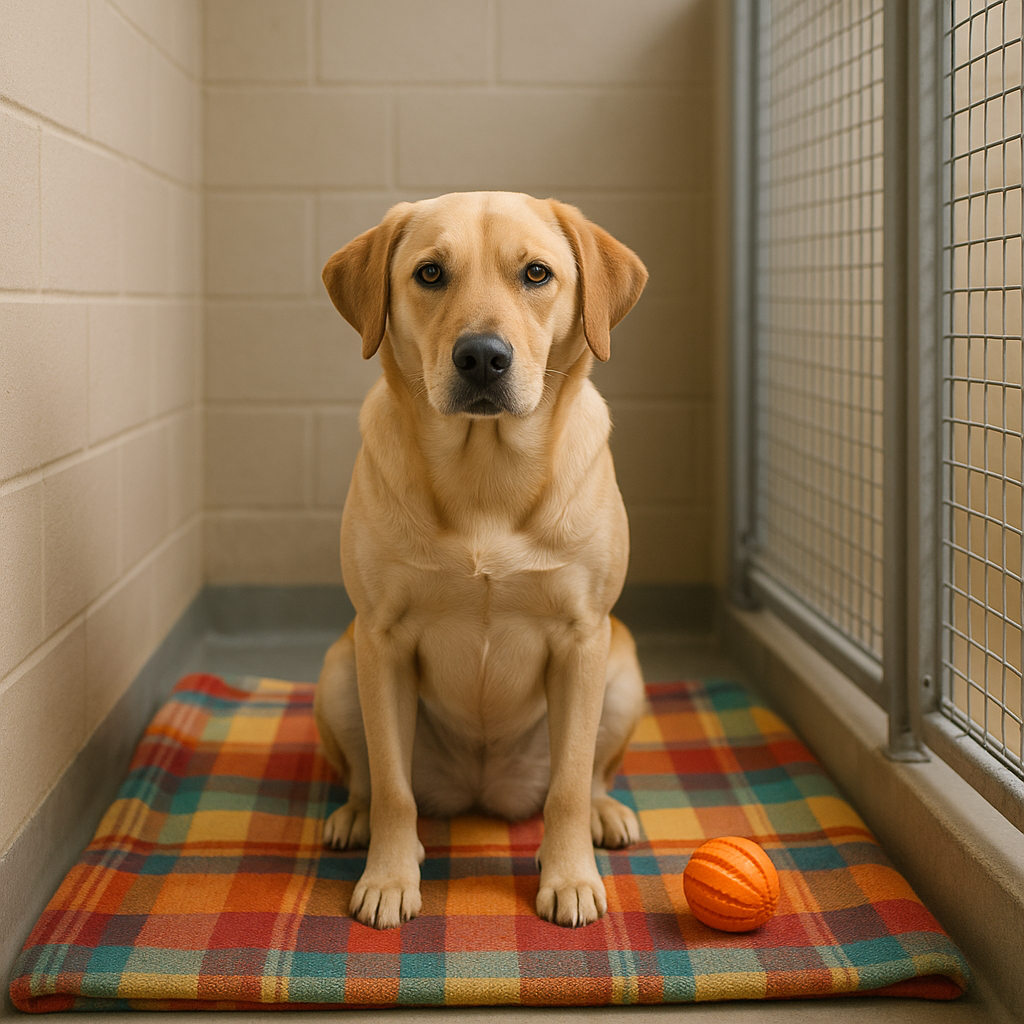
- Rest periods in an identified space
- Presence of familiar objects (blanket, toy)
This framework helps minimize anxiety related to the unknown.
Socialization and stimuli
Including group activities or individual walks directly affects morale. Dogs isolated for too long risk developing boredom or aggression. According to a study by the Nantes Veterinary Institute (2022), an animal stimulated at least twice a day remains calmer and more cooperative.
Ideal duration according to age and temperament
Each dog reacts differently to separation. Experience allows adjusting the length of the stay.
Puppies and young dogs
Puppies require closer monitoring. Up to 4 months, short sessions (2–3 days) are recommended to avoid early separation issues. From 6 months on, the duration can gradually be extended to 5–7 days.
Adults and seniors
A calm adult generally tolerates 7 to 10 days. For seniors, provided their health is stable, the same guideline applies, as long as their sleep schedules are respected and any possible health issues are taken into account.
Preparing boarding to reduce stress
A successful transition is prepared in advance. Refusals or incidents often occur due to lack of preparation.
Preliminary Visit and Gradual Adaptation
Discovering the place with the owner reassures the dog. Ideally:
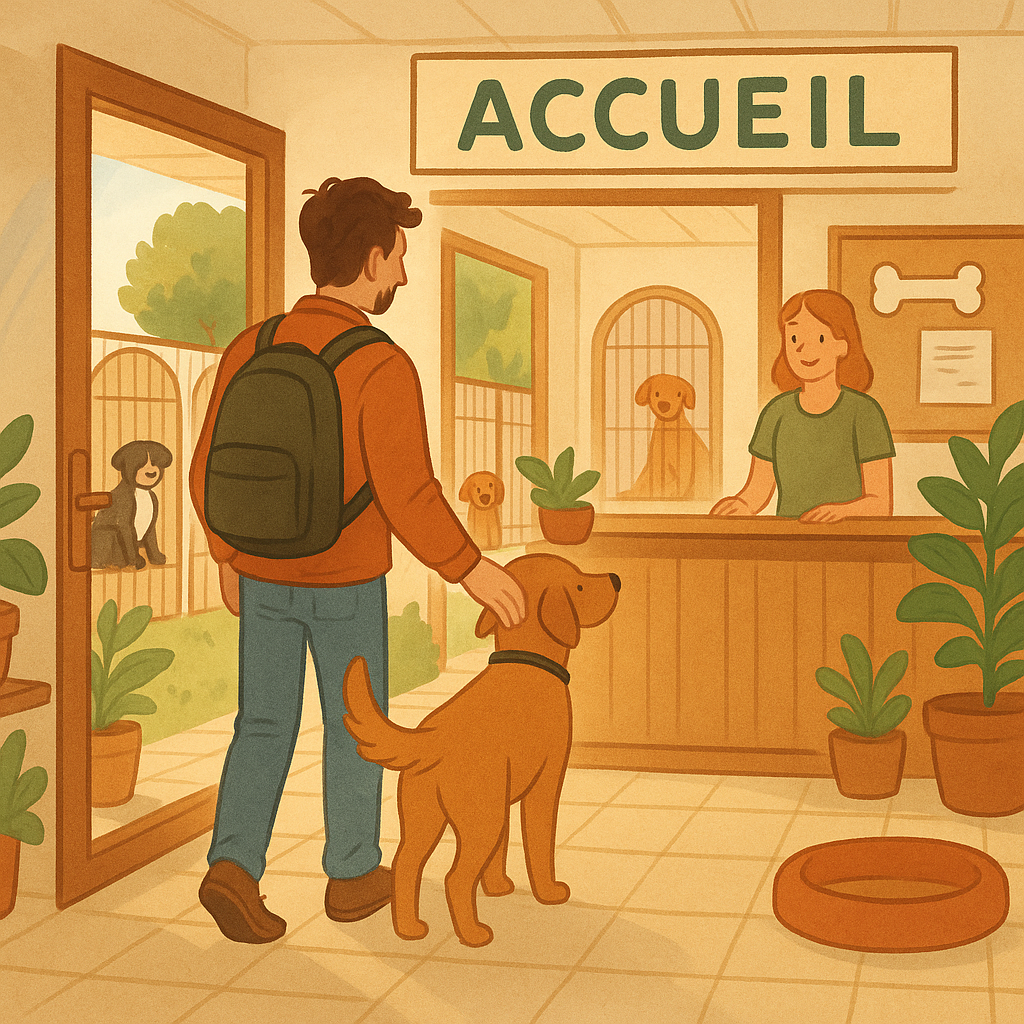
- A 30-minute visit to get familiar with the surroundings
- A short trial stay (1 night)
- A gradual increase in time according to the dog’s comfort
Personal Belongings and Routines
Providing the staff with the dog’s eating and walking habits avoids confusion. A detailed notebook, mentioning preferences and possible treats or toys, proves valuable.
Signs of Stress and Proactive Management
Quickly identifying discomfort prevents worsening. Staff must be attentive to unusual behaviors.
Observation and Communication with Staff
Some warning signs: persistent barking, refusal to eat, nighttime agitation. A daily exchange in the form of a brief report promotes reactive adaptation.
Soothing Solutions
Several methods work:
- Soothing pheromone diffuser
- Soft music or canine podcast
- Presence of cognitive games
Comparative Table of Recommended Durations
| Category | Max Duration Without Stress | Notes |
|---|---|---|
| Puppies < 4 months | 2–3 days | Close monitoring, limited fasting |
| Young (4–6 months) | 5–7 days | Gradual adaptation |
| Adults | 7–10 days | Preserved routines |
| Seniors | 7–10 days | Plan health breaks |
“I have seen dogs thrive in boarding when the preparation is thorough,” testifies Julie Martin, canine behaviorist in Paris.
FAQ
What preparation should be done before entrusting my dog?
Plan a half-hour visit, a short trial stay, and a detailed habits notebook.
Can a dog stay more than 10 days in boarding?
Beyond that, signs of boredom often appear; visits or split stays should then be planned.
How to recognize stress in my dog?
Excessive barking, refusal to eat, and agitation are the main indicators.
Should I bring my own toys?
Yes, familiar objects reassure the dog and facilitate adaptation.
Do boarding facilities offer activities?
Most offer walks, group games, and sometimes individual positive reinforcement sessions.