
| Key Points | Details to Remember |
|---|---|
| 🐶 Define the goal | Understand why cleanliness is established from the very first weeks |
| ⏱️ Adapted pace | Respect the puppy’s natural needs to limit mishaps |
| 🍖 Positive reinforcement | Use treats and encouragement to support every progress |
| 🛠️ Essential tools | Provide a training mat, a clicker, and a clear routine |
| 🚫 Common mistakes | Identify traps such as shouting or punitive isolation |
| 🔄 Patience and routine | Establish a stable organization to reassure your companion |

Your little puppy is discovering a world of new sensations, and among them, cleanliness is undoubtedly one of the most strategic challenges for the beginning of your life together. While one might think that simply letting the puppy “go outside” is enough, the truth is more nuanced: every approach, every reward shapes his future behavior. This comprehensive guide accompanies you step by step, from setting up a routine to the mistakes that slow progress, so you can approach this stage with serenity.
Why is cleanliness a fundamental issue?
Beyond the hygienic aspect, teaching cleanliness to your puppy strengthens your bond. When he understands where and when to relieve himself, he gains confidence and autonomy. You, on your side, avoid stress and constant cleaning. It is a kind of alchemy between his need for security and your ability to support him. Overall, the balance of the two is the key to crossing this stage smoothly.
Proven methods to guide your puppy
1. The outing routine
The tiny digestive system of a puppy works like a clock: you quickly identify the times when he needs to express himself. Generally, it is just after waking up, meals, and intense play. Establishing a routine means taking him systematically to the same place, at regular times. There, you wait patiently, do not force him, and praise him as soon as he relieves himself. Little by little, he associates the place with the act.
2. Positive reinforcement
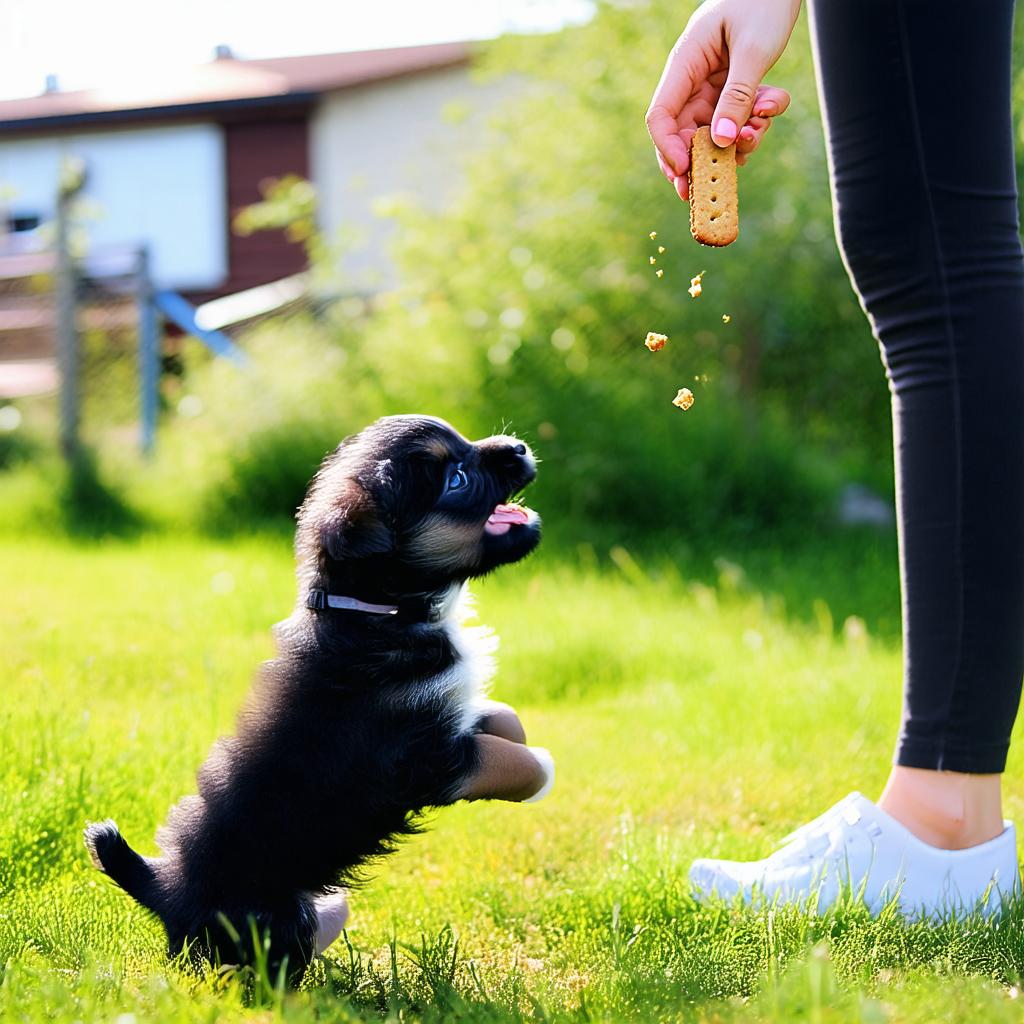
One might think that punishment has a deterrent effect, but in practice, it generates confusion and fear. Conversely, positive reinforcement creates motivation: a treat, a pet, a kind word spoken immediately after the act. The puppy thus understands what he must repeat. The icing on the cake: this learning makes him more willing to cooperate for other basic commands.

3. Set up a dedicated cleanliness area
Whether you live in a house or an apartment, designate a specific space: a synthetic grass corner, an absorbent mat, or newspapers. Sometimes a small tray is installed there. The idea is that the puppy immediately associates this space with the act. After a few days, you gradually reduce the available surface until only a small area remains: it is very visual and accelerates understanding.
Errors to Avoid
In this crucial step, some mistakes are so common that they risk blocking the process:
- Ignoring warning signs: pacing, intense sniffing.
- Shouting or using violence: the puppy will no longer trust you, it will hold back at the risk of becoming ill.
- Constantly changing the location: it loses its bearings and does not integrate the correct area.
- Overprotecting by immediately cleaning the scent: the puppy’s instinct drives it to return to the same spot.
- Forgetting that patience is essential: every puppy progresses at its own pace.
Additional Tips to Facilitate Learning
Beyond the basics, some ideas make all the difference:
- Set up a visual timer for children, so they know exactly when to take the puppy out again.
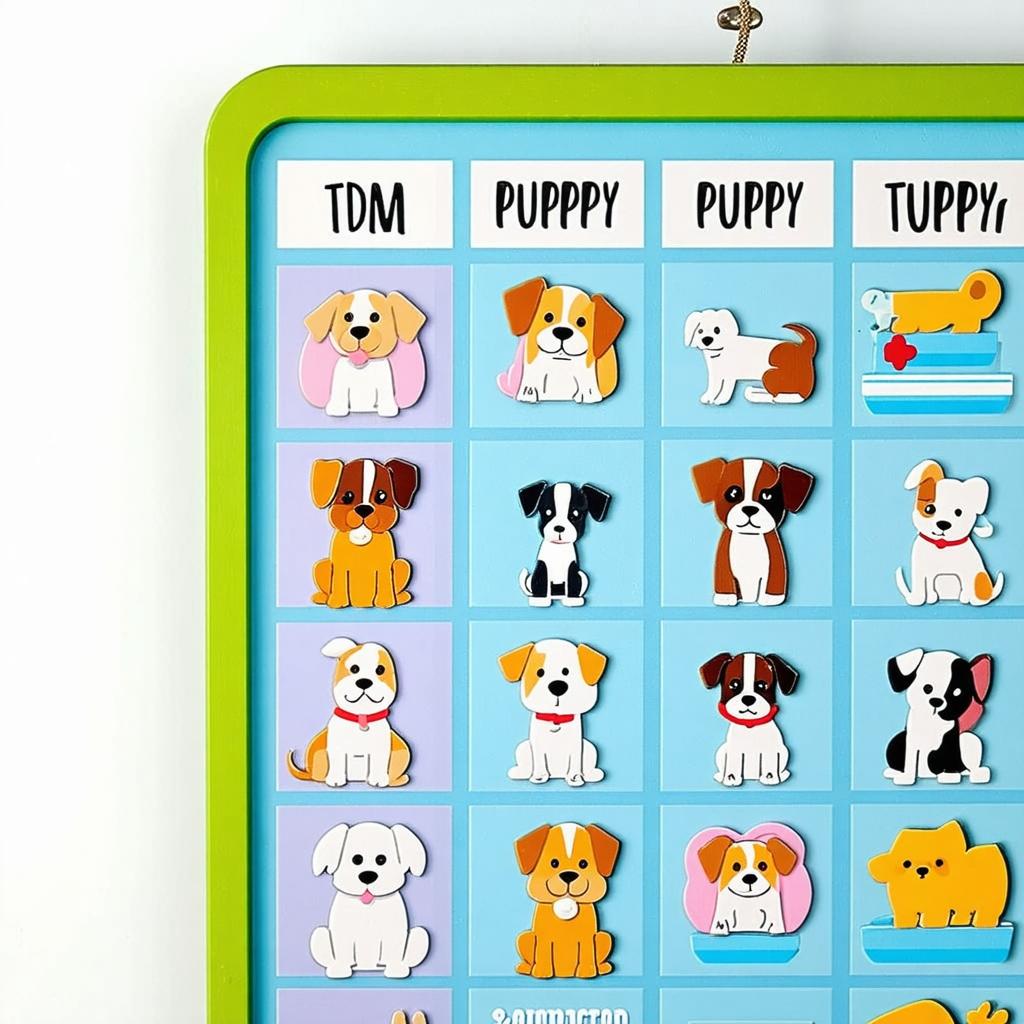
- Create a tracking chart with colored stickers, to quickly see progress week after week.
- Vary the treats: a puppy gets bored quickly, and the treat remains a powerful motivator.
- Observe another clean dog: mimicry can work.
- Use a clicker to reinforce the precision of the message.
FAQ: Your Frequently Asked Questions
When to start house training?
Ideally as soon as the puppy arrives home, around 8 weeks old: this way, the training is associated with discovering the place. The earlier you lay the right foundations, the faster the puppy understands.
How to react to small indoor accidents?
No theatrical scenes! Clean discreetly with an enzymatic product, then redirect the puppy to its area. Restart the routine without dramatizing.
Which tools are really essential?
A mat or a grass corner, varied treats, a clicker if you want to be precise, and above all good timing to listen to your puppy’s signals.