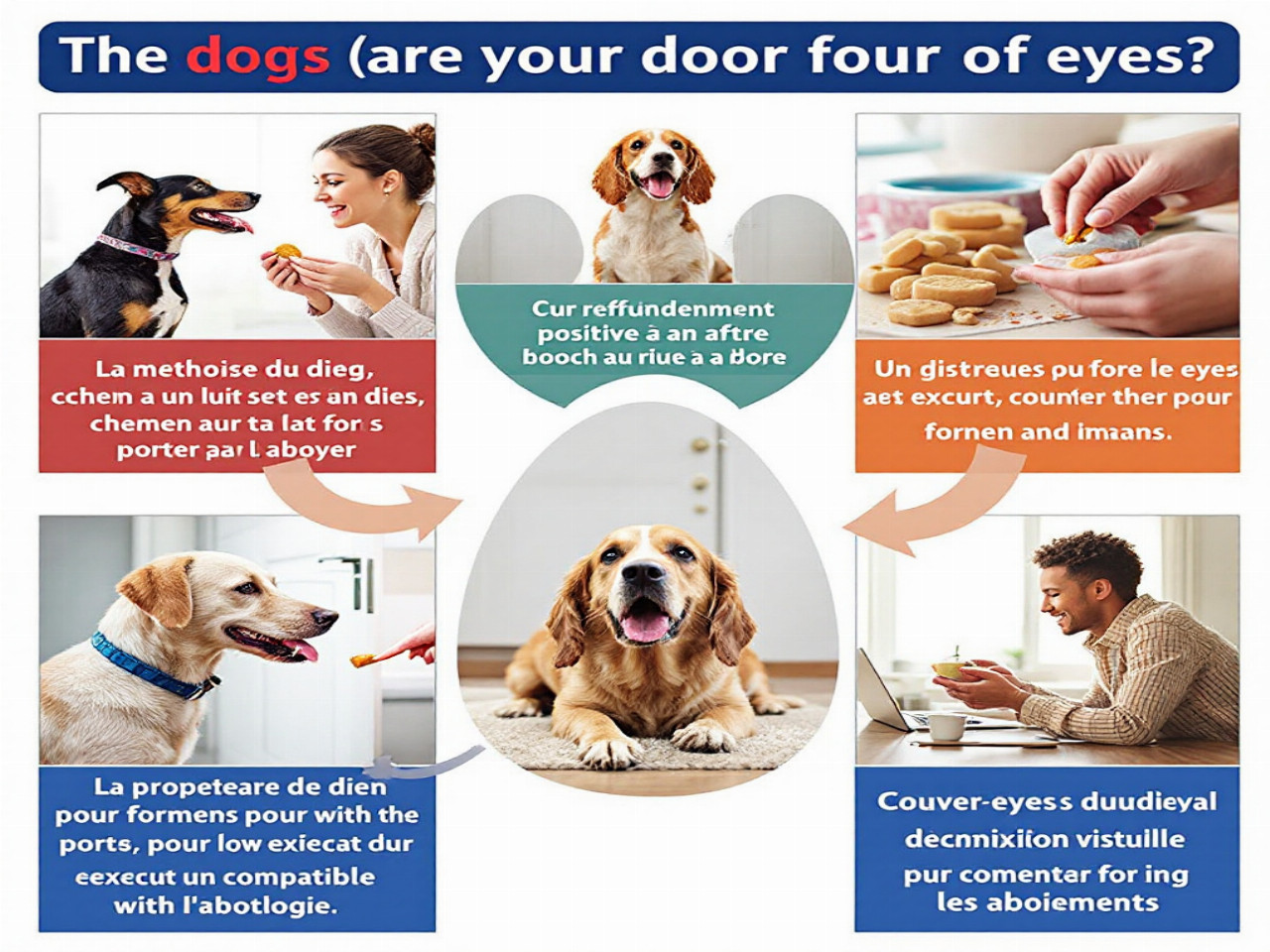
Is your dog barking too much? Before resorting to an anti-bark collar or raising your voice, why not explore gentler approaches based on positive reinforcement? This article reviews five proven methods to transform excessive barking into peaceful silence, while strengthening the bond of trust with your four-legged companion.
Why does positive reinforcement work against barking?
It is often said that punishment stops a behavior, but in reality, it generates anxiety and misunderstanding in the dog. With positive reinforcement, the idea is: “what is rewarded tends to be repeated.” By targeting moments when your dog is quiet or adopts a calming behavior, you encourage him to favor these attitudes. The result? Less barking, more mutual trust, and a dog who understands what you expect from him, without unnecessary stress.
“Positive reinforcement is a bit like teaching politeness to a child through compliments rather than spankings.”
The 5 detailed positive reinforcement methods
Method 1: systematic reward of calm
Imagine your dog in the garden, about to bark at the mail carrier. If instead he looks away or sits down, that’s the right moment to intervene! Offer him a treat or a kind word, immediately signaling that silence is rewarding. Over repeated sessions, he will understand that every moment of calm earns him a small victory (and a treat).
- Tip: keep small pocket rewards handy so you never run out of tools.
- Variation: replace treats with petting or a favorite toy.
- Note: make sure to reward within the second following the calming behavior, otherwise the dog won’t make the connection.
Method 2: cognitive redirection through play
When your dog gets excited and barks, immediately offer him a stimulating activity: a game of hide-and-seek or a ball to fetch. This technique doesn’t just stop the barking: it occupies his mind and tires his body. In reality, the dog who plays quickly forgets why he was growling in the first place; the stress naturally subsides.
To maximize the effect, organize short but intense sessions just after he starts barking. You will see that over days, he spontaneously chooses to play as soon as he feels the excitement rising.
Method 3: sound counter-conditioning
The dog often barks in reaction to a stimulus – doorbell, horn, neighborhood noises. Counter-conditioning reverses the pattern: with each trigger sound, you associate a reward. For example, as soon as the doorbell rings, offer a treat even before he barks. Repeat this exercise while gradually increasing the sound volume. Eventually, your dog will associate the noise not with danger, but with a pleasant moment.
| Sound level | Recommended action | Suggested reward |
|---|---|---|
| Low (🐦 birds) | Offer a gentle verbal recall | A light treat |
| Medium (🔔 doorbell) | Immediately present a tasty bite | Gourmet kibble |
| High (🚗 horn) | Avoid escalation, calm with a soothing voice | Chew toy |
Method 4: the “sit-calm” function as an alternative
Rather than silencing a dog, give him a mission: “sit” or “lie down” position. You channel his energy toward a specific behavior. Instead of barking, he stays folded on his paws or lying down. Each time he executes this command without making noise, praise him at length and offer a reward. One might think it’s too simple, but it is by repeating the command that the dog integrates the alternative to the noise.
- Start in a calm environment, then diversify the locations.
- Gradually increase the duration of the position before the reward.
- Combine this method with a visual signal (a hand gesture) to anticipate the command.
Method 5: Delayed Reward and the “Bonus” Effect
Immediate reward is effective, but delayed reward adds a layer of sophistication: your dog must remain calm longer to unlock the treat. For example, if he stays quiet for a minute after receiving your “Stop” command, offer him a bigger reward or an extended playtime. This “bonus effect” encourages patience and reduces impulsivity. The dog learns not only to be silent but also to wait and control his emotions.
In practice, start a mental timer – or better yet, a timer app – and guard against impatience by always keeping several types of rewards on hand (treats, petting, balls…).
Summary Table of Methods
| Method | Core Principle | Main Advantage | When to Use |
|---|---|---|---|
| Calmness Reward | Reinforce silence | Fast learning | Indoors and outdoors |
| Redirecting Play | Cognitive exercise | Channels energy | In case of excessive excitement |
| Sound Counter-Conditioning | Associate noise with pleasure | Gradual desensitization | For recurring noises |
| “Sit-Calm” Function | Alternative command | Clear communication | When calling the dog |
| Delayed Reward | Patience and control | Strengthens self-control | After several attempts |
Tips for Optimal Implementation
- Patience and consistency: the dog does not acquire a behavior overnight; expect several weeks.
- Appropriate equipment: varied toys, quality treats, clicker if you like classical conditioning.
- Controlled environment: quiet space to start, then gradual transition to more stimulating places.
- Close observation: spot signs of stress or boredom in your dog to adjust the method.
FAQ on Positive Reinforcement and Barking
1. How long does it take to see the first results?
Every dog is unique, but noticeable progress is generally observed after 2 to 4 weeks of regular work. Some more sensitive dogs react within a few days, others require a bit more perseverance.
2. Is positive reinforcement always enough?
In most cases, yes! However, if barking stems from separation anxiety or intense fear, behavioral support may be necessary. Positive reinforcement remains a cornerstone but can be combined with other therapeutic approaches.
3. Should I punish my dog if he keeps barking?
No. Punishments risk creating confusion or fear, which can worsen barking. Focus on rewarding the desired behavior and politely ignore excesses until calm is achieved.
4. Can I use a clicker for these methods?
Absolutely! The clicker provides a clear and precise signal at the moment the dog performs the correct behavior. Incorporate it into the calmness reward method or counter-conditioning; it’s a great ally.
5. Won’t treats make him greedy and obese?
Not if you choose low-calorie rewards (vegetables, light kibble) or divide portions of his daily ration. The idea is to reward often but lightly.