| Key Points | Details to Remember |
|---|---|
| 🐶 Definition | Small-sized dog with a powerful physique and characteristic egg-shaped head. |
| 💪 Morphology | Compact musculature, solid bone structure, athletic appearance. |
| 🎭 Temperament | Mischievousness and strong affection for the family, sometimes stubborn. |
| 🏃 Needs | Daily exercise and mental stimulation are essential. |
| 🩺 Health | Veterinary monitoring: ears, skin, joints, and teeth. |
| 🧑🏫 Education | Consistency and early socialization recommended for good balance. |

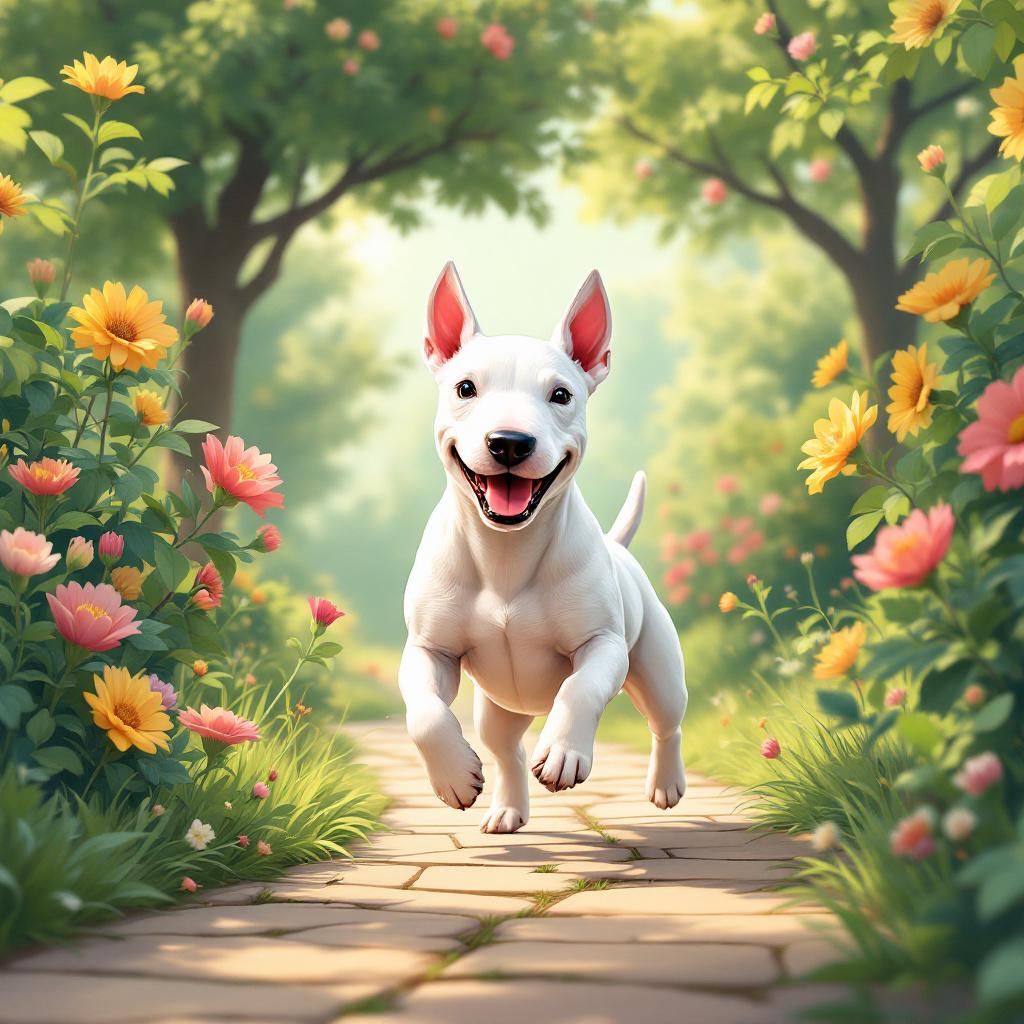
The Miniature Bull Terrier catches the eye even before you get to know it: stocky silhouette, egg-shaped head, gaze full of intelligence. Sometimes one expects a rough temperament given its physique, but the reality is more nuanced — a combination of assertive dynamism, a need for complicity, and irresistible humor. This article offers a practical and detailed overview: morphology, character, daily needs, health risks, and concrete advice for living happily with this compact and playful dog.
A unique physique: compact, muscular, immediately recognizable
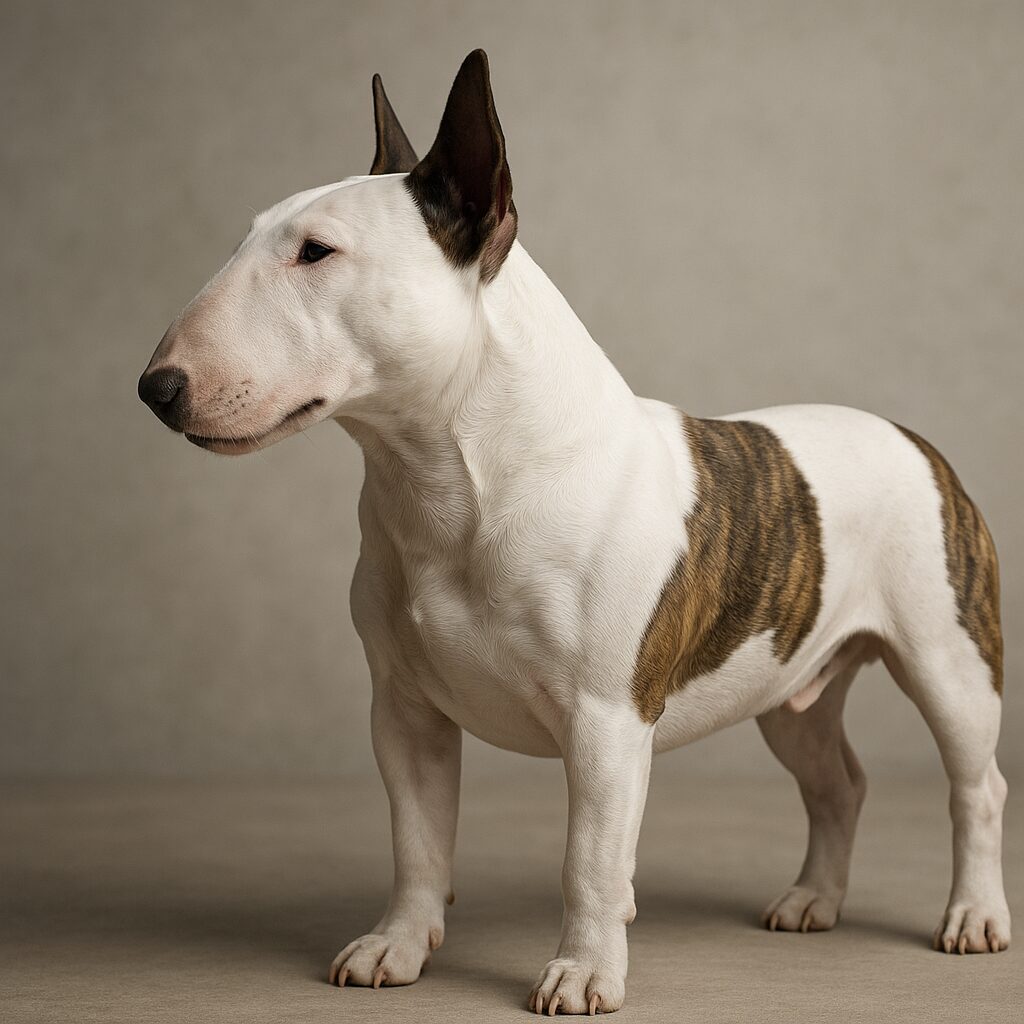
The Miniature Bull Terrier retains all the characteristics that make the breed immediately identifiable: rounded skull and convex profile, slightly slanted gaze, short but powerful body. The conformation gives an impression of contained strength: every muscle seems placed for reactivity rather than endurance. It is not a sled dog, but its size allows for quick accelerations and explosive play, often surprising in an animal of this size. The “egg-shaped” head is not just an aesthetic detail: it influences facial expression and reinforces the image of a mischievous face.
Proportions and standards
In practice, a Miniature Bull Terrier generally measures between 25 and 35 cm at the withers and weighs around 6 to 12 kg depending on bone structure and sex. The silhouette must remain harmonious: deep chest but not excessively wide, well-muscled front limbs and rear limbs providing a firm impulse. These proportions explain why the dog appears heavier than it really is — muscle density is the key to its compact appearance.
Temperament: mischievousness, loyalty, and character nuances

Calling the Miniature Bull Terrier “playful” is an understatement. It enjoys turning objects and routines into games, seeks stimulation, and loves to attract attention. However, beneath this facetious facade hides a deeply devoted dog: the relationship with its human is often lively and exclusive. It is not uncommon for it to develop affectionate rituals — coming to seek a hand to lick, a spot on the couch, or any form of physical complicity.
Family Compatibility and Socialization
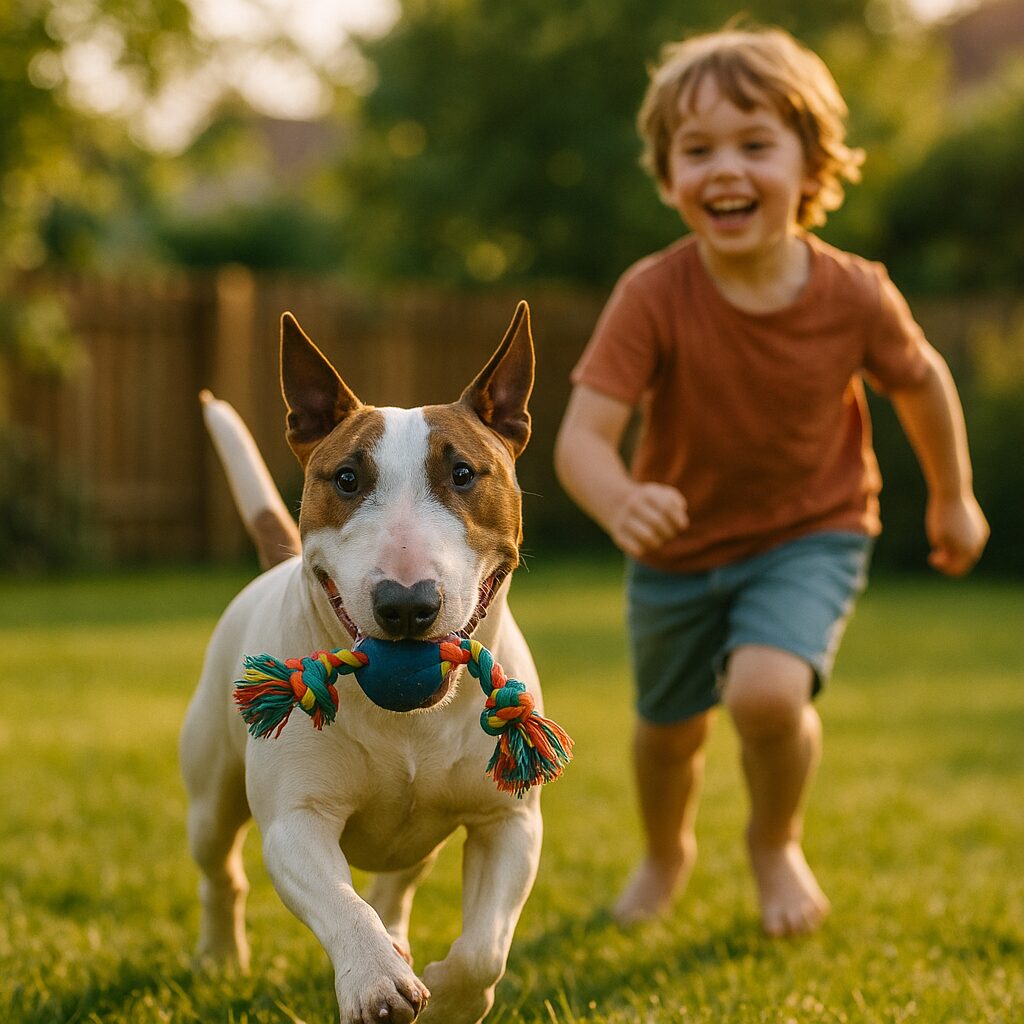
With children, the Miniature Bull Terrier can be a fantastic companion, but it all depends on mutual education: children must learn to respect the dog, and the dog must be socialized to channel its energy. Gradual exposure to different noises, people, and situations prevents excessive mistrust. Note that some individuals may develop a strong will of their own; gentle firmness and consistency are then more effective than punishment.
Exercise and Stimulation: Channeling Energy Without Restricting It
The balance of the Miniature Bull Terrier relies on two things: physical activity and mental stimulation. A well-paced daily walk is not always enough — intense play sessions, light agility courses, or fun obedience training will be necessary. These dogs enjoy taking on challenges, solving food puzzles, or participating in activities that combine speed and thinking.
- Dynamic walks: 30 to 45 minutes, varying the pace.
- Interactive games: fetch, hide-and-seek, scattered treats.
- Mental exercises: food puzzles, learning tricks.
How to Avoid Frustration?
Frustration arises when energy cannot be expressed. Undesirable behaviors then appear: chewing, digging, barking. The solution involves a predictable routine and voluntary exercise sessions. Starting the day with intense activity and ending with calm, cuddly moments helps regulate excitement. It is also important to vary stimuli: new routes, supervised canine meetings, thinking games.
Health and Specific Risks
Like any breed, the Miniature Bull Terrier has medical predispositions that require attention. Common problems include skin conditions (especially in light-skinned subjects), ear disorders if ears are not maintained, and dental problems related to a compact oral conformation. More serious but less frequent conditions, such as certain cardiomyopathies or muscular disorders, may occur: selection and prior veterinary examinations remain essential.
Prevention and Monitoring
Regular check-ups, up-to-date vaccinations, deworming, and dental care are fundamental. To limit skin risks: regular brushing adapted to short hair, care of folds, and sun protection for very light subjects. During exercise, vigilance regarding breathing and joint condition is useful: avoid extreme exertion in a growing young dog and adjust feeding to actual needs to prevent overweight.
| Characteristic | Indicative Value |
|---|---|
| Height | 25–35 cm at the withers |
| Weight | 6–12 kg |
| Life expectancy | 11–14 years |
| Coat maintenance | Low, weekly brushing |
| Daily exercise | 30–60 minutes + games |
Training: Methods, Tips, and Mistakes to Avoid
The key to balanced cohabitation lies in consistency. The Miniature Bull Terrier reacts poorly to contradictory signals; if the rule changes from one day to the next, it tests the limits. The positive method, reinforced by varied rewards, works very well because the dog likes to please itself. Learning should remain short and motivating: six sessions of two to five minutes per day are better than one monotonous hour.
- Positive reinforcement: treats, toys, affectionate feedback.
- Clear boundaries: no acceptance of dangerous or aggressive behaviors.
- Early socialization: exposure to people, noises, and other animals.
Working with a professional
For some stubborn subjects or those showing strong reactions, a dog trainer will help establish a framework without punitive escalation. Basic obedience exercises, combined with engagement games, reduce impulsivity. Where more docile breeds may be content with timid cues, the Miniature Bull Terrier requires clear and, above all, consistent communication.
Choosing a puppy or an adult: criteria to observe
If you are considering adoption, prioritize a breeder who performs health tests and offers behavioral follow-up of litters. Upon the puppy’s arrival, check its curiosity, reaction to petting, and interaction with siblings: a balanced puppy alternates play and rest, accepts being handled, and shows interest in humans. For an adult, ask for behavioral and medical history and request to see it during a walk.
The bond that some owners form with the standard Bull Terrier and the Miniature Bull Terrier often reveals character similarities: humor, inventiveness, and strong daily presence. These similarities help predict how the dog will integrate into an already active or more relaxed family.
Feeding and weight management
The diet must be adapted to age, activity level, and body type. A muscular Miniature Bull Terrier needs a quality protein intake to maintain muscle mass, but beware of excessive portions that promote weight gain and unnecessarily strain the joints. Rather than large meals, it is better to divide portions and favor premium kibble or controlled mixed feeding.
Supplements and prevention
According to veterinary advice, supplements for joint or skin health can be useful, especially for active subjects or those with sensitive skin. Vitamin E and certain omega-3s contribute to healthy skin, while an appropriate intake of calcium and phosphorus is important for growing youngsters.
Activity ideas and enrichment
To satisfy curiosity and energy, mix indoor games and outdoor activities. Low-impact agility, urban obstacle courses (stairs, sidewalks), and playful obedience workshops are well suited. Treat-dispensing toys and homemade hiding spots stimulate intelligence and reduce boredom.
Practical tip: establishing a “departure/return” routine (intense play before leaving, calm time upon return) limits separation anxiety in subjects attached to their human.
FAQ — Frequently Asked Questions
Is the Miniature Bull Terrier suitable for apartment living?
Yes, provided sufficient physical and mental exercise is ensured. Its compact size facilitates indoor living, but it must be compensated with dynamic walks and structured games to avoid destructive behaviors.
Is it good with other dogs?
It all depends on socialization and training. Generally, it can coexist with other dogs if it has been accustomed early to canine play and if introductions are gradual and controlled.
What is the average lifespan?
Expect about 11 to 14 years for a well-cared-for Miniature Bull Terrier. A suitable diet, regular veterinary check-ups, and moderate physical activity help to extend the years in good health.
How to manage stubborn or obstinate behavior?
The key is consistency: routines, clear rewards, and short exercises. If stubbornness persists, working with a trainer will help identify triggers and adjust methods without unnecessary confrontation.
Does the Miniature Bull Terrier shed a lot?
No, the breed has short hair that requires little maintenance. Weekly brushing is generally sufficient, except in cases of very sensitive individuals or seasonal shedding.