| Key points | Details to remember |
|---|---|
| 🐕 Definition | Versatile shepherd dog with a fawn coat |
| 🕰️ Origins | Belgium, Liège selection from the 19th century |
| 🎨 Morphology | Athletic build, dense and silky coat |
| 💡 Temperament | Intelligent, protective, sociable |
| 🛁 Maintenance | Regular brushing, daily physical activity |
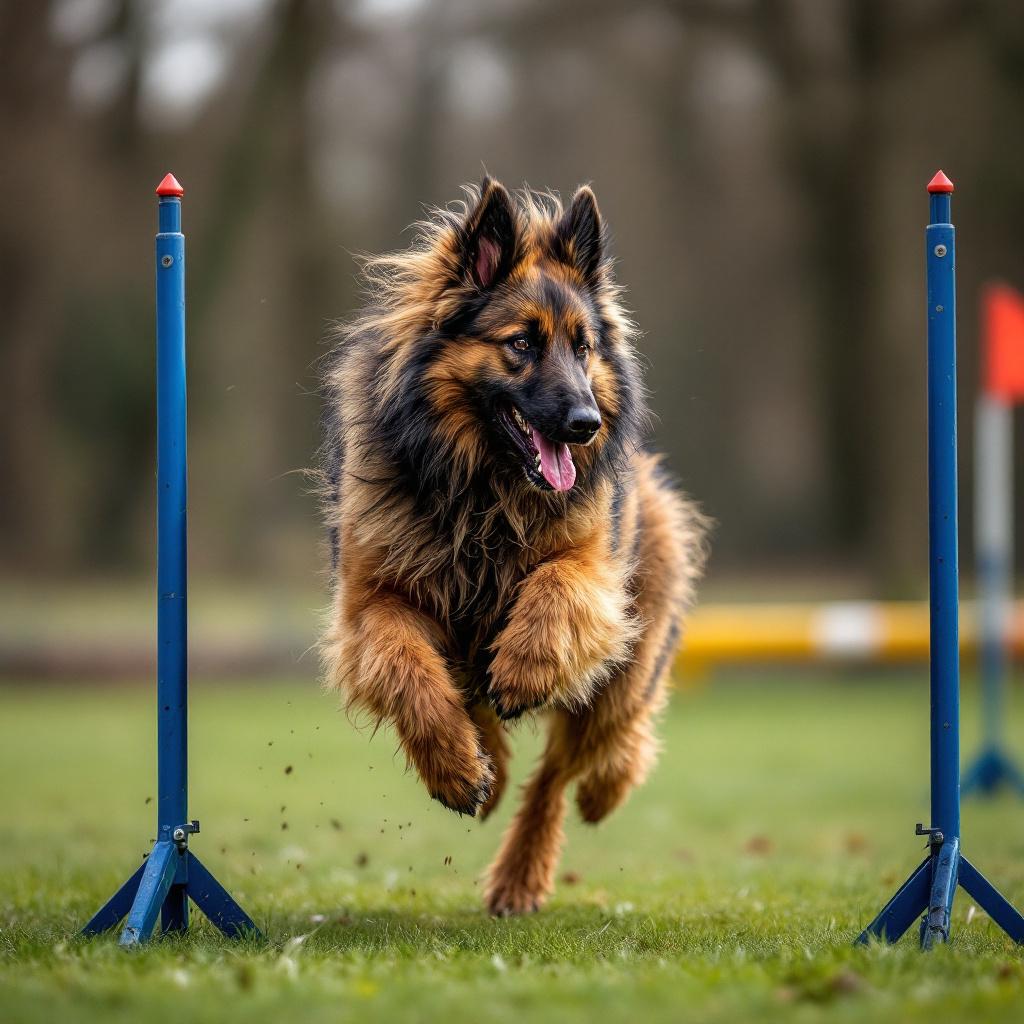
| 🎾 Activities | Agility, obedience, canine sports |
The Belgian Tervuren captivates with its proud bearing, its fawn coat with a silky curve, and that spark of intelligence that almost gives it a human look. Originating from Flanders and shaped as a shepherd dog, it has today won over active households who love canine challenges. Far from being just a graceful face, it carries within it the memory of herds, the energy of wide-open spaces, and an unwavering curiosity. Before succumbing to its charm, it is better to understand its temperament, its exercise needs, and the care adapted to its thick fur: here is everything you need to know to welcome a Belgian Tervuren into your home, in a spirit of complicity and mutual respect.
Origins and history
In the 19th century, Belgian shepherds were concerned with standardizing their herding dogs. Among these lineages, the Tervuren type, named after a region near Brussels, stands out for its longer hair and fawn coat. Quickly, the vigilant character and endurance of these dogs attracted the attention of passionate breeders. The Belgian canine club formalized its standard in 1891, then international bodies recognized it as a derivative of the Belgian shepherd alongside the Groenendael, Malinois, and Laekenois. Since then, the Tervuren has crossed Europe, not only as a sheep guardian but also as a sport and obedience dog.
From the herd to the sporting arena
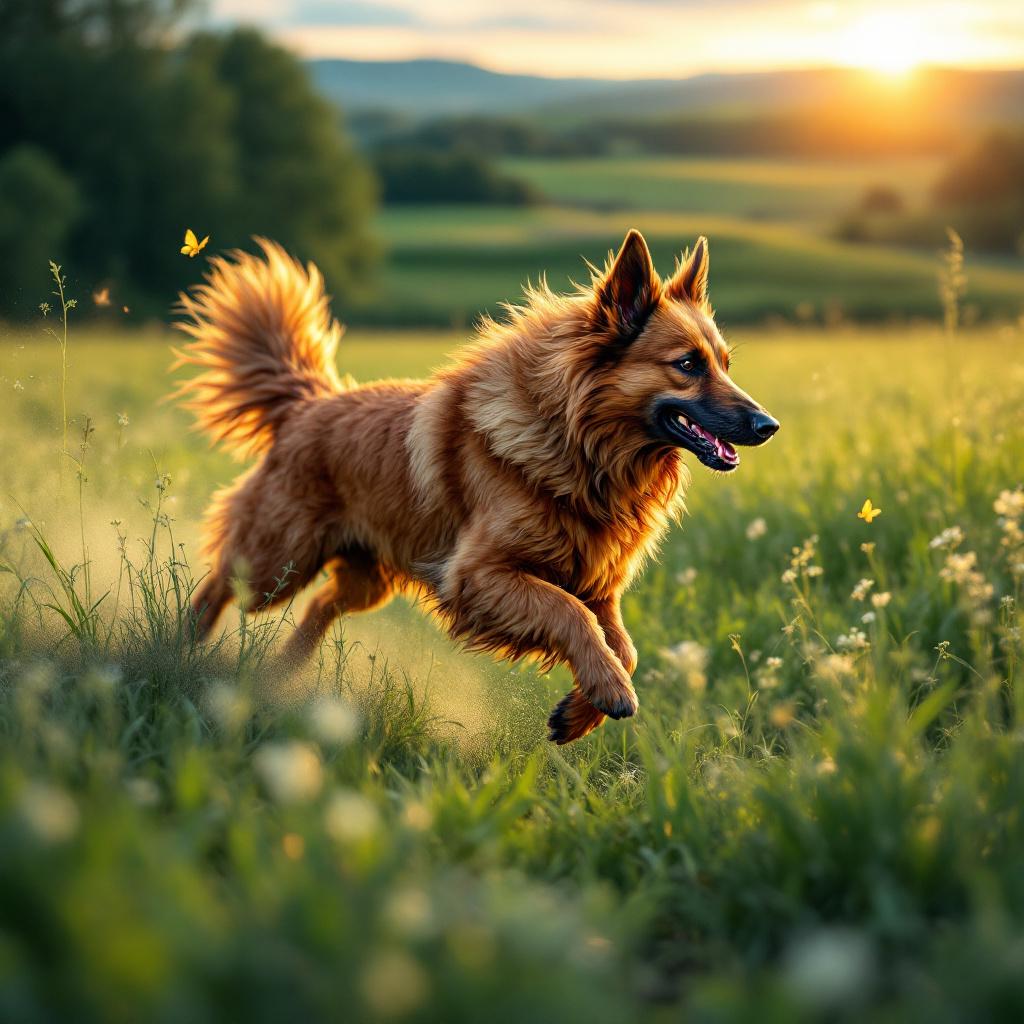
One might think its vocation is limited to the fields, yet from the 1970s, the Belgian Tervuren shone in Belgian ring and agility competitions. Its speed of execution and ease in understanding commands opened the doors to international events. Today, it is often seen in tracking, obedience, flyball, or even defense sports, where it demonstrates astonishing adaptability.
Morphology and coat
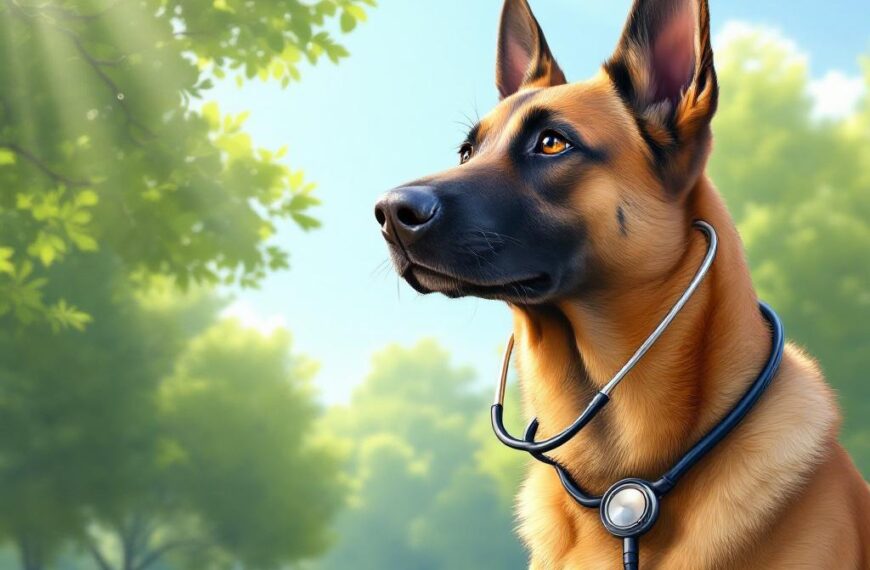
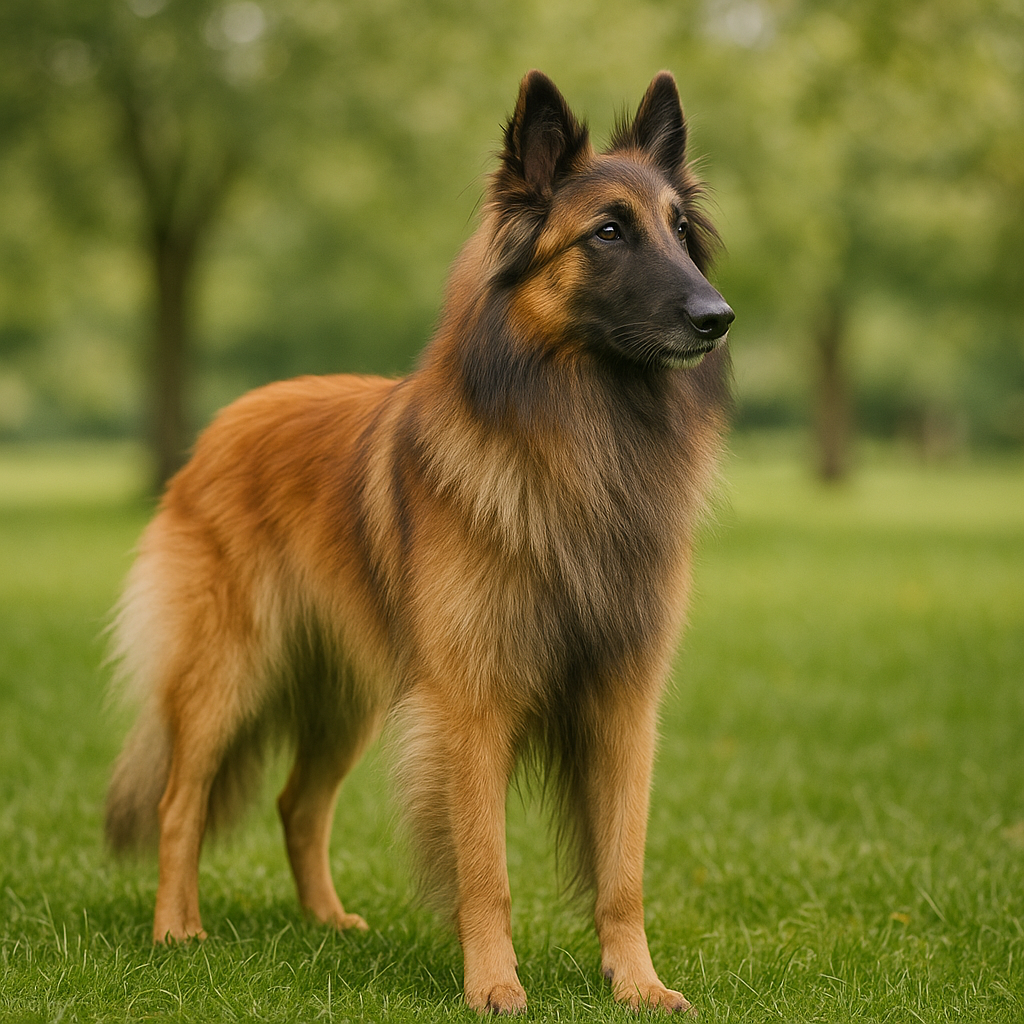
The Belgian Tervuren displays a silhouette where line and muscle combine. The withers give way to a straight, solid back, supporting a broad chest without exaggeration. The limbs are muscular but never heavy, ready to leap or sustain a long run. The head, slightly long, ends with a fine muzzle, the erect triangular ears constantly indicating the dog’s attention.
The Charm of the Fawn Coat
The coat is enriched with a dense and warm undercoat, often amber-colored, adorned with a black cape on the head and back. This double layer protects against the cold while allowing the skin to breathe. Between the spring and autumn molts, the hair may appear curly or lengthen, requiring more frequent brushing to avoid tangles and allow air to circulate.
Character and Behavior
The Tervuren combines vigilance and gentleness, a balance that makes him as suitable for guarding a herd as for sharing daily life with a family. His intelligence, sometimes misunderstood, can turn into cunning if no stimulating activity is offered. In truth, you never get bored with him: whether solving an intelligence game or keeping an eye on visitors, he remains constantly alert.
- Loyal: deep attachment to his master, sometimes jealous.
- Protective: guarding instinct present from a very young age.
- Sociable: enjoys human contact, generally easily relates to children and other dogs.
Care and Maintenance
The Belgian Tervuren’s coat requires special attention. Daily brushing during molting periods, lighter brushing throughout the year, prevents the appearance of dead hair and dust. The ears must be checked to avoid otitis, especially after swimming, and nails should be checked every month.
Exercise and Vitality
He is not a couch potato: he needs at least an hour of sport or play per day. A simple walk is not enough; prefer agility sessions, forest hikes, or lively obedience training. His mental liveliness is fueled by new commands and constant challenges, otherwise he may seek his own activities, sometimes destructive.
Education and Canine Activities
Setting boundaries without excessive rigidity is the secret to a balanced relationship. The Belgian Tervuren learns quickly but does not hesitate to test limits. Introduce basic exercises (sit, lie down, recall) from a young age before moving on to agility or tracking courses. Shared enjoyment strengthens complicity and reduces anxious behaviors.
FAQ
What is the average lifespan of a Belgian Tervuren?
Lifespan generally ranges between 12 and 14 years. Regular veterinary follow-up and a balanced diet often prolong his vitality.
Is the Belgian Tervuren suitable for families with children?
Yes, thanks to his gentleness and great patience. Early socialization remains essential for him to properly understand child-dog interactions.
How to manage the molting period in this double-coated dog?
Daily brushing with a slicker brush or rake helps limit hair shedding and preserves the health of the undercoat.
Is it possible to do agility with a beginner Tervuren?
Absolutely. Provided you start with simple courses built around trust and play before gradually increasing the height of obstacles.
What is the annual budget to maintain a Belgian Tervuren?
Including quality food, basic veterinary care, and accessories, expect between €1,000 and €1,500 per year. Costs may vary with sporting activities and dental care.