
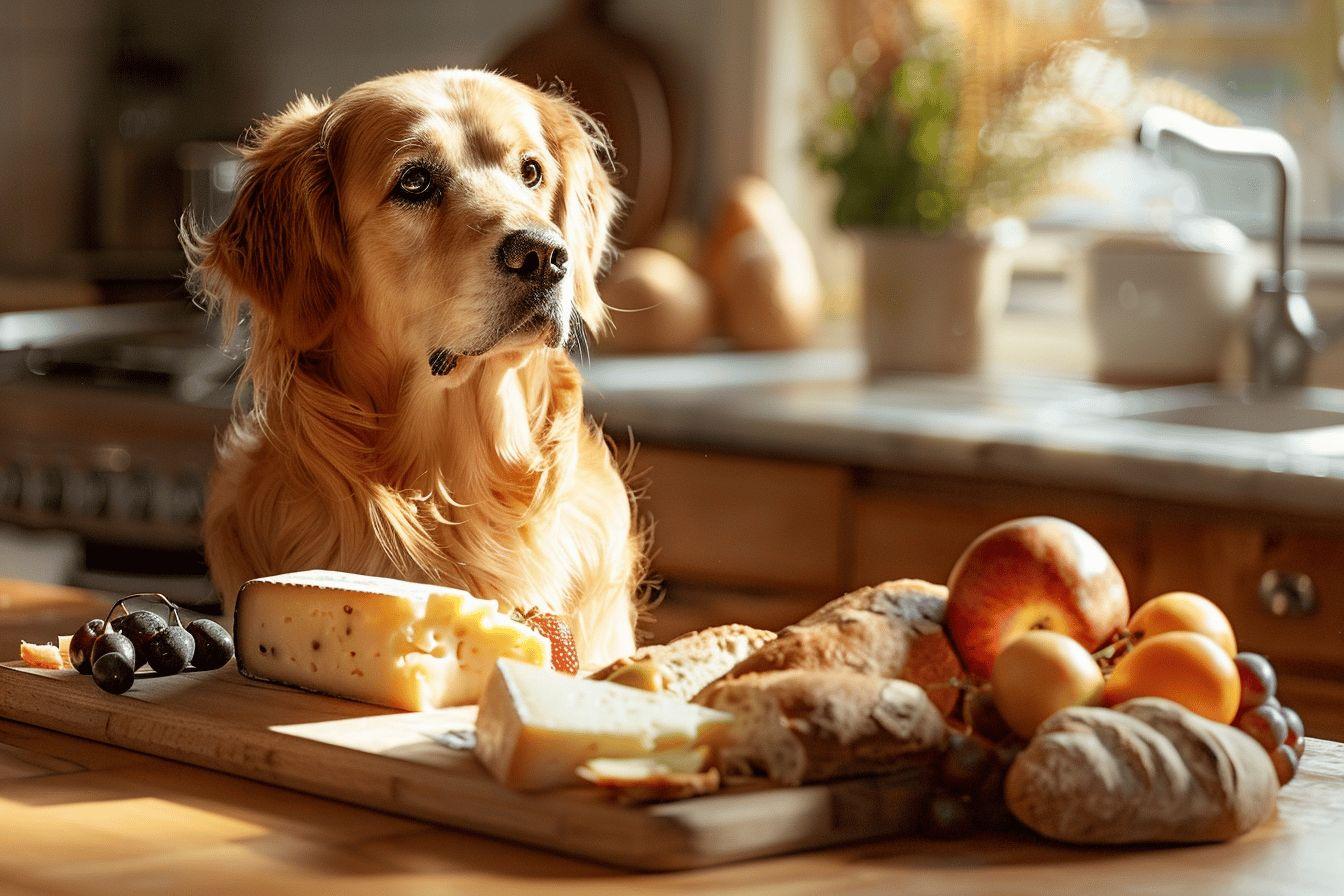

Canine feeding carries unsuspected risks for our faithful four-legged companions.
- Cheese should remain an exception because adult dogs produce less lactase enzyme, causing intolerances and digestive disorders.
- Nuts and tree nuts should be avoided, particularly macadamia nuts which are toxic even in small amounts.
- Bread is not recommended because dogs poorly digest complex carbohydrates, and raw dough is dangerous.
- Certain fruits like apple, pineapple, or banana are excellent healthy alternatives (without seeds or pits).
Properly feeding our four-legged friends is a major concern for every responsible owner. With the abundance of information available, it can be difficult to know what is good or not for your dog. Can we share our snack with him? Is cheese a danger? Does bread aid his digestion? And what about fruits? Here is everything you need to know to make the right dietary choices for your canine companion.
The dangers of cheese for our canine friends
Cheese, that food we love so much, can it be shared with our dogs? In short, cheese is not toxic in itself, but its consumption should remain exceptional. Adult dogs generally produce less lactase enzyme than when they were puppies, which can lead to a true lactose intolerance with its share of digestive discomforts.
Here are some concrete examples of problems cheese can cause:
- Digestive disorders (diarrhea, vomiting)
- Excessive weight gain due to its high fat content
- Heart problems linked to its salt content
- Complications for dogs already suffering from kidney problems
Good to know: if you absolutely want to please your dog with a bit of cheese, favor low-fat varieties like mozzarella or cottage-type fresh cheese. These options generally contain less lactose and are lower in saturated fats.
In 2023, a study conducted by the American Veterinary Medical Association revealed that nearly 43% of digestive problems in domestic dogs were linked to the consumption of inappropriate human foods, including dairy products.
| Type of cheese | Risk level | Maximum recommended quantity |
|---|---|---|
| Hard cheeses (comté, emmental) | Medium | A hazelnut-sized amount per week maximum |
| Fresh cheeses (cottage, ricotta) | Low | A teaspoon occasionally |
| Blue cheeses | High | To be avoided completely |
Are nuts good for my dog?

The answer is categorical: nuts and tree nuts should generally be banned from canine diets. These foods concentrate several potential dangers for our four-legged companions, especially when moldy. The fungi that develop on these fruits produce mycotoxins particularly dangerous for the canine nervous system.
Symptoms of nut poisoning can appear quickly, usually 2 to 3 hours after ingestion. They include:
- Neurological disorders such as tremors
- Abnormal gait or even convulsions
- Digestive disorders (vomiting, diarrhea)
- Hyperthermia
- Potentially serious cardio-respiratory abnormalities
It should be noted that some varieties are particularly toxic. Macadamia nuts represent a real danger even when perfectly preserved. An amount as low as 2.4g per kilo of body weight can cause serious health problems. In other words, for a small 5kg dog, barely 12g (a few nuts) is enough to cause poisoning.
What to do if your dog has ingested nuts? Don’t panic but don’t wait either. Contact your veterinarian quickly who can advise you depending on the amount ingested and your animal’s condition.

What are the risks of eating bread for a dog?
Bread, a basic food in our daily lives, is not toxic to dogs in small amounts, but that does not mean it is recommended. Dogs have a digestive system different from ours that assimilates complex carbohydrates present in bread less efficiently. That is why regular consumption can lead to various health problems.
In large quantities, bread can contribute to:
Significant weight gain, as it is a high-calorie food without real nutritional value for your pet. Digestive disorders such as bloating or gas, which are particularly uncomfortable. Long-term risks of diabetes if consumption is regular. Joking aside, just because your dog looks at you with pleading eyes doesn’t mean you have to give in!
A crucial point to remember: raw bread dough containing yeast is particularly dangerous. By fermenting in the dog’s stomach, it can cause gastric dilation and release alcohol toxic to its body. This situation can quickly become a veterinary emergency.
If you absolutely want to give bread to your companion, prefer homemade bread over commercial varieties which often contain preservatives. Alternative flours such as rice, barley, or oat are generally better tolerated than traditional wheat flour.
Fruits suitable for canine diet
Good news! Not all human foods should be banned from your dog’s diet. Some fruits and vegetables can make excellent nutritious and low-calorie treats to reward your pet. These healthy alternatives to cheese or bread provide beneficial vitamins and fibers.
Among the fruits you can give in reasonable amounts to your dog are:
Apple (without seeds), rich in fiber and vitamins. Pineapple, excellent for the immune system. Banana, a source of energy and potassium. Blueberries, rich in antioxidants. Watermelon (seedless), hydrating and low in calories.
Regarding vegetables, some are particularly suitable such as carrots, zucchini, or spinach. However, it is preferable to cook them lightly to facilitate digestion by your pet.
On the other hand, be careful with fruits with seeds or pits that contain cyanide, potentially toxic to your animal. Always make sure to carefully remove seeds and pits before giving these fruits to your dog. This small gesture, which may seem tedious to do by hand, is actually essential for your companion’s health.
Overall, your dog’s diet should mainly consist of food specifically formulated for its needs. Fruits and vegetables should only be an occasional supplement and not the basis of its diet.