
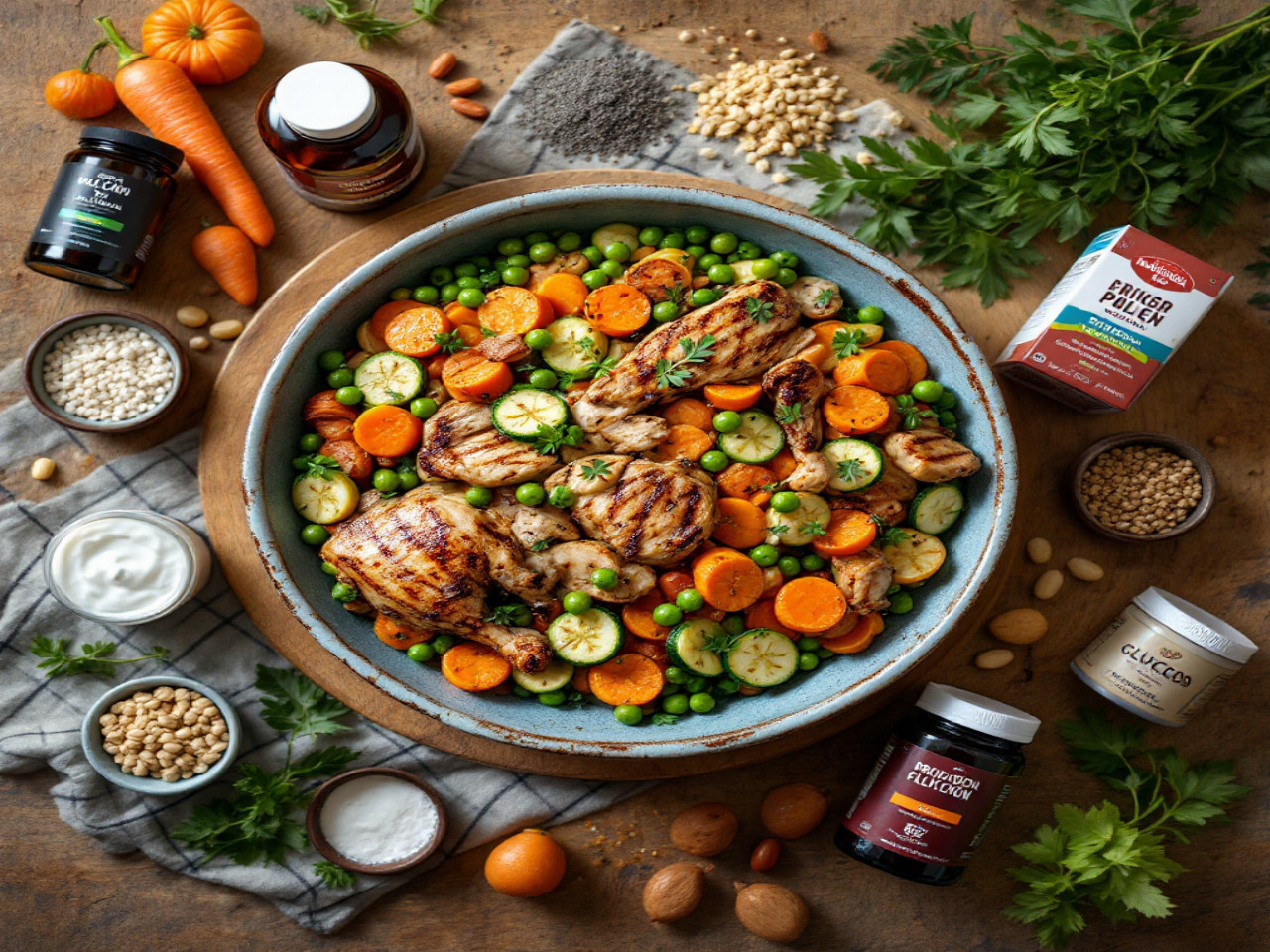

Are you wondering if your faithful companion’s bowl really covers all their needs? In truth, even the best kibble on the market can leave some gaps in essential micronutrients. This article answers point by point the questions you have: why add supplements, which ones to choose, and how to integrate them safely. Get ready to optimize your dog’s health in a simple and informed way!
Why consider supplements for your dog?
Nutritional needs vary according to age and lifestyle
A growing puppy does not have the same requirements as a sedentary senior or a sporting dog engaged in intense activity. For the younger ones, we monitor bone building and proper cartilage development; for seniors, the priority is often mobility and cognitive preservation. Not to mention hypersensitive dogs (digestively or cutaneously) for whom a probiotic boost or targeted fatty acid intake can make a difference.
Limitations of industrial kibble and pâtés
Manufacturers formulate their products to suit the majority, but they cannot adapt to every profile. Many recipes contain an unbalanced ratio of phosphorus, calcium, omega-6 vs omega-3, or lack certain fragile water-soluble vitamins. The result: long-term imbalances that can manifest as dull coat, reduced mobility, or finicky digestion.
Top 5 supplements to introduce
1. Omega-3: essential for a shiny coat and a strong heart
Omega-3s (EPA and DHA) play a major anti-inflammatory role and support heart, brain, and skin function. In comparison, most kibbles provide a lot of omega-6, which can promote inflammation if the balance is not maintained.
| Source | EPA (%) | DHA (%) | Benefits |
|---|---|---|---|
| Fish oil | 18–25 | 12–18 | Highly concentrated, economical |
| Krill oil | 15–20 | 7–12 | Better bioavailability |
| Marine algae | 5–10 | 8–15 | Vegan formula, very pure |
2. Probiotics: for a healthy gut flora
It only takes one stress (travel, grooming, kibble change) to disrupt the balance of the intestinal microflora. The Lactobacillus and Bifidobacterium strains help restore harmonious transit, prevent diarrhea, and stimulate the immune system. Be sure to choose refrigerated or protected packs to guarantee the viability of the bacteria.
3. Glucosamine and chondroitin: mobility allies
In large breeds or seniors, cartilage gradually wears down. Chondroprotectors (glucosamine sulfate + chondroitin) slow degradation and improve joint lubrication. Improved ease of movement is often noted after 4 to 6 weeks of regular use.
4. Targeted vitamins and minerals
Depending on your companion’s profile, certain micronutrients make a difference:
- Vitamin D: essential for calcium absorption and bone health.
- Vitamin E: major antioxidant, protects cell membranes.
- Calcium & phosphorus: must be carefully balanced to avoid growth disorders in puppies.
- Magnesium: reduces muscle spasms and promotes nervous relaxation.
Never improvise: excess fat-soluble vitamins (A, D, E, K) can be toxic.
5. Natural antioxidants: resveratrol and green tea
These molecules neutralize free radicals and support cellular aging. Resveratrol (from grape skin) and green tea catechins protect heart and cognitive cells while strengthening the skin barrier against external aggressions.
Practical tips for effective integration
Dosages by Weight and Age
It is impossible to dose by guesswork: each supplement must be adapted to your dog’s build and age. As a general rule:
- Puppy – 0–10 kg: ½ recommended dose
- Adult – 10–25 kg: standard dose
- Large build – > 25 kg: 1.5 × dose
Always consult your veterinarian before adjusting these guidelines.
Pharmaceutical Forms: Powder, Capsule, or Paste?
Everyone has their preference:
- Powders: easy to mix with wet food or kibble, ideal for multivitamin supplementation.
- Capsules: perfect for precise dosages, can be opened if needed to hide the taste.
- Tasty pastes: lick-it format highly appreciated by picky dogs.
Choose the form that is least restrictive according to your companion’s character.
Signs of Overdose or Interactions to Watch For
Beware of reversed deficiencies: an excess of calcium can block the absorption of zinc or magnesium. Similarly, an overabundance of omega-3 can cause digestive disorders or slow down blood clotting. As soon as you notice chronic diarrhea, vomiting, or unexplained limping, stop the supplementation and have a veterinary check-up.
FAQ – Your Questions, Our Answers 👇
- My dog vomits after the supplement, what should I do?
Start by reducing the dose and splitting the intake into two doses. If it persists, change the pharmaceutical form or opt for another brand. - Can multiple supplements be mixed?
Yes, but be careful not to overlap the same molecules (for example, two sources of omega-3). Keep a tracking chart to check cumulative dosages. - What is the best time to start?
You can start at weaning to support development, or preventively before the first signs of joint pain appear in seniors. - Are organic supplements more effective?
Not necessarily: naturalness does not always guarantee purity or concentration. Read batch analyses (COA) and prioritize traceability. - How long does it take to see effects?
It often takes 4 to 8 weeks before noticing a real change in coat, energy, or mobility.