

| Key points | Details to remember |
|---|---|
| 🍬 Definition | Natural sugar substitute used in gums and candies |
| ⚠️ Risks | Rapid hypoglycemia and liver damage |
| 📊 Symptoms | Vomiting, weakness, tremors, seizures |
| 📏 Toxic threshold | 0.1 g/kg is enough to cause an adverse effect |
| 🆘 Reaction | Contact your veterinarian immediately |

You may have already come across sugar-free gums or candies labeled “natural,” without suspecting that one of their ingredients could endanger your dog’s life. Xylitol, prized for its anti-cavity properties in humans, turns out to be potentially toxic from the very first bite for our four-legged companions. In this FAQ, we guide you step by step to understand what xylitol is, recognize poisoning, and act as quickly as possible.
What is xylitol?
Xylitol is a natural sweetener extracted from birch bark or corn, classified among sugar alcohols. Unlike sucrose, it does not cause an insulin spike in humans and helps fight cavities. However, canine physiology does not process this sugar alcohol the same way, with dramatic consequences.
Why is xylitol dangerous for dogs?
In dogs, xylitol triggers a massive release of insulin within minutes, causing a sudden drop in blood sugar. Added to this is a risk of acute liver failure, the severity of which depends on the amount ingested and individual sensitivity. In short, a very small amount of xylitol can be enough to compromise your pet’s metabolism and life.
What symptoms should you watch for?
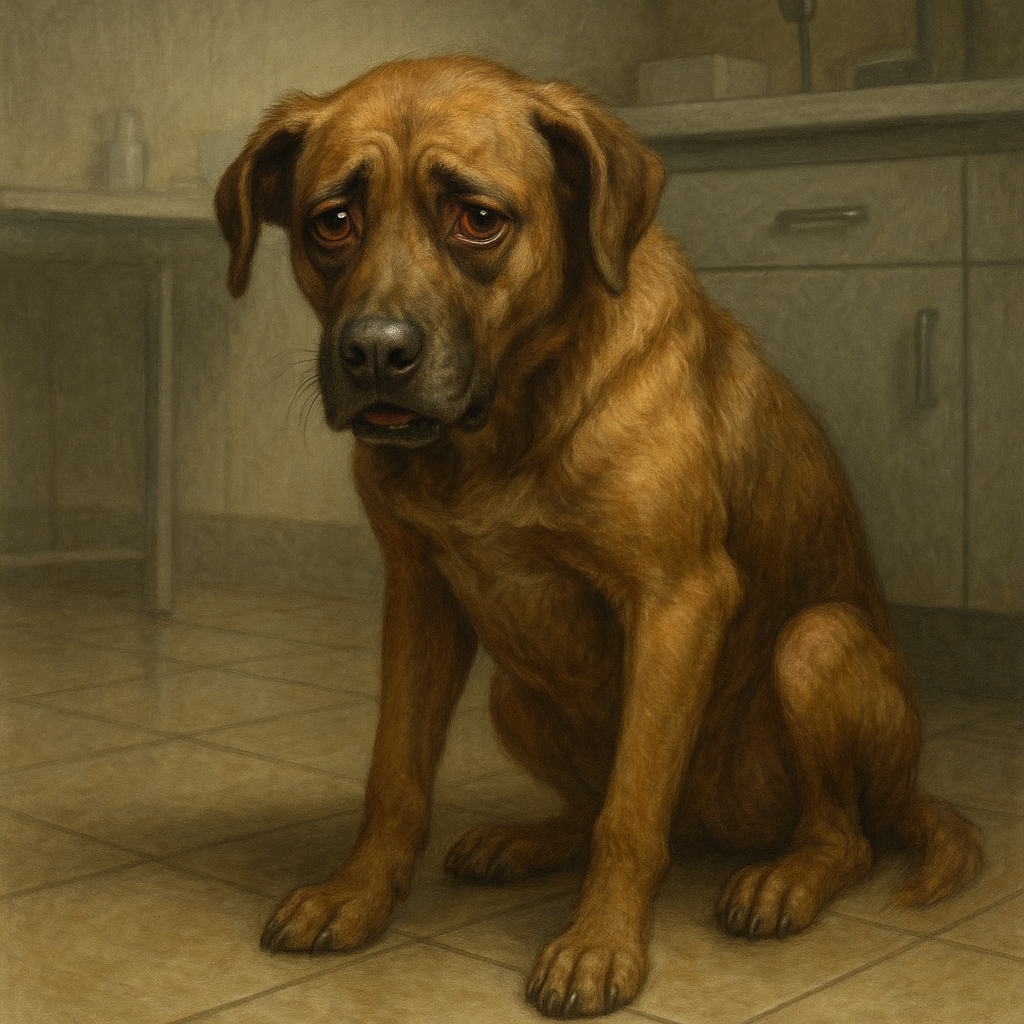
The signs of xylitol poisoning generally appear within 10 to 60 minutes:
- Acute hypoglycemia: weakness, unsteady gait, collapse
- Digestive signs: vomiting, diarrhea
- Neurological: seizures, tremors, shock state
- Liver complications: jaundice, impaired coagulation
What quantity is dangerous?
Clinical studies show that 0.1 g of xylitol per kilogram of body weight can induce hypoglycemia. For a 10 kg dog, less than one sugar-free chewing gum is enough to trigger the alert. Beyond 0.5 g/kg, the risk of liver complications increases considerably.
How to react in case of ingestion?
In the presence of one or more symptoms, every minute counts. Do not attempt to make your dog vomit without veterinary advice. Contact a professional immediately, go to an emergency clinic, or call an animal poison control center. Note the time and amount ingested, as this will facilitate risk assessment and the implementation of appropriate therapy.
Foods and products containing xylitol
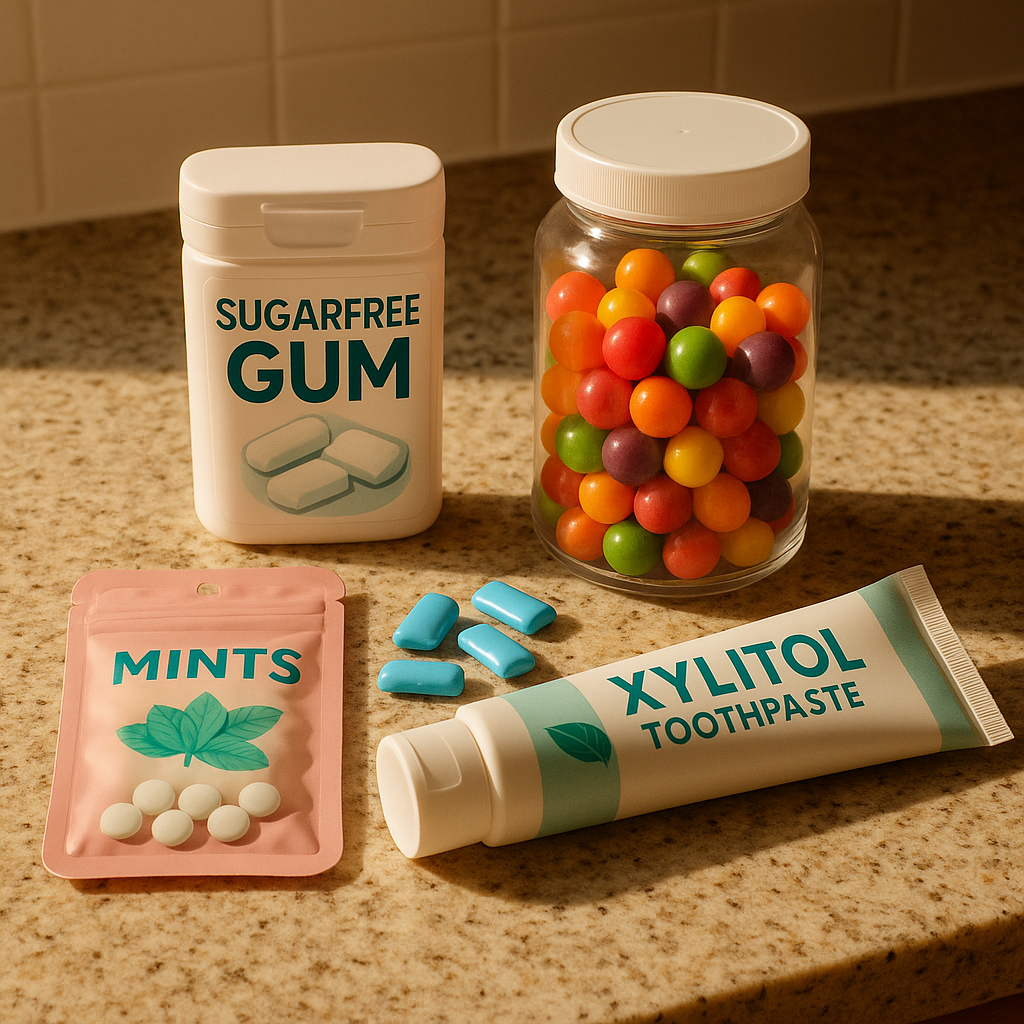
Xylitol is found in many everyday products: gums, candies, toothpastes, capsule medications. For a comprehensive list of products to watch out for, you can consult this list of everyday products containing xylitol to avoid for your dog.
Other Food Hazards
Xylitol is not the only hidden enemy. To take a comprehensive approach to canine food safety, consider dangerous foods for dogs such as chocolate, alcohol, or avocado, which deserve just as much attention.
Prevention and Best Practices
A few simple actions are enough to limit accidents:
- Always store your treats out of reach
- Systematically check the ingredient list
- Educate your loved ones about the danger of xylitol
- Learn the warning signs to intervene quickly

FAQ
My dog swallowed a gum, should I call the vet even if he seems fine?
Yes. Hypoglycemia can occur late. An examination and blood test are necessary to rule out any latent risk.
Does the xylitol present in toothpaste represent a real danger?
Even in small quantities, ingesting toothpaste containing xylitol can trigger a reaction. Protect access to your bathroom.
What treatment does the vet offer?
They will start with blood sugar regulation (dextrose infusion) and, if necessary, liver support and supportive care to prevent sequelae.
Can the dog become immune to xylitol?
Absolutely not. Sensitivity to xylitol does not decrease over time. Each new exposure presents a serious risk.