| Key points | Details to remember |
|---|---|
| 🐑 Origin | Polska: heir to the lowland shepherds |
| 🧠 Character | Intelligent, independent and vigilant |
| 🛁 Maintenance | Regular brushing to preserve the dense coat |
| ⚽ Activities | Agility, obedience and herding games |
| 🏡 Adaptation | Active family, secured garden recommended |
| ❤️ Health | Life expectancy around 12–14 years |

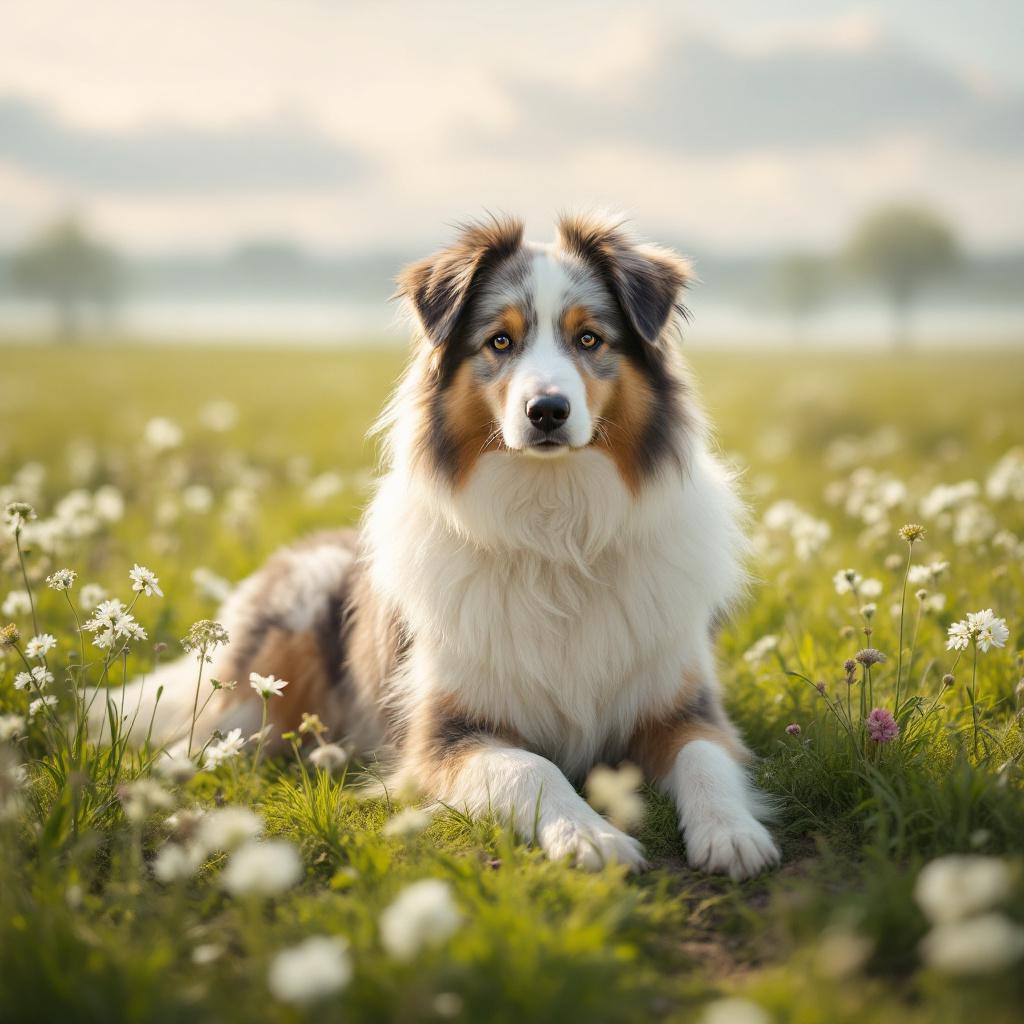
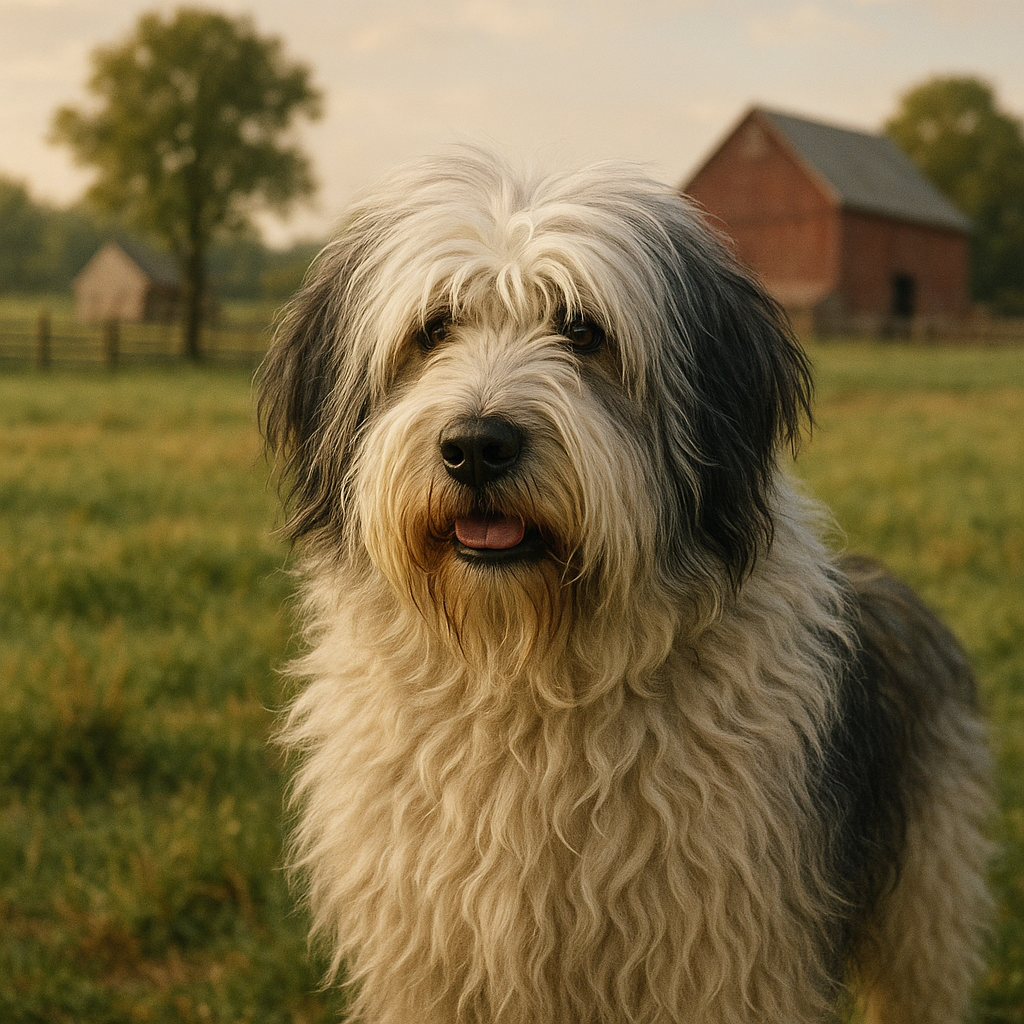
Compact, covered with a generous coat and animated by a piercing gaze, the Polish Lowland Sheepdog – or Polski Owczarek Nizinny – surprises with its calm energy and innate guarding sense. One might think that beneath this untamable tuft hides a rustic and reserved temperament, but it is a lively, loyal, and surprisingly adaptable companion. By exploring its origins, behavior, and needs, you will discover how to offer this woolly ball a life worthy of its potential.
History and origins of a shepherd nestled in the plain
The traces of the Polski Owczarek Nizinny date back to Polish farms of the 19th century. Charged with guarding flocks and properties, this dog built a close bond with peasants, fulfilling both the role of guardian and companion. Its stocky silhouette and thick coat result from centuries of adaptation to the harsh winters of the low plains, where it tirelessly patrolled between sheep and farm buildings.
World War I, then World War II, almost wiped out the PON population. Some determined Polish enthusiasts nevertheless maintained a few lines faithful to the old standards. In 1937, the British Kennel Club registered its first subjects; in the United States, Helen Keller herself contributed to the breed’s recognition, fascinated by its intelligence and loyalty.
Character and temperament: between vigilance and complicity
Practical intelligence and taste for reflection
What strikes first about the PON is its ability to solve problems: opening a door, outsmarting a rudimentary barrier, or understanding that simply protecting a corner of the garden is useful. The slightly mischievous expression in its eyes reflects a desire to participate, to act effectively. In practice, this dog prefers to anticipate the command rather than blindly execute it, which requires the trainer to have a nuanced approach based on clear objectives and consistency in rewards.
Socialization and family life
It is often described as a “faithful companion”: it tends to form strong bonds with each member of the household, including children, as long as a respectful atmosphere prevails. It takes its role as guardian very seriously and is alert to the slightest intrusion, without resorting to systematic aggression. This vigilance is accompanied by great gentleness towards the youngest: its love of play and patience make it a much-appreciated running and hide-and-seek partner.
Coat and grooming: care with finesse
Brushing and grooming sessions
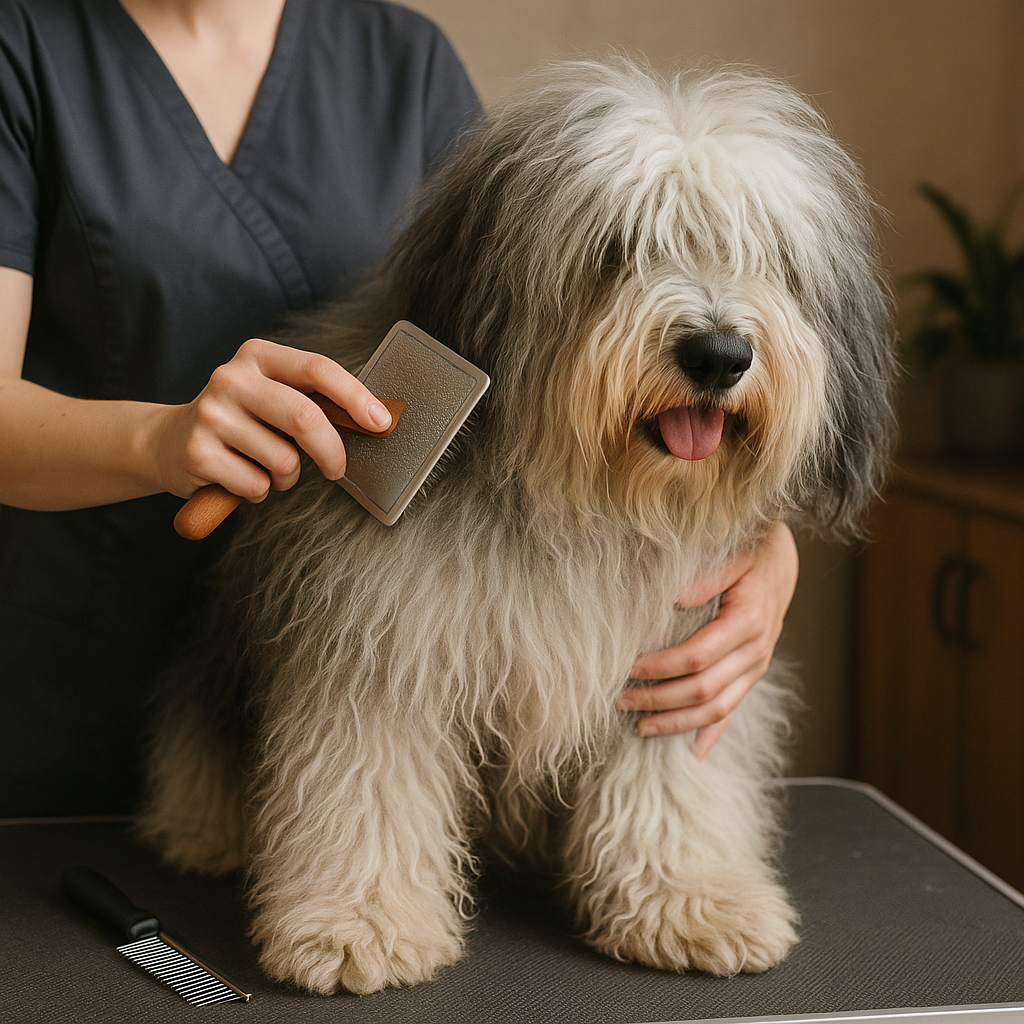
At first glance, the thick fur seems impossible to detangle; in reality, it is a medium-length coat, equipped with a dense undercoat and long guard hairs. To limit knots and remove dead hair, at least two weekly brushings with a wide-toothed comb and a soft slicker brush are planned. A few detangling strokes on sensitive areas – behind the ears, under the belly – are enough to maintain the fluffy appearance of the coat without resorting to excessive clipping.
Hygiene and health prevention
The basics remain classic: regular ear cleaning, attention to interdigital spaces, and periodic eye checks. Medically, this breed presents a moderate risk of hip dysplasia: screening X-rays before breeding are essential for breeders concerned with maintaining the health of the lines. Furthermore, its average lifespan – between twelve and fourteen years – encourages establishing a more comprehensive annual check-up after the age of six.
Activities and education: channeling energy positively
Adapted learning methods
The Polski Owczarek Nizinny does not give in to ease; it likes to understand the reason behind exercises. Short sessions, paced by varied rewards (treats, petting, verbal encouragement) work wonders. The use of a clicker, in addition to clear instructions, allows rapid learning of tricks and basic obedience. To avoid: monotony and contradictory commands, which could ruffle it more than its fur.
Canine sports and intellectual stimulation
Inventive by nature, this dog thrives in agility where its balance and speed shine, but also in herding trials when one has a sheep or goat farm. Flyball, canicross, and tracking games are ideal playgrounds to expend its energy and maintain its scenting ability. While it proves versatile, it nevertheless requires regular human contact to avoid boredom and the search for autonomous occupation – sometimes destructive.
Choosing a Breeder or Adopting: Key Recommendations
Selecting a Responsible Breeder
A good professional provides health certificates (hips, eyes), willingly presents their breeding dogs, and answers questions about temperament, pedigree, and any history without evasion. Litters are not numerous: a respectful breeder prioritizes quality over quantity, with a limited number of births per year.
Adopting with Full Awareness
This dog requires presence and a consistent framework, rather than just a kennel. It adapts poorly to prolonged solitude. An active household, where everyone contributes to outings and training, guarantees lasting harmony. Before arrival, plan a secure outdoor space and some occupation toys to facilitate integration.
FAQ
- What size does an adult Polish Lowland Sheepdog reach? Generally between 45 and 50 cm at the withers, weighing around 17 kg.
- How often should it be brushed? Twice a week, with a more thorough detangling once a month.
- Is it suitable for children and other animals? Very sociable, it appreciates children as long as it is well socialized and can live with other dogs, even cats.
- How much exercise does it need daily? At least one hour of physical activity and 30 minutes of mental or educational games.
- What is its life expectancy? Between 12 and 14 years, provided regular veterinary care is maintained.