
| Key Points | Details to Remember |
|---|---|
| 🐺 Origin | Created in the Netherlands in the 20th century by mixing wolf and dog to restore wild traits. |
| 🏃 Activities | Thrives in hiking, canicross, and endurance sports rather than sedentary apartment life. |
| 🧠 Temperament | Independent and reserved, it requires early socialization and consistent training. |
| 🩺 Health | Robust but sensitive to certain hereditary conditions: screening recommended. |
| 👥 Ideal Owner | Active, experienced, ready to invest time in physical and mental stimulation. |
| 🛠️ Maintenance | Moderate grooming seasonally, need for regular physical exercise and a consistent framework. |

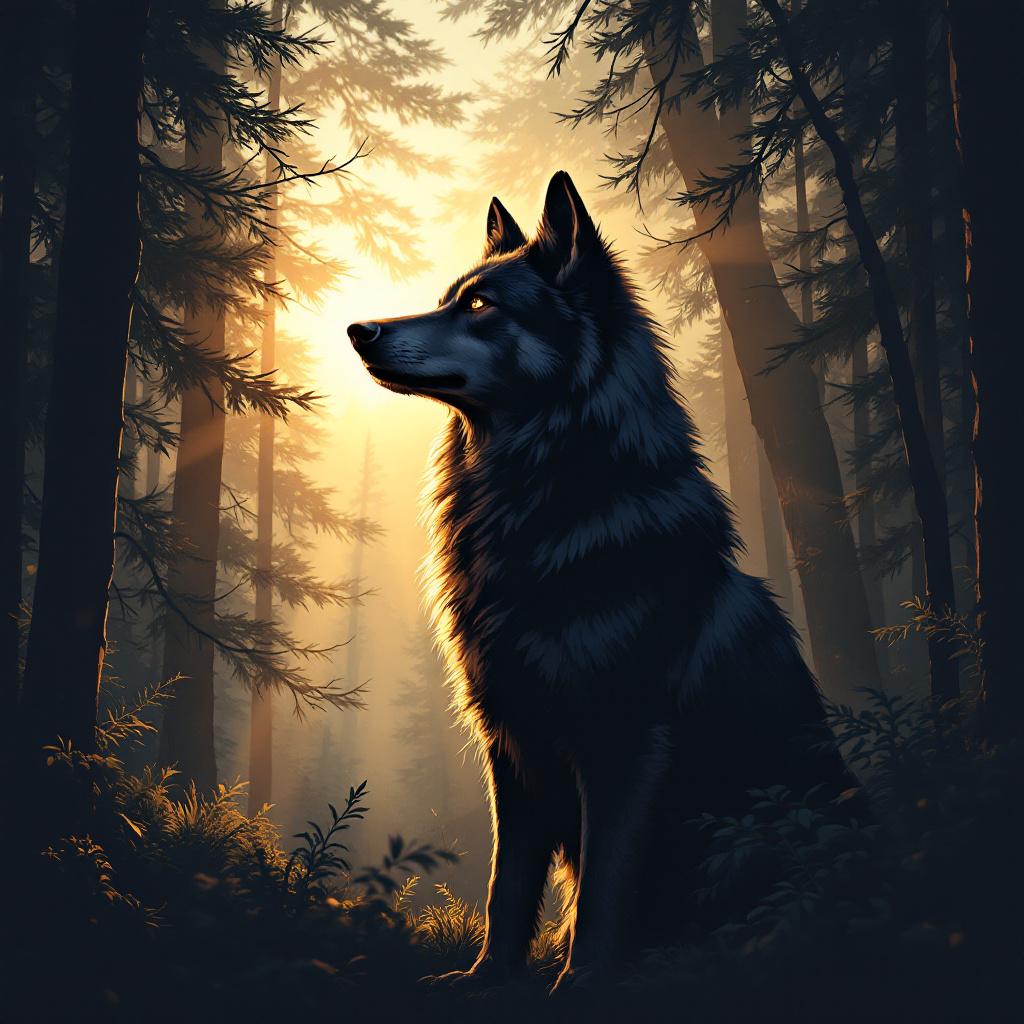
The Saarloos Wolfdog intrigues and divides: it is seen both as a companion dog and as a living fragment of the wolf mystique. If you are an adventurer dreaming of a companion capable of trekking trails and mountains, this portrait will help you judge if this wolf-dog blend truly fits your lifestyle. No myths here: data on its origin, behavior, concrete needs, and practical advice for hiking and daily life.
Origins and Morphology: from restoring the wild to a companion dog
The Saarloos was born in the 20th century in the Netherlands, the result of crossings undertaken to “reintroduce” wild traits into lineages considered too domesticated. The result retains a clear appearance: broad skull, long muzzle, erect ears, and often piercing gaze. One notices a harmonious body, built for endurance rather than pure speed — hence its aptitude for long outings.
Essential Physical Characteristics
Height generally varies between 55 and 75 cm at the withers depending on sex, with proportional weight. The coat is double: a dense undercoat for insulation and a coarser outer coat. This combination offers good resistance to weather, useful during bivouacs or long forest walks. However, beware: the wild look does not mean no care is needed; ears and paw pads deserve regular checks after outings.
Temperament and Behavior: reserved but loyal
One might expect a wild and unmanageable animal but, in reality, the Saarloos often develops a deep relationship with its humans. It is reserved with strangers and may keep a respectful distance rather than rushing to charm. This makes it a reliable dog for outdoor life: it does not panic easily but retains a pronounced vigilance instinct.
Socialization and Family Dynamics
Early socialization remains crucial. A puppy exposed to varied environments — people, noises, other animals — will develop more ease. Within a family, it can be tender and protective, but it will not tolerate lax training. Calm and respectful children get along well with it; chaotic or too noisy households risk increasing its stress or withdrawal.
Instincts and Behaviors to Watch
- Flight instinct: he may keep his distance if poorly stimulated or frightened.
- Tendency towards independence: he is not naturally obedient like a shepherd — cooperation must be earned.
- Reactivity towards small animals: the prey drive can be triggered depending on training.
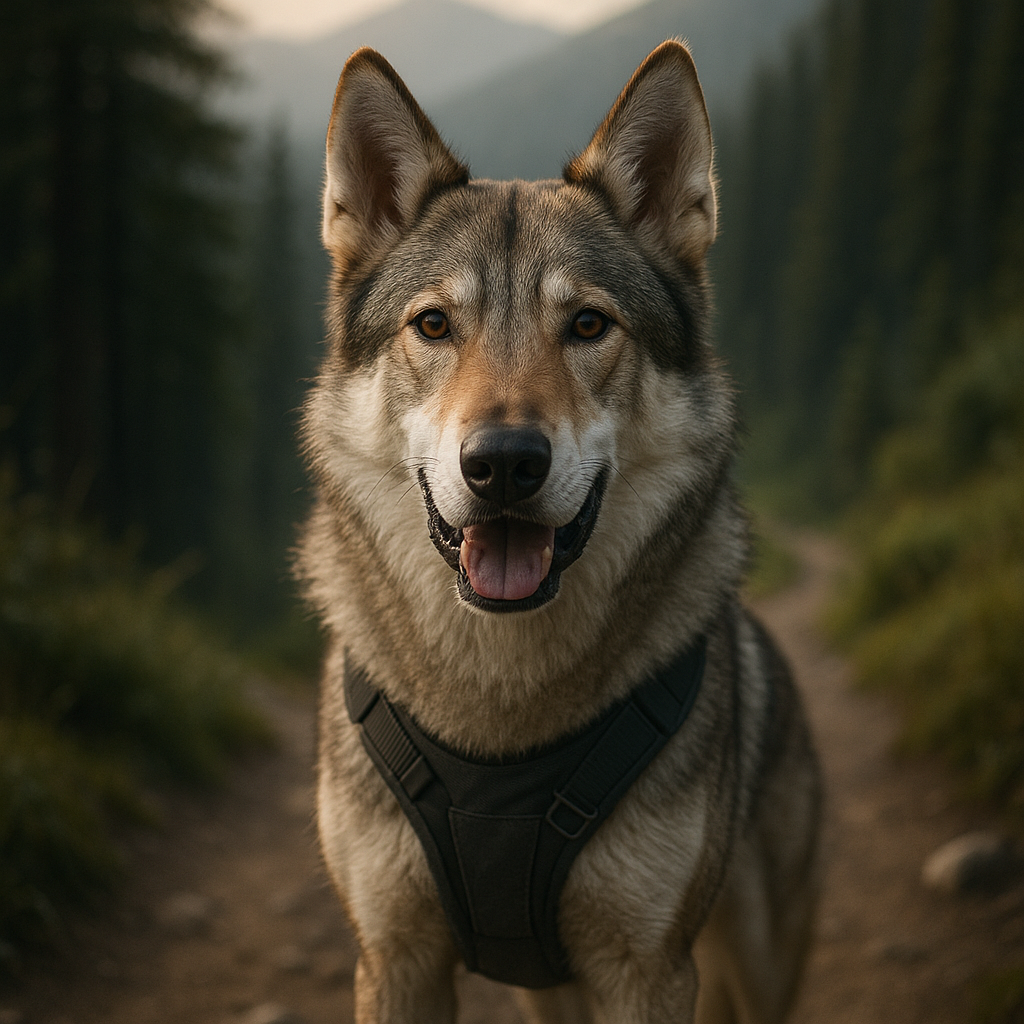
Image: dog standing on a forest path, elegant profile and natural coat, equipped with a light harness, blurred mountainous background.
Training and Socialization: Method and Patience
With a Saarloos, consistency is favored over sheer firmness. The key is to establish clear rules and routines. Physical punishments destroy trust; on the other hand, positive reinforcement combined with consistent boundaries pays off. You must accept that progress will not always be linear: regressions are possible when the environment changes.
Practical Training Plan
- 0–3 months: gentle exposure to various environments, positive handling, and daily landmarks.
- 3–6 months: learning the basics (sit, recall, heel) in short playful sessions.
- 6–12 months: consolidate recall in secure areas, introduce obedience exercises and search games.
- Adult: maintain mental stimulation through continuous learning and canine sports.
Activities such as tracking, food puzzles, or scent work satisfy the Saarloos’s intelligence while channeling his energy. The owner must be patient, respect the dog’s pace, and focus on the quality of interactions rather than the quantity.
Ideal Activities for Adventurers
The Saarloos finds his place when life takes you outdoors. Hiking with him requires some precautions: alternating effort and rest phases, regular hydration, attention to steep terrain. He excels in endurance outings, treks, canicross for already athletic people, and he enjoys contact with less frequented spaces.
Equipment and Safety on Hikes
- Ergonomic harness and sturdy leash.
- Canine first aid kit (double bandages, antiseptic, tick tweezers).
- Collapsible bowl, sufficient water, and energy food according to effort.
- Protection for paw pads on rocky terrain and a light cape if the climate is rainy.
Activity Ideas
- Day hikes with planned breaks.
- Weekend bivouac: test his tolerance to camping before committing to several nights.
- Canicross to channel energy on structured courses.
- Tracking and search games to stimulate the olfactory instinct.
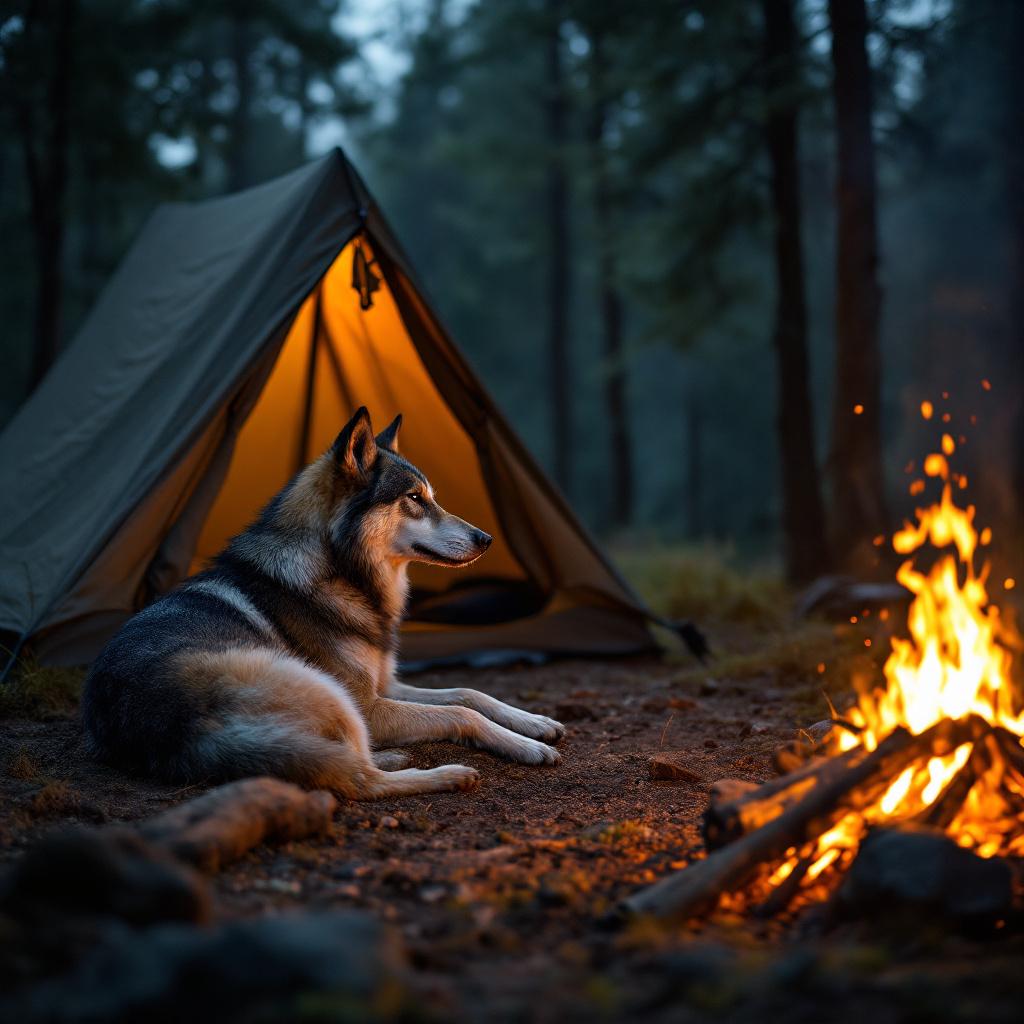
Image: dog resting near a tent, twilight atmosphere, visible hiking gear, contemplative mood.
Health, Nutrition, and Care
Generally robust, the Saarloos nevertheless deserves regular veterinary follow-up. Some hereditary problems may appear in poorly screened lines. Nutrition must remain of quality: a diet rich in proteins adapted to effort and fatty acids promotes recovery after long walks.
Summary table of health points
| Aspect | Recommendation |
|---|---|
| Vaccines and antiparasitics | Maintain the vaccination schedule and tick/flea treatment active according to the season. |
| Hereditary screening | Check cardiac and joint tests with the breeder before adoption. |
| Feeding | Adapt the ration to the activity: quality kibble, possible omega-3 supplementation. |
| Grooming | Brush during shedding periods and check the paw pads after each outing. |
| Life expectancy | About 11 to 13 years depending on breeding conditions and lifestyle. |
Adopting a Saarloos: ideal owner profile
This wolf-dog suits someone physically active and experienced. It requires time, patience, and the ability to respect its pace. It is not the recommended breed for a beginner looking for an easy dog: the relationship is built on trust and consistency rather than authority alone.
- Sought profile: sporty, nature-loving, capable of providing daily mental stimulation.
- Not recommended: people absent for long hours, city dwellers without opportunities for regular outings.
- Advice: meet several adult dogs of the breed and visit a responsible breeder before deciding.
FAQ
Is the Saarloos dangerous?
No, it is not inherently dangerous. Like any dog, it can develop problematic behaviors if poorly socialized. With respectful training, it becomes a loyal companion, but remains alert and sometimes reserved towards strangers.
Can it be left alone all day?
Not ideally. Leaving a Saarloos alone for long hours regularly promotes boredom and anxiety. If your schedule requires it, plan solutions: long walks in the morning and evening, occasional pet sitting, or mental activities in your absence.
What type of food is suitable for a very active dog?
Favor quality kibble, rich in animal proteins and balanced in fats. For periods of intense effort, slightly increase the energy ration. A consultation with your veterinarian allows adjusting the diet according to age and physical condition.
How to recognize a serious breeder?
A responsible breeder offers health tests, allows visits, shows the living conditions of the dogs, and provides written guarantees. Beware of anonymous ads and abnormally low prices: selection and follow-up have a real cost.
Can you practice canicross with a Saarloos?
Yes, it is an activity suited to its endurance. Start gradually, teach good pulling, and use appropriate equipment (specific harness and ergonomic belt). Respect the progression and avoid overloads in young dogs.



