
| Key Points | Details to Remember |
|---|---|
| ❄️ Definition | Origin Scandinavian, linked to Lapp reindeer herders |
| 🐕 Character | Sociable, affectionate, endowed with herding instinct |
| 🎓 Training | Patience and positive reinforcement essential |
| 🛁 Care | Frequent brushing, marked seasonal shedding |
| 🚶 Activity | Moderate to intense: daily walks and play |
| 🩺 Health | Longevity of 12 to 14 years, watchful of hips and eyes |

The Finnish Lapphund fascinates with its look that is both gentle and alert. Born in the heart of the icy landscapes of Lapland, this dog long guarded reindeer herds, but its warm temperament has made it a very appreciated family companion. One might think that its thick coat reserves it for extreme climates; in reality, it adapts easily to many regions, provided it is given regular outings and enough attention.
Physical Description
Size and Build
With a medium build, the Finnish Lapphund measures between 43 and 50 cm at the withers. Its silhouette suggests agility more than raw power: one can sense the endurance needed to traverse northern expanses. The body remains compact, without excess mass, making it comfortable both in family hives and on snowy trails.
Coat and Colors
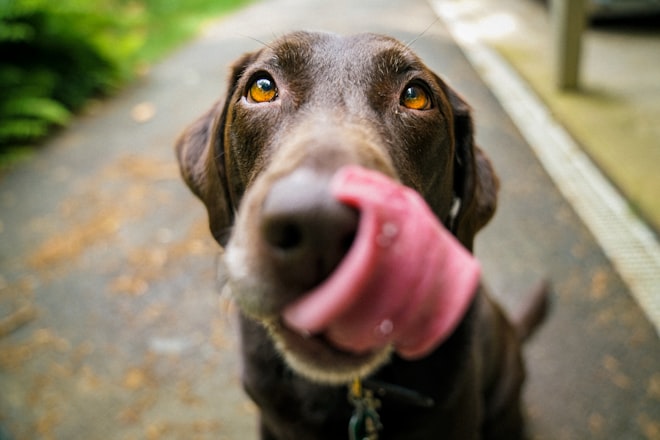
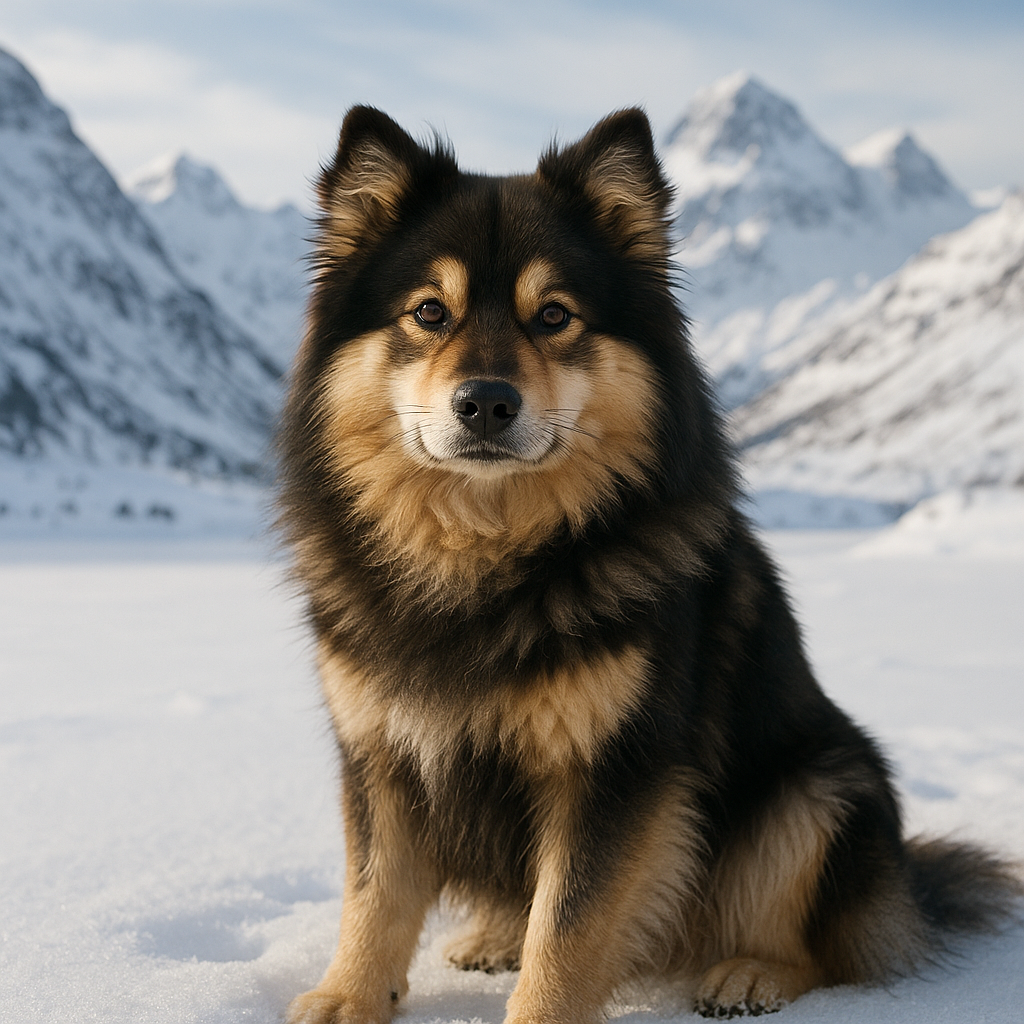
Its dense fur consists of a thick undercoat and a smooth, straight outer coat. The spring and autumn sheds require vigorous brushing, but outside these periods, a weekly carding suffices. The shades range from charcoal black to hazelnut brown, sometimes adorned with tan or white markings, creating a striking contrast.
Colors and Variations
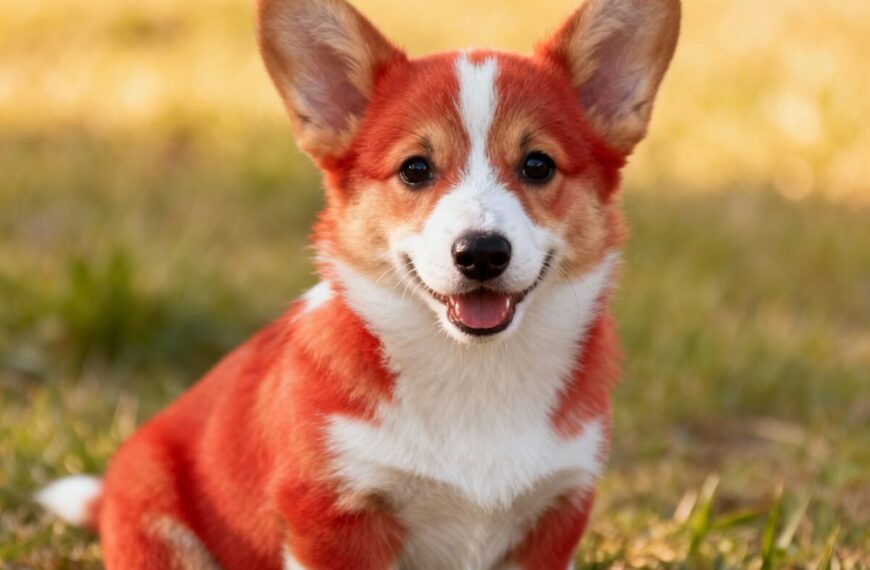
The most common coats include black, chocolate, silver-gray, or sandy orange. Some individuals display darker facial masks, highlighting the mischievous expression characteristic of the breed. In all cases, the Finnish Lapphund remains a visual spectacle, worthy of postcards and wildlife reports.
Character and Temperament
Sociality and Family Bond
This Finnish dog naturally shows openness to strangers, often even before its owner has spoken a word. However, its protective streak is not limited to strict guarding: the Finnish Lapphund knows how to moderate its reactions and remains vigilant without being intrusive. Families with children particularly appreciate its patience and tolerance, although it does not tolerate boredom.
Intelligence and Curiosity
The intelligence of the Finnish Lapphund is shown by its ability to solve small puzzles, memorize varied commands, and anticipate group activities. During training, its willingness to please is quickly perceived, especially if sessions include interactive games or tasty rewards. In short, it is not the type to stop as soon as the first difficulty appears.
Herding Instinct
Despite the return to urban life, this ancestral instinct to gather and watch over remains. It can be observed when it groups a group of children or when it repeatedly returns to its owner to check that everything is fine. To channel this guiding need, activities like agility or canicross prove particularly stimulating.
Needs and Care
Physical Activity
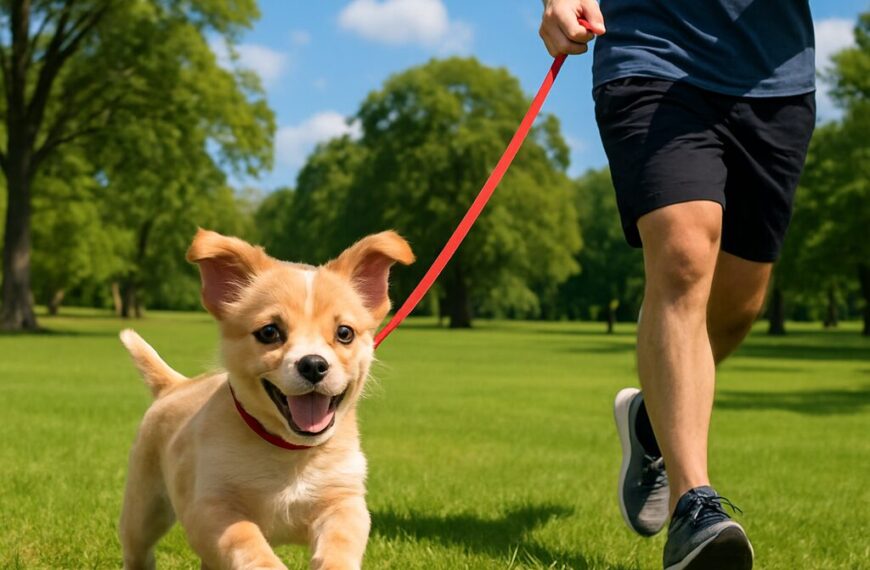
- Daily walks of at least 45 minutes, with phases of trotting or running.
- Retrieval games and introduction to canine sports to stimulate its mind.
- Mandatory calm moments after exertion to preserve its joints.
Without adapted effort, the breed can develop anxiety or dig into furniture as a latent malaise. By integrating playful courses in the garden or forest, aggression and destructive behaviors are avoided.
Grooming
To keep its coat in full health, brush its outer coat once or twice a week, more frequently during shedding periods. When dead hairs fall by the hundreds, use a metal comb to effectively remove the undercoat. A bath every two to three months is sufficient, with a mild shampoo specially designed for double-coated dogs.
Health and Longevity
The Finnish Lapphund enjoys a life expectancy of 12 to 14 years. The main points of vigilance focus on hip dysplasia and eye conditions such as cataracts or progressive retinal atrophy. Regular screening by a specialized veterinarian allows early detection of anomalies and limits their consequences.
Training and Socialization
Training Methods
The key lies in consistency and kindness. Coercive methods, which rely on dominance, prove counterproductive and risk undermining the trust the Finnish Lapphund places in its owner. Conversely, reinforcing successes with healthy treats and verbal praise anchors learning more durably.
Adaptation to Family Life
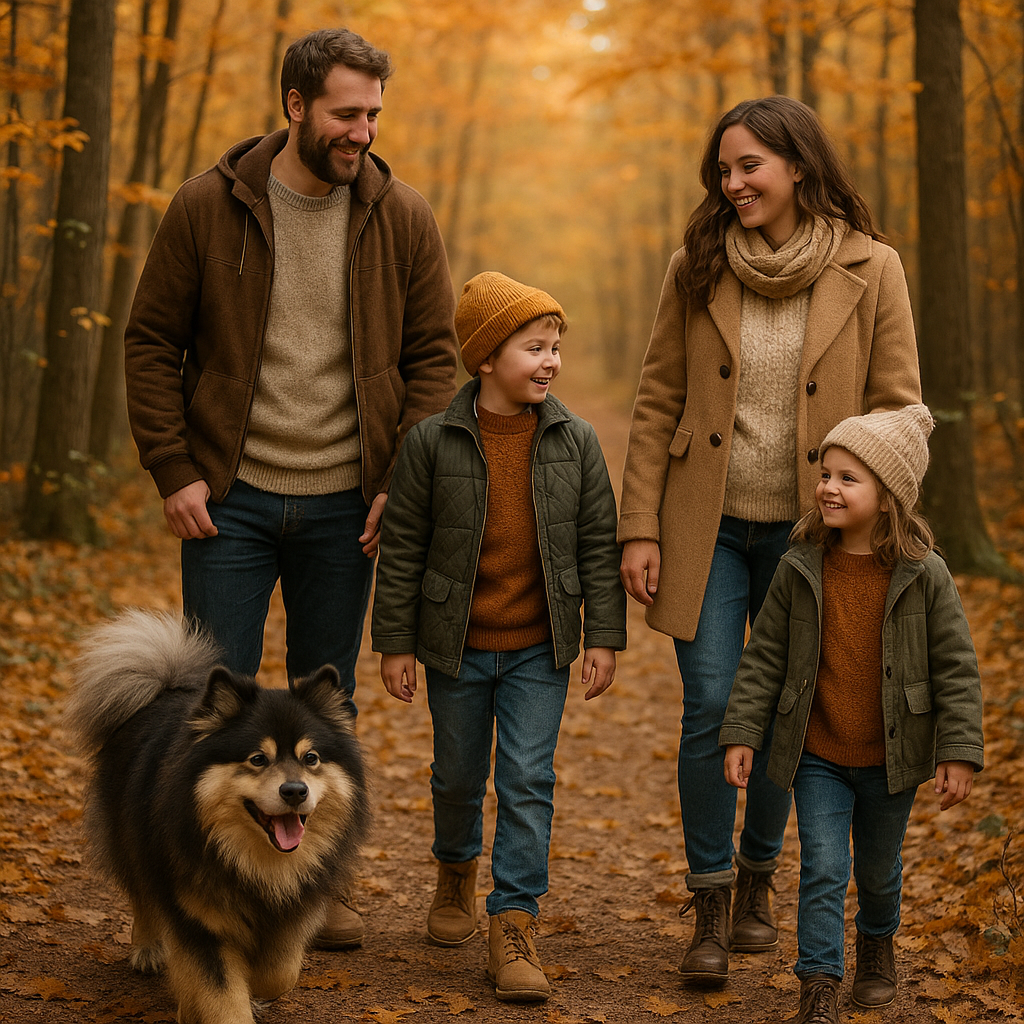
Daily, it is observed that this Nordic dog quickly understands that the house is a shared living space. With the youngest, it is gentle, almost cautious, watching their comings and goings like a peaceful pack leader. In an active household, it becomes a companion for walks and relaxation moments, capable of staying calm by your side when tranquility prevails.
Choosing a Finnish Lapphund
Contacting a Breeder
Before giving in to a crush, take the time to visit several breeders. A serious professional will provide health test results of the parents, detail the litter’s character, and explain the genealogical history. Dogs from lines still working with breeders often show a more pronounced instinct.
Price and Budget
A Finnish Lapphund puppy generally costs between €1,200 and €1,800, depending on the breeder’s reputation and the quality of the origins. Purchase costs are added to sterilization, vaccination, health insurance, and food expenses, which can reach several hundred euros per year. It is therefore preferable to budget each item and anticipate veterinary unforeseen expenses.
Compatibility with Your Lifestyle
This dog thrives in a home where it can both receive company and find dedicated times for physical activity. If you work long days, it is better to plan for a dog-sitter, boarding, or experience in a dog daycare. Conversely, a teleworker with a garden will benefit from a true Nordic camaraderie.
FAQ
- At what age to start training?
- Ideally from 8 weeks, learning basic commands (sit, lie down, recall) integrates naturally if each session remains short and playful.
- Does the Finnish Lapphund tolerate heat?
- It tolerates high temperatures better than one might think, provided outings are adapted to the coolest hours and fresh water is always available.
- Is it noisy?
- It barks to signal an intrusion or express enthusiasm. Early socialization and sufficient exercise limit excessive vocalizations.
- Can it live in an apartment?
- Yes, provided outings are multiplied, occupation games are offered, and its emotional balance is monitored.
- What diet?
- A diet rich in quality proteins, based on lean meats and vegetables, meets its energy needs. Adjust portions according to its activity.