
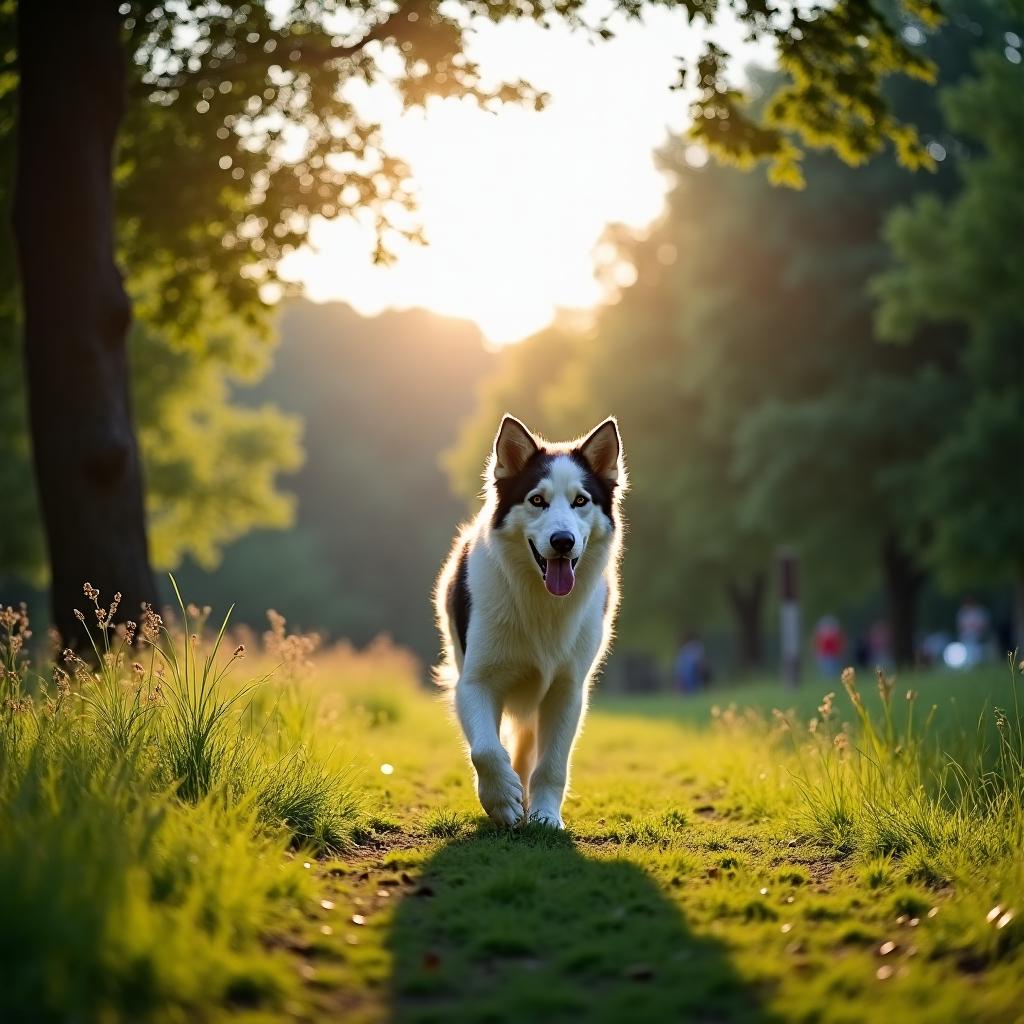
| Key Points | Details to Remember |
|---|---|
| 🩺 Definition | Identify common conditions of the Swiss Shepherd |
| 🦴 Dysplasia | Recognize signs of joint disorders |
| 🐕 Myelopathy | Prevent deterioration of the spinal cord |
| 🌿 Allergies | Detect skin or digestive flare-ups |
| 🍽️ Nutrition | Adapt the diet to the dog’s needs |
| 📆 Monitoring | Plan regular veterinary visits |

The Swiss Shepherd can develop joint, neurological, or skin disorders if not monitored. A proactive strategy—diet, appropriate exercise, and regular check-ups—helps limit the impact of these conditions and offers your companion an active and comfortable life.

1. Joint Problems
Joint disorders often affect large breeds. In the Swiss Shepherd, hip dysplasia and elbow dysplasia are among the most common, causing limping and chronic pain.
To remember: early detection and appropriate management reduce the progression of osteoarthritis.
Hip Dysplasia
This congenital malformation of the hip joint causes premature cartilage wear. You will notice: a stiff gait, difficulty getting up, sometimes a change in behavior related to pain.
- Signs: limping, difficulty jumping.
- Diagnosis: X-rays performed around 12–18 months.
- Management: controlled weight, joint supplements (glucosamine, chondroitin).
A program of gentle exercises, such as swimming, strengthens muscles without overloading the joints.
Elbow Dysplasia
Less publicized, elbow dysplasia remains common in rapidly growing puppies. The most typical form is characterized by bone fragments or poor union of the humeral condyles.
- Signs: front limb limping, stiffness after rest.
- Diagnosis: clinical examination and dynamic X-rays.
- Treatment: sometimes surgical, otherwise anti-inflammatories and physiotherapy.
2. Degenerative Conditions

Beyond the bones, the spinal cord can undergo degeneration. Degenerative myelopathy gradually causes loss of coordination and, in advanced cases, partial paralysis.
To remember: neurological monitoring and proprioceptive exercises slow the progression.
Degenerative Myelopathy
Generally appearing between 7 and 9 years old, this disease degenerates over several months. Symptoms begin with a dragging gait in the hind limbs and difficulty jumping.
- Monitoring: behavioral tests, reflex examination, MRI.
- Management: hydrotherapy sessions to stimulate propulsion, orthoses to support the legs.
“Early management significantly improves quality of life and limits ankylosis,” emphasizes Dr. Martin Lefèvre, veterinary neurologist.
3. Skin and Allergic Problems
The dense coat of the Swiss Shepherd can promote certain dermatological conditions. Dermatitis and allergies, whether food-related or environmental, cause itching, redness, and secondary infections.
Key point: maintaining healthy skin relies on proper hygiene and quality nutrition.
Dermatitis
Irritations can come from parasites (fleas, mites) or infectious agents (bacteria, yeasts). Itchy skin quickly worsens into oozing lesions.
- Prevention: regular brushing, gentle and antiparasitic shampoos.
- Treatment: antibiotics or antifungals depending on the causative germ.
Food and Environmental Allergies
Intolerances manifest as digestive disorders or red patches. Common allergens: wheat, soy, mites, pollens.
- Diagnosis: elimination diet for 8 to 12 weeks.
- Solutions: hypoallergenic kibble, lean meat puree, desensitized environment.

4. Preventive Care and Best Practices
A structured routine protects your Swiss Shepherd from the most common diseases. Nutrition, exercise, veterinary follow-up, and hygiene form an effective foundation.
Key point: a personalized plan, adjusted to age and lifestyle, ensures lasting balance.
Adapted Nutrition
Choose kibble rich in quality proteins, with controlled calcium and phosphorus intake. Omega-3 and antioxidant supplements strengthen the skin and joints.
Physical Activity
The Swiss Shepherd needs 1 to 2 hours of moderate exercise per day: hiking, search games, swimming. Low-impact activities protect the cartilage while building endurance.
Regular Veterinary Follow-up
Two annual consultations allow assessment of weight, dental wear, dysplasia screening, and vaccinations. An annual blood test guides early treatment in case of metabolic dysfunction.
5. Hygiene and Well-being
Serious maintenance prevents irritations and infections. Weekly brushing and a quarterly bath protect the dense coat from mats and moisture.
Key point: clean skin and well-groomed coat prevent a wide range of skin problems.
- Clean the ears to avoid otitis.
- Trim the nails to limit pad deformation.
- Check daily for ticks and fleas.
FAQ
What are the first signs of hip dysplasia?
You will notice a stiff gait, difficulty getting up, and sometimes limping after a period of rest.
How to detect a skin allergy in a Swiss Shepherd?
A dull coat, incessant scratching, and red patches may indicate allergic dermatitis.
What diet should be favored to prevent osteoarthritis?
Choose kibble rich in proteins, with glucosamine-chondroitin and omega-3 supplements to protect the joints.
At what age should radiographic screenings begin?
Screening X-rays for dysplasia are ideally performed between 12 and 18 months.
How to slow down degenerative myelopathy?
Hydrotherapy, physiotherapy, and proprioceptive exercises help preserve mobility longer.