

Feeding your dog well means offering more than just food: it guarantees energy, vitality, longevity, and daily happiness. Nutrition plays a key role in physical, mental, and behavioral health. Kibble? Homemade meals? BARF? Each option has its advantages, limitations, and requirements. This guide helps you make the right choices, adapted to your lifestyle and especially to your dog. 🐶🥦
🧠 Understanding the nutritional needs of the dog
Contrary to popular belief, a dog is not a simple “strict carnivore”. It is an opportunistic carnivore, capable of digesting both animal proteins and certain carbohydrates, vegetables, and fruits. Its diet must cover several fundamental needs: proteins for muscles, fats for energy, digestible carbohydrates, vitamins, minerals, fibers… An unbalanced diet can lead to deficiencies, overweight, digestive disorders, or chronic diseases. It is therefore essential to choose quality food, adapted to its age, weight, activity level, and any possible health conditions. Whether you opt for kibble, wet food, BARF or homemade meals, the supervision of a veterinary nutritionist is always a plus to ensure meal balance and preserve long-term health.
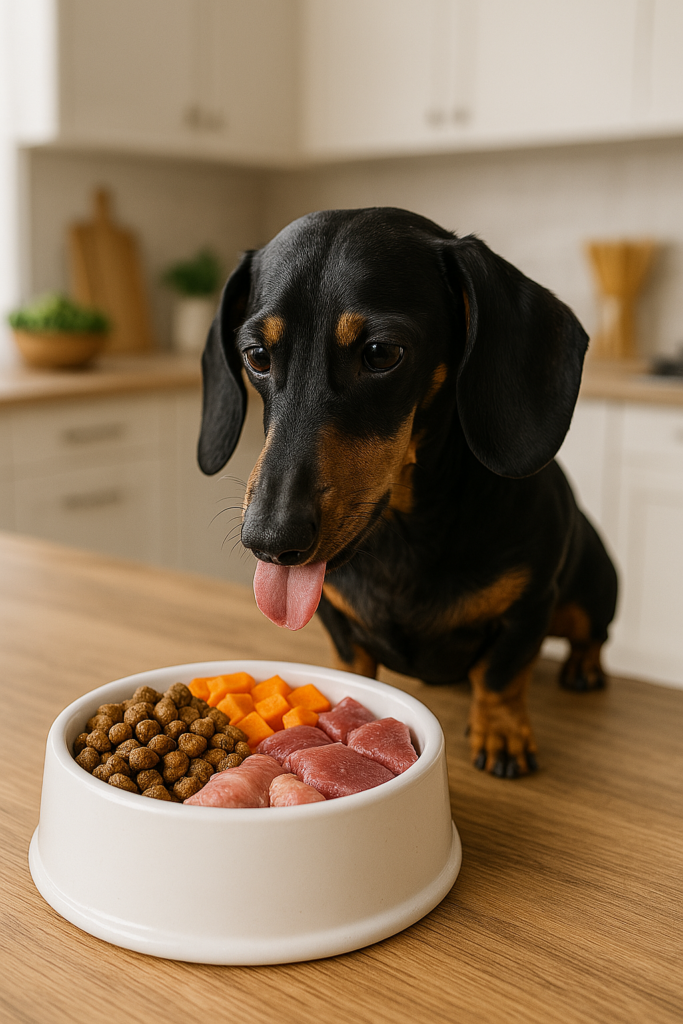
🍲 Kibble, wet food, homemade meals: what to choose?
Each type of nutrition has its advantages and constraints. Kibble is practical, easy to measure, and stable over time. Provided you choose a quality brand (rich in meat, without unnecessary grains), it suits most dogs. Wet food is more appetizing but wetter, more expensive, and can promote tartar. Homemade meals allow total control over the composition but require rigor, veterinary advice, and supplements to avoid deficiencies. BARF (raw feeding) appeals to some owners but requires impeccable hygiene and excellent knowledge of canine nutritional needs. Whatever the choice, it must be consistent with the dog’s lifestyle, preferences, health status, and your ability to maintain the regularity and balance of its meals.
- ✔️ Kibble: practical, economical, easy to store
- ✔️ Wet food: tasty, useful for elderly or sick dogs
- ✔️ Homemade meals: customizable, natural, but demanding
🥩 BARF and raw feeding: a real good plan?
BARF (Biologically Appropriate Raw Food) consists of feeding your dog a raw diet based on meat, meaty bones, offal, raw vegetables, and sometimes supplements. This method appeals to more and more owners keen to “return to natural.” The benefits: a shiny coat, improved digestion, reduced intestinal activity. But BARF demands rigor, strict hygiene, and good knowledge of calcium, phosphorus, taurine needs, etc. Poorly balanced, it can cause serious deficiencies or dangerous excesses. Moreover, some dogs do not tolerate it well (elderly, sensitive, or sick dogs). Before starting, it is better to consult a veterinarian trained in nutrition or a BARF specialist to establish adapted, evolving rations and guarantee food safety for the dog and its family.
🐶 Adapting the diet according to the dog’s profile
A puppy does not have the same needs as a senior dog. A sporty husky does not eat like a sedentary shih tzu. And a sterilized dog tends to gain weight more easily. Therefore, the ration must be adapted to each stage of life, size, weight, activity level, and any possible pathologies (renal failure, diabetes, allergies…). It is important to regularly weigh your dog and observe its body condition (visible or palpable ribs, marked waist, general vigor). Adjustments should be made gradually, avoiding sudden changes. Regular follow-up with a veterinarian helps anticipate issues (overweight, deficiencies) and maintain an optimal nutritional balance, which ensures vitality and longevity.
❌ Dietary mistakes to absolutely avoid
- 🚫 Giving table scraps: too salty, too fatty, unbalanced
- 🚫 Changing diet without transition: risk of diarrhea
- 🚫 Giving toxic foods: chocolate, grapes, onion, avocado…
- 🚫 Overdosing supplements: can create imbalances
- 🚫 “Low-end” kibble packed with cereals and by-products
🥣 Accessories and tips for proper feeding
For good nutrition, it is not enough to choose the right foods: you must also manage their distribution well. Using suitable bowls (height, non-slip, material) contributes to digestive comfort. Anti-gulping bowls, for example, slow down ingestion and reduce the risk of stomach torsion. Licking mats are excellent for soothing and gently stimulating. And for obese or rehabilitating dogs, dispenser toys allow them to “work” for their food while limiting boredom. Dividing meals (2 to 3 per day) helps stabilize blood sugar and limit appetite spikes. By adapting not only the content but also the way you feed your dog, you optimize both its digestion, eating behavior, and overall well-being.
📊 Comparison of types of feeding
| Type | Advantages | Disadvantages |
|---|---|---|
| Kibble | Practical, economical, good preservation | Quality very variable depending on brands |
| Pâté | Appetizing, hydrating | More expensive, promotes tartar |
| Homemade ration | Personalized, natural | Requires rigor and veterinary advice |
| BARF | Digestibility, coat, transit | Risk of deficiencies or imbalances |
❓ FAQ
Should I vary my dog’s diet?
Not necessarily. If you use a quality, stable, well-tolerated diet, it is often better to maintain some regularity. If you change, do so gradually over 7 to 10 days.
Are grain-free kibbles better?
Not always. It’s not the presence or absence of grains that matters, but their quality, digestibility, and the proportion of animal proteins. Some grain-free kibbles are very good… others are not.
Should I give supplements?
Only if a deficiency is identified, or in the case of homemade rations. Always ask a veterinarian or canine nutritionist for advice.
🗣️ Testimonial
“My dog Max had chronic diarrhea with his old kibble. Switching to a well-managed homemade diet changed everything: his coat became soft, his energy returned, and he regained his appetite. It takes a bit of work, but it’s so worth it.” — Julien, 29 years old
🔚 Conclusion
Feeding your dog well means giving him all the cards for a long, active, and peaceful life. There is no universal magic formula: every dog is different, and what works for one may not suit another. Observe, test, adjust. And if you have any doubts, don’t hesitate to consult a professional. Good nutrition is love, knowledge… and a little salmon oil on the kibble. 🐕✨
🩺 The impact of diet on overall health
What your dog eats directly influences his health on all levels. A diet rich in good fatty acids improves coat quality and reduces itching. Quality proteins support muscle mass, especially in active or older dogs. A good phosphocalcic balance preserves bones and joints. And healthy digestion allows better nutrient absorption, regular transit, and a stronger immune system. Conversely, an unbalanced or inappropriate diet can cause obesity, skin disorders, chronic digestive problems, or even more serious long-term diseases. Feeding smartly is investing in your companion’s vitality, longevity, and quality of life.
📦 Storage, dosing, and best practices
Good food poorly stored can quickly become a danger. Kibble must be stored in an airtight container, away from heat and humidity. Avoid leaving bags open to the air for too long. For homemade rations or raw foods, maintaining the cold chain is essential. Use a scale to weigh portions — don’t rely on your eye or hand. Always adjust quantities based on weight, activity, and seasons (some dogs eat less in summer, for example). And above all, stay attentive to changes in your dog’s eating behavior: loss of appetite or excessive hunger may reveal an imbalance or an underlying health problem.
🍏 Safe vs toxic foods for dogs
| Safe foods (in moderate amounts) | Toxic foods |
|---|---|
| Carrots, zucchini, seedless apples | Grapes, chocolate, onions, garlic |
| Lean meats well cooked | Avocado, raw leavened dough, macadamia nuts |
| Rice, sweet potatoes, oatmeal flakes | Alcohol, coffee, tea, sweeteners (xylitol) |
📅 Example of a balanced homemade menu (household ration)
Morning: 50% white meat (chicken, turkey), 25% cooked vegetables (carrots, green beans), 25% brown rice + rapeseed oil + mineral supplement
Evening: white fish (hake), steamed zucchini, sweet potato, a bit of cottage cheese
This type of menu should be approved by a veterinarian or nutritionist, depending on your dog’s weight, age, and specific needs.