

A well-groomed dog is a happier, healthier, and often calmer dog. Regular care helps prevent many diseases, detect problems early, and strengthen the bond with your companion. From baths to teeth, nails to ears, every detail counts. This practical guide gives you all the steps to keep your dog in top shape. 🐶🩺
🩺 Why regular care is essential
Taking care of your dog is not just about feeding and walking them. It also means being attentive to their hygiene and overall health. Regular care helps prevent infections, chronic pain, parasites, and daily discomforts. By observing and handling your dog, you will learn to quickly spot abnormal signs: a dirty ear, dull fur, bad breath, excessive scratching… The more responsive you are, the more you avoid serious and costly complications. Grooming, cleaning ears and eyes, brushing teeth, or trimming nails are simple actions that, when done regularly, strengthen your companion’s health. Moreover, these moments reinforce the trust relationship between you and your dog, while making vet visits less stressful.
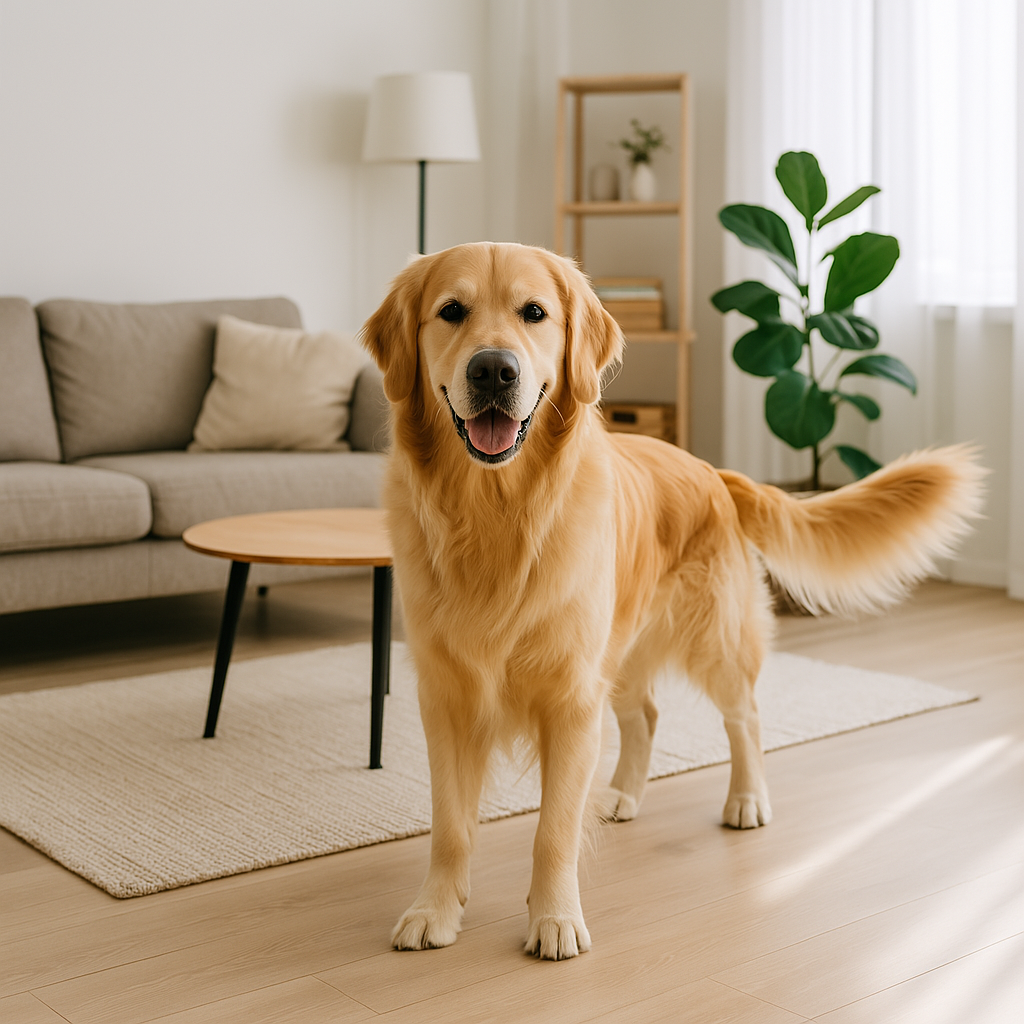
🛁 Bathing and coat care

Your dog’s coat is a health indicator in its own right. Soft, shiny, and odorless fur often reflects a healthy animal. Regular brushing (1 to 3 times a week depending on the breed) removes dead hair, aerates the skin, and strengthens the emotional bond. Bathing is not systematic: once every 1 to 3 months is enough, except in special cases (rolling in mud, oily skin, allergy). Always use a dog-specific shampoo with a neutral pH to avoid irritating the skin. Avoid human products, even mild ones, as they can cause irritation or skin imbalances. After the bath, dry your dog well, especially if they have a dense undercoat, to prevent irritations or fungal infections. A good maintenance routine contributes not only to their outward beauty but also to their comfort and overall health.
🦷 Teeth, eyes, ears, nails: the essentials
These areas are often neglected… wrongly so. Teeth accumulate tartar and bacteria, promoting infections and pain. Regular brushing (2 to 3 times/week) or alternatives (dental chews, sprays) limit damage. Eyes should remain clear: wipe them with a compress if secretions appear. Ears, especially in dogs with floppy ears, must be cleaned regularly with a suitable lotion. Warning: never use cotton swabs! Finally, nails should be trimmed if they do not wear down naturally. Too long, they hinder walking and cause pain. Don’t hesitate to call a groomer or vet if you don’t feel comfortable doing it yourself.
🌡️ Seasonal care and parasite prevention
Each season brings its share of specific care. In summer, watch out for heatstroke, burned paw pads, and ticks. Rinse paws after walks and provide fresh water continuously. In winter, monitor cracks on paw pads (salt can irritate), and dry your dog well after outings. In spring and autumn, parasites explode: fleas, ticks, mosquitoes… Use effective antiparasitics, natural or chemical depending on your preferences. Also consider adjusting treatment frequency based on infestation levels in your region. For sensitive dogs, protective clothing or repellent products can offer an additional barrier. Increased vigilance during these critical periods will help preserve your dog’s health throughout the year.
🧴 Recommended products for care
- ✔️ Mild shampoo with neutral pH (e.g.: special for sensitive skin, anti-itch)
- ✔️ Brush suitable for the type of coat (long hair, short, curly…)
- ✔️ Alcohol-free veterinary ear cleaner
- ✔️ Safety nail clippers with limiter or electric file
- ✔️ Enzymatic toothpaste special for dogs + soft brush
🚫 Signs to watch for and common mistakes
- Not checking between the paw pads (foxtails, cuts…)
- Forcing too frequent baths which weaken the skin
- Using human products (shampoos, scented wipes)
- Neglecting the ears: a common source of ear infections
- Not desensitizing your dog to care from a young age
🗣️ Testimonial
“I used to neglect my dog’s care, thinking the vet would take care of it. Then he had recurring ear infections, then a dental infection… Since I do a home check-up once a week, nothing anymore! And on top of that, he loves these shared care moments.” — Cécile, 47 years old
❓ FAQ
How often should I cut my dog’s nails?
Every 3 to 5 weeks, depending on natural wear. If you hear the nails clicking on the floor, they are too long!
My dog hates having his paws touched, what should I do?
Desensitize gradually: touch for one second, reward, slowly increase the time. Never force.
Can you wash a dog with baby soap?
No. Even if mild, the pH is not suitable and can damage the skin or coat. Use a specific dog shampoo.
📊 Summary table of care
| Area | Frequency | Advice |
|---|---|---|
| Coat | 1-3x/week | Suitable brush, check for parasites |
| Teeth | 2-3x/week | Brush + canine toothpaste |
| Ears | 1x/week | Mild lotion, no cotton swabs |
| Nails | 1x/month | Nail clippers or file, watch for quick |
| Bath | Every 1-3 months | Specific neutral pH shampoo |
🔚 Conclusion
Taking care of your dog is much more than a hygiene duty: it is a ritual of trust and love. Each regular care allows you to detect an anomaly, relieve discomfort, and strengthen the bond. It is by performing these simple gestures that you contribute every day to his health and happiness. And a well-cared-for dog… is a dog that gives back a hundredfold. 🐕🧴
🧠 Care and emotional well-being
Physical care also has a mental impact. A dog that is handled gently, regularly, in a calm context, learns to trust. Brushing becomes a caress, cleaning a reassuring routine. These gestures strengthen the bond and reduce anxiety. Many dogs suffering from tactile hypersensitivity improve when these manipulations are introduced progressively and positively. Care becomes a form of communication — silent, but powerful.
🗓️ Example of a weekly routine
- Monday: checking paw pads and claws after a walk
- Wednesday: brushing and checking coat, eyes, and ears
- Friday: ear cleaning + relaxing massage
- Sunday: mini full check-up + nail trimming if needed
By establishing a clear routine, you reduce your dog’s stress, facilitate future care, and improve responsiveness to health abnormalities.
🐩 Adapting care according to the type of dog
Not all dogs have the same needs. A long-haired dog (such as a collie, spitz, bichon) should be brushed several times a week, with detangling and knot trimming if necessary. Short-haired dogs have a coat that is easier to maintain, but their skin is often more sensitive. Sporting breeds (such as Malinois, Border Collie) are more exposed to injuries, ticks, and irritations — a post-outing check-up is recommended. Older dogs, finally, require more attention: bedding padding, mobility checks, monitoring signs of arthritis or joint pain, enhanced dental care… Adapting care to your dog’s morphology, age, activity, and sensitivity helps better prevent problems and offers them an optimal quality of life.
🚨 Warning signs to watch for
| Symptom | What it may indicate |
|---|---|
| Persistent bad breath | Dental problems, digestive infection |
| Excessive scratching | Allergy, parasites, skin disorder |
| Ear odor + redness | Otitis or yeast infection |
| Altered gait | Overgrown claws or joint pain |
| Dull hair, dandruff | Deficiencies or dietary imbalance |
👶 Getting a puppy used to care
The earlier you start, the easier it will be. The puppy learns quickly, provided the handling is short, gentle, and associated with rewards. Hold their paw for a few seconds → treat. Touch the ear → petting. Present the brush without brushing → praise. Don’t seek perfection right away. Repeat a small gesture every day, and gradually increase the duration. Within a few weeks, the puppy will consider these care routines natural… even enjoyable!