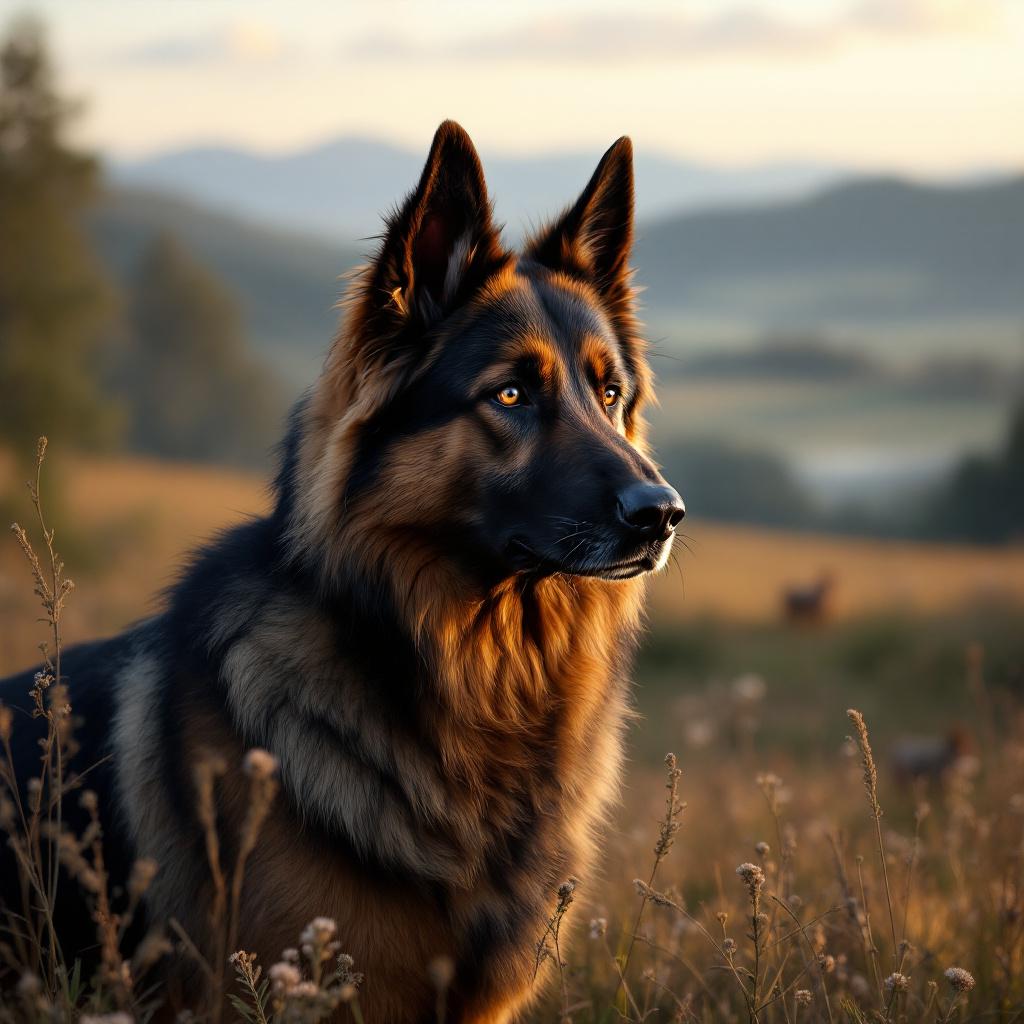

The Altdeutscher Schäferhund embodies a rare balance between rustic robustness and instinctive elegance. Much more than just a German shepherd, it carries a rural heritage that appeals as much to breeding enthusiasts as to lovers of loyal companions. From its mountain ancestors to exhibition rings, let’s dive together into the world of this breed with timeless charm.
🧐 Ancestral origins: originating from the Bavarian alpine pastures, this dog has retained its athletic profile thanks to a selection focused on endurance rather than standardized beauty.
🏃♂️ Intense exercise: expect a companion who demands at least 1h30 of daily activity, including long walks, games, and olfactory stimulation.
🤐 Sharp intelligence: its learning ability rivals that of the best working dogs, but it quickly gets bored without varied challenges.
🦾 General robustness: solid health, some joint predispositions to monitor, and a balanced diet to preserve its musculature.
Origins and history
In the 19th century, Bavarian farmers shaped a dog capable of patrolling acres of alpine pastures. They sought a vigilant companion, able to guard the herd against nocturnal predators without sacrificing speed.
The rising popularity of this “rustic shepherd” attracted the attention of some cynophiles who, fascinated by its squarer silhouette and dense coat, wanted to distinguish it from the classic German shepherd. Gradually, German breeders founded specialized kennels, giving birth to the Altdeutscher Schäferhund as we know it today.
From Bavarian alpine pastures to royal kennels
Quickly noted for its rock-solid health and adaptability, it won local competitions before making the glory days of the royal courts of northern Europe. Its protective coat and alert gaze convinced several noble families to make it a “court dog.” It is even said that some specimens accompanied hunting parties in the forests of Schleswig-Holstein.
Physical and behavioral characteristics
Appearance and breed standards
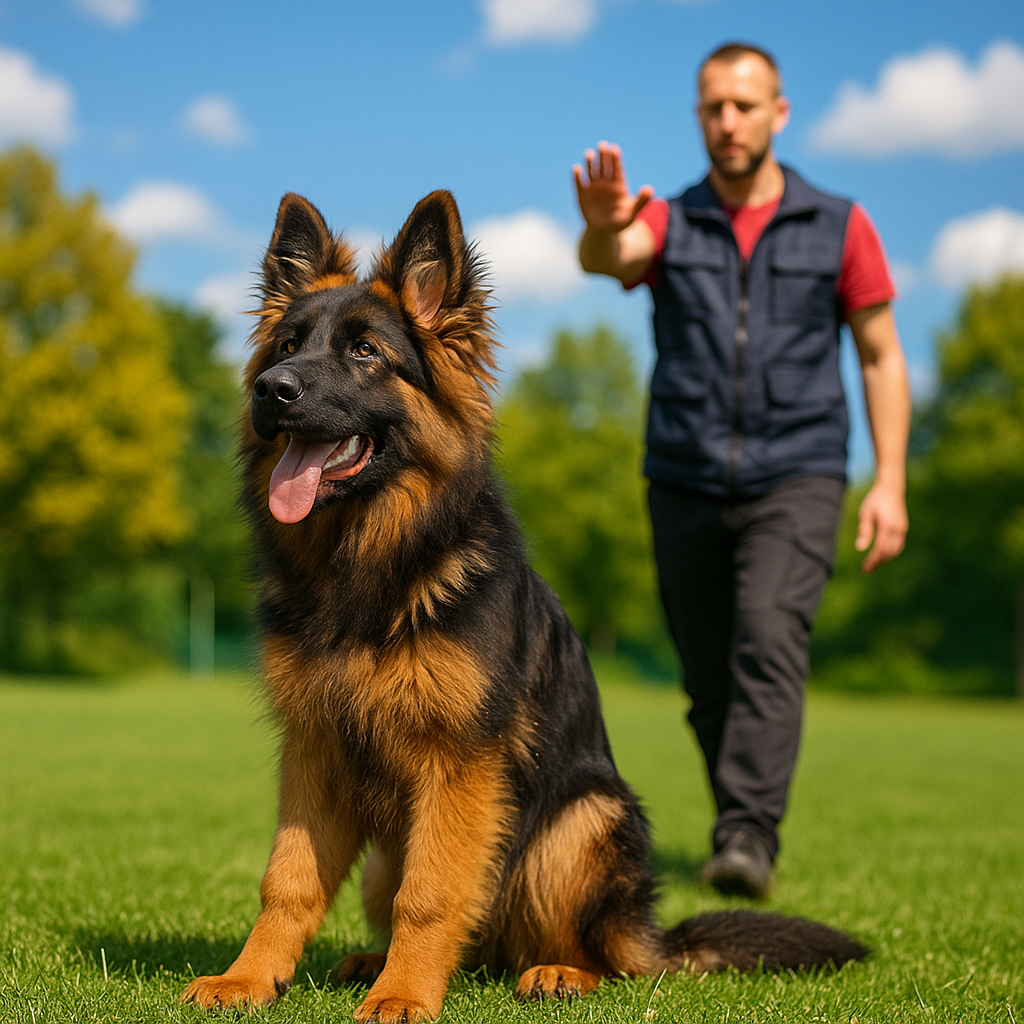
Compared to the modern German shepherd, the Altdeutscher Schäferhund displays:
- A compact and muscular build, less elongated.
- A high head carriage, with a less pronounced stop.
- A coat mostly fawn with black shading, sometimes solid black.
- Straight ears, well-proportioned, showing natural attentiveness.
The coat, medium-length, thickens in winter and adopts a particular shine when the dog is in peak condition.
Temperament and abilities
Intelligent and stable, it adapts well to various roles: herd guardian, tracking dog, or just a dynamic companion. Rarely fearful, it can however show some wariness towards strangers, making it an excellent protection dog.
One might think such a temperament requires advanced canine experience. In fact, with early socialization and a consistent framework, even a beginner owner can create a harmonious and respectful relationship.
Education and Needs
Socialization and Training
Learning must begin as soon as the dog settles at home: meeting other dogs, varied noises, and controlled play phases. Positive methods—reward, pairing treats with praise—yield faster results than training based on coercion.
Dog trainer or group classes? Both formats are possible. The key is to alternate cognitive challenges (puzzle games, scent trails) and basic obedience exercises.
Exercise and Mental Stimulation
Without 1h30 to 2h of daily activity, your Altdeutscher Schäferhund risks heating up due to boredom. Running, agility, tracking… the more you diversify, the better you channel his overflowing energy.
| Type of Activity | Recommended Duration | Main Benefit |
|---|---|---|
| Varied Walk | 60 min | Sensory Stimulation |
| Throwing Games | 20 min | Muscle Strengthening |
| Mental Exercise | 20–30 min | Boredom Prevention |
Curiosities and Anecdotes
- A specimen was officially recorded at 18 years old, a record for the breed.
- During World War II, some breeders preserved the lineage by hiding it in alpine farms.
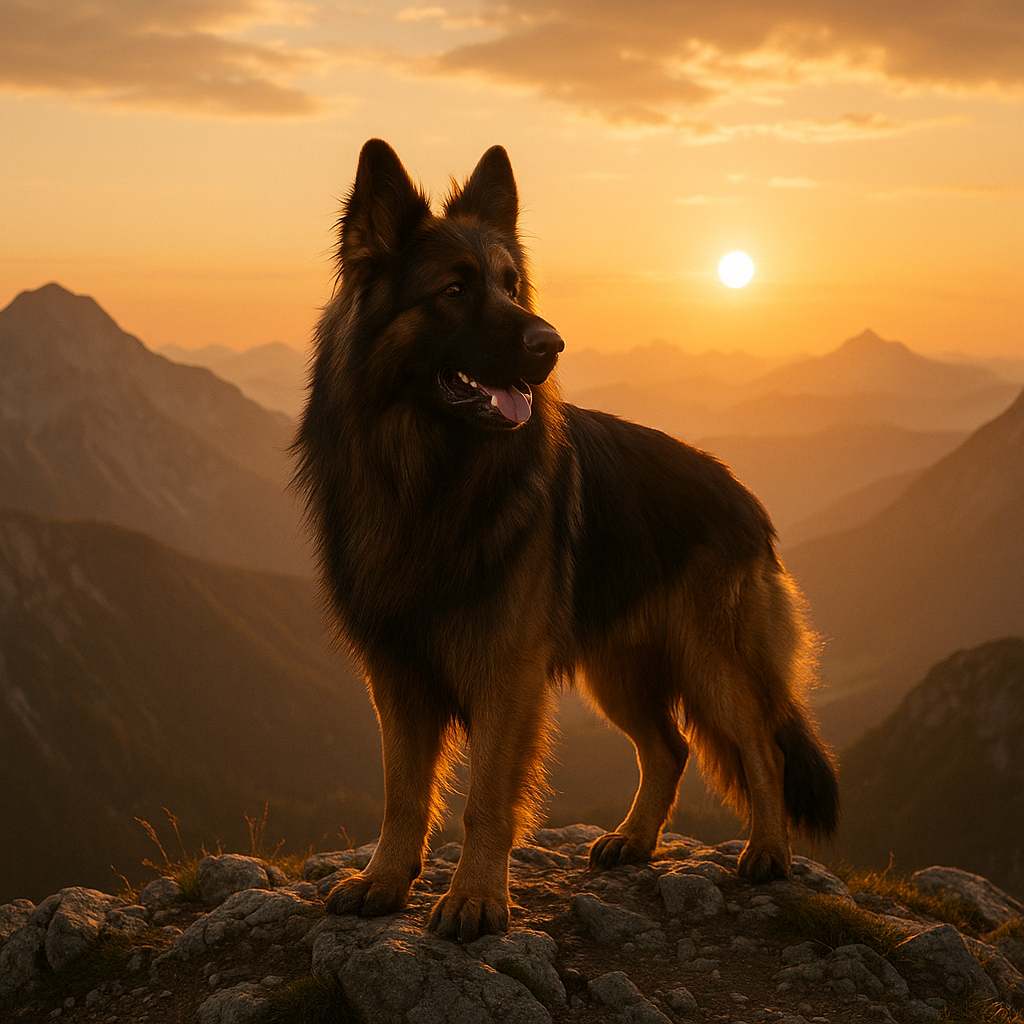
- Nicknamed “the City Dweller of the Mountain,” he adapts just as well in an isolated chalet as in an apartment, provided he gets enough outdoor time.
Feeding and Health
His muscular metabolism requires a diet rich in quality proteins (meat, fish, eggs), adjusted according to age and activity. Joint supplements—glucosamine, chondroitin—prove useful from 7 years old; overweight remains the main risk, affecting his hips and elbows.
FAQ
What is the ideal age to adopt an Altdeutscher Schäferhund?
Between 8 and 10 weeks, once weaning is complete. This period maximizes positive imprinting and socialization.
Is it suitable for families with children?
Yes, if it has benefited from careful socialization. Its impressive size can be softened by gentle and progressive training.
How much does a puppy of this breed cost?
Expect between €1200 and €1800, depending on the lineage, country of breeding, and health tests performed (HD/ED evaluations).