
Originating from a late 20th-century crossbreeding between wolf and German shepherd, the Saarloos wolfdog captivates with its wild appearance and sharp intelligence. More than just looks, this companion demands a nuanced approach and an understanding of its needs to thrive in a family environment.
In brief
🦊 Origin 1930s: created by Leendert Saarloos to bring closer the character of the wolf, this dog displays a slender build and expressive features.
⚖️ Hybrid temperament: both independent and devoted, it requires early socialization to find its balance.
🏃♂️ Intense exercise: minimum 2 hours of activity per day, including running, playing, and hiking, otherwise stress may arise.
🧠 Mental stimulation: puzzles, learning, and scent games prevent boredom and strengthen the owner-animal bond.
Origins and characteristics

Genesis of a unique breed
In the mid-1930s, Leendert Saarloos undertook to mix the European wolf with his German shepherd. The idea was to rediscover a more “primitive” facet than the classic shepherd, without sacrificing family life. From the very first litters, the wild aspect reveals itself, while maintaining an astonishing learning capacity. This unusual mix naturally sparked debate: how to reconcile the wolf’s natural instinct with canine codes? This is where the whole interest of this breed lies, whose popularity remains limited but passionate.
Morphology and distinctive signs
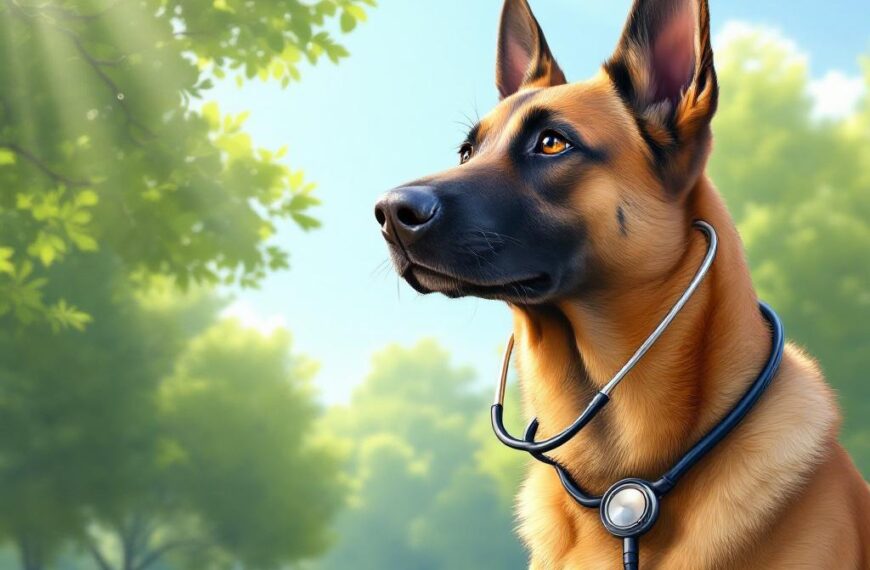
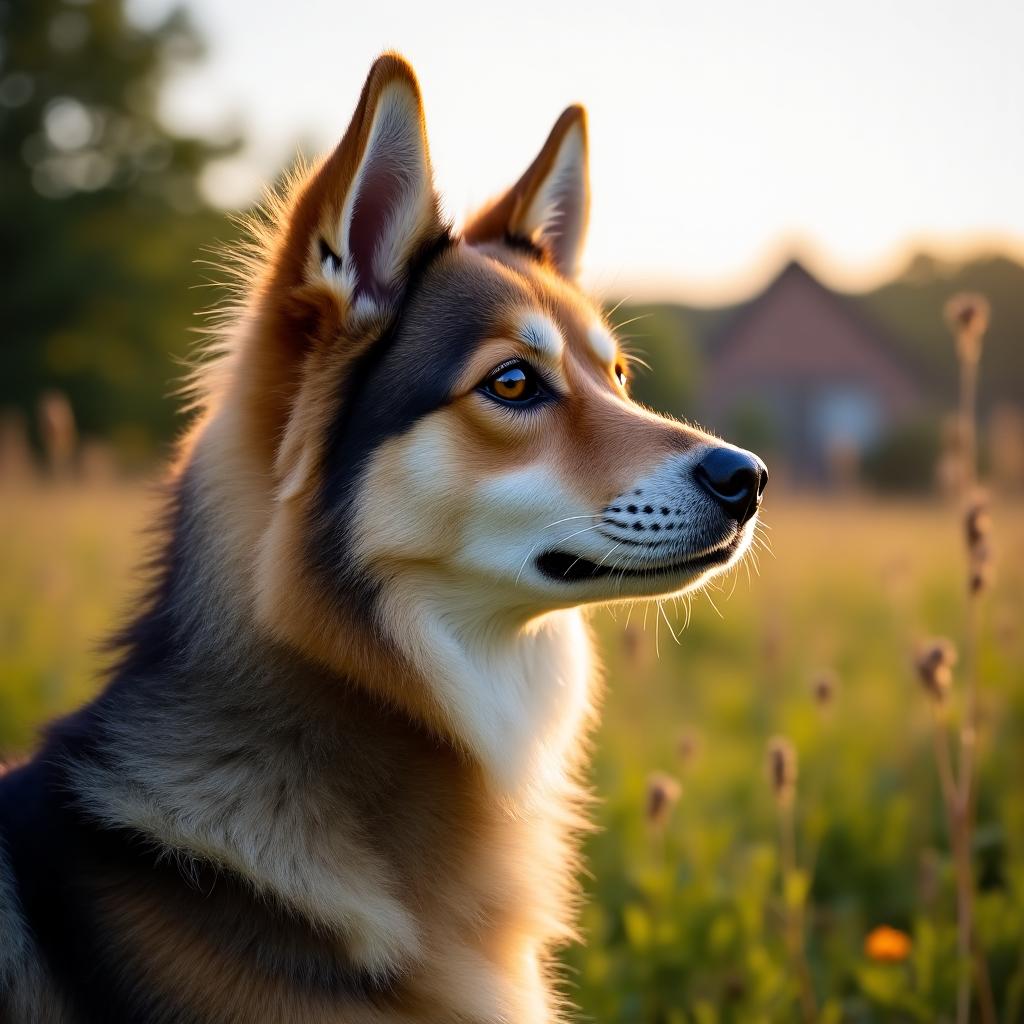
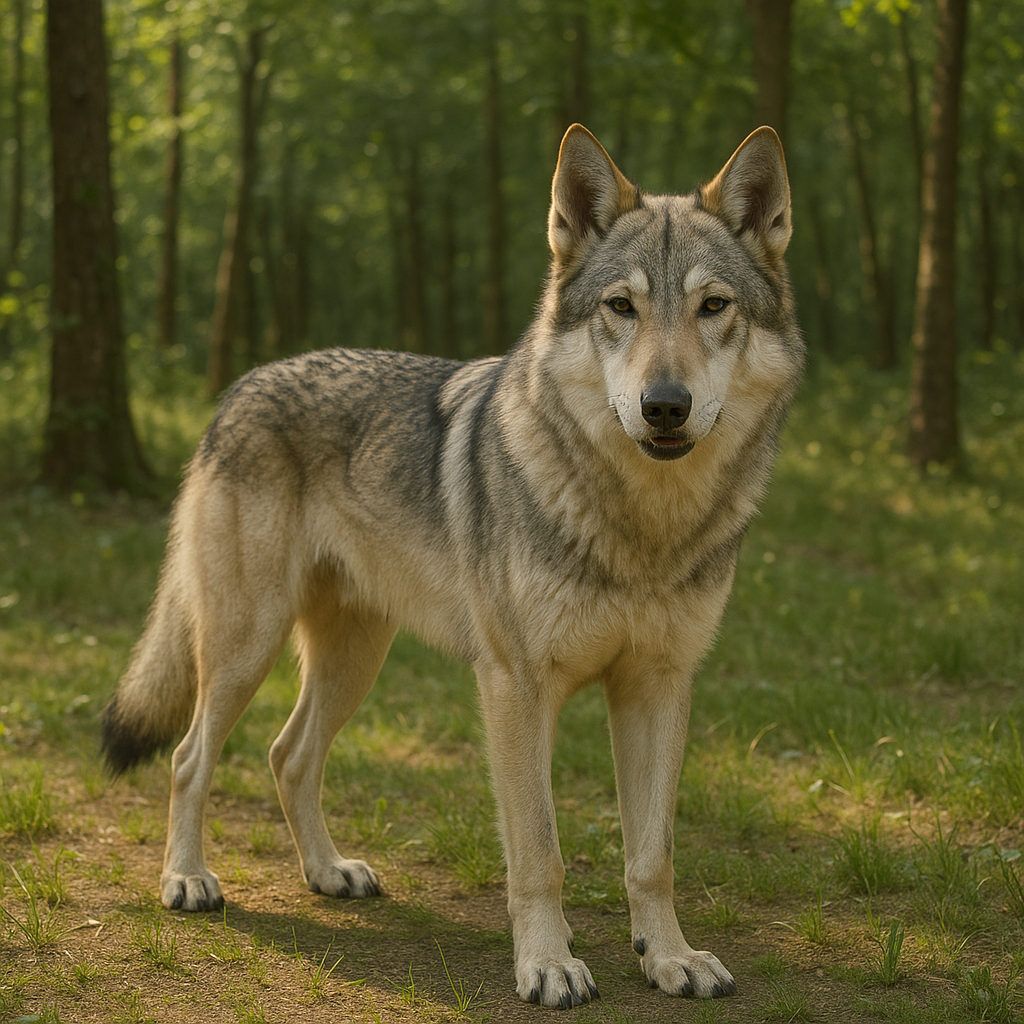
The Saarloos wolfdog displays a slender silhouette, erect ears, and a proud head carriage. Its coat, often sandy or ash gray, seems to follow the fur of wild wolves. Its movements are supple: one easily perceives its power and endurance. The almond-shaped eyes reflect a certain reserve, almost meditative: one might think it gauges each situation before diving in.
Temperament of the Saarloos wolfdog
A balance between wolf and dog
Contrary to romantic legends, it is not an “eternally wild wolfdog.” Once it has benefited from gradual socialization, it behaves like a faithful companion, always ready to explore. In truth, it is a mix of alertness and gentleness: capable of playing for hours, it can also withdraw alone to observe. This duality makes the days sometimes unpredictable: the owner must know how to navigate between complicity and respect for its space.
Relations with Family and Strangers
With close ones, attachment is built patiently. The Saarloos wolfdog is not naturally clingy; it rather approaches to share a moment of complicity, not to settle on your lap. When faced with strangers, it remains wary and may even bark to warn. Early socialization, through varied encounters from a young age, will help temper this reserve and avoid excessive suspicion.
Specific Needs of the Saarloos Wolfdog
Physical Activity
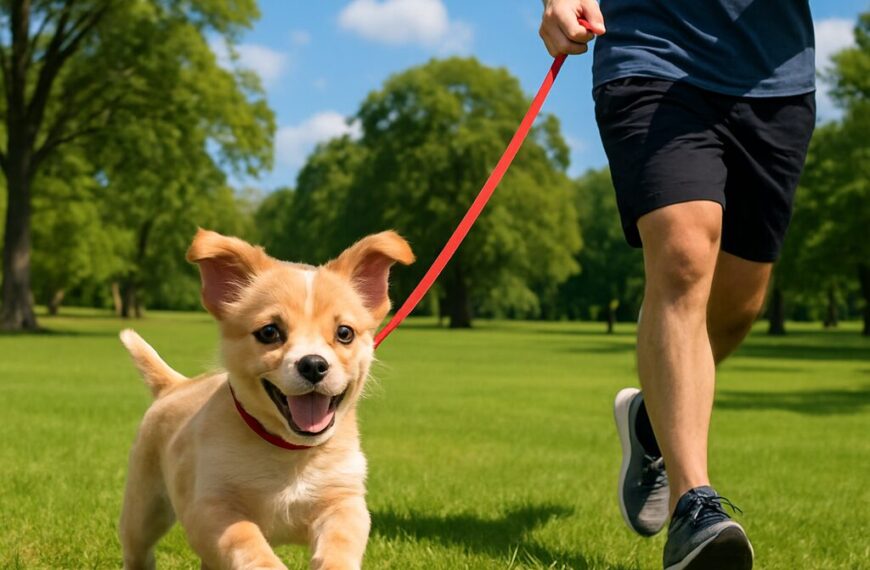
To channel the enormous energy of this breed, at least 120 minutes of daily activity is required. Hiking, running, canicross… everything is good to stimulate it. A spacious garden is not enough if you neglect dynamic outings: without physical challenge, the wolfdog may develop destructive behaviors.
Mental Stimulation
Beyond running, your companion’s brain demands challenges: tracking games, searching for hidden objects, tricks to learn. Canine puzzles or snuffle mats are often used to enrich its daily life. These activities strengthen mutual trust and prevent boredom, a source of stress and anxiety.
Socialization and Training
Training must be positive and consistent: treats, verbal encouragement, and petting count more than firmness. Introduce varied situations (noises, other animals, crowds) while maintaining a reassuring posture. Coercive methods are avoided: suspicion would prevail and learning would be hindered.
Table: Recommended Daily Time
| Type of Activity | Minimum Duration | Main Objective |
|---|---|---|
| Running/Biking | 60 min | Physical endurance |
| Intelligence Games | 20–30 min | Cognitive stimulation |
| Adapted Socialization | 15–20 min | Trust and sociability |
| Free Exploration | 30–40 min | Mental well-being |
Practical Tips for a Fulfilled Companion
- Vary the routes during walks to keep its curiosity awakened.
- Gradually introduce new scent and thinking games.
- Regular meetings with other dogs and controlled people.
- Set up a quiet space where it can retreat without being disturbed.
- Plan short and fun training sessions several times a week.
FAQ
Is the Saarloos wolfdog suitable for a beginner owner?
In reality, its independent temperament requires some experience. A motivated novice, ready to train on positive methods and invest time, can succeed, but must anticipate each step to avoid setbacks.
What is its life expectancy and common health problems?
Expect between 10 and 12 years on average. Orthopedic issues (hip dysplasia) remain rare if the wolfdog lives in a healthy environment and is well fed.
How to manage its socialization needs in the city?
Urban spaces can be stressful, but by multiplying gradual contacts with controlled stimuli (walks during off-peak hours, positive reinforcement classes), you gradually build its confidence without overwhelming it.