| Key Points | Details to Remember |
|---|---|
| 🐕 Definition | Origins and history of each breed |
| 📏 Size | Average height and weight |
| 🎭 Temperament | Character and levels of independence |
| 🏃 Exercise needs | Daily physical activity and variety of activities |
| 🧼 Coat maintenance | Regular brushing and shedding management |
| 🩺 Health | Predispositions to joint problems and life expectancy |
| 🏡 Suitable for | Apartment living, families, active people |

Choosing a dog is a bit like finding a four-legged roommate: you scrutinize their habits, personality, and needs before inviting them under your roof. The Shiba Inu, a small Asian fox with a strong character, intrigues with its independence, while the Corgi Pembroke, famous thanks to the British royal court, charms with its playful and sociable side. This article offers a comprehensive overview of these two breeds — from their physique to their daily requirements — to help you decide which one best harmonizes with your lifestyle.
Origins and physical characteristics
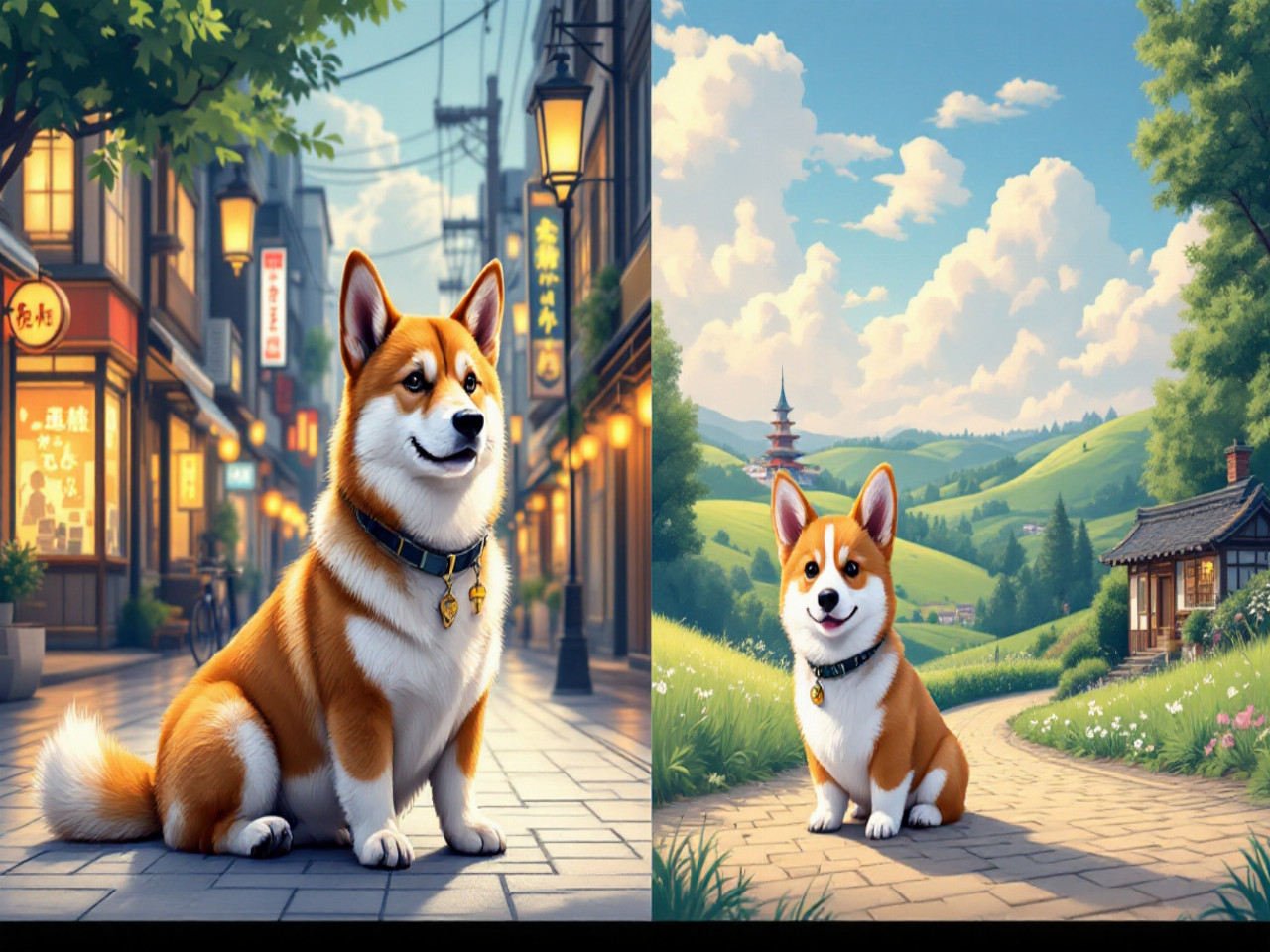
Each breed carries a very different cultural and anatomical heritage. The Shiba Inu traces its roots to ancient Japan, where it hunted small game. Its stocky build and curled tail evoke the rusticity of the Japanese mountains. Meanwhile, the Corgi Pembroke finds its history in Wales, originally used as a herding dog. Its elongated body and short legs are the result of centuries of selection to track and gather sheep.
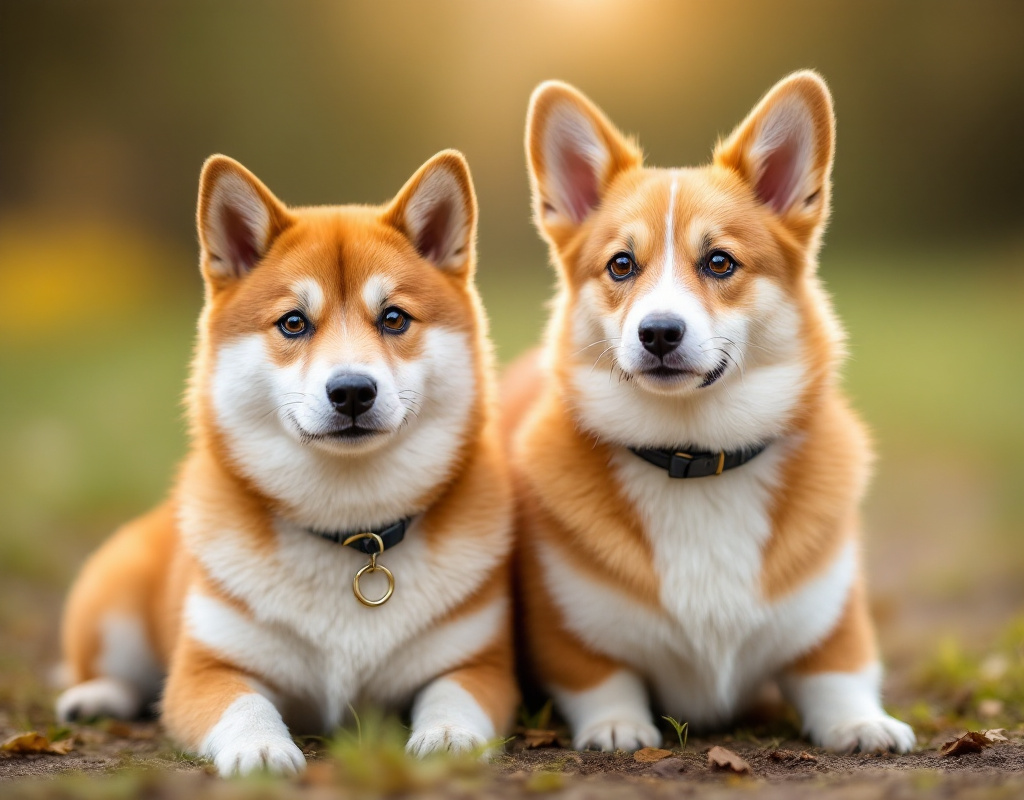
In terms of size, the Shiba Inu generally reaches 35–43 cm at the withers and weighs between 8 and 11 kg. The Corgi Pembroke stands out with its shorter height (25–30 cm) and a weight ranging between 10 and 14 kg. In both breeds, the musculature is toned, and the head carriage is proud. Coat variations (red, sesame, or black and tan for the Shiba Inu; fawn, brindle, or tricolor for the Corgi) add a touch of personality that one quickly enjoys describing during a walk.
Shiba Inu: silhouette and appearance
The silhouette of the Shiba Inu evokes a small majestic fox. Its double, dense coat, designed to withstand harsh winters, requires moderate but consistent care during the two annual sheds. The triangular head and erect ears give an alert and curious expression, enhanced by almond-shaped eyes.
Corgi Pembroke: morphological features
The Corgi Pembroke displays a long body on short legs, which provides stability and agility when facing herds. One also notices the absence of a tail or a short tail, a result of a local tradition — although today the law in some countries prohibits tail docking. The dense undercoat compensates for the limited length of the guard hairs, offering an aesthetic and protective compromise.
Temperament and Behavior
The Shiba Inu is notable for its almost feline independence. It thinks before obeying, which can confuse an inexperienced owner. In return, this hunting instinct, focused on observation, makes it an attentive and tactful companion. Just dare to use too firm a tone to see its stubbornness emerge: one might think it balks just to test your patience, but in reality, this is its way of reasoning.
The Pembroke Corgi, on the other hand, aims to be more collaborative. Sociable from a very young age, it loves to slip into the heart of the family, ready to take on the role of clown. Its quick memory and taste for rapid learning facilitate training. However, this dog can show an exceptional “bark drive”: it does not hesitate to bark to express its joy, vigilance, or alert state.
Independence vs Sociability
While the Shiba Inu sometimes settles for a solo play session, the Corgi demands human presence as a given. In a constantly moving household, the former manages solitude better; conversely, if you often work from home and appreciate constant company, the Corgi would top the list.
Intelligence and Training
Both breeds shine in intelligence, but the use of rewards differs. The Shiba Inu responds better to training based on mutual trust, whereas the Pembroke Corgi gets overexcited at the idea of earning a treat. This distinction may seem subtle, but it profoundly changes your daily approach to learning and bonding with your dog.
Exercise and Socialization Needs
To thrive, the Shiba Inu will need to engage in at least 45 minutes to 1 hour of sustained activity each day. Play or running sessions can alternate, provided they stimulate its scenting ability and intelligence. Tracking games, for example, captivate it and exhaust its mental energy more effectively than aimless walks.
The Pembroke Corgi, although smaller, literally devours kilometers. At least 1 hour of exercise, coupled with playful interactions (canine sports, agility, or flyball), is recommended. Lack of appropriate exercise generates behavioral problems, notably excessive barking or nibbling on everyday objects.
Grooming and Care
The double coat of the Shiba Inu requires weekly brushing, intensified during the two annual molts when the risk of mats and hairballs is highest. Bathing remains occasional, so as not to alter the hydrolipidic film that protects its coat. A gentle shampoo, suitable for sensitive dogs, is preferred.
The Pembroke Corgi, with a denser undercoat, benefits from at least bi-weekly grooming. Its tendency to overheat during hot weather justifies regular checks of the paw pads and skin folds. Finally, ear cleaning and nail trimming every four to six weeks are planned to avoid complications.
Health and Longevity
The Shiba Inu enjoys a lifespan of about 12 to 15 years, which generally reflects rather remarkable robustness. Among recurring issues, hip dysplasia and some eye conditions (lens luxation, cataract) are noted. Annual veterinary check-ups, accompanied by preventive X-rays, allow early detection of these anomalies.
The Pembroke Corgi, slightly more fragile, lives on average 12 to 14 years. Vigilance is maintained regarding predisposition to dysplasia, sciatica, and degenerative myelopathy, a neurological disease sometimes observed in older subjects. Regular monitoring of the spine and liver function ensures peaceful aging.
Which Dog Suits Your Lifestyle?
Your daily routine, your housing, and your availability are the key criteria to decide between these two furry companions. Here are some scenarios to consider:
- Apartment living: the Shiba Inu is content with less space provided it is sufficiently stimulated. The Corgi, being noisier, would require frequent outings to avoid boredom.
- Families and children: both adapt, but the Pembroke Corgi, docile and playful, is more tolerant with younger kids. The Shiba, sometimes more reserved, may be less tolerant of rough gestures.
- Active people: fans of trail running or hiking will appreciate the Shiba Inu for its endurance. Those who enjoy group canine activities will find in the Corgi an enthusiastic partner who is quick to motivate.
- Experience level: if you are a beginner, the Pembroke Corgi offers easier training thanks to its desire to please. The Shiba Inu, with its strong character, suits an owner who already has some behavioral confidence.
Conclusion: Shiba Inu or Pembroke Corgi?
In the end, one cannot declare a “best” universal dog: each of these two companions displays very complementary qualities. The Shiba Inu surprises with its quiet grace and independence; the Pembroke Corgi delights with its infectious joy of living and great sociability. Choosing is mainly about assessing your own expectations and lifestyle — and letting yourself be convinced by one or the other, sometimes at first sight.
To summarize:
- The Shiba Inu excels with owners who accept a sometimes reserved companion, requiring strong intellectual stimulation.
- The Pembroke Corgi will please dynamic households, families, or individuals seeking an affectionate dog, easy to train and always ready to play.
FAQ
What is the ideal exercise duration for a Shiba Inu?
Count about 45 minutes to 1 hour per day, mixing dynamic walks and mental games.
How often should a Pembroke Corgi be brushed?
Bi-weekly brushing is sufficient for regular maintenance, intensified during shedding periods.
Is the Shiba Inu compatible with children?
Yes, if socialized early. However, it remains more reserved than the Corgi.
What health issues should be monitored in these breeds?
Hip dysplasia, spinal conditions, and for the Shiba, eye diseases.
What is the average annual maintenance cost?
Expect between €800 and €1,200 per year depending on food, veterinary care, and grooming.