
The Berger de Crau, often nicknamed the “peasant dog of the Crau,” is a faithful companion stemming from a long Provençal pastoral tradition. Very close to its chosen terrain, the Crau plain, it embodies the deep bond between man and animal in the agricultural farms of the Southeast. In this guide, you will discover its history, physical traits, character, specific needs, and advice for living well together.
1. Origins and History
The Crau, a vast stony plain located between Arles and Salon-de-Provence, is famous for its Merino sheep breed. For several centuries, shepherds have relied on robust dogs capable of withstanding heat, brushwood, and long working days.
- Medieval era: first oral mentions of the “shepherd dog of Crau.”
- 19th century: transformation and selection toward a more homogeneous standard.
- 2000s: official recognition of the breed by the SCC (Central Canine Society).
These dogs have distinguished themselves by their endurance, intelligence, and ability to guard livestock. Today, although rarer than other more popular breeds, they are experiencing a renewed interest among breeders and individuals who love Provençal heritage.
2. Standard and Physical Characteristics
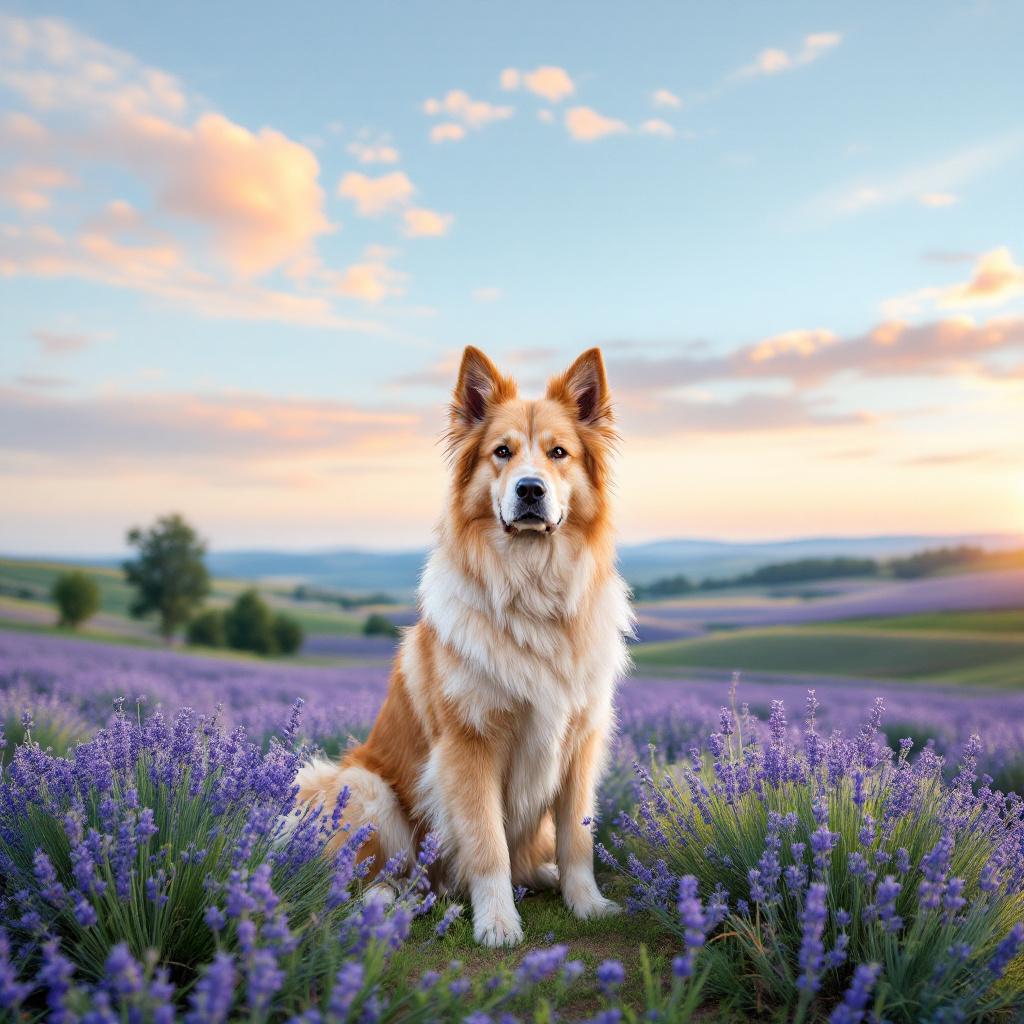
The Berger de Crau displays a rustic and harmonious physique, adapted to rugged terrain. It measures on average:
| Attribute | Detail |
|---|---|
| Male height | 60–68 cm at the withers |
| Female height | 56–64 cm at the withers |
| Weight | 25–30 kg |
| Coat | Charcoal fawn, often with a dark mask |
| Ears | Medium-sized, drooping or semi-erect |
| Tail | Long, carried low at rest |
Its dense fur protects against temperature changes and brambles, while its lively eyes reflect great curiosity and an aptitude for observation.
2.1 Coat and Maintenance
Weekly brushing is generally sufficient to remove dead hair and dust. During shedding periods, increase sessions to limit tangles. The Berger de Crau is not prone to skin problems, provided the condition of the paw pads and ears is checked regularly.
3. Temperament and Abilities
In daily life, it is a loyal dog, attentive to its owner and rather reserved with strangers. Among the notable character traits:
- Intelligence: quick to understand commands when a consistent method is adopted.
- Balance: neither too fearful nor too dominant.
- Herding instinct: persistent even when living as a companion dog.
- Endurance: it loves long walks and work in the countryside.
With family, it shows protectiveness towards children and enjoys shared activities. However, without sufficient mental and physical occupation, it can get bored and develop undesirable behaviors (running away, repetitive barking).
4. Health and Longevity
Overall, the Berger de Crau is a robust breed with a life expectancy of 12 to 14 years. Some points of caution:
- Hip: screening for dysplasia during the first years.
- Eyes: checking for the presence of hereditary eye disorders.
- Joints: adapting exercise according to age to protect the cartilage.
A quality diet, rich in protein and adapted to age, helps prevent obesity and deficiencies. Remember annual veterinary visits, including vaccinations and a blood test.
5. Education and Activities
The Berger de Crau responds particularly well to positive reinforcement: treats, toys, or verbal praise. A progressive and consistent training allows:
- Socialization (puppy from 2 months): varied contacts, dog shows.
- Basic commands (sit, lie down, heel).
- Advanced training (tracking, agility, herding).
Recommended activities:
- Pastoral and herding (for enthusiasts).
- Hiking in the mountains or on coastal trails.
- Dog sports (obedience-rhythm, tracking).
6. Breeding and Rearing
To preserve the breed’s characteristics, serious breeders carry out:
- Hip and elbow dysplasia tests.
- A complete eye examination.
- Genealogical selection over several generations.
The average litter size is around 5 to 7 puppies. It is recommended to reserve your puppy from a recognized breeder, ideally a member of the Berger de Crau Club, to guarantee conformity to the standard and health traceability.
7. Adoption and Practical Advice
Whether you choose a puppy or an adult, prepare:
- A spacious living area (garden or access to the countryside).
- A daily activity program.
- Regular veterinary follow-up.
Shelters or associations for the defense of herding dogs may offer adults for adoption. As a general rule, the transition period (2 to 4 weeks) should be gentle: stable routine, reassuring words, gradual contact with the environment.
8. FAQ
- Is the Berger de Crau suitable for apartment living?
- Rather not. It needs space and intense daily exercise.
- Is it easy to groom?
- Yes, weekly brushing is sufficient, more frequent during shedding periods.
- What annual budget should be planned?
- Count between €800 and €1200 for food, care, and insurance.
- Can it live with other animals?
- With good socialization, yes, especially with other dogs.
The Berger de Crau, with its discreet charm and great intelligence, remains a regional treasure to share. If you are looking for an active, loyal companion with a rich past, this breed is made for you. Always remember to assess your ability to provide the environment it needs before committing.