
Welcoming a puppy for the first time is a mix of excitement and apprehension: you dream of cuddles and playtime, but also fear little mischiefs and unexpected events. Between the basket that seems too small, toys getting tangled, and instructions you don’t yet master… it’s not easy to know where to start. This guide accompanies you step by step: from choosing equipment to setting up their space, from potty training to organizing meals, not forgetting preparing their education and health monitoring. By the end of the reading, you will have a clear and fully customizable roadmap to offer your future companion a calm welcome (and for you, a few more nights of sleep!). 🐶
1. Selecting the Essential Equipment
Even before meeting their nose, you need to know which items will make up their new world: suitable, safe, and adaptable objects to support the puppy’s growth. You’ll see that costs can quickly add up, so it’s best to focus on the essentials.
1.1 The Bedding: Cozy Nest or Adjustable Basket?
The choice of bedding directly affects your dog’s well-being. Rather than opting for a simple cushion that’s too soft, consider an adjustable basket with a comfortable rim. Your puppy will feel secure against this little wall, and you’ll avoid them slipping underneath as they grow.
| Type of Bedding | Advantages | Disadvantages | Average Price |
|---|---|---|---|
| Basket with Rim | Head support, security | Less adaptable | 30–60 € |
| Plastic Basket | Easy to clean, durable | Less cozy | 20–40 € |
| Orthopedic Bed | Joint comfort, longevity | More expensive | 70–120 € |
1.2 Bowls and Water Availability
In the rush, we often forget fresh water and an anti-gulp bowl. Yet, a puppy needs to hydrate regularly: opt for a water fountain if you want to limit trips back and forth, and provide an anti-spill bowl if your puppy loves to play with their food.
1.3 Toys, Chewing, and First Distractions
A wide variety of toys facilitates discovery: spiked balls for gum massage, rope toys for short play sessions, and reinforced plush toys for sensitive souls. Alternate regularly to avoid boredom and reduce the risk of uncontrolled destruction (your pair of sneakers will thank you).
1.4 Collar, Harness, and Leash
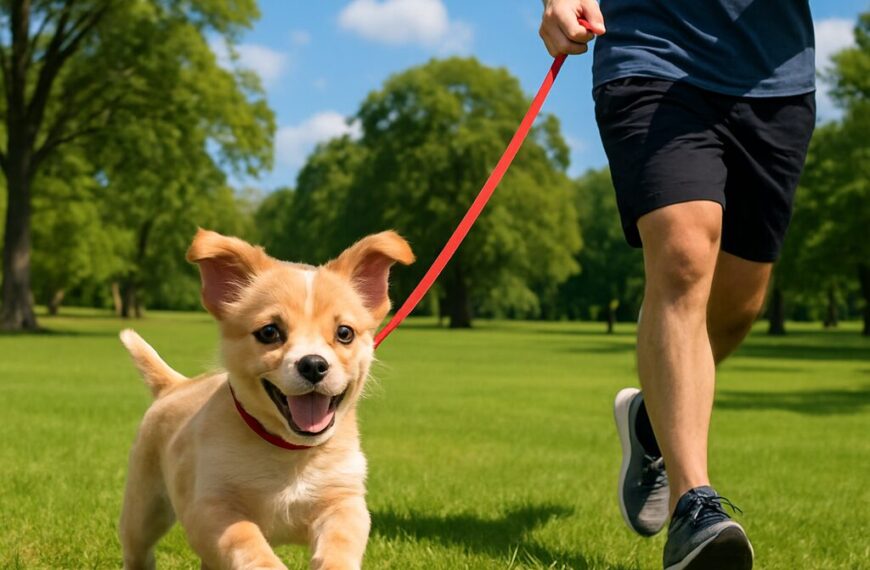
A well-fitted harness avoids pressure on the trachea and allows gentler control. Start by having your puppy wear these accessories indoors for a few minutes a day to reduce stress. The leash should be sturdy, ideally with a padded handle for your comfort during walks.
2. Setting Up a Safe and Welcoming Space
A puppy discovers the world by nibbling on everything around and exploring every hiding place. The idea is to transform your interior into a suitable playground without sacrificing your dishes or beloved plants.
2.1 Identifying Risk Areas
- Toxic Plants: azalea, dieffenbachia, and ficus should be kept out of reach.
- Electrical Cords: cover or fix them along the wall to avoid curious teeth.
- Fragile Objects: family keepsakes, knick-knacks, and shoes should be stored in a closed cupboard.
2.2 Defining a “Safe” Corner
A foldable playpen or an area defined by a removable barrier allows you to let your puppy rest without constantly watching over them. You can set up their bedding, a potty training mat, and a few toys there comfortably.
“A happy puppy is a puppy that feels protected, even when sleeping.”
2.3 The Olfactory Landmark
To avoid separation anxiety, slip a small piece of clothing with your scent into their basket. This familiar smell will help your puppy calm down during moments when you briefly leave the room.
3. Establishing the First Routines
Consistency is key: dogs and humans need landmarks. A few golden rules will help you structure your new companion’s day.
3.1 House Training
- Take him outside every hour during the first week.
- Reward every success with a treat or a kind word.
- Ignore accidents inside (clean up quietly, without raising your voice, to avoid scaring him).
3.2 Meals and Their Frequency
For a puppy aged 2 to 4 months, plan 4 small meals per day. From 4 to 6 months, reduce to 3 meals, then to 2 meals around 8 months. Your veterinarian or canine nutritionist can adjust the quantity according to breed and activity.
3.3 Play and Sleep Times
A puppy easily sleeps 18 hours a day! Organize mental stimulation sessions (search games, learning tricks) interspersed with rest phases in his secure corner.
4. Anticipating Education and Health
One might think that simply loving dogs is enough to be a good owner. In truth, a minimum of organization and professional support makes all the difference between a happy puppy and an overwhelmed owner.
4.1 Choosing a Local Veterinarian
Visit two or three clinics before registering your puppy: reception, availability, and fees can vary greatly. A good veterinarian also offers behavioral follow-up and nutritional advice.
4.2 Enrollment in Training Classes
Group classes (puppy school) are a game-changer for socialization: meeting other young dogs, learning canine codes, and first commands (sit, lie down…). You will gain confidence and your puppy will gain manners.
4.3 Health Insurance for Dogs
An emergency visit, treatment for parvovirus, or surgery can cost several hundred euros. Subscribing to suitable health insurance will cushion these expenses and save you from choosing between your wallet and your companion’s well-being.
5. FAQ: Answers to Frequently Asked Questions
When should I prepare my dog’s room before his arrival?
Ideally two weeks in advance: test your furniture, secure outlets, and check water access. This will give you time to fix any oversights.
Which toys should I prioritize for a playful puppy?
Start with soft rubber toys, easy to chew, then gradually introduce mental challenges (food puzzles, toys to fill with treats).
How to handle crying the first night?
Place the basket near your bed so he can feel you, but don’t overdo it: calmly reassure him and turn away to gently teach him solitude.
When to switch to solid food?
Generally between 6 and 8 weeks. Do it gradually by mixing milk diet with moistened kibble.
Do I really need to subscribe to health insurance for my puppy?
It’s not mandatory, but it’s a precaution that will save you from difficult decisions in case of unexpected veterinary expenses.