

⚡ Quick Summary
- Bathroom breaks: 3-4 times/day for adults, every hour for puppies under 3 months
- Feeding: 2 meals/day for adults, 3-6 meals for puppies depending on size
- Exercise: 30-60 minutes/day for adults, 5 minutes per month of age for puppies
- Dental hygiene: Daily brushing or at least 2-3 times per week
- Health: Vaccination, deworming, annual check-up mandatory
Welcoming a dog or a puppy into your life is much more than just buying accessories and kibble. It means committing to a structured daily routine that is demanding but deeply rewarding.
Between regular outings, balanced nutrition, impeccable hygiene, and health prevention, life with a four-legged companion requires organization, consistency, and a true understanding of their biological needs.
Here is what you really need to know to offer your dog a healthy, balanced, and happy life.
Our verdict at a glance ⭐
| ✅ ADVANTAGES | ⚠️ DISADVANTAGES |
|---|---|
| Loyal and loving companion Improved physical health Emotional balance Clear daily structure Learning responsibility |
10-15 year commitment Significant veterinary costs Social/vacation restrictions Need for rigorous organization Behavioral risks if neglected |
Overall rating: 8.5/10 ⭐
Recommended for: Responsible owners, stable families with available time, people seeking long-term commitment
🚽 Bathroom breaks: a non-negotiable rhythm

Before even thinking about exercise or play, your dog needs to go outside regularly to relieve itself. This is the primary responsibility of an owner, and it varies greatly depending on the animal’s age.
The puppy: outings every hour
Puppies under 3 months old have a tiny, immature bladder. Their urinary sphincters are not developed enough to hold urine for long.
The simple rule is: one additional hour between outings per month of age. A 2-month-old puppy should go out about every 3 hours. At 3 months, space it to every 4 hours, and so on until 6 months, when they finally gain better control.
During the first weeks, take your puppy outside systematically:
- After waking up
- After each meal
- After intense play periods
- Just before bedtime
Some nights may still require an emergency outing. Patience and understanding are your best allies.
The adult dog: minimum 3 to 4 outings
Once adult, your dog generally needs 3 to 4 outings per day: morning upon waking, at noon if possible, late afternoon, and before bedtime.
This frequency depends on several factors: their size, age, activity level, and especially how much water they drink.
Healthy adult dogs can theoretically hold their urine for 6 to 8 hours during the day and 8 to 11 hours at night. But regularly making them wait that long can cause urinary infections and stress-related behavioral problems.
Small breeds, in particular, have a faster metabolism and urinate more often than large breeds. A Chihuahua will not have the same holding capacity as a German Shepherd.
When to worry
Watch for sudden changes: if your dog asks to go out much more often than usual, urinates large amounts, or whines while urinating, consult a veterinarian.
Cystitis (urinary infection) and other conditions can cause these symptoms. This is also true for seniors (dogs 8 years and older), who may need to go out every 4 to 6 hours.
🥗 Feeding: quantity, frequency, and quality
Nutrition is the pillar of dog health, and their needs will change profoundly throughout their life. It is not just about feeding them but understanding exactly what their body needs at each stage.
The puppy: frequent meals for growth
A puppy consumes proportionally 2 to 3 times more than an adult for growth. Their stomach is small, but their energy needs are huge.
Here is the recommended number of meals:
- Toy and small breeds: up to 4-6 meals daily (very fast metabolism, risk of hypoglycemia)
- Medium breeds: 3-4 meals until 6 months, then 2-3 afterwards
- Large breeds: 3-4 meals until 6 months, then 2 afterwards (important to avoid gastric dilatation-volvulus)
Between 6 months and 1 year, gradually reduce to 2-3 meals. Splitting meals also limits digestive disorders and indigestion.
The adult dog: stability and regularity
Once your dog reaches adulthood (around 12 months depending on breed), two meals per day become the norm. Ideally, one meal in the morning and one in the evening, at fixed times.
Why two meals instead of one? It reduces anxiety, stabilizes digestion, and decreases the risks of the dreaded gastric dilatation-volvulus in large breeds, which can be fatal.
Quantities and calculating needs
The amount depends on weight, age, activity level, and type of food. Check the recommendations on the kibble packaging, but feel free to adjust:
- If your dog gains weight, reduce slightly
- If they lose weight, increase
The veterinarian can advise you on a personalized diet according to your companion’s specific morphology.
“A significant proportion of adult dogs in modern households are overweight or obese. Balanced nutrition and portion control remain the first line of defense against canine obesity and its metabolic consequences.”
Veterinary nutritional studies, 2024
🚶 Walks: adapting exercise at each stage
Going out is not just a matter of physiological need. It is also an opportunity for exercise, mental stimulation, and socialization. But beware: a poorly dosed walk can damage the joints of a young growing dog.
The puppy: progress gently
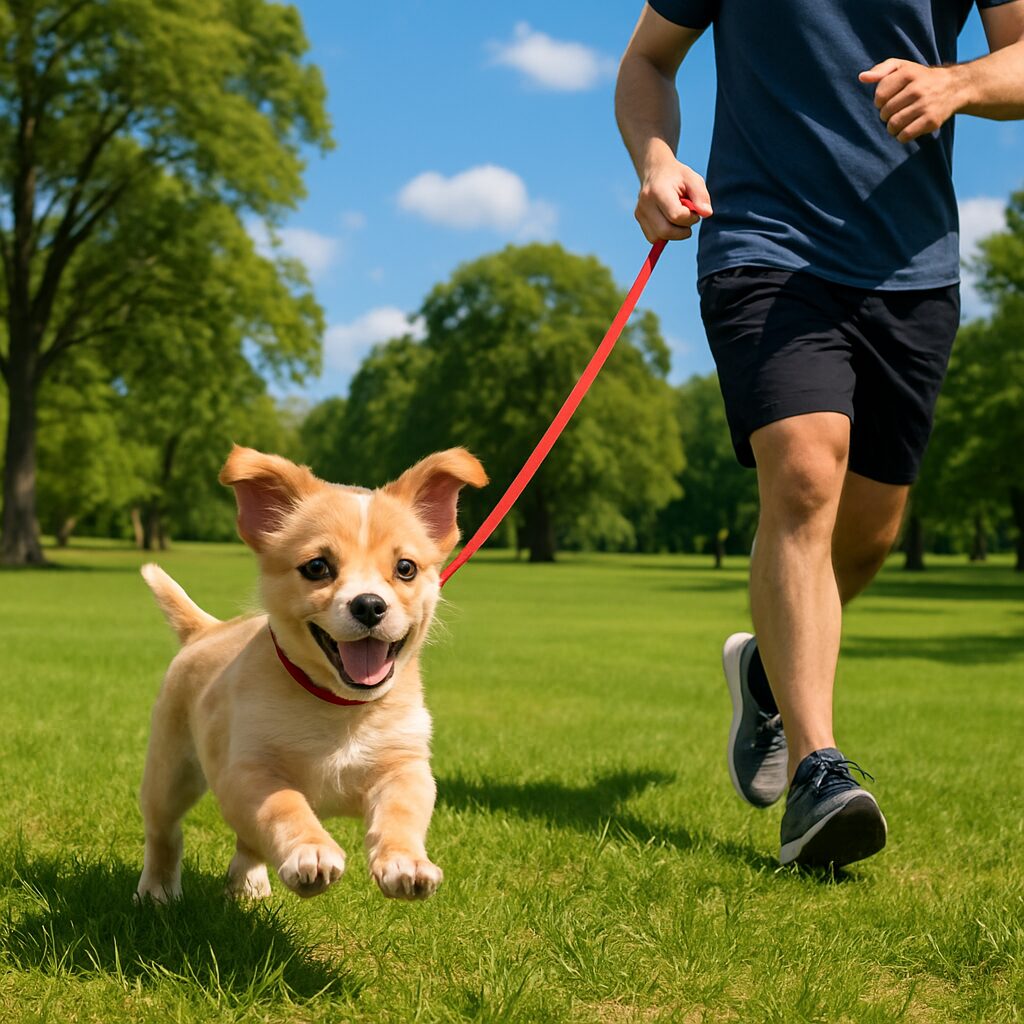
The golden rule: 5 minutes of walking per day per month of age. A 3-month-old puppy = 15 minutes. At 6 months = 30 minutes. This pace avoids overloading their fragile joints and developing muscles.
| Puppy Age | Recommended Duration | Approximate Distance |
|---|---|---|
| 2 months | 10-15 minutes | 500-800 meters |
| 4 months | 20 minutes | 1-1.3 km |
| 6 months | 30 minutes | 1.6-2 km |
| 12 months | 45-60 minutes | 2-3 km |
Opt for two to three short walks rather than one long one. A walk upon waking (5-10 minutes), one late afternoon (10-20 minutes), and one before bedtime will allow your puppy to relieve itself and expend energy without excessive fatigue.
The adult dog: variety and balance
A medium or large adult dog generally needs 30 to 60 minutes of walking per day, ideally split into two or three outings. Very small breeds can be satisfied with 20-30 minutes.
The important thing is consistency and variety: alternate normal pace, phases of free exploration in a safe area, and opportunities to socialize with other dogs.
Beyond simple physical exercise, these walks mentally stimulate your dog. Smells, sounds, encounters = pure cognitive enrichment. Sometimes, a short “slow” walk where they explore freely is better than a military march at their pace.
🧼 Hygiene: far beyond a simple bath
A clean dog is healthier, more comfortable, and more pleasant to live with. Canine hygiene includes grooming but especially dental, ear, and skin health.
Tooth brushing: a forgotten daily act
More than 80% of dogs over 3 years old suffer from periodontal disease. It is the most common pathology in veterinary clinics. Yet, it is largely preventable.
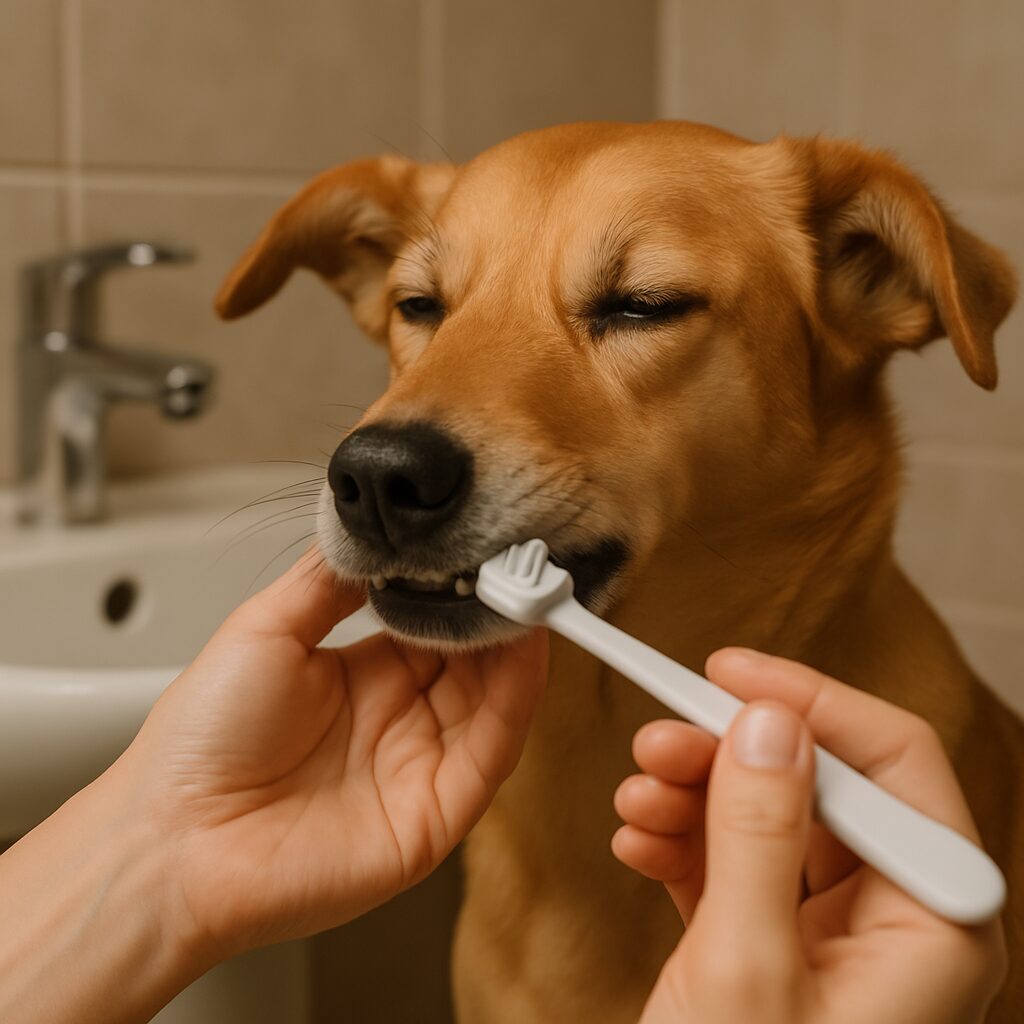
Tooth brushing is the ultimate weapon. Ideally: daily brushing with a suitable brush and canine toothpaste. If that’s too ambitious, aim for at least 2-3 times per week.
Tip: get your puppy used to this gesture very early (from 8 weeks). An unaccustomed adult will resist much more.
Brush from gum to the tooth tip (never the opposite, which could push bacteria under the gum). Focus on the back teeth, which tartar faster.
If your dog categorically refuses, offer:
- Daily chew strips
- Professional scaling at the vet about every 1-2 years
Regular grooming
Frequency depends entirely on coat type:
- Short coat: bath every 2-3 months + weekly brushing
- Medium or long coat: monthly bath + brushing 2-3 times per week minimum
- Breeds requiring clipping/plucking: professional grooming every 2-3 months
- Breeds requiring scissor cuts: grooming every 2 months
Regular brushing removes dead undercoat, prevents mats, and avoids skin irritations. Bathing with a suitable shampoo (never use human shampoo!) cleans without harming the dog’s skin, which has a different pH than ours.
Ears and eyes
Clean your dog’s ears weekly (especially if they have floppy ears). Otitis and mites are common and painful. A gentle ear cleaner and cotton are enough.
For eyes, a simple wipe with a damp cotton ball in case of tearing helps.
💊 Health: prevention and regular monitoring
Prevention is always better than cure. A dog’s health rests on three pillars: vaccination, deworming, and regular veterinary check-ups.
Vaccination: a non-negotiable schedule
Puppies usually receive a primary vaccination in two or three injections spaced 3-4 weeks apart. These initial vaccines protect against:
- Distemper
- Rubarth’s hepatitis
- Parvovirus
- Leptospirosis
An annual booster maintains this protection.
Vaccination has no immediate effect: it takes about 15 days after the second injection for full protection. Avoid taking your puppy to risky areas before this period.
Additional vaccines may be recommended depending on lifestyle: kennel cough (for dogs attending kennels), babesiosis, leishmaniasis. Your veterinarian will advise you.
Deworming: more than 2 out of 3 dogs carry parasites
Intestinal worms significantly weaken the immune system and can cause serious disorders. For puppies, deworming must be very frequent:
- Every 15 days until 2 months
- Monthly until 6 months
For adults, at least four times a year (every 3 months) is the norm.
Do not confuse dewormer with flea treatment: dewormers treat round and flat worms (internal), while flea treatments address external parasites (ticks, fleas, lice). Both are important.
“Intestinal parasites cause digestive disorders, vomiting, coughing, weight loss, and immune weakening. Regular deworming and preventive monitoring remain the best strategies against these silent risks.”
Veterinary parasitology protocols, 2023
Annual check-up: the complete health exam
Even if your dog seems perfectly healthy, see a veterinarian at least once a year. This exam includes:
- Medical history: the vet asks about appetite, energy, behavioral changes
- Coat and skin examination: detection of parasites, infections, hot spots, or pain
- Heart and lung auscultation: listening with a stethoscope
- Abdominal palpation: detection of organ abnormalities
- Dental and ear exam: scaling if necessary
- Weight and body condition check: evaluation of body condition score (BCS)
It is also an opportunity for primary vaccination or booster shots. For seniors (from 7-8 years), consider two visits per year and possibly regular blood tests.
😴 Mental and physical well-being
A happy dog is not just a fed and cared-for dog. Their well-being involves rest, mental enrichment, and emotional balance.
Sleep and rest: vital needs
Dogs sleep on average 12 to 14 hours per day, much more than humans. This is not laziness: it is a biological necessity.
Sleep allows:
- Muscle recovery
- Memory consolidation
- Emotional balance
A well-rested dog is calmer, more attentive, and better able to manage stress.
Create a dedicated resting space: a cozy bed, away from commotion, where your dog knows they can retreat. Respecting these rest moments is fundamental for their mental health.
Enrichment and mental stimulation
Beyond walks, enrich your dog’s daily life: puzzle games (food puzzles), scent games, interactive toys.
This enrichment reduces anxiety, improves cognitive functions, and strengthens emotional resilience.
Positive stimulation (games, positive reinforcement) also plays a central role in learning consolidation. A puppy who has experienced rewarding and surprising experiences will better master their behavior after rest than one who has only received corrections.
🔪 Sterilization/Castration: timing matters
Sterilization (females) or castration (males) is recommended by most veterinarians for several reasons: reproductive health, behavioral control, cancer prevention.
Timing is important:
- Early castration (before 4-6 months): limits some undesirable behaviors linked to sexual maturity (marking, roaming)
- Late castration (after 1-2 years): allows the dog to benefit from gonadal hormones during growth and behavioral development
After sterilization, behavioral changes may be observed within a few months: more calmness, but also potentially weight gain.
Continuous training remains essential: sterilization is not a miracle behavioral solution.
What we liked ✅ and what we liked less ⚠️
✅ What we liked
- Unmatched emotional bond and companionship
- Benefits for mental and physical health
- Valuable daily structure
- Social enrichment and interactions
- Learning responsibility
- Regular imposed physical activity
- Unconditional and loyal company
⚠️ What we liked less
- High and unpredictable veterinary costs
- Lack of flexibility for vacations/outings
- Possible behavioral problems if neglected
- Geographical limitations (housing, neighborhood)
- Family allergy risks and infections
- Neighborhood issues (barking)
- Intense emotional investment and anticipated grief
Advisory methodology
This article was developed by analyzing official veterinary guidelines, scientific studies 2023-2025, and feedback from experienced practitioners.
Covered criteria: physiological needs (outings, hydration, grooming), nutrition (caloric rations by age/weight), hygiene (dental disease prevention), vaccinations (official schedules), parasitology (deworming), behavior (socialization, stress, enrichment), education (positive learning).
Adaptations: recommendations adjusted by age, breed size, and specific living context.
❓ FAQ: Your most frequent questions
How long can a dog hold its urine at night?
A healthy adult can hold 8 to 11 hours at night. A puppy under 4 months generally cannot exceed 4-6 hours. This improves gradually until 6 months.
My dog drinks a lot and asks to go out very often. Should I worry?
A sudden increase in thirst (polyuria) and frequent urination can indicate several conditions: diabetes, urinary infection, kidney problems. Consult a veterinarian.
What is the best age to neuter/spay?
There is no single “perfect” age. Consult your veterinarian depending on breed, sex, and your dog’s health. Generally, after complete bone growth (8-12 months depending on size) is advised.
Do small dogs really need more outings?
Yes. Small breeds metabolize faster and need to urinate more. A Chihuahua will need 4-5 outings compared to 3 for an adult Labrador.
How often should I brush my dog’s teeth?
Daily is ideal. But if impossible, 2-3 times per week minimum is enough to maintain good dental hygiene and prevent periodontal disease.
Should I bathe my dog often?
It depends on coat type. For a short-haired dog, a bath every 2-3 months is sufficient. For long or thick coats, monthly is recommended. Do not overdo it: too frequent bathing can damage the skin.
At what age can my puppy start long walks?
Follow the rule of 5 minutes per month of age. At 6 months, about 30 minutes of walking is enough. Large breeds may reach adult endurance around 18 months.
My dog refuses to let me brush its teeth. What should I do?
Start with very gentle gestures, without insisting. Associate the action with something positive (treat afterward). Chew strips are an alternative. A professional scaling every 1-2 years is also an option.
Conclusion: a daily commitment
Living with a dog is a full commitment that lasts 10 to 15 years. Between regular outings, appropriate feeding, rigorous hygiene, health prevention, and daily enrichment, the responsibilities are many but incredibly rewarding.
A well-cared-for dog is a healthy, balanced companion who offers you limitless love. Conversely, neglecting these basic elements can lead to behavioral problems, chronic suffering, and a fragile relationship.
The key? Understand that your dog depends entirely on you for their physical and mental well-being. Respect their biological rhythms, regularly consult a trusted veterinarian, and never hesitate to adapt your routines according to their specific needs.
Every dog is unique. It’s up to you to find the right balance so that your shared life is healthy, happy, and lasting.
💡 Transparency: This article may contain affiliate links. Commission if purchase, at no cost to you. 100% independent opinion based on veterinary guidelines and research 2023-2025. Prices verified on November 16, 2025.
{ “@context”: “https://schema.org”, “@type”: “Article”, “headline”: “Daily Dog: Wellness and Health Guide 2025”, “description”: “Complete daily dog guide: potty breaks, feeding, canine hygiene, wellness, health. Veterinary advice for puppies and adults.”, “datePublished”: “2025-01-15”, “dateModified”: “2025-11-16”, “author”: { “@type”: “Person”, “name”: “Veterinary Expert” }, “keywords”: “daily dog, potty breaks, dog feeding, canine hygiene, dog wellness, vaccination, deworming, puppy walks” } { “@context”: “https://schema.org”, “@type”: “FAQPage”, “mainEntity”: [ { “@type”: “Question”, “name”: “How many times a day should a puppy go out?”, “acceptedAnswer”: { “@type”: “Answer”, “text”: “A puppy under 3 months should go out approximately every hour. At 3 months: every 4 hours. General rule: 1 additional hour per month of age. At 6 months: 3-4 outings per day like an adult.” } }, { “@type”: “Question”, “name”: “How many meals per day for a puppy?”, “acceptedAnswer”: { “@type”: “Answer”, “text”: “Small breeds: 4-6 meals daily. Medium breeds: 3-4 meals until 6 months, then 2-3. Large breeds: 3-4 meals until 6 months to avoid gastric dilatation-volvulus.” } }, { “@type”: “Question”, “name”: “What is the ideal duration of a walk for a puppy?”, “acceptedAnswer”: { “@type”: “Answer”, “text”: “5 minutes per day per month of age. A 3-month-old puppy = 15 minutes. At 6 months = 30 minutes. Increase gradually to avoid overloading growing joints.” } }, { “@type”: “Question”, “name”: “How often should you brush your dog’s teeth?”, “acceptedAnswer”: { “@type”: “Answer”, “text”: “Ideally daily. Minimum 2-3 times per week to prevent periodontal disease. Over 80% of dogs older than 3 years suffer from dental disease.” } }, { “@type”: “Question”, “name”: “How many outings for an adult dog?”, “acceptedAnswer”: { “@type”: “Answer”, “text”: “Minimum 3 to 4 outings per day: morning, noon if possible, late afternoon, and before bedtime. This depends on your dog’s size, age, and activity.” } }, { “@type”: “Question”, “name”: “How often should you deworm your dog?”, “acceptedAnswer”: { “@type”: “Answer”, “text”: “Puppies: every 2 weeks until 2 months, then monthly until 6 months. Adults: at least every 3 months, i.e., 4 times a year.” } }, { “@type”: “Question”, “name”: “How many hours can a dog hold its urine?”, “acceptedAnswer”: { “@type”: “Answer”, “text”: “A healthy adult: 6-8 hours during the day, 8-11 hours at night. A puppy under 4 months: maximum 4-6 hours.” } }, { “@type”: “Question”, “name”: “How often should you bathe your dog?”, “acceptedAnswer”: { “@type”: “Answer”, “text”: “Short coat: 1-2 times per year or every 2-3 months. Long/thick coat: about every month. Do not overdo baths: it can damage the skin.” } } ] }






🐕 Puppy socialization: a critical window
If you have a puppy, understand that the first weeks are crucial for their future balance. Primary socialization occurs from the 3rd to the 12th week.
During this period, expose your puppy to:
A well-socialized puppy becomes a balanced adult, capable of adapting to all situations. After 4 months, socialization learning becomes slower and more difficult. Be generous with positive exposures from the first weeks.