
| Key Points | Details to Remember |
|---|---|
| 🐶 Definition of the Chihuahua | Origin, size and unique temperament |
| 🏠 Responsible adoption | Choose between shelter and breeder according to your values |
| 🛒 Essential equipment | Select items suited to its size |
| 📋 Daily routine | Set up a schedule for its well-being |
| 🥗 Adapted diet | Adjust portions and quality for its size |
| 🏥 Health monitoring | Plan regular visits to the veterinarian |
| 🧩 Socialization | Integrate games and gradual meetings |

Are you about to welcome a little companion with a strong character? The Chihuahua, despite its tiny size, requires careful preparation. Between the excitement of arrival and questions about its well-being, you need to find the right balance. In this guide, we explore each step so that you are ready to offer your future dog a safe environment, rich in stimulation and respectful of its needs. No unnecessary fluff: we get straight to the point, with concrete advice and tips based on real experience.
Why choose a Chihuahua?
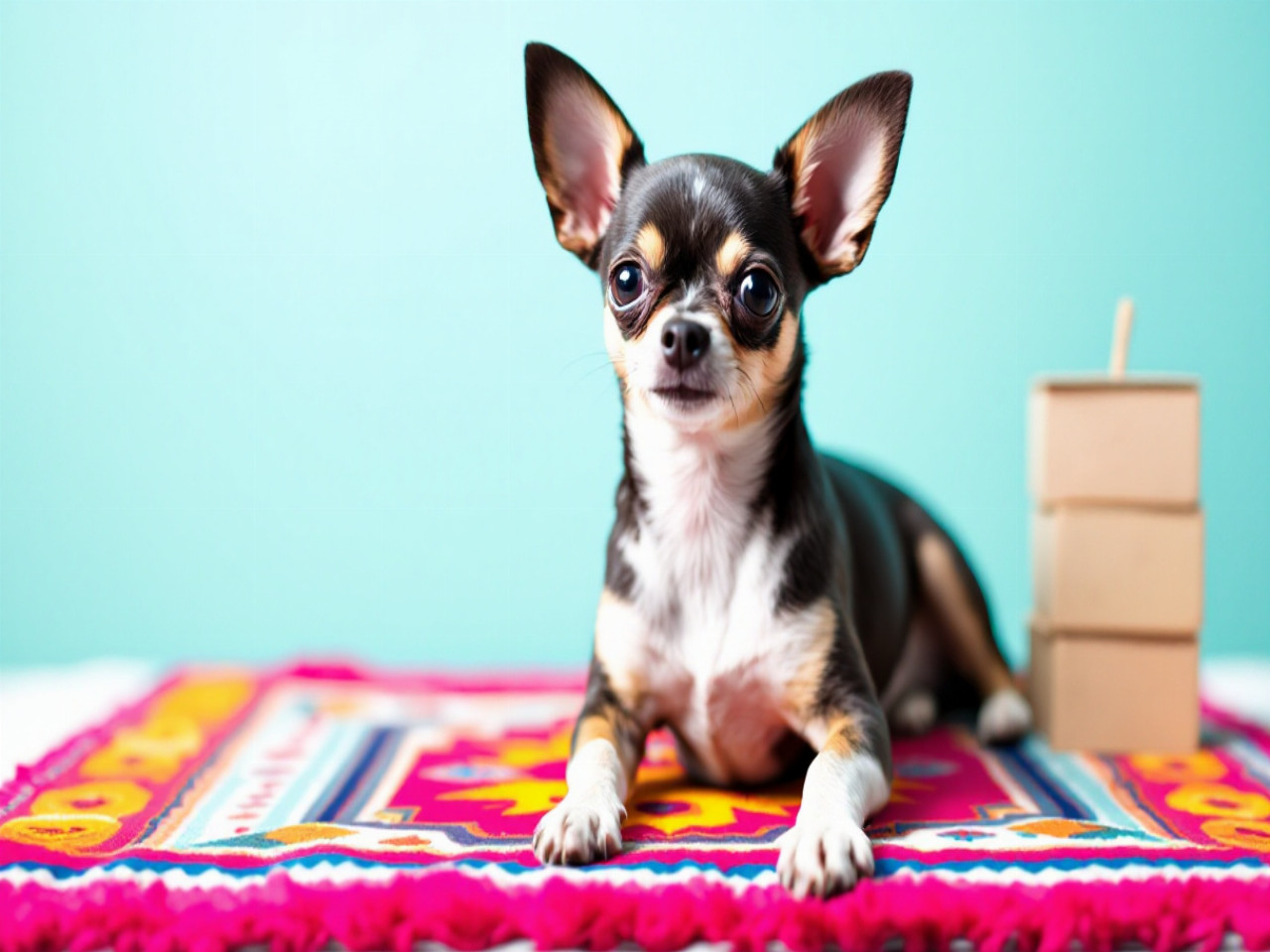
The Chihuahua fascinates with its disproportionate confidence and piercing gaze. Originating from Mexico, it is one of the smallest dogs in the world, but also one of the most expressive. One might think it is content with a cozy corner and a cuddle, but in truth, its small size hides a demanding temperament. Lovers of large dogs turn away, too sensitive to its pocket size, while energetic spirits see a real challenge.
The Chihuahua also stands out for its longevity; some can reach 15 years or more. This advantage is coupled with a surprising adaptability: whether it lives in an apartment or a house, it will find its place provided it has been prepared for a life paced by suitable activities. In short, this dog is not just a simple salon accessory, but a life partner ready to share intense moments.
Adoption: procedures and considerations

Difference between shelter and breeder
Approaching the question of adoption first means understanding two possible paths: the shelter, where a dog often already socialized is taken in, but sometimes marked by an unknown past; or the breeder, who offers follow-up from birth, health guarantees, and support on the lineage. In a shelter, the Chihuahua may have experienced trauma, and your role will include a phase of rebuilding. With a breeder, you benefit from a family history, useful for anticipating potential hereditary health problems.
Choosing a shelter is giving a second chance; opting for a breeder is betting on pedigree transparency.
Before taking action, equip yourself with targeted questions: what medical follow-up is guaranteed? What is the temperament of the parents? Has the puppy been handled regularly? This information often determines the success of long-term coexistence.
Essential Criteria Before Adoption
Adopting a Chihuahua is not just about falling for its gaze; it also involves practical considerations: is your home secured against drafts and falls? Do you have time for daily walks and play? A Chihuahua can be hypersensitive to cold; a simple radiator is not enough, you will need to consider blankets or appropriate clothing. Finally, think about your surroundings: a young child may hurt it if they do not know the necessary gentleness.
Essential Equipment
Bedding and Safety
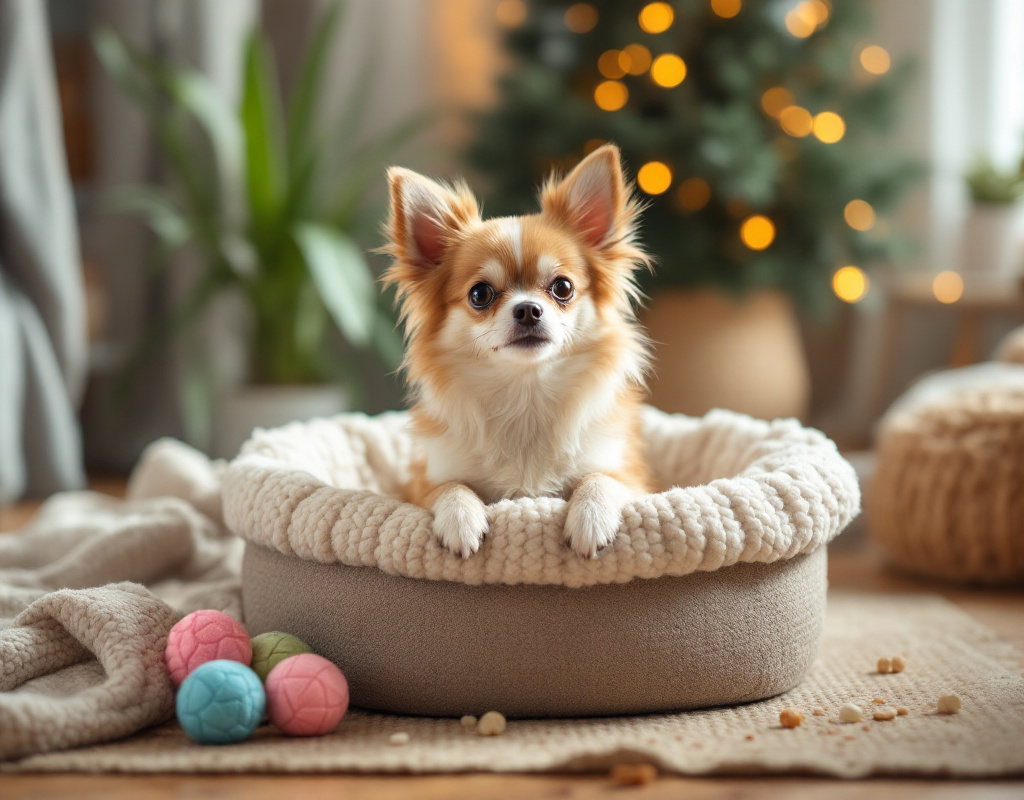
The choice of bedding is not limited to size alone. You also need to consider the material and insulation. A memory foam basket will support its small joints, while a sufficiently high rim will offer a sense of protection. Be careful with blankets that are too bulky as they could bury it. Placing the bedding in a quiet corner allows your Chihuahua to isolate itself whenever it feels the need.
Toys and Stimulation
Those who imagine Chihuahuas sleeping on a cushion will be surprised to discover their liking for playful challenges. An interactive toy, such as a programmable kibble dispenser, stimulates its intelligence and prevents it from brooding. Balls adapted to its fine jaw and soft rubber toys are also to be considered. Varying textures and sizes keeps its interest longer.
Outdoor Accessories
Despite its small size, the Chihuahua needs daily walks. Forget heavy metal collars: favor an adjustable harness that is gentle on its neck. For the leash, an extendable version allows you to adjust the space without rushing the animal. Don’t forget waste bags and, depending on the climate, a small waterproof jacket or a fleece coat for cold days.
Preparing the Daily Routine
Feeding and Hydration
An adult Chihuahua generally weighs between 1.5 and 3 kg; therefore, it is not about serving it the equivalent of a large dog’s meal. Suitable kibble, rich in high-quality protein and low in cereals, is perfect. It is better to split meals into two to three servings to avoid hypoglycemia, which is common in this breed. Fresh water must be available at all times, ideally in a low-edged bowl so it does not have to strain its neck.
Hygiene and Care
The Chihuahua’s coat can be smooth or long. In both cases, regular brushing prevents tangles and reduces stray hairs in the house. For bathing, a gentle shampoo for sensitive dogs avoids irritation. Don’t forget to check and clean its small ears every week and to trim the nails to prevent snagging on the floor. Finally, occasional tooth brushing prevents tartar buildup.

Exercise and Socialization
Chihuahuas are known for their sometimes defensive temperament. Early socialization, from the moment they arrive at home, will encourage openness to other dogs and strangers. Gradual meetings, under supervision, help build their confidence without rushing. As for exercise, short dynamic walks two to three times a day are sufficient, complemented by indoor play sessions. The idea is not endurance, but diversity of stimulation.
Tips for Harmonious Cohabitation
Managing Separation Anxiety
Some Chihuahuas develop a fear of being left alone. To prevent or alleviate this problem, the strategy of departures and returns without excessive emotion is adopted: leave for five minutes, come back, leave for a little longer… Gradually, the dog understands that your absence is not catastrophic. A pheromone diffuser or a small radio can also create a reassuring atmosphere.
Encouraging Learning
Chihuahuas have a reputation for being stubborn, but in reality, they respond wonderfully to rewards. A light treat, a pet, a kind word are enough to reinforce good behavior. Training basic commands (sit, lie down, stay) during calm moments facilitates memorization. Avoid empty repetitions: five minutes of exercise per session, twice a day, yield better results than an hour straight.
FAQ
- What is the ideal age to adopt a Chihuahua?
- Between 8 and 10 weeks, the puppy has received its first vaccinations and started socializing with its littermates.
- How to recognize a healthy Chihuahua?
- A shiny coat, clear eyes, a regular appetite, and lively activity are good indicators of health.
- Can a Chihuahua live in an apartment?
- Yes, provided it is offered regular outings, indoor games, and a quiet resting space.
- What is the average lifespan?
- Count between 12 and 18 years, depending on genetic background and the quality of care provided.