
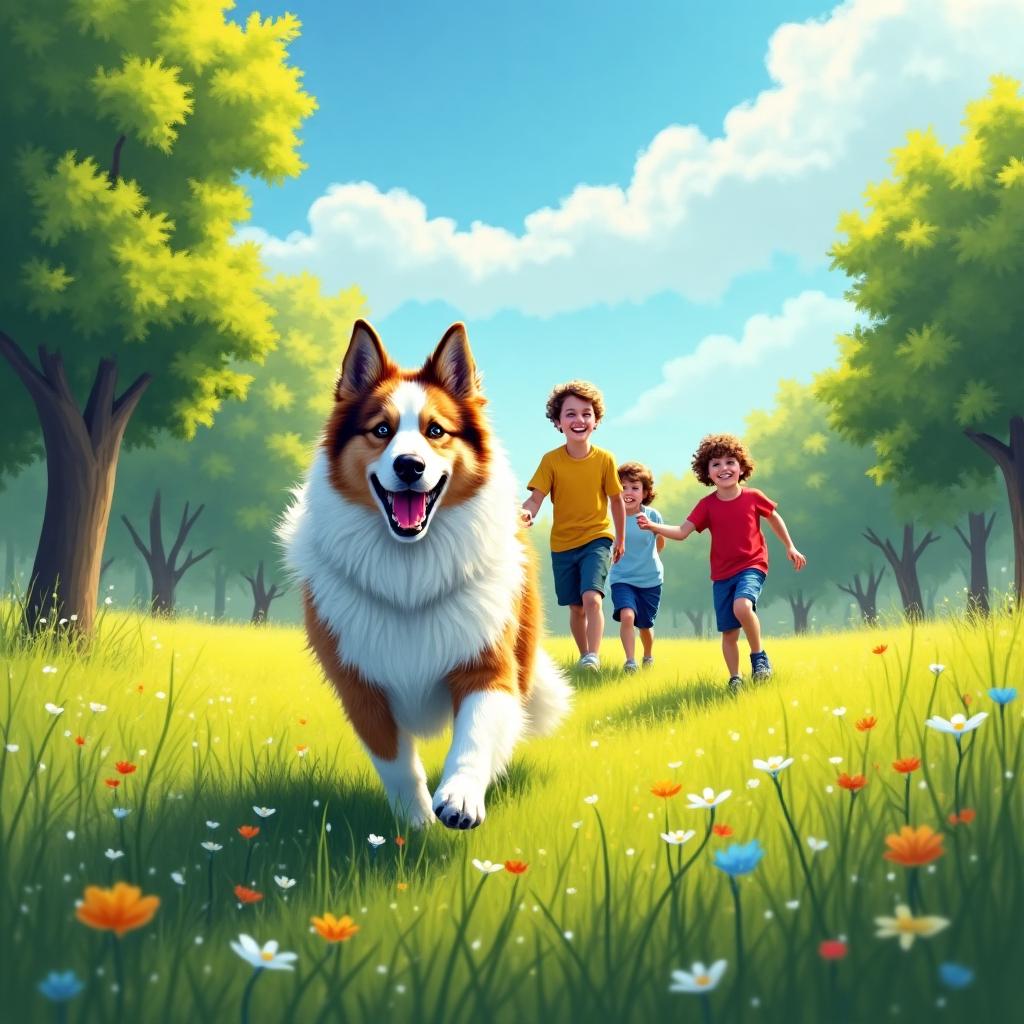
| Key Points | Details to Remember |
|---|---|
| 🐾 Definition | The Swiss Shepherd is a versatile and energetic herding dog. |
| 🛠️ Preparation | Set up a safe and comfortable space at home. |
| 💰 Costs | Plan a budget for purchase, health, and food. |
| 📋 Steps | Follow a precise schedule: research, visit, adoption. |
| 🏡 Welcome | Introduce the puppy gradually to its new environment. |
| 🎓 Tips | Stimulate its mind with varied and adapted activities. |

Adopting a Swiss Shepherd requires good preparation, a realistic budget, and tailored advice to welcome this playful and faithful dog. This guide accompanies you step by step, from the first research to the puppy’s first steps in your home.
Who is the Swiss Shepherd?
The Swiss Shepherd, originating from the Swiss mountains, stands out for its elegant appearance and balanced character. Both vigilant and devoted, it excels in herding activities as well as family life.
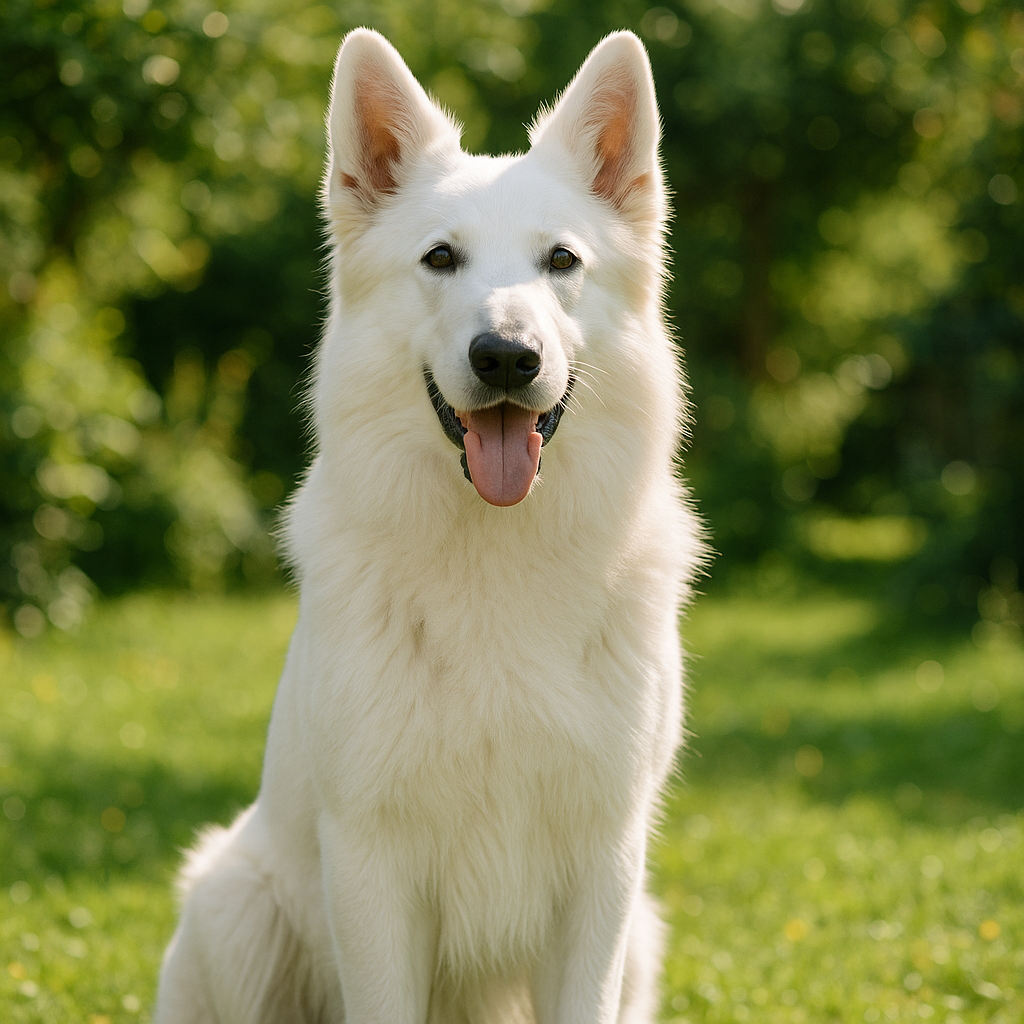
This medium-sized dog has a dense coat, generally tricolored with black, white, and tan. Its loyalty and adaptability make it an ideal companion for active households. It is particularly sensitive to the emotions of those around it, sometimes reacting gently, sometimes energetically depending on the atmosphere.
Behaviorally, the Swiss Shepherd needs a clear framework and regular challenges to avoid boredom. Without occupation, it can show some nervousness. With adapted activities, it becomes a dynamic ally during long walks or canine exercises.
Key steps for adoption

To succeed in adoption, follow a five-step process: information, selection, visit, formalities, and welcome. Each step is based on an exchange with the breeder or shelter and careful preparation of the home.
To remember
- Look for a recognized breeder or shelter.
- Plan several visits before deciding.
- Prepare the documents and adoption contract.
- Set up the puppy’s space before its arrival.
- Organize a smooth arrival with a gradual transition.
1. Research and information
Start by listing breeders specialized in Swiss Shepherds and shelters where the breed is present. Check reviews, visit facilities, ask questions about health tests (dysplasia, eye exams). Note breeding conditions: human presence, outings, early socialization.
2. Selection and visit
During visits, observe the behavior of the puppies and the mother. A well-maintained breeding offers regular contact with humans, a clean environment, and a strict health protocol. Note: clarity of information, attachment of the animals, possibilities for home trial.
3. Administrative formalities
Once the puppy is chosen, formalize the adoption with a contract specifying: birth date, vaccination follow-up, sterilization, guarantee against hidden defects. Inquire about the cost of the pedigree, the microchip, and the pet passport if you travel.
4. Preparing for the Welcome
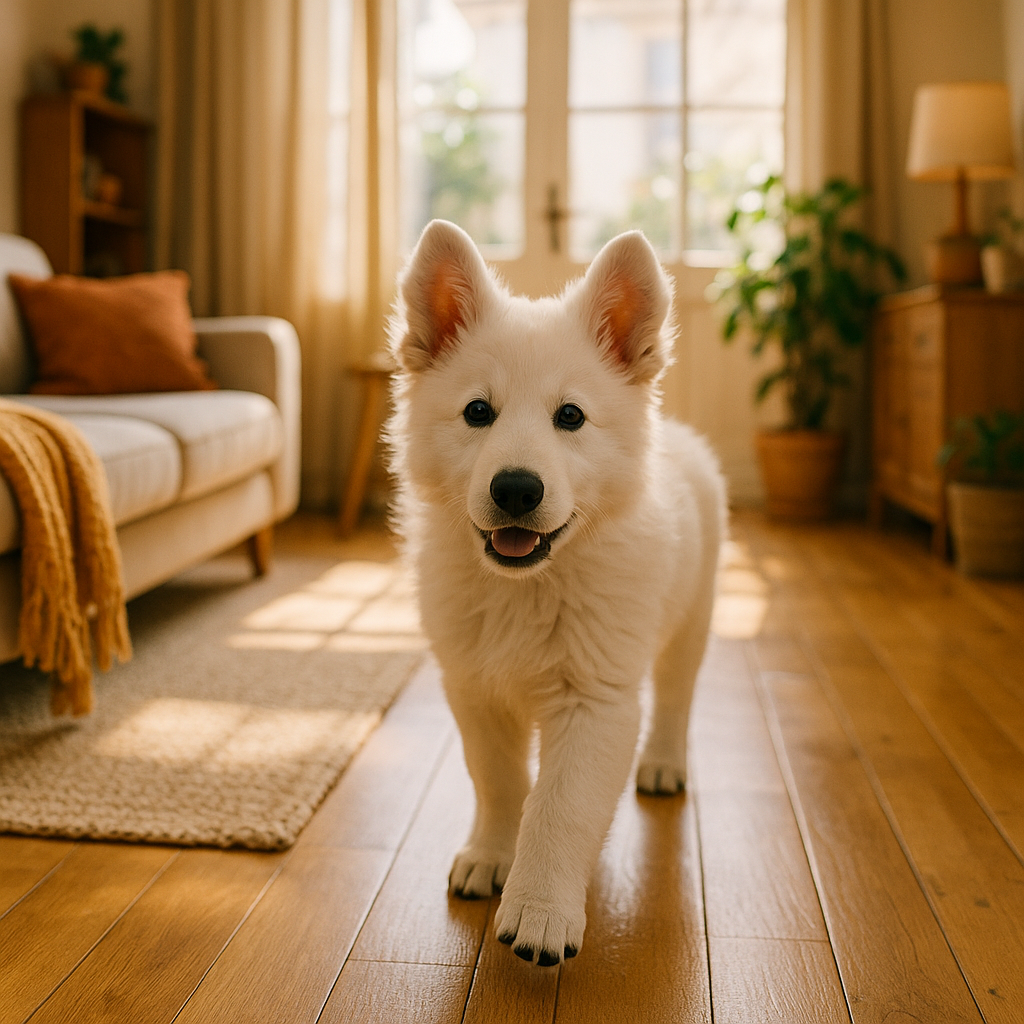
Set up now: a basket, bowls, suitable toys, and a quiet space. Identify an area of the house where he can retreat without being disturbed. Anticipate the first days with light meals and a regular nap schedule.
5. Arrival and Adaptation
On the big day, let the puppy freely explore his new environment. Encourage short outings in the garden if there is one. Offer a chew toy to keep him occupied and avoid stress. Respect his rest times: he can sleep up to 20 hours a day during the first weeks.
Budget and Associated Costs
Adopting a Swiss Shepherd involves initial and recurring expenses. Consider the purchase of the puppy, equipment, then ongoing maintenance (food, care, training).
To Remember
- Purchase price: €1,200 to €1,800 depending on the breeder.
- Initial equipment: €200 to €400 (kennel, basket, toys).
- Health: vaccines, sterilization, veterinarian (€300 to €500 the first year).
- Food: €50 to €70 per month for quality kibble.
- Training and socialization: €300 to €600 per year for group classes.
| Expense Item | Estimated Cost |
|---|---|
| Puppy purchase | €1,200 – €1,800 |
| Initial equipment | €200 – €400 |
| Veterinary care (1st year) | €300 – €500 |
| Food (monthly) | €50 – €70 |
| Education and activities | €300 – €600 / year |
Practical Tips for Successful Integration
The adaptation of the Swiss Shepherd involves a balance between mental and physical stimulation, positive education, and gradual socialization.
To Remember
- Vary walking routes to stimulate the sense of smell and curiosity.
- Offer intelligence games to channel energy.
- Use positive reinforcement: praise and reward good behaviors.
- Organize meetings with other dogs to reinforce social codes.
- Be patient: consistency is more important than severity.
The key to a strong relationship lies in mutual understanding and respecting your dog’s pace.

FAQ
- What distinguishes the Swiss Shepherd from other breeds?
- Its natural balance, versatility, and aptitude for herding work while remaining a very affectionate family dog.
- What is its life expectancy?
- On average, between 12 and 14 years, with appropriate care and a balanced diet.
- What initial costs should be anticipated?
- The purchase of the puppy (€1,200–€1,800), basic equipment (€200–€400), and initial veterinary care (€300–€500).
- How to prepare your home before the arrival?
- Create a calm space with a bed, toys, and a barrier if necessary to delimit the living area.
- What weekly physical activity for an adult?
- Ideally 10 to 12 km of walking, complemented by obedience exercises or dog games.
- At what age to adopt a Swiss Shepherd?
- Between 8 and 10 weeks, once the first vaccinations have been carried out and socialization has begun.
- How to socialize a Swiss Shepherd puppy?
- Gradually expose it to various environments, people, and animals, always in a secure setting.