| Key Points | Details to Remember |
|---|---|
| 🐾 Definition of cleanliness | Understand what learning involves for the puppy |
| 🎯 Benefits of early education | Anticipate behaviors adapted to indoor life |
| ⏱️ Daily schedule | Establish a stable and reassuring routine |
| 🍖 Reinforcement methods | Reward each progress with praise or a treat |
| 🚫 Common mistakes | Avoid punishments and inconsistencies that cause stress |
| 📊 Progress tracking | Note successes and incidents to adjust the method |
| 🏠 Space adaptation | Create a dedicated, safe, and easily accessible corner |

When welcoming a puppy, the challenge of cleanliness arises almost immediately. Between the little drops on the carpet and the dog’s eagerness to explore every inch of the living room, it is a learning process that requires method, patience, and observation. The idea is not so much to force your two-legged companion to fit your schedule but rather to build a true collaboration. Here you will discover clear steps, layout ideas, tips to read your puppy’s signals, and above all, traps to avoid so as not to turn this moment into a nightmare for both of you.
Understanding cleanliness in puppies
What is cleanliness?
Learning cleanliness is more than just a simple reflex to hold back needs: it is developing a mental association between a specific place and the natural act of urinating or defecating. For the puppy, this process relies on bladder control, the instinct not to soil its resting area, and gradual learning. Each puppy is unique: some quickly integrate this link, while others require several weeks before adopting regular habits.
At what age to start?
Many think that training should start after growth is complete, but the first lessons can begin around two months. At this age, the puppy is discovering both indoor life and the necessary muscle coordination to hold itself. The important thing is to proceed gradually: add regular outings, offer a consistently accessible spot, and reinforce every good behavior as soon as it occurs.
Preparing the environment
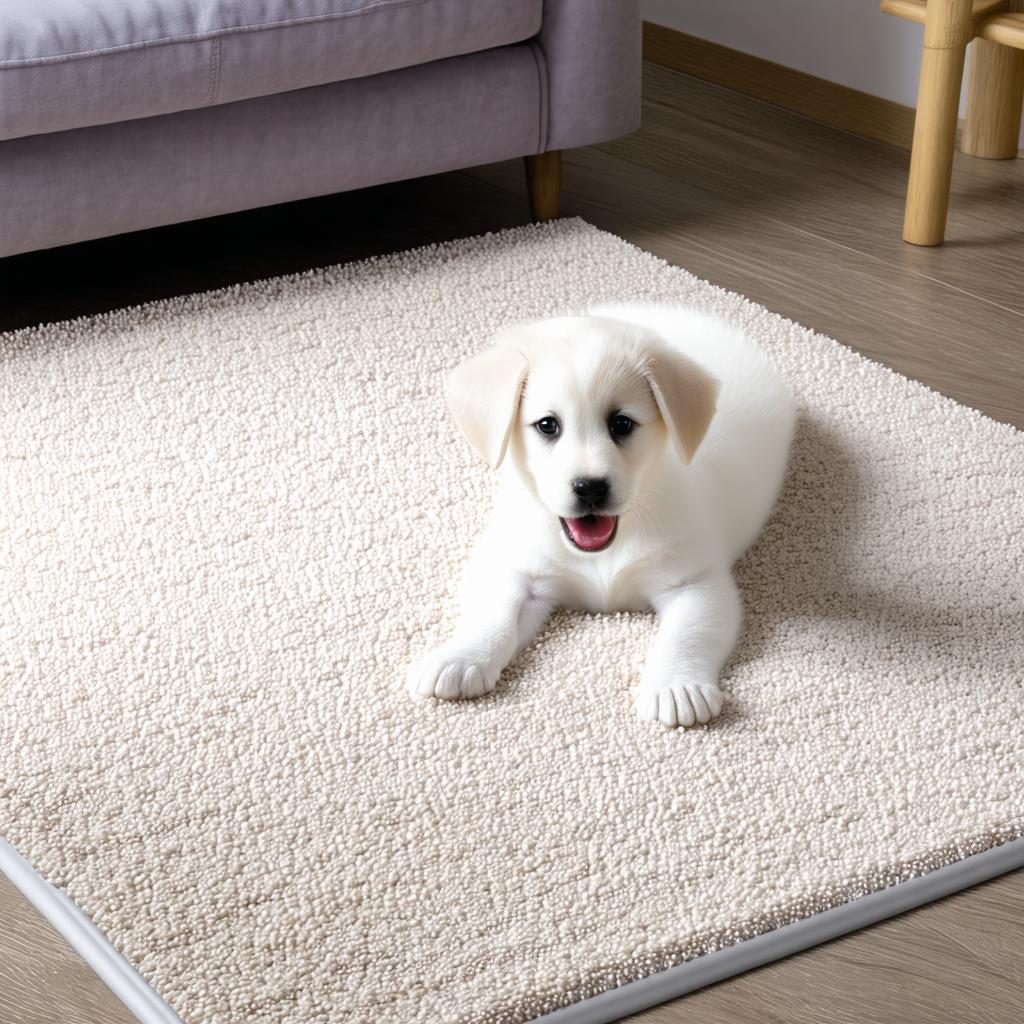
Even before training your puppy, you need to set up an appropriate space. Rather than letting accidents happen freely throughout the house, define a clear corner with an absorbent mat or pads. Also provide a bed away from this area, as the canine instinct drives the puppy not to soil where it sleeps. A playpen can be used to restrict its movements until the new routine is established.
- Choose an absorbent mat that is easy to clean.
- Install a playpen or barrier to limit the space.
- Provide several water points if the room is large.
- Place the bed at the far end of the elimination area.
Key Steps in Learning
Establish a Routine
Regularity is the backbone of training. For a puppy, being taken out at the same times every day helps synchronize its needs. Generally, it is advised to take them out after waking up, just after playing, and before each meal. Very quickly, the puppy will understand that each outing is an opportunity to go to the toilet. If you note the time of each trip, you can adjust the slots according to the puppy’s progress.
Use Positive Reinforcement
The key is reinforcement: enthusiastically praising or offering a small treat at each elimination in the right place. Treats should be modest so as not to disrupt the appetite, but motivating enough to create a bond. Avoid overly rich rewards; the puppy might quickly associate them more with the treat than with the act of elimination itself.
Recognize the Signals
A puppy often adopts a warning behavior before relieving itself: sniffing the ground, turning around, or starting to whine. Observing these signals allows timely intervention: gently catching the puppy and placing it outside. If it is very young, be careful not to rush it: you want to create a trusting relationship, not a panic reflex at every movement.
Manage Accidents
Accidents are part of the process. When you discover a puddle inside, it is counterproductive to scold the puppy once the incident is noticed: at that moment, it no longer understands why it is being scolded. It is better to clean with an enzymatic product to erase all olfactory traces. The smell, even imperceptible to you, remains a signal for the dog. The more thorough the cleaning, the fewer recurrences there will be.
Effective Methods
The Crate as a Tool
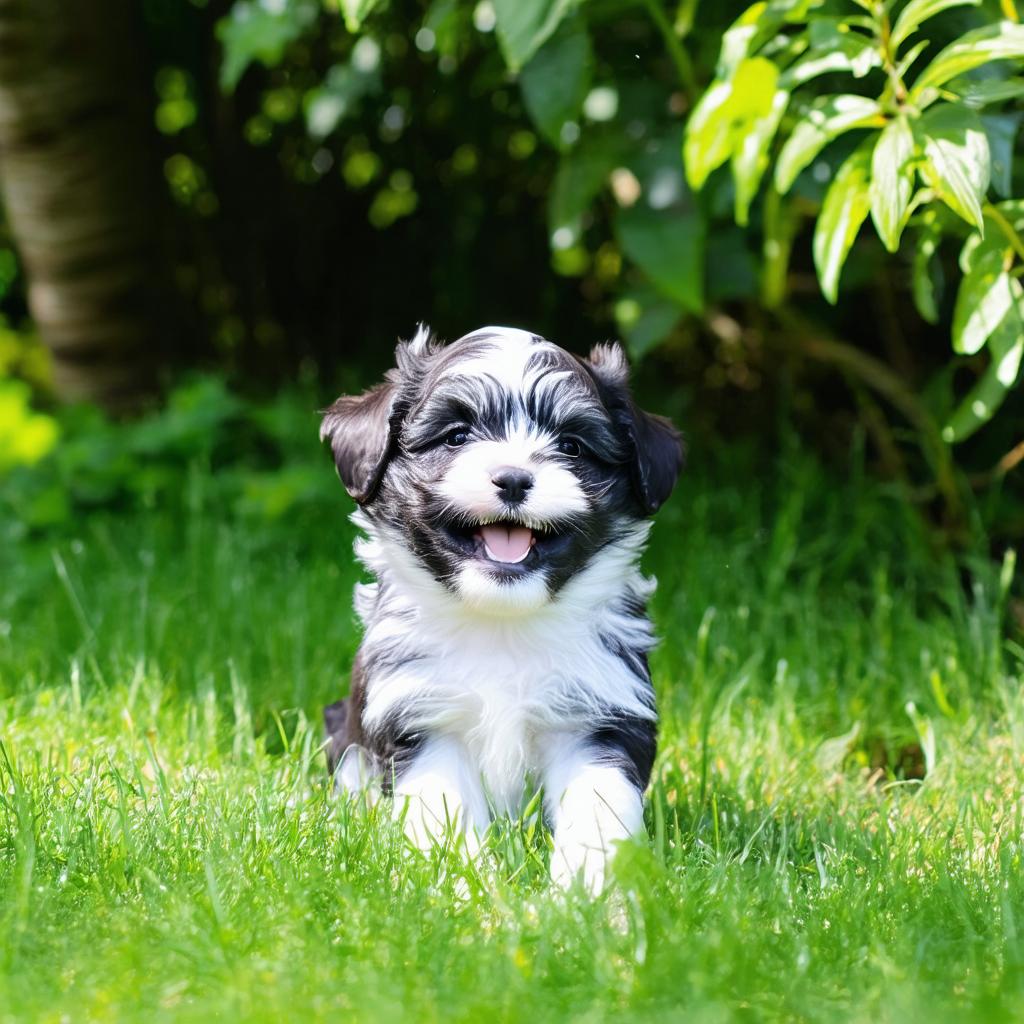
Using a crate (or kennel) can prove very useful. Dogs, by nature, do not like to soil their resting space. By closing the puppy in a crate spacious enough for it to turn around, you encourage it to hold on longer. Be careful, this solution should not replace regular outings: it is primarily a support, not a punishment.
Planned Outings
In addition to fixed times, you can plan mini-outings when the puppy shows an urgent need. In the garden or on a small patch of lawn, keep the same word or phrase: “Pee outside” for example. This verbal repetition will eventually trigger the reflex as soon as you say it.
The Verbal Signal
Over the sessions, your puppy will associate a word with the action. When you take it outside, always say the same phrase. Once the elimination is done, remain silent for a few seconds before applauding: this helps clearly separate the action from the moment of reward.
Common Mistakes to Avoid
Punishing Accidents
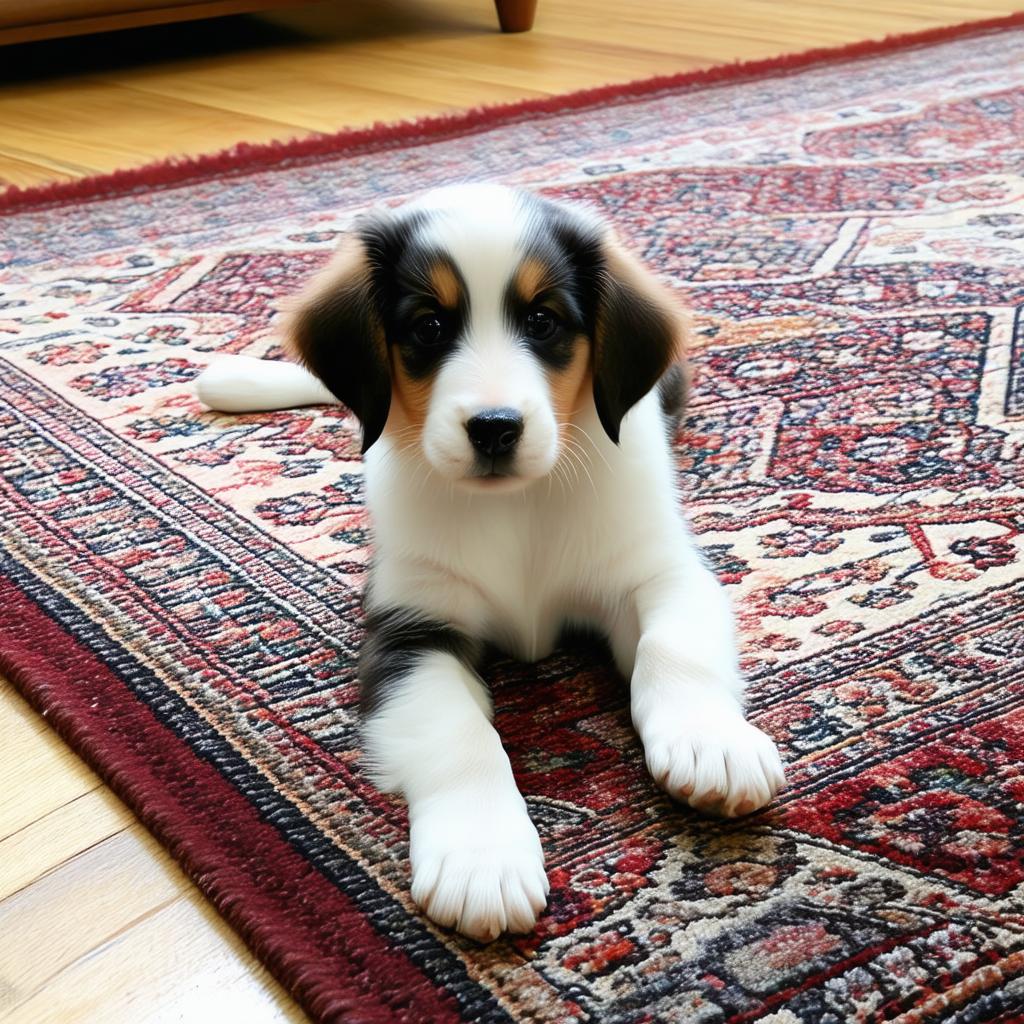
Nothing frightens a puppy more than a disproportionate reaction to an accident. Verbal punishments or a delayed tap teach nothing other than fear. If you catch your puppy in the act of relieving itself in the wrong place, a firm “No” and immediate relocation outside are enough. Anything that follows, even five seconds later, will be interpreted as aggression, not as a reminder to behave.
Location changes
Constantly changing the mat or place for outings creates confusion. The puppy no longer knows where it is expected to relieve itself. Set a fixed indoor and outdoor location, even if it means gradually enlarging it once cleanliness is well mastered.
Forgetting consistency
When two people work together with different rules, the puppy receives contradictory messages. If one family member tolerates a small accident in the living room, while the other does not accept it, the learning becomes confused. Before starting, ensure a collective agreement on schedules and methods.
Additional advice
- Remember to hydrate the puppy regularly, but control liquid intake in the evening to limit nighttime outings.
- Use a notebook to note each success and each accident; this facilitates progress analysis.
- Be patient: some puppies are anxious or affected by a change of environment, and they will take longer to adapt.
- Consult a veterinarian if you suspect a medical problem, such as a urinary infection or diarrhea that disrupts schedules.
Frequently Asked Questions
- How often should a puppy be taken out for cleanliness?
- Ideally every 2 hours during the day, then systematically after each meal, play, or nap.
- What to do if my puppy always pees inside?
- Go back to basics: increase outings, review space arrangement, and increase positive reinforcement.
- Can calming pheromones be used to facilitate learning?
- Some diffusers naturally mimic maternal milk and help calm the puppy, but they do not replace a good routine.
- When to remove absorbent mats?
- When there is less than one accident per week and the puppy can hold itself for several hours without problem.