
| Key Points | Details to Remember |
|---|---|
| 🐶 Origins of the Beauceron | Explore its history as a herding dog. |
| 🎯 Puppy Character | Encourage its sociability and confidence. |
| 🏠 Exercise Needs | Stimulate its body and mind daily. |
| 🧠 Learning | Establish cleanliness, obedience, and recall progressively. |
| 🤝 Socialization | Promote encounters from 2 to 16 weeks. |
| 📆 Routine | Maintain a consistent schedule to reassure. |

The Beauceron, often perceived as a gentle giant, reveals itself to be a demanding partner when approached as a puppy. A true blank slate to shape, it combines intelligence, energy, and unwavering loyalty. In this guide, each step remains simple to implement, whether it involves establishing cleanliness or refining recall. No worries if everything isn’t perfect from day one: progress step by step, taking care to strengthen mutual trust.
Getting to Know the Beauceron: Origin and Temperament
Origins and History
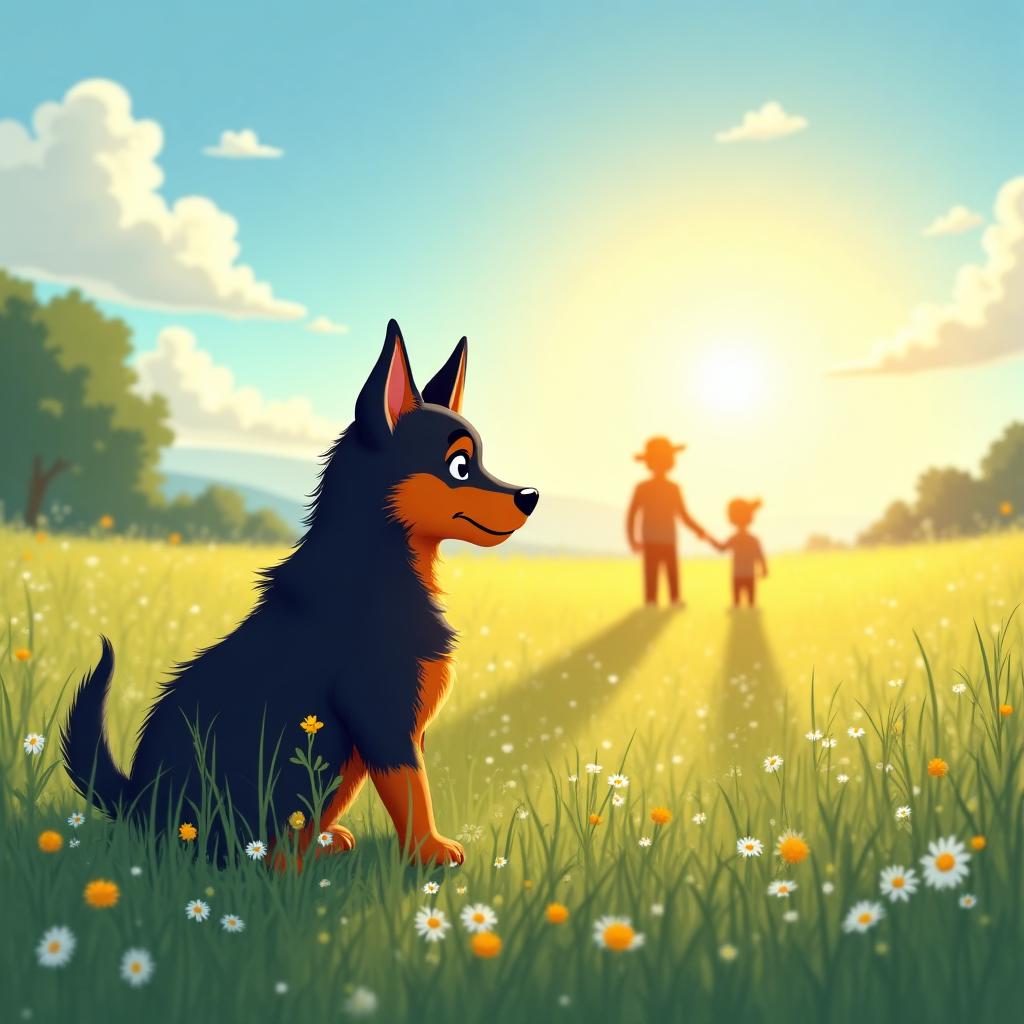
Also called Berger de Beauce, the Beauceron finds its roots in the eponymous region of northern France. At the end of the 19th century, French breeders standardized it to create a versatile working dog. Its imposing stature does not prevent it from being lively and alert: it was once tasked with herding livestock, driving away game, and protecting the farm. Knowing this means understanding that it will naturally remain vigilant and sometimes cautious with strangers.
Character Traits
Beneath its tricolor coat, the Beauceron puppy quickly develops a sense of hierarchy. It likes to take initiative, and if you give it too much freedom too early, it can become a leader. However, nothing beats the bond you will build by offering it a clear framework, made of constant landmarks and challenges adapted to its age. In reality, this dog combines curiosity and determination: it contemplates the world before diving in, often resulting in careful observation before action.
The First Steps of Education

Establishing the Routine
The calming effect of a regular routine is sometimes underestimated. From its arrival, set fixed times for meals, outings, and playtime. This predictability helps it understand what is expected and manage its anxiety. For example, offering the morning walk systematically at 8 a.m. creates a solid reference point: the puppy quickly learns that hunger, the need to eliminate, and exercise always come in the same order.
Using Positive Reinforcement
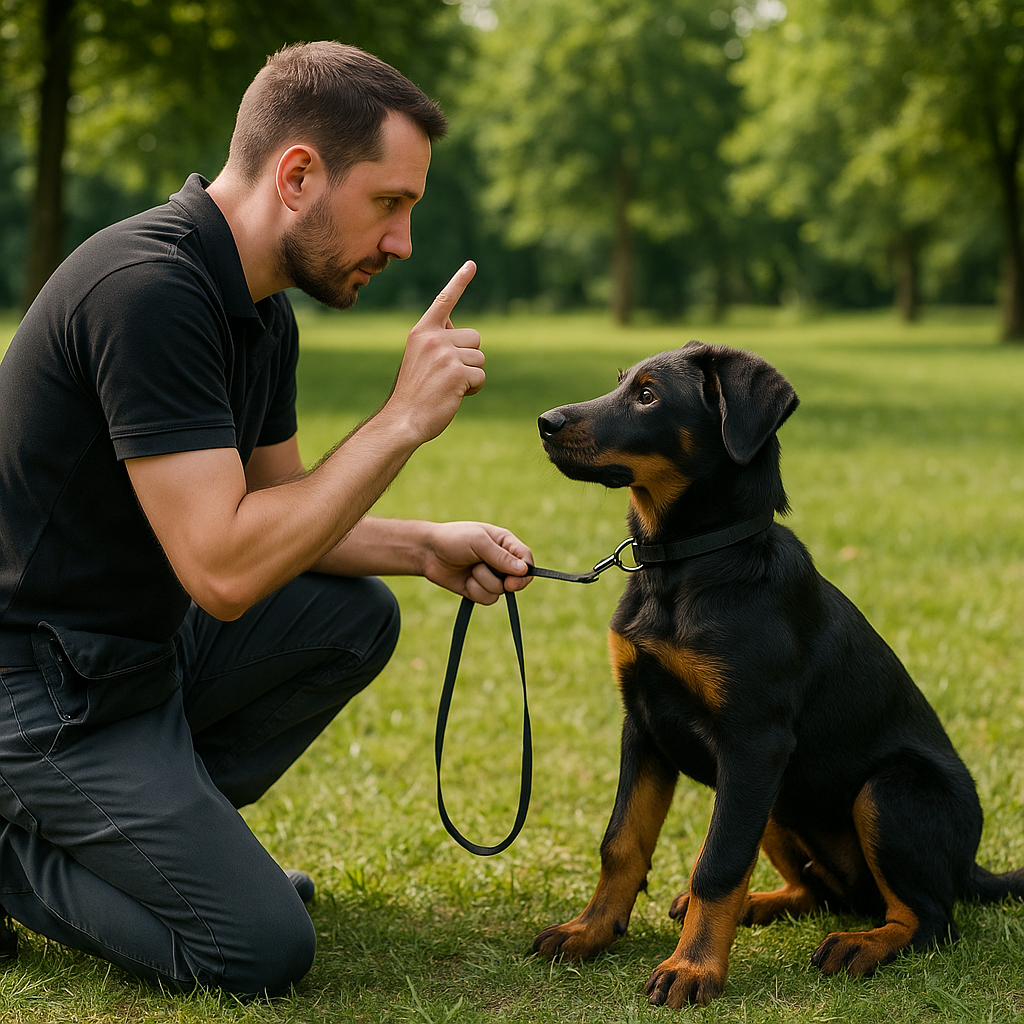
Rather than punishing a mistake, reward every good behavior with a treat, a pet, or an enthusiastic word. This principle is based on your companion’s natural motivation and creates a bond of trust. If your Beauceron performs a “sit” without hesitation, mark the moment with a strong “Yes!” and then reward him. By repeating this, the puppy immediately associates the command with pleasure, not with a constraint.
Teaching Cleanliness to Your Puppy
The path to cleanliness depends on observing your puppy and his physiological needs. Thanks to effective methods for cleanliness, a ritual of going outside after every nap and meal is established. Inside, a designated area with a litter box or training pad helps avoid accidents: the puppy understands that outside this zone, he will wait for the walk.
Working on Recall and Obedience
The “Invisible Thread” for Unfailing Recall
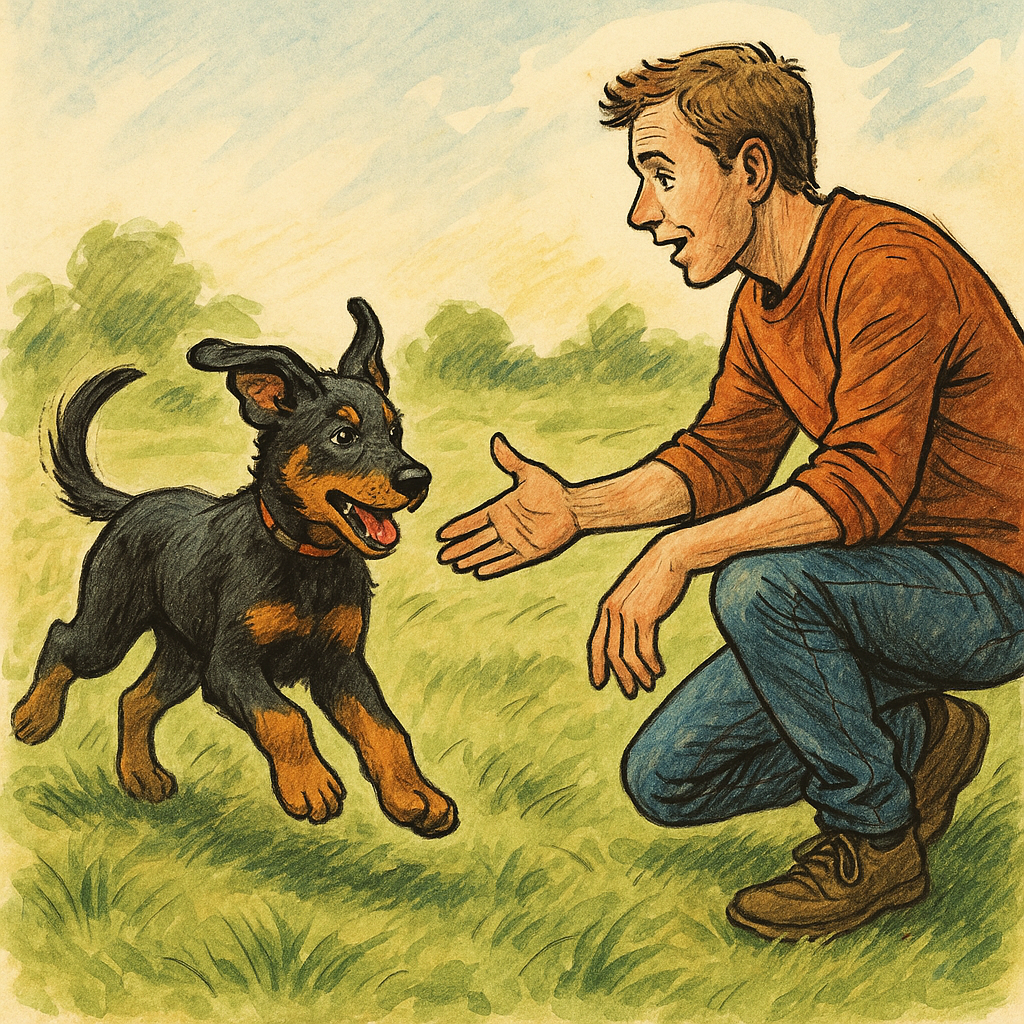
To ensure recall is not just wishful thinking, you can use the invisible thread method. This technique involves gently attaching a long line to the harness to guide the puppy if he wanders too far during his explorations. Gradually, the distance is increased until he returns on command without any connection. The secret lies in consistency: every return must be enthusiastically greeted and rewarded.
Basic Obedience Exercises
Beyond the simple “sit” or “lie down,” incorporate varied requests: change place, go under a barrier, ignore distractions. For example, set up a mini course in your garden or living room to chain several commands in a row. You will find that the Beauceron loves taking on this kind of intellectual challenge.
Socialization and Fear Management
Expose Your Pup to Various Stimuli
Every object, sound, and smell is a learning opportunity. From two months old, gradually bring the puppy to new environments: busy streets, forest, wet ground, slippery surfaces. The goal is not to overwhelm him with a flood of stimuli but to encourage exploration while staying within reach of calming hands.
Prevent Anxiety and Phobias
At the first sign of stress (trembling, panting, attempts to flee), slow down the exposure and associate the fear object with a positive item, such as a treat. Over time, your Beauceron will link this experience to something pleasant, and the initial fear will fade.
Adapted Activities and Games
Mental Stimulation Games
- Puzzle feeder to teach patience before meals.
- Hide and seek with a treat to stimulate the sense of smell.
- Sequence of commands in the form of a mini course.
Physical Exercise and Balance
A 45-minute walk, alternating between trot and run, is often enough to channel the energy of a young Beauceron. You can vary with light pulling sessions (pulling a small sled) or outdoor ball games: physical effort strengthens his well-being and teaches him to concentrate.
Common Problems and Solutions
- Biting and nipping: offer sturdy toys and refuse contact when he insists too roughly.
- Excessive barking: identify the cause (boredom, stress, alert) and provide a targeted solution (play, distraction, desensitization).
- Escape attempts: secure exits, but above all increase mental activity so he does not try to “keep busy” by escaping.
FAQ
- At what age should Beauceron training begin?
- You can start from 8 weeks, prioritizing games and gentle socialization before 4 months.
- How to correct inappropriate barking?
- Identify the source of stress and redirect attention to a simple command followed by a reward.
- When does recall become reliable?
- After several weeks of regular work, a consistent response is generally observed around 5–6 months.
- What to do in case of fear of noise?
- Gradual exposure by associating noise with treats, without forcing the puppy.
- What is the best outing schedule?
- Four to five short walks per day for a puppy up to 4 months, then two to three longer ones.