
| Key points | Details to remember |
|---|---|
| 🐕 Origin | Traces back to English and Irish hunting dogs, used for hunting and racing. |
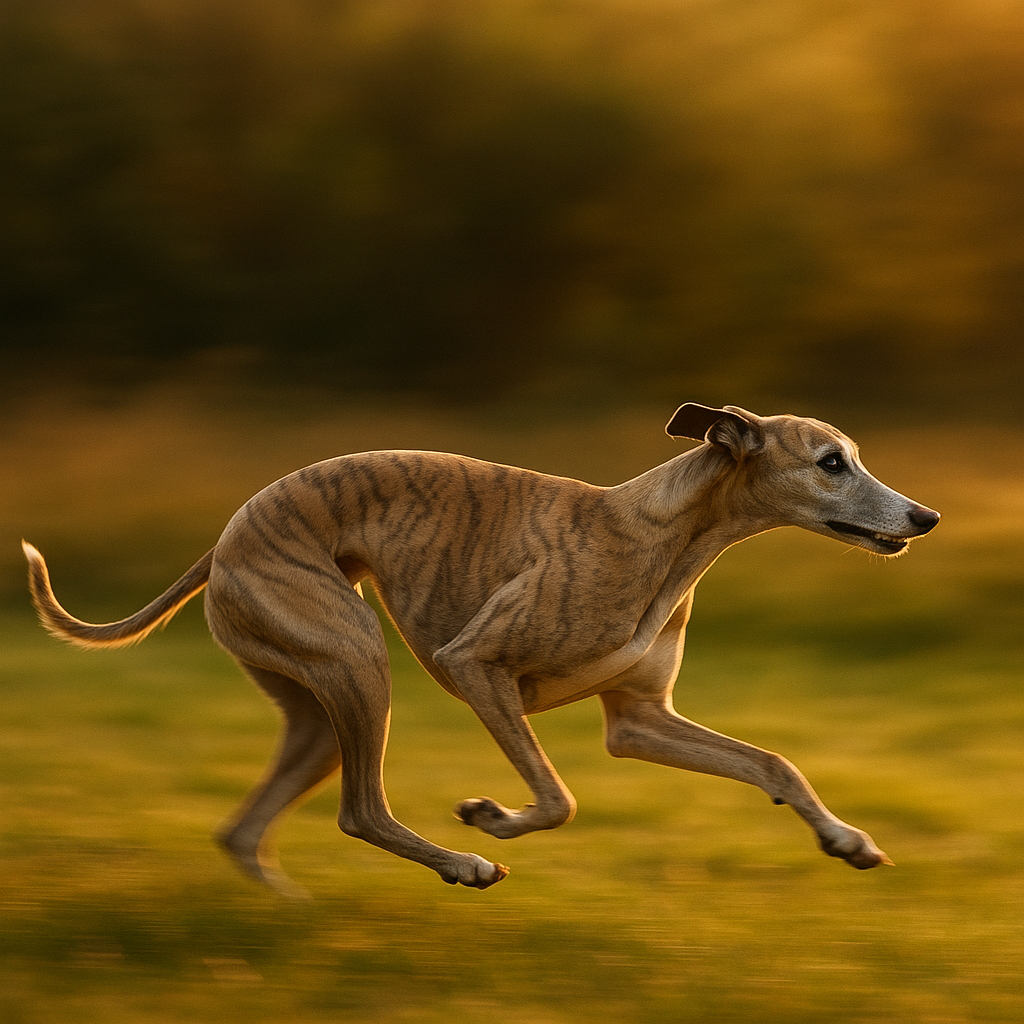
| ⚡ Speed | Explodes in short bursts: a true sprinter capable of exceeding 50 km/h over brief distances. |
| 🛋️ Behavior | Prefers domestic comfort and long naps on the couch after exertion. |
| 🏡 Apartment living | Adapts to urban housing if its training needs are met daily. |
| 🩺 Health | Requires regular check-ups for sensitivity to anesthetics, dental health, and joints. |
| 🎾 Activities | Benefits from varied exercises: short runs, moderate canicross, tracking games, and socialization. |

Short-legged but complex: the Whippet surprises with its dual personality. Both a natural sprinter capable of spectacular bursts of speed and an incredibly gentle domestic companion, it stands out as a unique breed, easy to overlook if you only look at its slender physique. This article offers you a complete, practical, and nuanced exploration of the Whippet — how it lives, what it needs, common mistakes to avoid, and concrete advice for smooth coexistence, whether you live in the city or own a large garden.
Origin and morphology: a refined athlete
The Whippet descends from small English greyhounds, crossed over time to achieve a balance between speed and maneuverability. Its slim silhouette, long muscles, and developed chest testify to a design oriented towards performance over short distances. But behind this fine appearance lies a sturdy skeleton: it is not a fragile dog, rather a specialized one.
What its physique implies daily
Its thin skin and short coat require vigilance regarding weather conditions: cold and humidity tire it quickly. You will often see owners equip it with a light coat in winter; this is not an aesthetic whim, but a response to its low natural insulation. Its legs are designed for acceleration, not for running for hours; it prefers repeated sprints to a long trot without variation.
Character: between shyness, affection, and independence

One might think that such an athletic greyhound would be solely focused on hunting or running. In reality, the Whippet forms deep attachments to its family, seeks human contact, and loves the comfort of home. It does not like excessive commotion and can be reserved with strangers. Its empathy makes it surprisingly sensitive to the moods of the people around it.
Compatibility with Children and Other Animals
Well socialized, the Whippet gets along very well with calm children; however, young children must be taught to respect the dog to avoid sudden movements that might scare it. With other dogs, it is often conciliatory, but contact with small animals with a high prey drive (rabbits, rodents, unfamiliar cats) requires caution and gradual learning. Its reaction can be quick toward an animal that runs away, although many Whippets live peacefully with cats when the introduction is gentle.
Exercise Needs and Mental Stimulation
The Whippet is not a hyperactive dog on a daily basis: it alternates explosive energy with long periods of rest. To avoid boredom and stress, it is advisable to structure its outings. Two or three sessions per day including a controlled running session, interactive games, and calm walks are often sufficient. The key word is variety: alternate sprints, light agility courses, tracking games, and socialization periods.
- Controlled sprint: 10–15 minutes on a secure terrain or canine track.
- Walk: 20–30 minutes for scent work and relaxation.
- Interactive play: challenging toys, short fetch sessions.
Practical Tips for Outings and Recall
Speed and curiosity for prey require safety rules: favor a fenced area for off-leash, or use a long line during training. Recall is learned with patience; start in a distraction-free zone and generously reward returns. A well-fitted harness protects the spine during sudden accelerations and is often safer than a traditional collar.
Health, Nutrition, and Care
The Whippet generally enjoys good health but has specific vulnerabilities. Its low body fat makes it sensitive to extreme temperatures and anesthetics. Genetic selection has reduced some pathologies of large sighthounds, but dental monitoring, weight control, and screening for eye or heart disorders remain essential.
| Aspect | Recommendation |
|---|---|
| Food | Adapted with quality proteins, portions adjusted according to activity. |
| Veterinary visits | Scheduled: annual check-up, more frequent if a problem is identified. |
| Grooming | Simple: weekly brushing and rare baths. |
| Exercise | Regular but short; avoid prolonged effort in heat. |
Nutrition: What to Prioritize
Prioritize a diet rich in proteins and essential fatty acids, which support muscle mass and fine skin. Active Whippets can tolerate slightly higher energy rations, but weight monitoring is crucial: an overly thin Whippet loses performance and endurance, while an overweight Whippet suffers unnecessary joint strain.

Training: Gentleness and Consistency
The Whippet’s sensitivity requires a training method based on positive reinforcement and consistency. Harsh punishments are counterproductive and risk creating mistrust. Work on basic commands in short, varied, and motivating sessions. Use high-value treats to reinforce desired behaviors, then gradually shift toward social and playful rewards.
- Reminder: start indoors, then space out distractions.
- Socialization: gradually expose to different people and situations.
- Self-control: waiting and obedience exercises to channel impulse.
Myths to Debunk
It is sometimes said that the Whippet is fragile or that it cannot live in the city. These are hasty generalizations. Although it requires climate precautions and adapted outings, it adapts very well to city life if you provide quality exercise sessions. Another common misconception: the Whippet is inflexible towards cats. Reality shows strong individual variations and a great influence of early socialization.
Choosing a Whippet: puppy, adult, or from a shelter?
Adopting a Whippet deserves honest reflection on your lifestyle. A puppy requires an investment in socialization and learning; an adult may already have a basic education. Shelters often offer Whippets that adapt very well to a new family life and provide the satisfaction of responsible adoption.
Points to Check with a Breeder or Shelter
- Health history: results of eye and heart tests if available.
- Early socialization: exposure to sounds, people, and other animals.
- Living conditions: clean environment, access to physical activities.
Living with a Whippet: arrangements and accessories
Some adjustments make daily life more comfortable: a soft elevated basket, blankets for cool days, safe toys to stimulate the mind and prevent boredom. A well-fitted harness and a quality long leash are investments that protect during sprints and training sessions.
Recommended Equipment List
- Thick or elevated baskets
- Waterproof and warm coat
- Soft harness and 5–10 m long leash
- Durable toys and intelligence games
- Electronic anti-escape collar: to be used with caution
FAQ
Is the Whippet suitable for apartment living?
Yes, if you provide enough quality exercise each day. It sleeps a lot and appreciates calm interiors, but demands sprints and stimulation to stay balanced.
Can a Whippet be left alone all day?
Moderate periods of solitude are possible, but prolonged isolation promotes boredom and anxiety. Plan a morning walk and another at the end of the day, plus games or a dog-sitter if necessary.
Should specific health problems be feared?
Watch the teeth, thin skin, sensitivity to anesthetics, and possible eye or joint disorders. Regular check-ups at the vet and adapted nutrition often suffice to limit risks.
Practical Summary: living happily with a Whippet
The Whippet excels when its duality is respected: it loves to run fast but endure long periods of cozy inactivity. Offer it safe sprints, gradual socialization, quality food, and precautions against the cold. In return, you will gain an affectionate, discreet, and deeply loyal companion. For city dwellers, a structured exercise schedule and some domestic arrangements transform this delicate sprinter into an ideal roommate.