| Key points | Details to remember |
|---|---|
| 🐕 Definition | Small dog originating from Wales |
| 👑 History | Companion of farmers then royal favorite |
| ⚡ Temperament | Dynamic, playful and alert |
| 🏠 Adaptability | Social with children and other animals |
| 🏋️ Activity | Daily needs for walks |
| ❤️ Relationship | Endearing, protective and faithful |
| 🩺 Health | Life expectancy 12–15 years, back care vigilance |

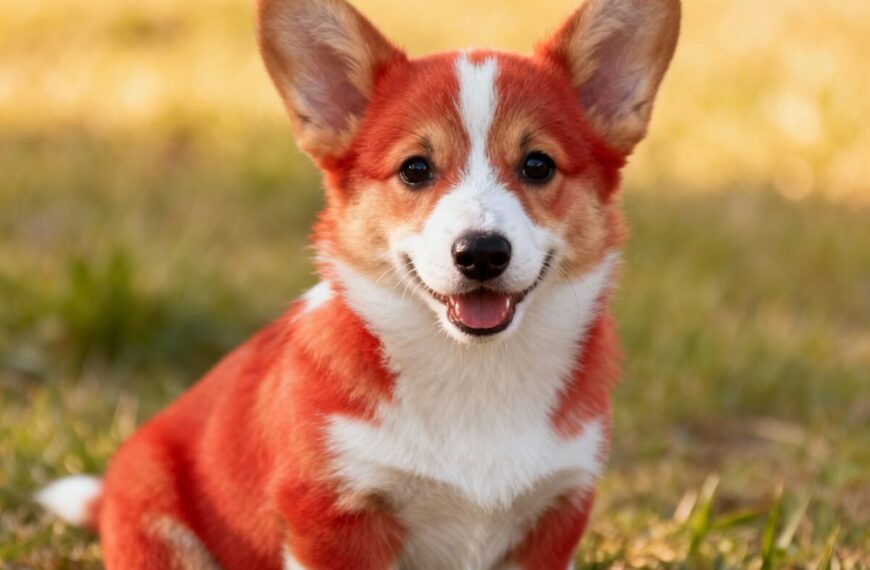
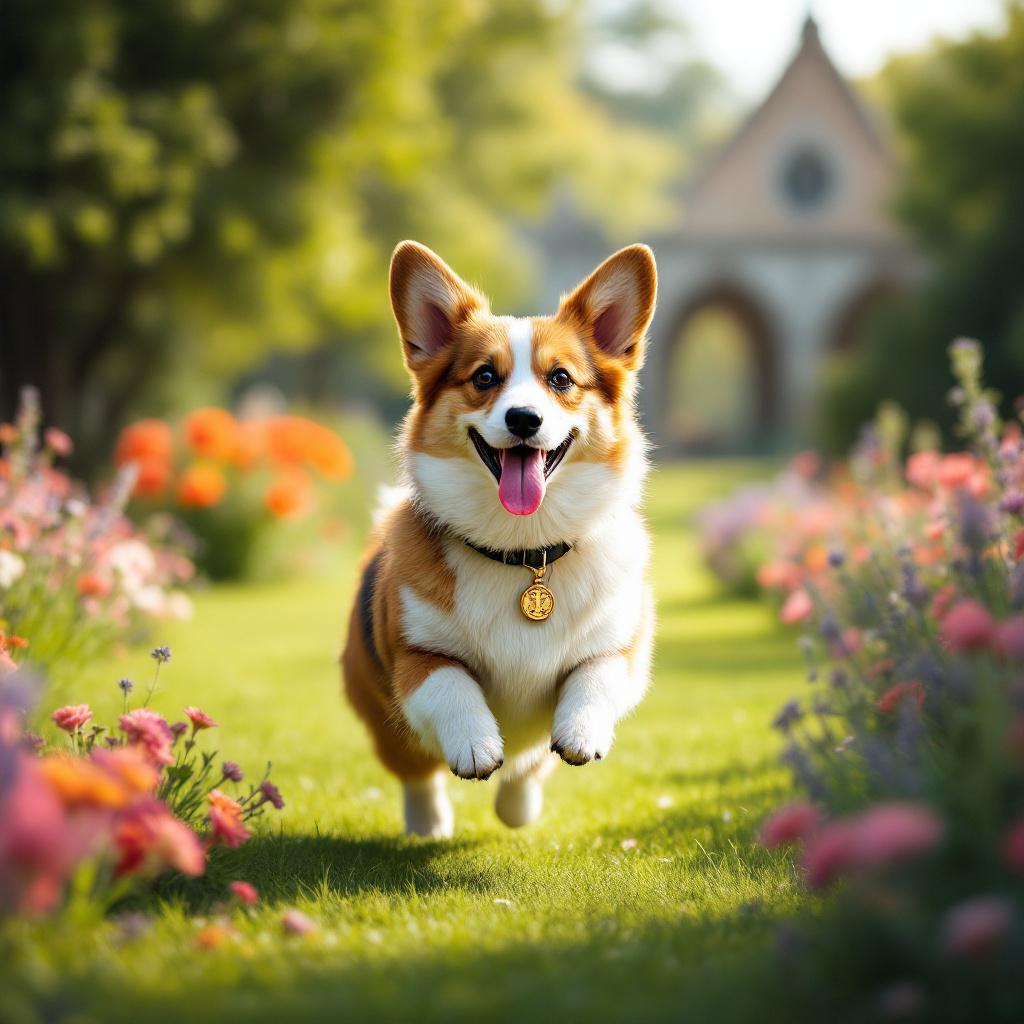
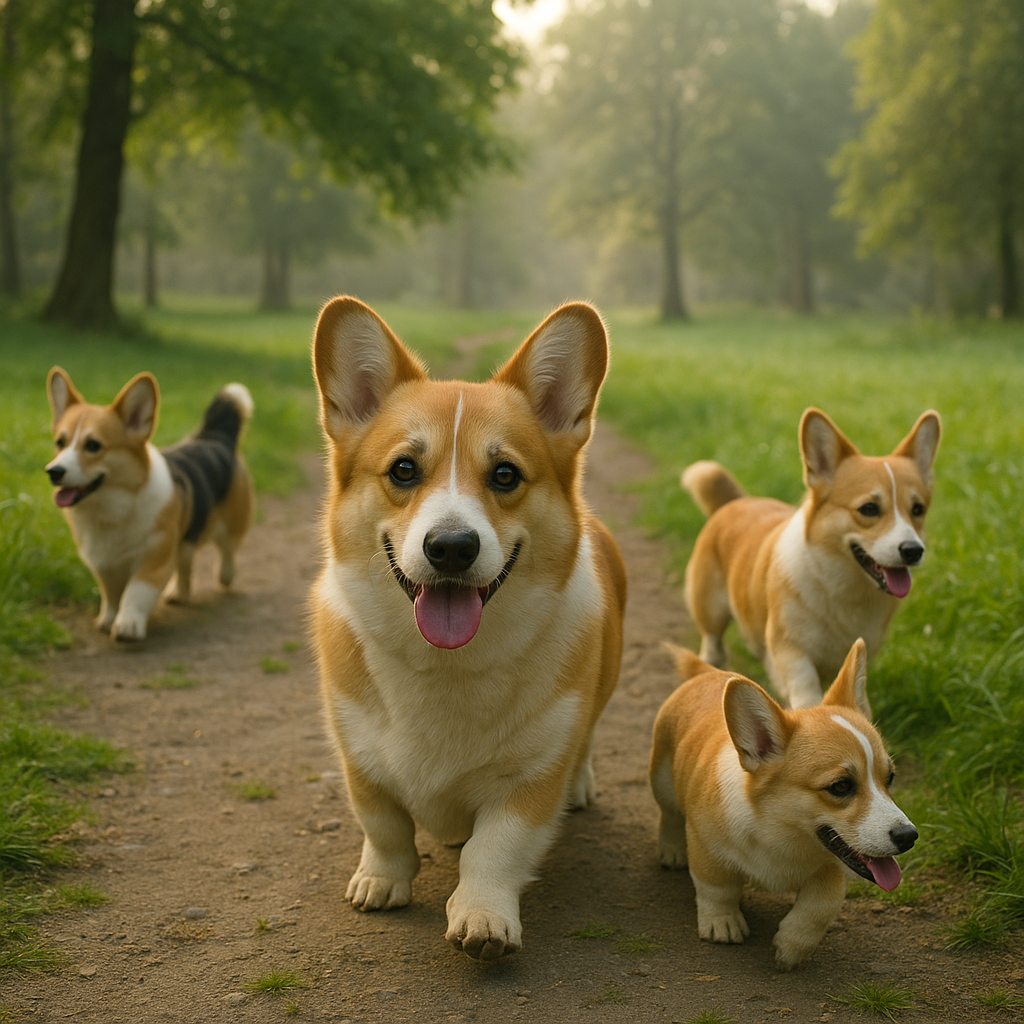
The Pembroke Welsh Corgi immediately evokes a stocky silhouette, pointed ears, and a confident head carriage. Highly appreciated by the British royal family, this dog combines liveliness, loyalty, and tenderness. Its appearance as a small sturdy dog actually hides an astonishing aptitude for work and a taste for daily companionship. Here, we dive into the world of the royal corgi, explore its origins, its extraordinary character, its daily needs, and the keys to welcoming it under good conditions.
Origins and history of the Pembroke Welsh Corgi
The name “corgi” finds its roots in Welsh, where “cor” means “dwarf” and “gi” means “dog.” Since the 12th century, this lively and courageous dog served to guard herds and gather cattle. Unlike the Cardigan Welsh Corgi, the Pembroke developed in the southern part of Wales, around the village of Pembrokeshire. Less stocky than its cousin, it quickly gained agility and speed.
From Welsh origins to the royal court
Over time, corgis became popular among farmers for their ability to avoid kicks by discreetly guiding cattle. Then, in the 20th century, the royal family’s fascination with this breed propelled the Pembroke Welsh Corgi to the status of a true canine icon. Queen Elizabeth II, in particular, owned them all her life, helped refine the breed standard, and inspired worldwide enthusiasm. One might think that this fame turned the corgi into a mere lap dog, but in truth, its herding instincts remain strong.

Character and temperament

The Pembroke Welsh Corgi combines boldness and gentleness. Often nicknamed “vase dog” because of its short back and low build, it remains an tireless companion who loves to move as much as it loves to cuddle. Its lively gaze betrays its sharp intelligence, and its sensitivity will surprise you: it senses everyone’s mood and adapts to situations.
- Curious: always on the lookout for a new smell or an unusual noise.
- Playful: loves to come back with his favorite toy, both indoors and in the garden.
- Sociable: easily forms bonds, whether with children, visitors, or other dogs.
- Protective: a faithful guardian of the home, he does not hesitate to bark to signal the slightest intrusion.
Daily needs and care
Exercise and activity
Despite his small size, this corgi has a true taste for effort: daily walks, ball games, or agility sessions allow him to channel his energy. In the absence of sufficient activity, he can become destructive or develop anxiety.
- Walks of 45 to 60 minutes each day, interrupted by free play phases.
- Intelligence games (hide-and-seek, treat toys) to stimulate his brain.
- Simplified herding activities, such as guiding a small group of objects or stuffed animals.
Adapted diet
Depending on age, morphology, and physical activity: the corgi’s nutritional balance is based on a supply rich in quality proteins, a moderate amount of carbohydrates, and measured lipids. Weight gain must be closely monitored, as overweight heavily strains the short spine.
| Age | Daily quantity | Points of attention |
|---|---|---|
| Puppy (2–12 months) | 3 to 4 meals | Bone and muscle growth |
| Adult (1–7 years) | 2 meals | Stable weight, avoid caloric overdose |
| Senior (7+ years) | 1 to 2 meals | Joint support, digestive fibers |
Coat maintenance
The double thickness of his coat requires regular brushing, especially during shedding periods. It is at this time that the density of his undercoat reaches its peak and can form knots if detangling is neglected. Brushing twice a week is sufficient outside of shedding, compared to daily brushing in spring and autumn.
Training and socialization
The intelligence of the Pembroke Welsh Corgi makes him particularly adaptable to learning, provided the approach remains playful and consistent. Positive rewards, petting, and healthy treats are favored over severity. Early mastery of leash walking and the “heel” command improves the relationship and reduces the risk of pulling inherited from his herding instinct.
“With the corgi, patience rhymes with perseverance: progress is made step by step, without rushing, and every achievement is celebrated.”
Socialization before six months includes meeting other dogs, discovering new environments, and exposure to different urban or rural noises. The earlier he is accustomed, the less he will develop fears later on.
Health and longevity
The life expectancy of the Pembroke Welsh Corgi ranges between 12 and 15 years. The structural weakness of his spine makes him prone to degenerative myelopathy and disc herniation. This risk does not prevent envisioning a long and active life, provided jumps and stairs are moderated.
| Issue | Symptoms | Prevention |
|---|---|---|
| Herniated disc | Back pain, limping | Limit jumping and sudden stretching |
| Degenerative myelopathy | Progression of hind limb weakness | Strengthening exercises and veterinary follow-up |
| Obesity | Loss of mobility, fatigue | Calorie control and regular activity |
Why adopt a Pembroke Welsh Corgi?
This corgi charms with its versatility: it adapts to an urban home or a rural life, as long as it is given enough mental and physical activities. Its affectionate character flourishes in contact with children and other animals, while its guardian instinct deters intruders. The bond it forms with its owner is based on mutual trust and a constant desire to communicate.
FAQ
Is the Pembroke Welsh Corgi suitable for families with children?
Yes, its natural gentleness and patience make it an excellent playmate, provided it is taught boundaries from a young age.
How to prevent back problems in the corgi?
Limit jumping, provide access ramps, and maintain a stable weight through a balanced diet and moderate exercise.
How often should you brush your Pembroke Welsh Corgi?
Twice a week for maintenance, and daily during shedding (spring/fall) to prevent matting.
What is the ideal activity level for this dog?
At least 45 minutes to 1 hour of varied activity each day: walks, play, and mental exercises.