

| Key points | Details to remember |
|---|---|
| 🐾 Origins | Born in the Lake District of England in the 19th century |
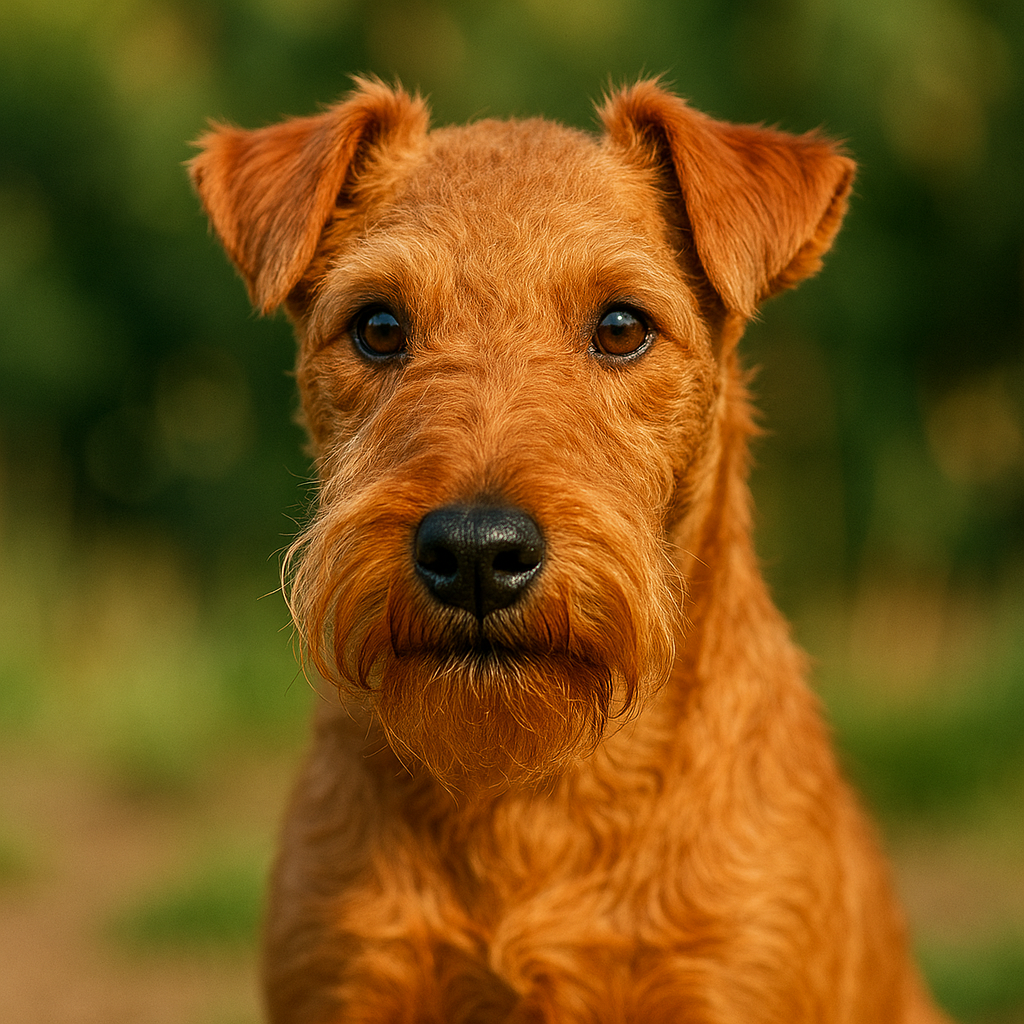
| 🎨 Coat | Dense red, weather-resistant |
| 💡 Temperament | Curious, lively and bursting with energy |
| 🛀 Care | Regular brushing and professional grooming |
| 🏃♂️ Activity | Daily exercise essential |
| 📚 Training | Early socialization, consistency and patience |
| 👨👩👧👦 Family life | Suitable for active households and children |

The Lakeland Terrier stands out with its lively appearance, its flaming red coat, and sparkling gaze. Benefiting from growing popularity, it charms with its small size, boundless curiosity, and the typical courage of terriers. Originating from the lakes of northern England, this companion quickly established itself with pest hunters before winning the hearts of modern families. Let’s dive into the world of this bold redhead by exploring its history, character, and the keys to fully sharing life by its side.
Origins and history of the Lakeland Terrier
A birth in the Lake District
In the 19th century, farmers and miners of the Lake District sought a sturdy dog, capable of hunting foxes and badgers without being intimidated. Through crosses of various local terriers, breeders shaped a compact dog with thick fur and a tenacious jaw. Thanks to this natural selection, the Lakeland Terrier acquired incredible resistance to wet conditions and a bold temperament, qualities that explain its immediate success in the English countryside.
From work to official recognition
Quickly appreciated for its hunting skills, it was not until 1928 that the British Kennel Club officially recognized the Lakeland Terrier. At the same time, the publication of the first standards set the size, coat type, and accepted colors. Initially confined to the lake basins, it gradually conquered continental Europe and then North America, where specialized clubs still today ensure the preservation of its authentic character.
Character and temperament

Curiosity and overflowing energy
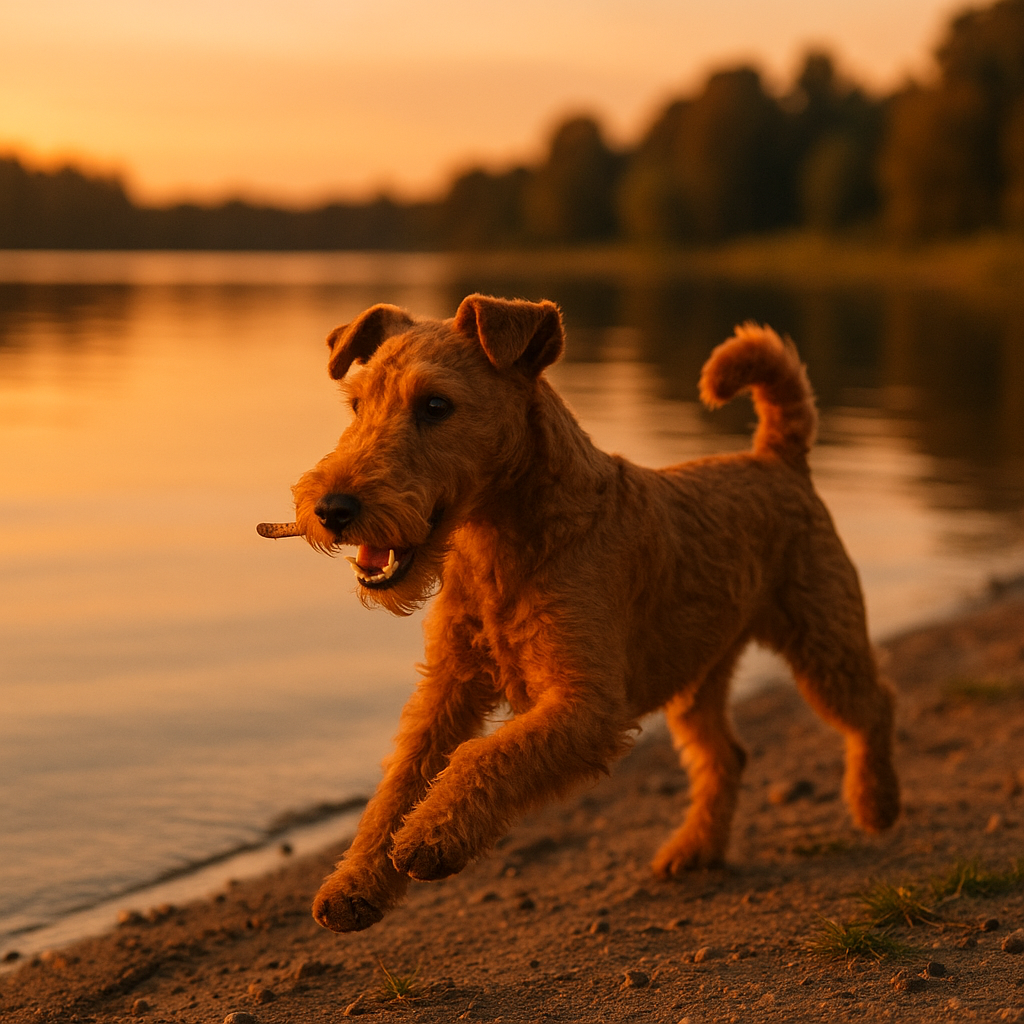
The heart of the Lakeland Terrier beats to the rhythm of its curiosity. Every corner of the garden becomes a playground for exploration, every shadow a challenge to overcome. Beneath its mischievous look, it hides constant energy: chasing a ball, digging a small tunnel, or flushing out an insect, everything amuses it. Yet, behind this whirlwind of activity lies an astonishing ability to focus during training sessions, provided the exercises are varied and motivating.
Complicity and adaptability
Despite its hunter temperament, this little redhead proves endearing in the family. It forms strong bonds with its owners, enjoys participating in activities, and adapts very well to apartment life, as long as it benefits from stimulating walks. Children appreciate its playful side, provided they respect its sensitivity: it hates sudden movements and prefers calm and gradual interaction.
Care and health
Grooming: Between Tradition and Modernity
The coat of the Lakeland Terrier deserves regular attention. Weekly brushing is enough to remove dead hairs and debris, but a stripping session (manual removal of dead hairs) twice a year remains necessary to maintain the dense and waterproof texture. Several owners opt for professional grooming, ensuring a clean backline and a straight tail, faithful to the original standard.
Health Monitoring and Regular Visits
Generally robust, the Lakeland Terrier can nevertheless be prone to certain hereditary conditions: patellar luxation, eye diseases, or thyroid disorders. Semi-annual veterinary check-ups help detect any abnormal signs early. Furthermore, a balanced diet adapted to its activity level limits the risk of weight gain, an aggravating factor for the joints.
Education and Socialization
Establishing Solid Foundations
Training a Lakeland Terrier ideally begins from adoption, around 8 to 10 weeks old. House training, familiarization with everyday objects, and gradual discovery of outdoor environments establish a sense of security. Reward-based methods, combining treats and praise, yield better results than overly strict discipline, which it might perceive as hostile.
Preventing Excessive Independence
A natural hunter at heart, it tends to chase anything that moves. Socialization therefore involves varied encounters with other dogs, but also pedestrians, bicycles, or children. By gradually exposing the puppy to these stimuli, you encourage recall obedience and limit escapes. A long leash or a reliable recall quickly become essential during walks in the great outdoors.
The Lakeland Terrier in Daily Life
- Walking gear: comfortable harness, leash of variable length to alternate freedom and control.
- Home equipment: intelligence games, activity mats, and first aid kits adapted to small dogs.
- Recommended activities: agility, light cani-cross, running in a secure park.
« With the Lakeland Terrier, you never get bored: it turns a simple sidewalk into a playground, but always stays alert to your gaze to know what new adventure you have in store for it. »
FAQ
What is the average age of the Lakeland Terrier ?
The lifespan of the Lakeland Terrier generally ranges between 12 and 15 years, provided you offer regular health check-ups and suitable daily activity.
How tall is an adult ?
The standard places the height at the withers between 35 and 38 cm, with a weight ranging from 6 to 7 kg. Its small size, however, conceals a solid musculature.
Is it compatible with children ?
Yes, its playful and protective character makes it a suitable play companion. However, care must be taken to ensure that children avoid sudden movements and respect the dog’s rest times.
What is the daily energy expenditure ?
On average, count at least 45 minutes to an hour of intense activity per day: free running, fetch games, or agility courses help channel its enthusiasm.
How to maintain its coat ?
Weekly brushing is sufficient, complemented by biannual stripping. To preserve skin health, choose gentle shampoos specially formulated for hard-coated dogs.