


The Labrador Retriever, often simply called “Labo,” is THE quintessential family dog. Overall, it is playful, adorable with children, and quite easygoing (provided you manage its energy and its insatiable appetite 🍗). In this article, we review everything you need to know to pamper this big lovable teddy bear.
General Presentation
Originally from Newfoundland (Canada) and later popularized in the United Kingdom, the Labrador Retriever has conquered the world thanks to its adorable face and ultra sociable temperament. Like the Golden Retriever, it was initially used to retrieve game during hunting trips, hence its name: “Retriever” literally means “fetcher.”
With its solid coat (black, yellow, or chocolate brown), sturdy body, and sparkling mischievous eyes, it is hard to resist this big charmer. Its life expectancy is around 10-12 years, or even more if you take care of its figure (yes, it is known for nibbling on everything it finds…).
Character and Behavior
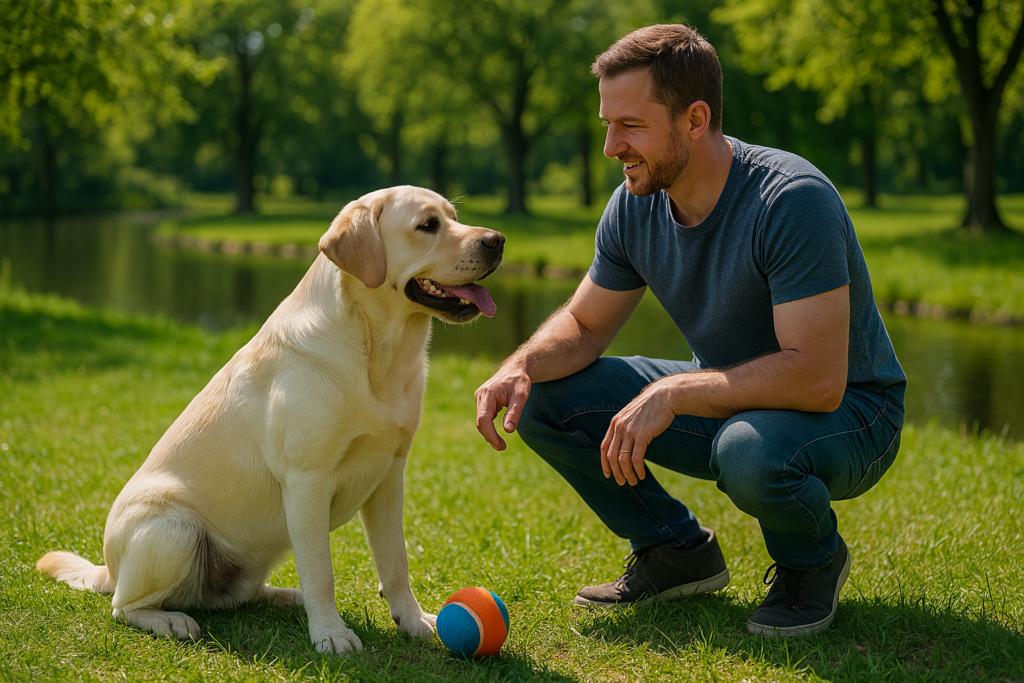
The Labrador is renowned for its natural kindness and outgoing personality. It loves everyone, from children to the elderly, and will never say no to an impromptu cuddle. Good to know, it is also quite a clingy dog: it likes to follow its owner everywhere to not miss a crumb of attention or treat.
Did you know? The Labrador is often trained as a guide dog for the blind, thanks to its gentle temperament and eagerness to learn.
Physical and Mental Needs
Beware, behind its sleepy appearance, the Labrador is still a sporty dog! It needs to let off steam, even if just by rolling in the mud or doing some sprints outdoors. Here are some ideas to keep a Labo feeling good:
- Regular walks, at least two good outings per day
- Retrieving games (balls, sticks, frisbees) – it loves chasing anything that moves
- Suitable canine sports: cani-walking, canicross, why not agility
- Mental stimulation: small obedience exercises, intelligence games
In short, a happy Labrador is a Labrador who has been able to expend energy physically and mentally. Otherwise, watch out for little mischiefs (rummaged trash, chewed shoes…).
Health & Genetic Predispositions
Like many large breed dogs, the Labrador can be prone to hip dysplasia. Regular vet check-ups are therefore essential, especially if you notice limping or reluctance to get up. You also need to watch its weight: an obese Labrador can develop diabetes, joint problems, and many other issues.
| Disease | Symptoms | Prevention |
|---|---|---|
| Dysplasia | Limping, difficulty getting up | Weight control, suitable exercise |
| Obesity | Overweight, shortness of breath | Proper diet, physical activity |
| Ear infections | Scratching, suspicious ear odor | Regular cleaning, vet consultation if needed |
Recommended Diet
Labradors often have a good appetite. In other words, they are not very picky and even tend to eat more than necessary. That’s why it’s always helpful to weigh the kibble and follow the recommended amounts on the packages.
- Choose premium quality kibble, specially formulated for large breeds
- Split the ration into two daily meals (or even three if needed)
- Limit treats (or favor light treats)
- Ensure access to fresh water at all times
And as a little anecdote, some Labradors don’t know when to stop eating. So, provided you want a healthy Lab, watch him like a hawk.
Coat Care / Grooming
The Labrador’s coat is short and dense, with a waterproof undercoat (he will love to take a dip in the water, watch out for your bathtub!). Weekly brushing is generally enough to remove dead hair and prevent it from settling all over the house.
As for bathing, don’t overdo it, only when Mr. Labrador comes back all muddy from his exploration session. Use a dog-appropriate shampoo, gentle on the skin.
Favorite Activities
- Swimming: He loves water, so why not take him to the beach or lake?
- Fetching objects: His “retriever” instinct means he loves bringing you balls or sticks
- Canicross or jogging: For sporty owners, he’s an excellent partner
- Agility (beginner level): Even if less agile than lighter breeds, he enjoys taking on challenges
Ideal for What Type of Owner?
The Labrador Retriever is the perfect candidate for families with children, active owners, and even dynamic seniors. He struggles with solitude, so it’s better to have someone who can devote time and attention to him. In other words, if you’re looking for a friendly dog, easy to train, and always up for a walk, go for it!
Recommended Products
As part of the affiliation, here are some must-haves for your Lab:
- Active dog kibble: to support his boundless energy
- Interactive treat dispenser: perfect to stimulate his intelligence
- Anti-shedding brush: limits hair invasion in the house
- Ergonomic harness: for walks or canicross safely
That’s why it’s advised to choose accessories carefully: your Labrador will thank you with lots of licks and fun moments!
FAQ & Anecdotes
Does the Labrador Retriever shed a lot?
Moderately, but he does shed hair all year round. Regular brushing helps control the situation, especially during shedding seasons.
How to prevent him from gaining too much weight?
The key is a balanced diet, adapted to their age and activity level, plus regular exercise. And limiting the little “extras” slipped under the table.
Anecdote that brings a smile
It is true that the Labrador can be a real clown! Some are capable of opening the fridge or the trash can in your absence… Cherry on top: they even have the reputation of sitting directly on your feet to be closer to you.
In other words, the Labrador Retriever is an ideal choice if you are looking for a loving, playful companion who is always ready to share your adventures. You just need to be attentive to their diet and provide enough exercise to channel their boundless energy. The icing on the cake is that they will return all the love and affection you give them, without moderation!