| Key Points | Details to Remember |
|---|---|
| 🐶 Origin | French hunting dogs with a history dating back to the 19th century |
| 👂 Ears | Long and flexible, require regular cleaning |
| ❤️ Temperament | Patient, ideal for families with children |
| 🍽️ Diet | Control portions to avoid weight gain |
| 🏃 Activity | Moderate, daily walk of at least 30 minutes |
| 🩺 Health | Regular monitoring of joints and ears |

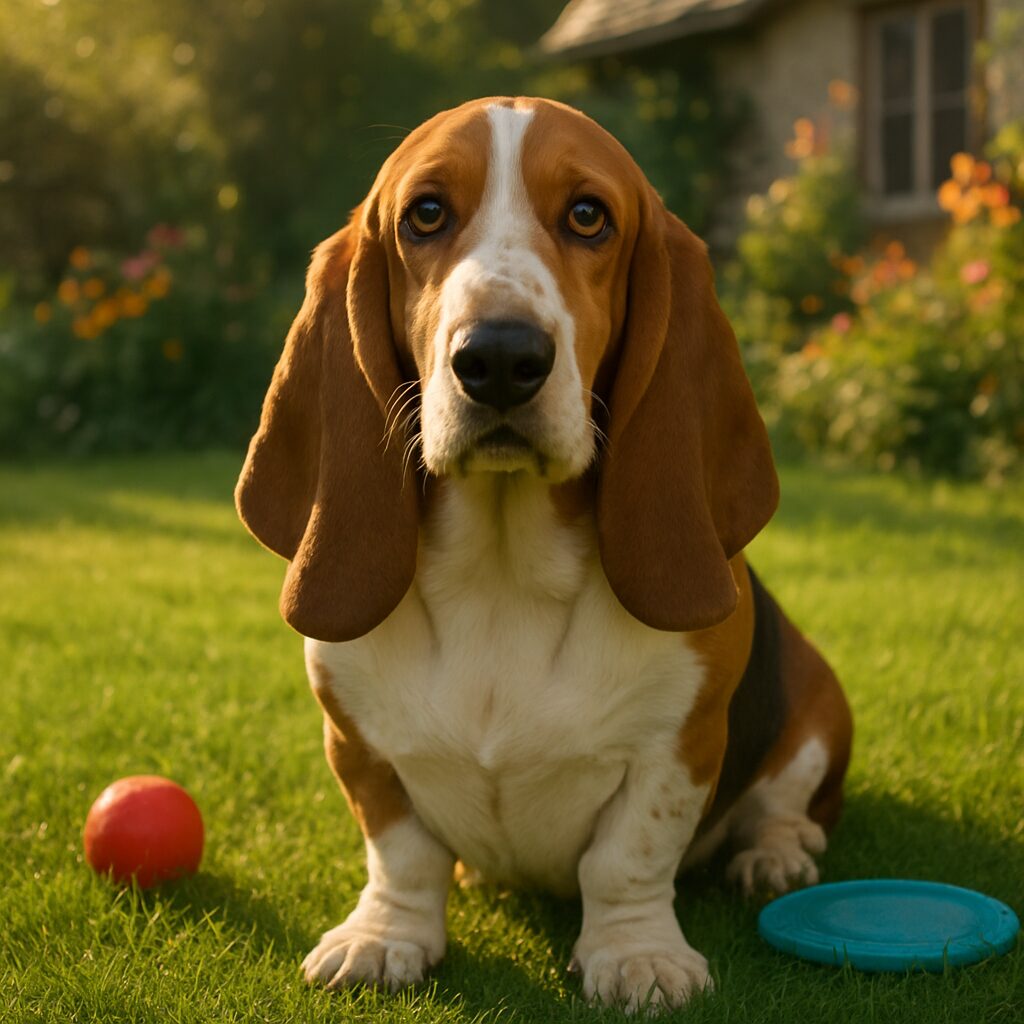
The Basset Hound instantly fascinates with its long ears and slightly stocky appearance. Behind this uncommon silhouette lies a remarkable temperament: it combines the gentleness of a family companion with the tenacious energy of a hunting dog. Through this article, you will discover how to recognize its specific traits, meet its physical and emotional needs, and ensure its daily well-being.
Physical Characteristics
Size, bone structure, and silhouette
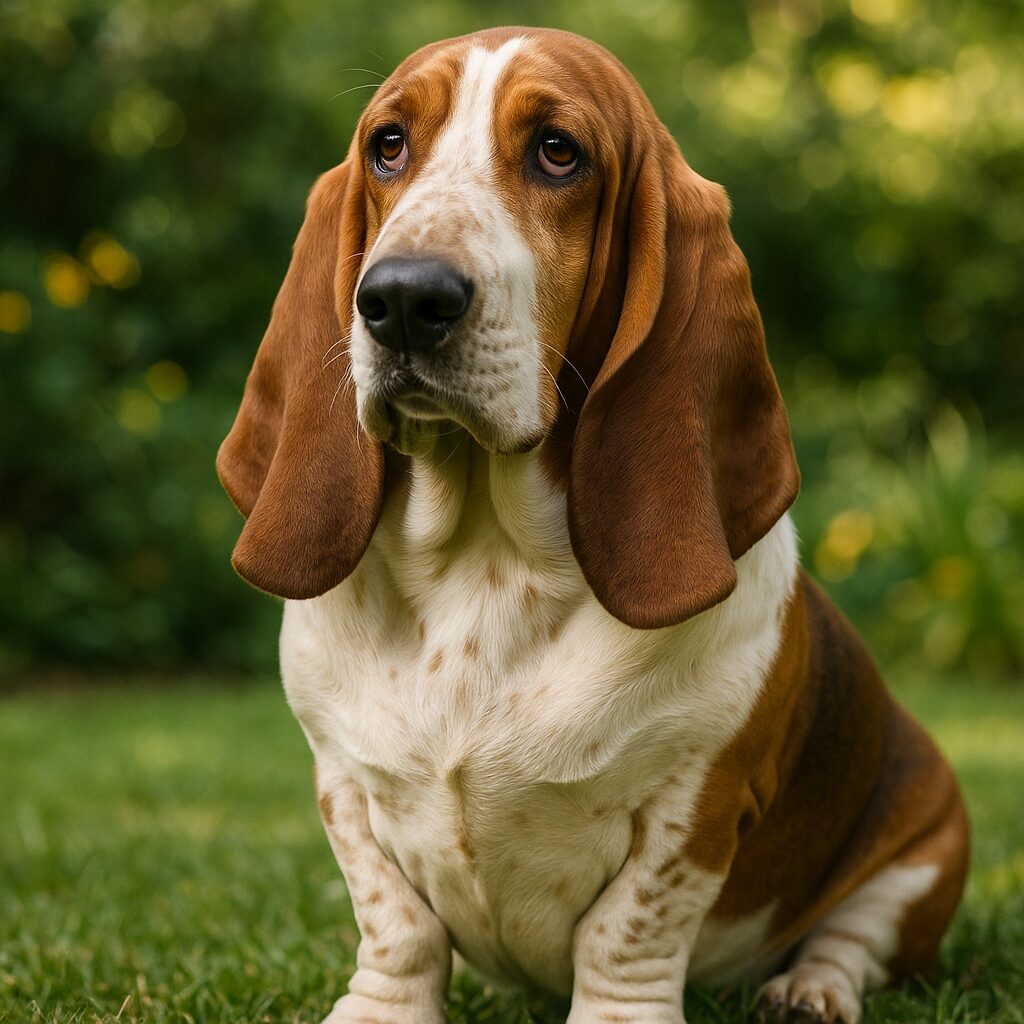
With its short legs and elongated back, the Basset Hound adopts a profile recognizable from a thousand others. Its height at the withers generally ranges between 30 and 36 cm with a weight varying from 20 to 30 kg. This low morphology gives it a very low center of gravity, perfect for following scents on the ground, but it also exposes it to joint constraints. A robust bone structure supports a powerful body without sacrificing its flexibility.
The ears: a sensitive asset
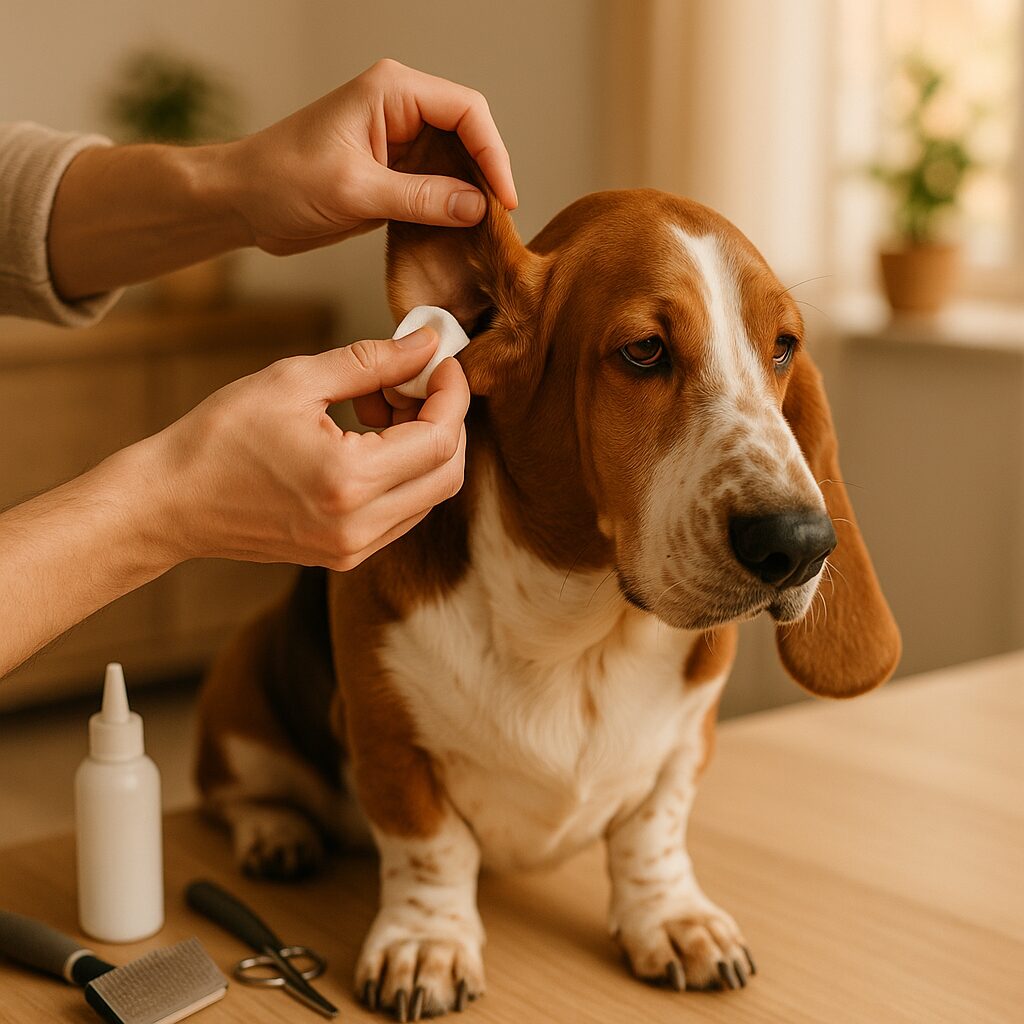
These huge flaps of flesh, true particle vacuum cleaners, are often the first image associated with the Basset Hound. Their role goes beyond aesthetics: they channel scents towards the nose, thus enhancing its olfactory abilities. However, they easily retain moisture and dirt, which can cause irritations or infections if not carefully monitored. A weekly check is enough to spot redness or bad odors and intervene in time.
Temperament and Behavior

Socialization in a family environment
One might think that a dog originally trained for hunting would be reserved and shy. In reality, the Basset Hound proves to be particularly affectionate and patient, especially with children. Its moderate size and love for petting make it a reassuring companion. However, it sometimes shows melancholy when left alone too long; it is therefore better to ensure it has daily company, whether human or canine.
Curiosity and need for stimulation
Despite a calm pace, this dog retains the stubborn instinct of its hunting heritage. A simple ball will not always be enough to captivate it: it demands scent trails, object search games, or varied walks to stay balanced. On forest ground, it transforms into a true detective, diligently sniffing in a constant exploration. Introducing treat-dispensing toys or organizing small treasure hunts in the garden enriches its daily life.
Health and Grooming
Weekly Grooming Routine
| Task | Frequency |
|---|---|
| Ear check | Once a week |
| Coat brushing | Twice a week |
| Nail trimming | Once a month |
| Full bath | Once a quarter |
| Teeth check | Twice a month |
Feeding and Weight Management
The Basset Hound tends to become overweight if its calorie intake is not adjusted. Choose a kibble rich in quality proteins, in quantities adapted to its age and activity level. Several small meals spread throughout the day prevent hunger and limit overeating. To combat digestive sluggishness, favor calm walks just after meals rather than intense play, in order to reduce the risk of stomach torsion.
Ear Care
Before any handling, settle your dog comfortably. With a suitable product (veterinary ear solution), gently soak a cotton ball or compress, never inserting a cotton swab deeply. Massage the base to loosen residues, then gently dab excess liquid. If you notice odorous secretions or pain upon palpation, do not hesitate to consult to prevent a more severe infection.
Training and Socialization
Positive Reinforcement Approach
The Basset Hound has a certain stubbornness, inherited from its past as a persistent tracker. Using force only leads to mutual distrust. On the other hand, rewarding every small success – a sit held for a few seconds, a quick recall – encourages its engagement. Special “low-calorie” treats prove useful to reward goals without adding weight.
Obesity Prevention and Exercise
Without regular exercise, this dog slowly drifts towards sedentary behavior and weight gain. A daily walk of 30 to 45 minutes, punctuated by sniffing breaks and intelligence games, is enough to maintain its figure. If it lives in a house, a well-fenced garden will offer a space for controlled roaming. In an apartment, multiply outings and playful sessions to avoid boredom and destructive behaviors.
FAQ
- What are the main characteristics of the Basset Hound?
- Medium-sized, short legs and long ears, it is a powerful but flexible dog, designed for ground hunting.
- How to prevent ear infections?
- Clean the ears weekly with a veterinary solution and check for signs of redness or unusual odor.
- What diet to avoid obesity?
- Opt for a balanced diet, divided into small meals, coupled with moderate daily physical activity.
- How to motivate a lazy Basset Hound?
- Offer tracking games, fillable toys, and suitable rewards to stimulate its sense of smell and avoid boredom.