| Key Points | Details to Remember |
|---|---|
| 🐕 Specific Needs | Important proteins and quality fats |
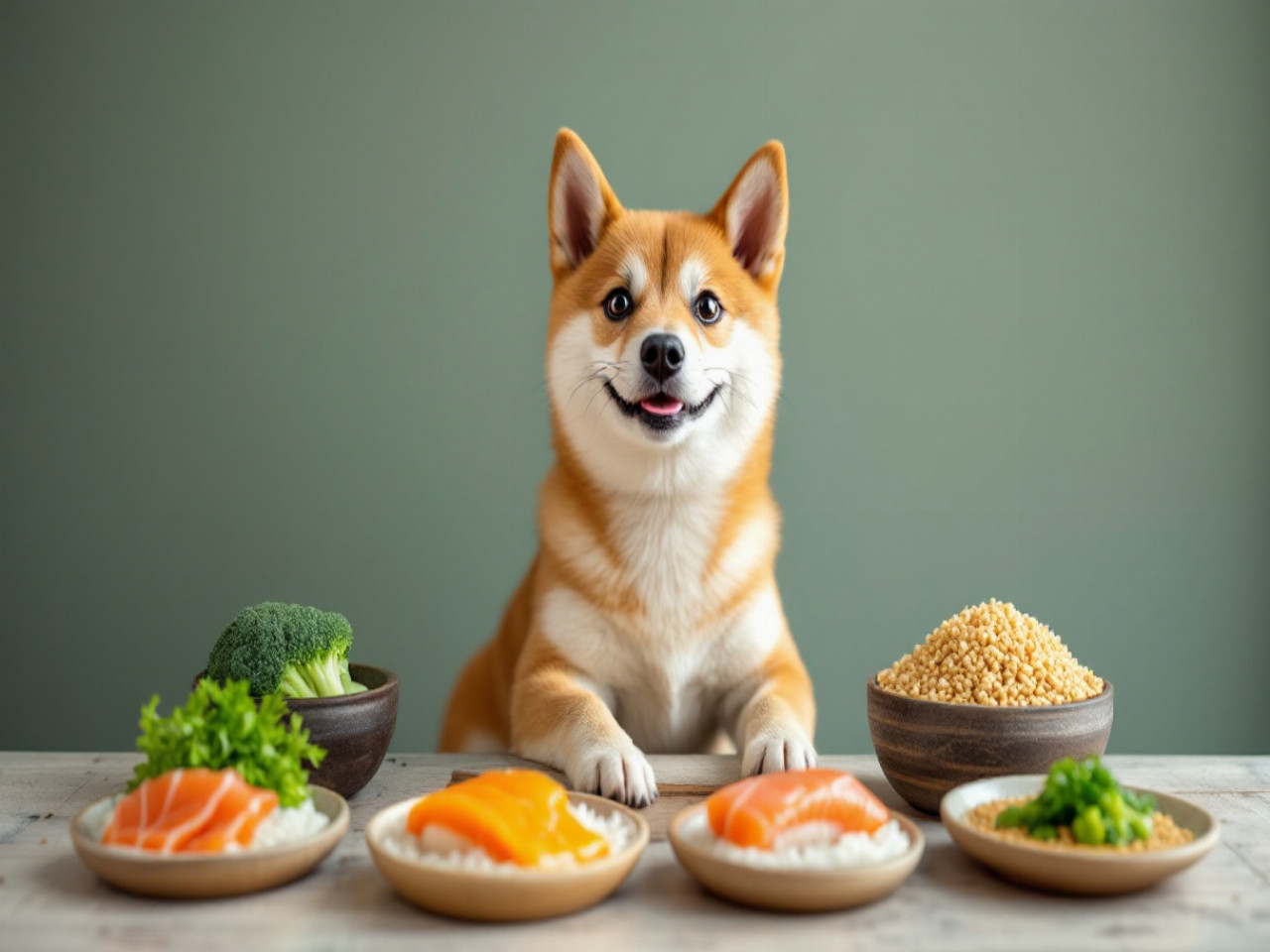
| 🍗 Protein Sources | Chicken, lean beef or fatty fish |
| 🥔 Complex Carbohydrates | Sweet potato and brown rice low in fat |
| 🥛 Dairy Products | Plain yogurt to provide probiotics |
| 🥕 Vegetables | Carrots and spinach rich in vitamins |
| 🫐 Antioxidants | Blueberries and red fruits |
| 🍳 Supplements | Eggs for amino acid intake |
The Shiba Inu charms with its little fox appearance and lively temperament, but behind this smile lies a very specific nutritional need. Between high energy and genetic predispositions, it deserves an optimized diet. Here, no miracle recipes or empty slogans: we review seven carefully chosen foods to preserve its dynamism and long-lasting health.
Understanding the Nutritional Needs of the Shiba Inu
The metabolism of the Shiba remains relatively fast, which requires a well-balanced diet. According to the WSAVA (World Small Animal Veterinary Association), an active dog requires about 25 to 30% crude protein, especially of animal origin, to support muscle mass. Fats play a key role in caloric intake and the absorption of fat-soluble vitamins (A, D, E, K).
Carbohydrates, while not strictly essential, provide fiber for digestive health and long-term energy. To avoid glycemic spikes, complex carbohydrates with a low glycemic index are preferred — for example sweet potato or brown rice.
Finally, the balance between omega-3 and omega-6 promotes healthy skin and a shiny coat. The Shiba can sometimes show food intolerances or skin sensitivities, making the careful selection of each ingredient all the more crucial.
Top 7 Foods to Include in the Menu
1. Lean Chicken
Boneless, skinless chicken is the cornerstone of many homemade preparations. Rich in essential amino acids, it is easily digested and can be cooked by boiling or steaming to limit the addition of unnecessary fats. Be sure to remove all cartilage traces to avoid choking hazards.
Chicken also presents an interesting calcium/phosphorus ratio when finely ground bones are introduced. This source of lean protein pairs perfectly with a fitness phase or after intense physical activity.
2. Salmon
The omega-3 fatty acids in salmon promote coat shine and soothe joint inflammations. Whether you choose fresh or canned salmon (without added salt), gentle cooking — steaming in the oven or en papillote — will preserve its properties. Be careful with the bones, always removed.
Dogs, like humans, benefit from these “good” fats for the brain and immune system. A weekly portion is generally enough to cover the recommended intake.
3. Sweet potato
Sweet potato tubers, cooked without skin, provide complex carbohydrates and a good dose of beta-carotene. Once mashed, they can be easily incorporated into kibble or a homemade meal. This food keeps your dog feeling full longer and limits appetite fluctuations.
Moreover, sweet potatoes concentrate antioxidants that support natural defenses — a valuable asset against cellular aging.
4. Plain yogurt
Whole yogurt, without sugar and sweeteners, provides bacterial flora that helps regulate digestion. Probiotics reduce episodes of diarrhea and contribute to better nutrient absorption.
A few spoonfuls in the bowl, two to three times a week, are sufficient. If your companion shows lactose intolerance, you can substitute with diluted kefir or completely avoid dairy products.
5. Eggs
The egg, whole or as an omelette without added fat, is a concentrate of amino acids, B vitamins, and minerals. It acts as a complete food in small doses, often used to compensate for a lack of variety.
Recommended cooking: poached or hard-boiled to eliminate any risk of salmonella. Introduce gradually to observe your Shiba’s tolerance.
6. Carrots
Raw or lightly blanched carrots appear as a crunchy snack, providing beta-carotene, fiber, and minerals. They can be cut into sticks to encourage chewing and dental hygiene.
Sometimes overlooked, these roots are excellent for vision and cardiovascular health, while remaining very low in calories.
7. Blueberries
Blueberries, in fresh or frozen form, offer powerful antioxidants that support the immune system. Example of use: a handful blended into sweet potato puree for a natural and tasty dessert.
Be careful about the quantity: too much natural sugar can cause minor digestive issues.
Practical advice for a varied diet
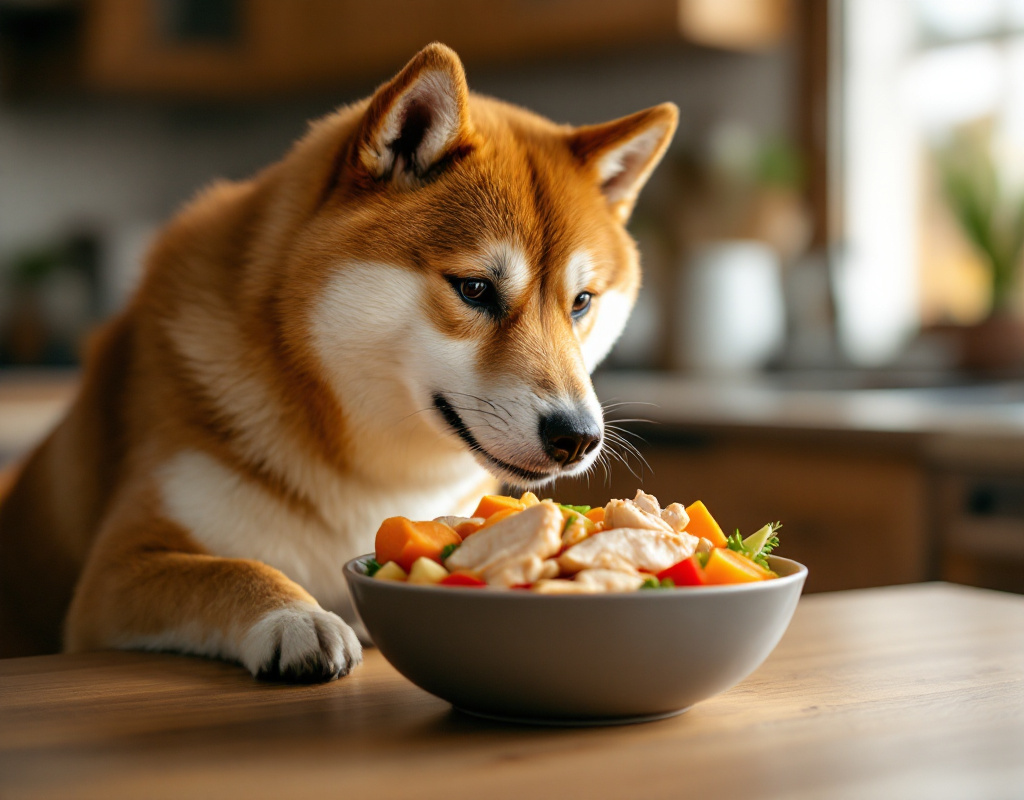
Introducing each new ingredient one at a time, over several days, allows identification of a possible allergy. Alternating protein sources (chicken, lean beef, fish) promotes amino acid diversity. Although some veterinarians advise against excessive dairy products, the healthy diet for Chihuahuas and that of the Shiba share common principles: rotation, light cooking, low glycemic index vegetables.
Remember to adjust the ration according to physical activity and age. A healthy adult Shiba will require between 300 and 500 g of food daily, divided into two meals. Puppies will need more calories per kilo of weight, while a senior will have reduced requirements.
Indicative Portion Table
| Age | Average Weight | Daily Portion |
|---|---|---|
| Puppy (3–6 months) | 3–5 kg | 200–300 g divided over 3 meals |
| Adult (1–7 years) | 8–10 kg | 350–450 g in 2 meals |
| Senior (7 years+) | 8–10 kg | 300–350 g in 2 meals |
Traps to Avoid
- Never offer grapes, onions, or chocolate, which are toxic to dogs.
- Avoid cooked bones that can splinter and perforate the digestive tract.
- Limit industrial treats rich in sugar and additives.
- Be wary of sweetened or flavored dairy products.
FAQ
Which fruits can be given to a Shiba Inu?
Besides blueberries, apples (without seeds) and pears fit well, in small quantities. Overly sweet fruits, like bananas, should remain occasional.
Can a Shiba Inu eat kibble and fresh foods?
This mixed approach, called “feed-mix,” combines quality kibble and homemade preparations. It offers flexibility and control over ingredients while maintaining the convenience of dry food.
How to avoid deficiencies?
By alternating proteins, vegetables, and carbohydrates, the risk of deficiency is limited. A vitamin/mineral supplement prescribed by your veterinarian will be useful if you cook 100% homemade meals.
How often should a new food be introduced?
A pace of 3 to 7 days per new ingredient ensures clear observation of tolerance and reduces digestive issues.
Should portions be weighed?
Ideally yes, to adjust the ration as accurately as possible. A food scale will help you respect the recommended quantities according to age and activity.