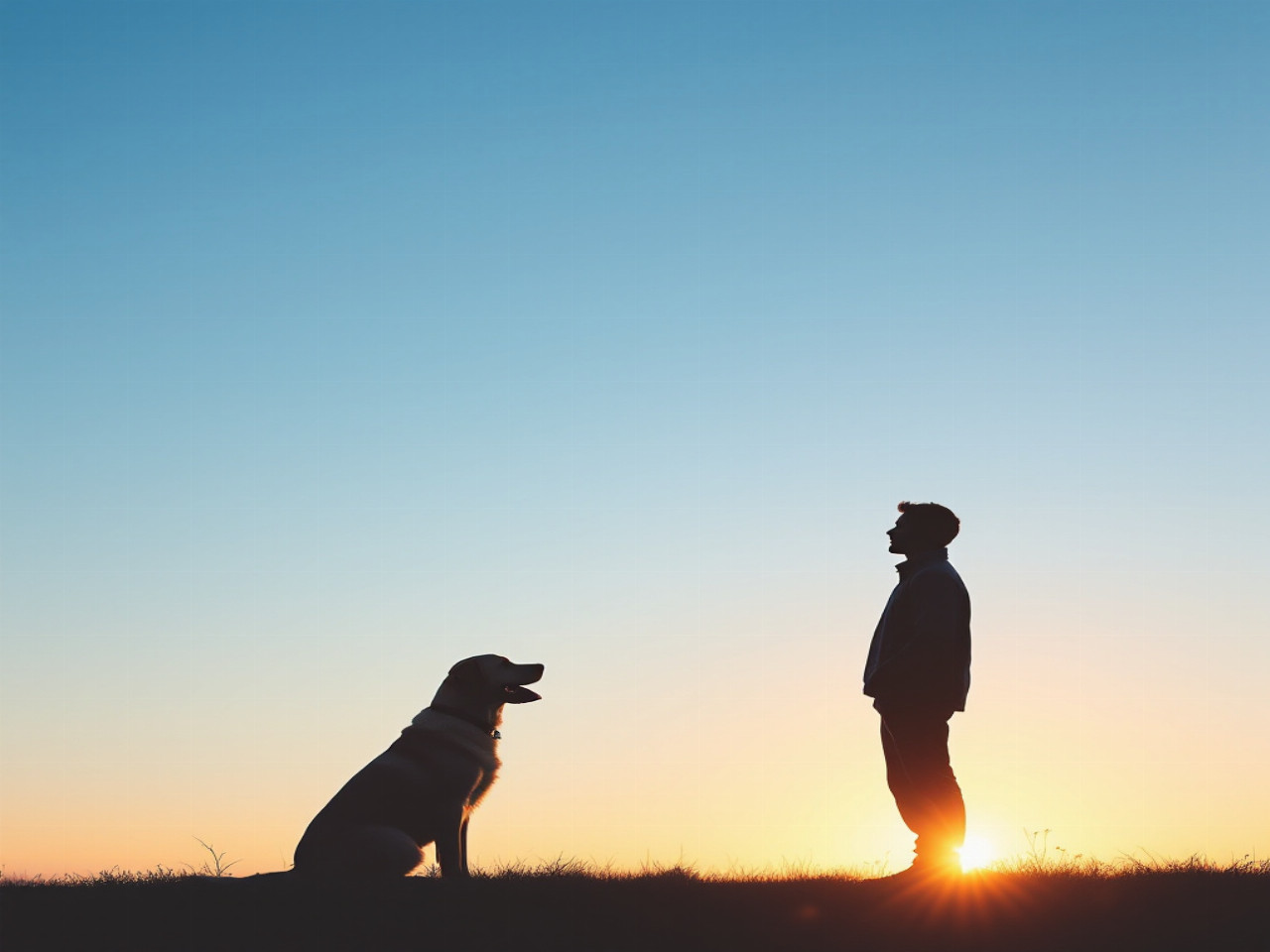
Establishing a routine for your dog is not just about ticking boxes in a planner. It’s about offering your companion the security of a clear and reassuring rhythm. Between targeted walks, playtime, rest periods, and training, the idea is to calibrate each step to meet your dog’s physical and mental needs. You will see that by investing a little time in structuring your days, you will get back a calmer, more attentive, and fulfilled dog.
Why a routine is essential for a dog
Unlike us, dogs do not grasp the concept of time: they live in the present moment. Yet, they greatly benefit from anticipating events. A meal served at a fixed time, a scheduled walk, a regular cuddle session… These landmarks structure their world. In practice, a routine reduces separation anxiety, limits destructive behaviors, and facilitates daily coexistence. A reassured dog focuses better during training sessions and remains more sociable when faced with a new environment.
The pillars of a balanced routine
Feeding and hydration
Offering regular meals helps not only digestion but also your dog’s metabolic balance. Two to three meals a day depending on age and size, with a ration adapted in proteins and nutrients, prevent energy slumps and digestive disorders. Always ensure a bowl of fresh water is available: access to hydration is crucial, especially after exercise or during hot weather.
Exercise and mental stimulation
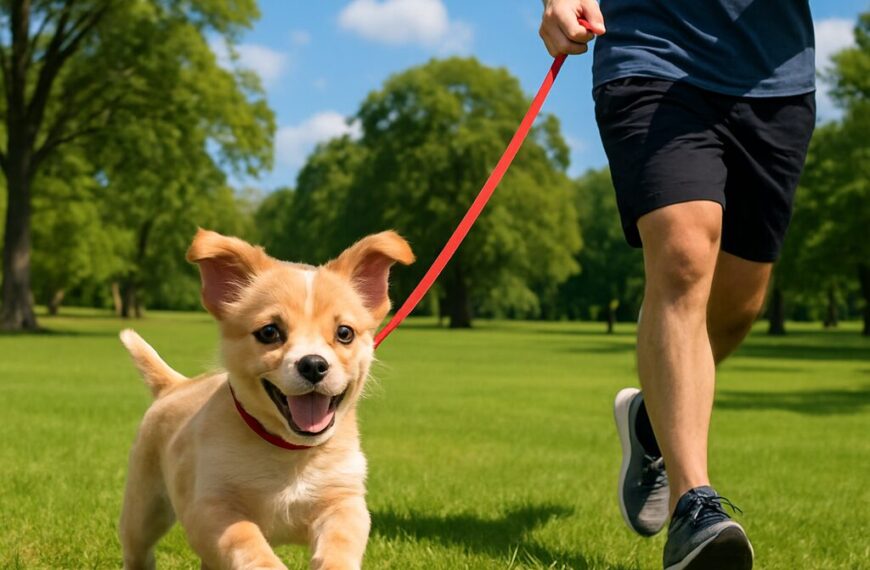
A straight-line walk is not enough. The idea is to vary intensities and environments: a morning jog, a scent-tracking session (tracking games), or a forest walk where your dog can sniff every blade of grass. At home, complement with interactive puzzles or treat-dispensing toys. These activities maintain mental sharpness and protect your dog from boredom, which often causes destruction or excessive barking.
Rest periods
After effort comes comfort… and restorative sleep. An adult dog sleeps on average 12 to 14 hours a day. Create a cozy space for them, away from foot traffic, where they can retreat. An indoor kennel with a soft bed, some plush toys, and their favorite blanket: everything contributes to your dog associating this place with calm. During rest phases, avoid sudden visual stimuli (TV, loud music) to preserve sleep quality.
Socialization and interaction
The routine is not limited to practical gestures; it also includes social life. Schedule a regular slot for meetings with other dogs or for receiving friends at home. Well-managed canine exchanges teach your dog to communicate, manage excitement, and respect others’ space. Not to mention moments of bonding with you: cuddles, petting, and even a few soft-spoken words have an immediate calming effect.
How to set up your routine step by step
1. Assess your dog’s individual needs
Before setting a schedule, observe your dog over three to five days: note their rest times, activity peaks, and reactions to stimuli (noises, presence of guests, walks). Puppies require more hours of sleep, while a senior may need shorter but more frequent walks. Understanding their own rhythm prevents you from proposing a program that is too demanding or, on the contrary, not stimulating enough.
2. Develop a daily schedule
Freestyle or with a task management app, set your slots: wake-up, breakfast, walk, training, lunch, quiet time, free play, etc. The important thing is to be realistic and allow margins for unforeseen events (rain, work emergency…). In case of travel, your dog will always find their landmarks. If you change your hours, inform a dog-sitter or a close person so they follow the same framework.
3. Gradually introduce each step
The key: gradualness. You will not go from free sleeping to a designated basket overnight. Start by moving the bowl, then add a blanket, then a toy. Reward small successes with a treat or some petting. Positive reinforcement remains the gentlest method to encourage your dog to adopt a new behavior, without frustration or resistance.
4. Anticipate changes in routine
A move, the arrival of a baby, or a change in schedule can disrupt the established routine. To ensure these transitions go smoothly, you can consult our Guide: Preparing your dog for changes in routine. It is full of desensitization exercises, advice to adapt each step, and concrete examples to maintain mental balance despite the novelty.
5. Adapt your home environment
A well-arranged interior makes it easier to respect the routine. Store toys in a designated basket, always place the bowl in the same spot, and set up a resting area away from traffic flow. To go further, discover our file on adapting the home environment to your dog’s needs. You will find ideas for modular barriers, scratch-resistant furniture, and solutions to protect your furnishings without stifling your companion’s curiosity.
Tips for maintaining the routine in the long term
- Structured flexibility: tolerate slight adjustments without deviating from the core schedule.
- Logbook: note behavioral changes and adjust if necessary.
- Activity renewal: introduce a new game or a domestic agility course each month.
- Varied rewards: vary treats, toys, and compliments to maintain enthusiasm.
- Communication: inform your relatives or pet-sitters of the routine so they respect it.
Example of a daily schedule
| Time | Activity | Goal |
|---|---|---|
| 7:00 AM | Breakfast | Energy for the morning |
| 8:00 AM | Active walk (30-45 min) | Burn energy |
| 10:00 AM | Interactive play | Mental stimulation |
| 12:00 PM | Cuddles and rest | Recovery |
| 2:00 PM | Educational training | Reinforcement of commands |
| 4:00 PM | Sniffing walk | Sensory exploration |
| 6:00 PM | Dinner | Nutritional intake |
| 7:00 PM | Socialization (friends, another dog) | Social learning |
| 9:00 PM | Quiet time and bedtime | Restorative sleep |
FAQ
What is the ideal duration for a daily walk?
It all depends on your dog’s profile: a 1-year-old pointer will need more than 45 minutes, while a French bulldog will be content with 20 minutes per outing. The important thing is quality: vary pace, environment, and sniffing phases.
How to adjust the routine for a puppy?
Puppies sleep a lot, up to 18 hours a day. Reduce the length of walks, multiply them (four short trips rather than one long one), and introduce basic command training in short sessions so as not to exhaust them.
My dog has difficulty coping with changes: what should I do?
Take the time to announce each change (schedule change, new place) with desensitization exercises. Our Guide to preparing your dog for changes offers a step-by-step protocol to maintain a reassuring course.
Can I let my dog decide its own pace?
Some freedoms are possible, but without a precise framework, the risk is overactivity or, on the contrary, boredom. Your role is to provide a stable foundation: within this framework, yes, let him choose his game or cuddle time.