| Key Points | Details to Remember |
|---|---|
| 🐶 Definition | Understand the origin and temperament of the Miniature American Shepherd. |
| ⚡ Energy Needs | Adapt the activity to its lively and enduring metabolism. |
| 🏃♂️ Types of Exercises | Vary between physical exercises and mental stimulation. |
| ⏱ Frequency | Plan several short and dynamic sessions each day. |
| ✅ Signs of Satisfaction | Observe a calm and focused dog after effort. |
| ⚠️ Precautions | Monitor the joints, especially during growth phases. |
The Miniature American Shepherd, despite its compact size, holds considerable energy. To nurture this harmoniously built dog, daily exercise plays a central role: it prevents boredom, channels liveliness, and strengthens the bond with its owner. Without an adapted routine, this small shepherd may develop anxiety or destructive behaviors. The goal is not just to tire it out, but to stimulate it physically and intellectually, in order to maintain lasting balance. This analysis details how to calibrate intensity, duration, and variety of activities to meet the unique needs of this breed.
The Energy Profile of the Miniature American Shepherd
One might think that a miniature dog requires less exercise than a large shepherd dog, but the energy profile of this breed contradicts this idea. Resulting from selective breeding, it has inherited a dynamic temperament, built for work. Its joints, molded down from standard size reducers, do not reduce its ability to move and respond to the slightest stimulus. By understanding its sources of vitality, one learns to build a routine that is neither too light nor too intense.
Over the years, breeders have preserved its agility and reactivity, two essential traits for work on the original farms. This genetic memory explains why even a city dog demands sustained physical activity. The challenge therefore lies in understanding its metabolism: a miniature shepherd quickly uses its energy reserves and requires regular muscular input to prevent hypotonia and excess unchanneled energy.
Origins and Temperament
Born from the union of Australian and British shepherds, the Miniature American Shepherd retains a playful and curious temperament. Its scent, refined through generations of work, drives it to explore every corner of its environment. A confined space or a simple passive walk is not enough to satisfy its thirst for discovery. It loves to learn, take on challenges, and feel that it is actively participating in an activity.
This thirst for engagement translates into a need for variety: the same route, repeated every day, quickly becomes routine and ineffective. Alternating between frisbee practice, learning new tricks, and scent tracking in the garden maximizes attention to its owner and strengthens the bond of trust.
Metabolism and Joint Health
Even though its miniature morphology partly protects its joints, growth phases and excessive exercise can generate strains. Unlike large shepherd dogs, the Miniature American Shepherd reaches bone maturity earlier but remains vulnerable to sudden movements, especially on hard ground. A gradual, gentle preparation on varied terrain limits the risks of dysplasia or micro-traumas.
At the same time, a calibrated nutritional intake supports energy expenditure and muscle regeneration. High-quality proteins and omega-3s help maintain joint flexibility and prevent chronic inflammation. […]
Types of Suitable Exercises
A Miniature American Shepherd requires a range of activities to fully engage its body and mind. Its versatility allows for very short or longer sessions, indoors or in an open space. Some exercises require minimal equipment, while others benefit from dedicated facilities to vary the enjoyment.
Free Running and Chase
Throwing a toy — ball, frisbee, or throwing stick — stimulates its chase instinct. A soft, grassy, or sandy field offers the best cushioning for its joints. A few 5-minute sessions, spread 2 to 4 times a day, are enough to burn excess energy without causing lasting fatigue. Beyond speed, it is the repetition of the movement that strengthens muscle fibers and sharpens coordination.
Homemade Agility Course
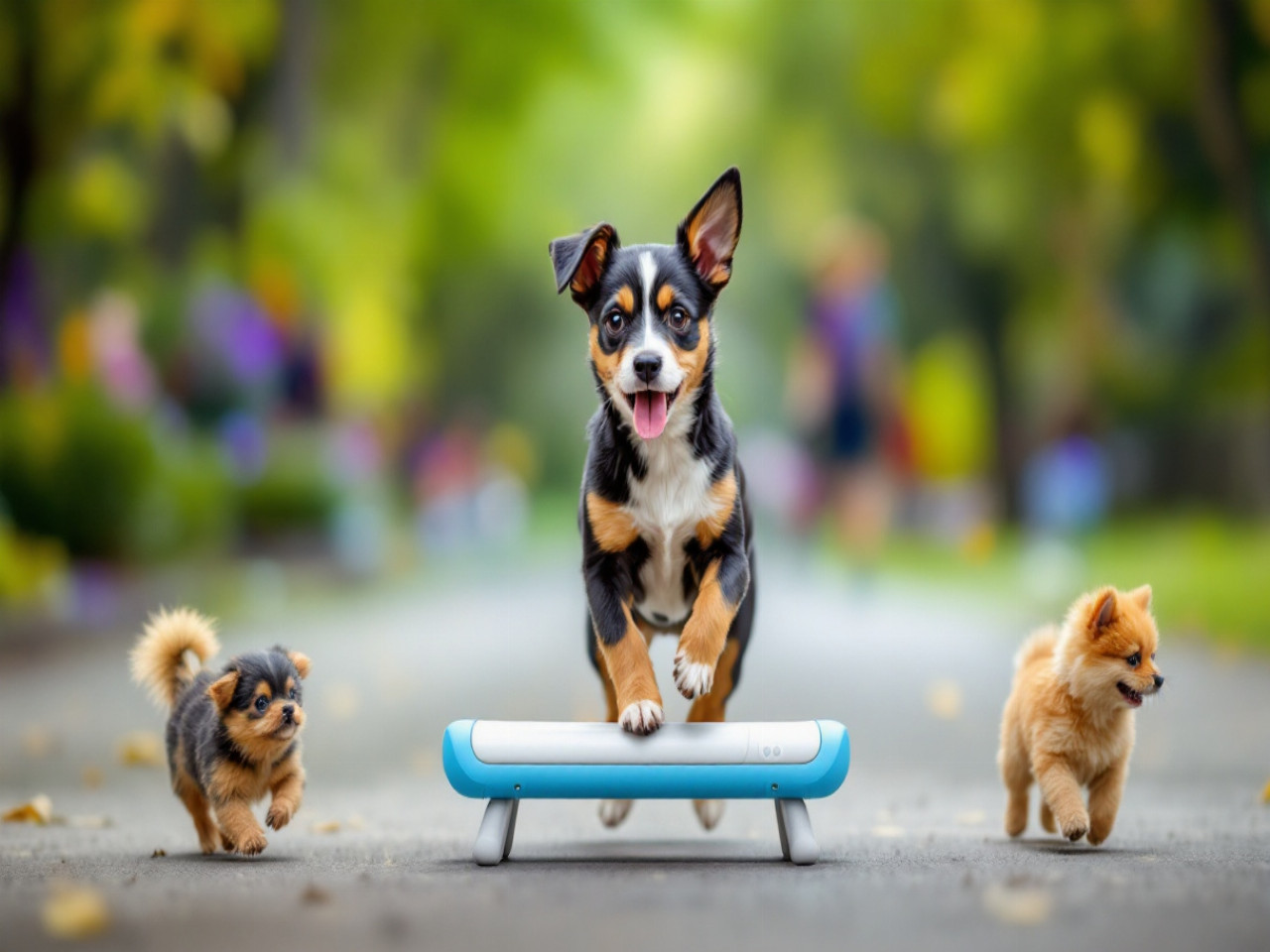
Setting up a series of light, height-adjustable obstacles transforms the garden into a mini-course. Slalom cones, soft tunnels, and bars to jump keep the mind sharp. This discipline requires alternating relaxation and controlled effort. Each jump engages not only the hind limbs but also calls for vocal and gestural commands, strengthening listening and concentration.
Cognitive Exercises
For a shepherd dog whose intelligence is matched by a working instinct, cognitive boredom can be as harmful as physical boredom. Puzzle feeders, hide-and-seek games, or original trick routines exploit its desire to act. In the absence of maximal physical constraint, these mental stimulants release endorphins and promote a calmer dog at home.
- Puzzle feeder: scatter kibble in a container to be opened.
- Hide-and-seek: hide and then call to make it search.
- Learning tricks: new commands each week.
The Benefits of Daily Exercise
Beyond the purely sporting aspect, regular activity conditions the behavioral balance of the Miniature American Shepherd. A dog that does not expend enough energy may develop hypervigilance, excessive barking, or even compulsive licking. Conversely, a well-exercised dog enjoys deep rest phases and restorative sleep.
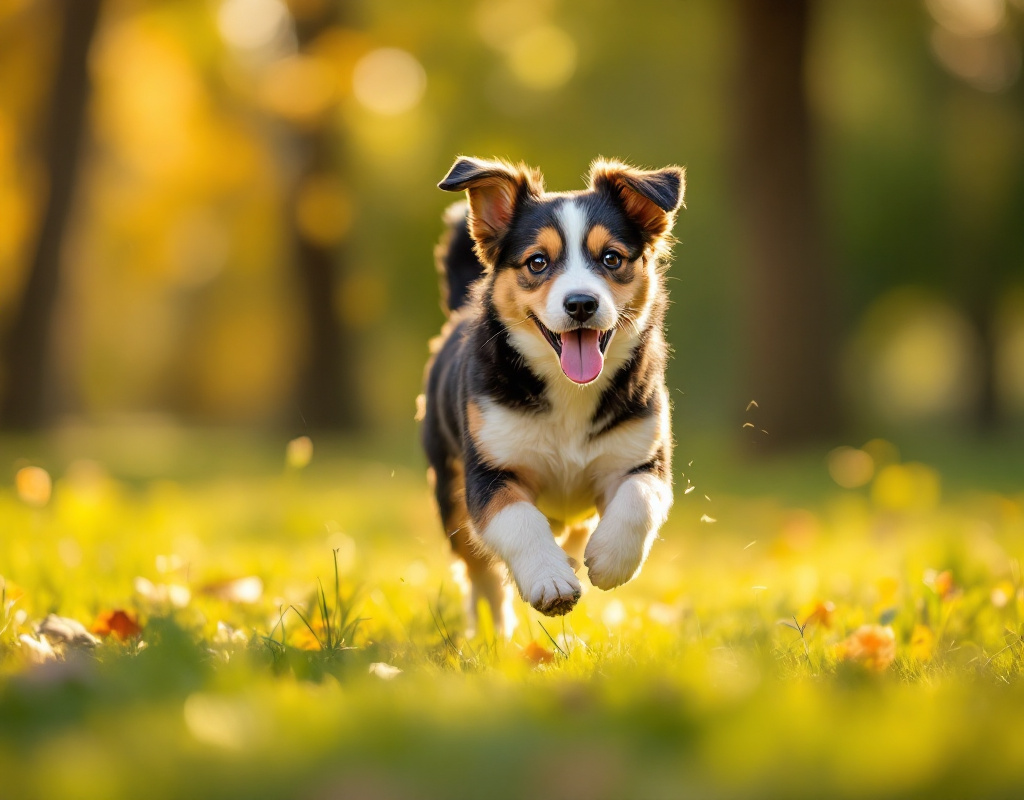
Sustained movement optimizes blood circulation, facilitates digestion, and prevents obesity. Each stride recalls the original role of this dog: to accompany and protect a herd. While remaining anchored in a modern context, the daily activity renews this ancestral bond, born from values of complicity and mutual respect.
Recommended frequency and duration
Recommendations vary according to age and fitness level. A puppy under six months is limited to short sessions — 10 to 15 minutes — alternating with long rest periods. Once adult, the Miniature American Shepherd can benefit from 45 to 60 minutes of actual exercise, divided into three sessions throughout the day.
This fragmentation prevents muscle overheating peaks and tones endurance. For a senior, replacing part of the running with cognitive courses or calmer walks helps maintain mobility without straining worn joints.
Signs of overexertion and adaptability
Sometimes a dog, even a willing one, exceeds its limits. Labored breathing, dragging gait, or limping are all warning signs not to be ignored. A determined mindset can mask deep fatigue, hence the importance of interpreting its body language.
- Excessive panting at rest.
- Withdrawal into itself, lack of appetite.
- Stiffness when getting up.
In case of doubt, adjusting the effort or scheduling a veterinary visit ensures a calm resumption of activity. The Miniature American Shepherd thus shows a great capacity for adaptability when one takes care of its signals.
Practical tips for regular engagement
Making exercise attractive requires varying the locations: park, near a body of water, forest trails, or a simple garden. Regularly changing the environment, even slightly, awakens the dog’s interest. Playing with heights and technical difficulties, setting a timer to measure progress, or inviting a peer creates new motivations.
At the same time, keeping a logbook (duration, type of exercise, observed reactions) helps refine the schedule. This monitoring strengthens the owner-dog relationship and allows rapid detection of any behavioral changes.
FAQ
What is the ideal age to start regular exercise?
From two months old, the puppy can take part in short walks of about 5 minutes, accompanied by stimulation games. As its ossification progresses, the duration increases until reaching the adult pace at 12–18 months.
Can agility be practiced in an apartment?
Yes, provided the height of the obstacles is limited and non-slip surfaces are favored. Slaloms, soft tunnels, and speed exercises over short distances remain perfectly adaptable.
How to vary sessions without specific equipment?
Nature already offers a playground: running after a thrown branch, going up and down stairs, organizing a game of hide and seek. The golden rule remains the same: each exercise engages the body and stimulates the mind.
What to do in case of overheating in summer?
Favor cool hours (morning and late evening), offer very fresh water freely, and limit to mental games if the temperature remains high.
How to integrate the dog into a busy family routine?
Plan micro-sessions: for example, an early morning short run, an interactive snack break, and a last breath of fresh air before bedtime. Each family member can take charge of a segment, which strengthens collective involvement.