| Key Points | Details to Remember |
|---|---|
| 🐾 Definition | Norwegian shepherd dog with a Viking past |
| 🏰 Origins | Scandinavian root dating back to the Viking era |
| 🏋️♂️ Energy | need for intense daily exercise |
| 🧠 Intelligence | easily trainable and versatile |
| ❤️ Temperament | loyal, protective, and sociable |
| 💪 Maintenance | regular grooming and health monitoring |
The Norwegian Buhund, often nicknamed the tireless Viking shepherd, intrigues with its lively appearance and alert gaze. Originating from the Norwegian fjords, it embodies both the history of Nordic explorers and the modern demands of an active companion. In this article, I invite you to dive into the heart of this breed, decipher its temperament, its specific needs, and discover how it thrives within a family or during various canine activities. No abstract talk: I provide concrete examples, practical advice, and some anecdotes to fully understand why this dog remains a top choice for dynamic households.
Origins and History of the Norwegian Buhund
A Viking Heritage
It is believed that the Norwegian Buhund shares its roots with the farm dogs of the Viking era, linked to the long drakkar ships. The ancient Scandinavians appreciated its medium size, which allowed it to manage herds and guard farms without being cumbersome. Archaeology has even uncovered stylized representations close to the Buhund type on runes and engravings, highlighting its daily role for more than a thousand years.
Evolution of the Breed Over the Centuries
Over the centuries, the selection work remained informal, carried out by the farmers themselves. The main criteria: robustness, intelligence, and versatility. At the end of the 19th century, enthusiasts of Nordic breeds began to classify these dogs under the name “Buhund,” literally “farm dog.” Official standards appeared in the 1930s in Norway, and the breed gradually spread to Europe and North America, while maintaining its rustic profile and inexhaustible temperament.
Physical Characteristics and Temperament
Morphology and General Appearance

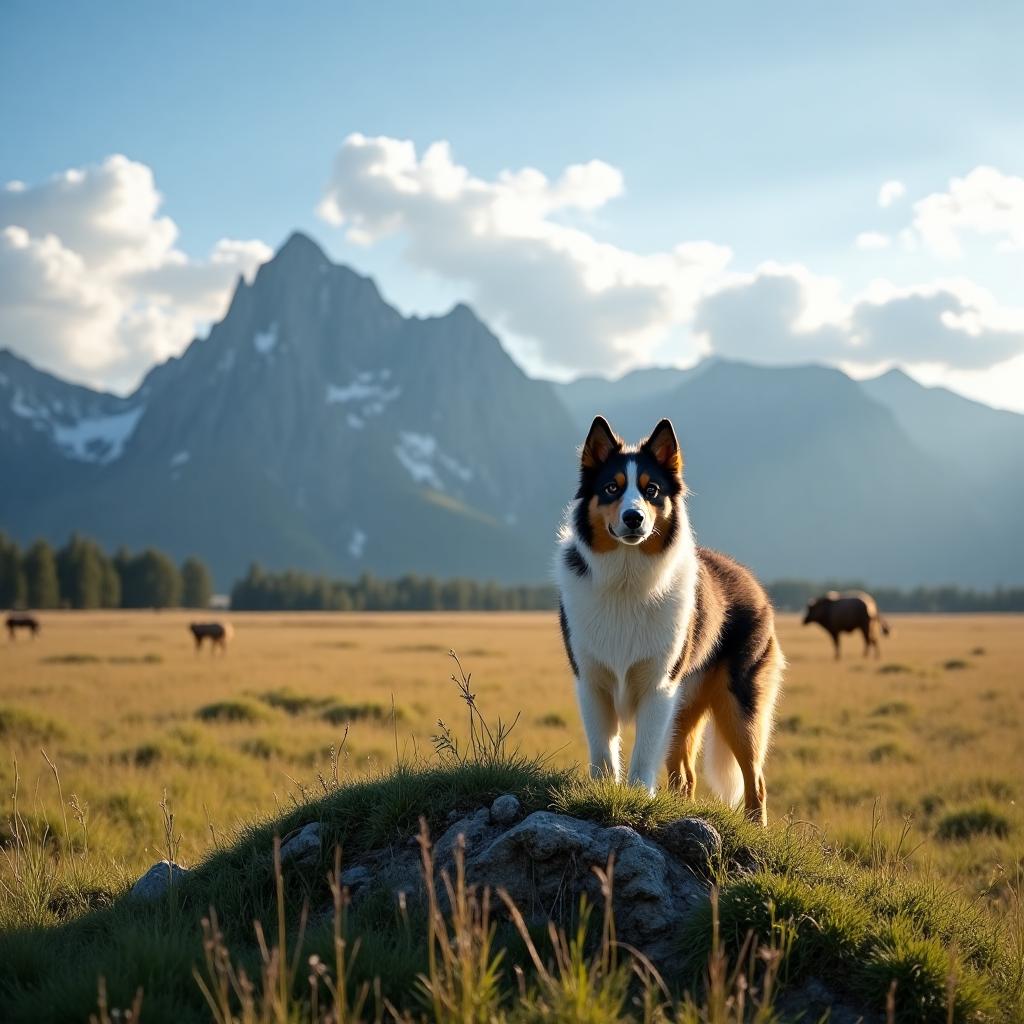
Built with compact musculature, the Norwegian Buhund displays a balanced silhouette, neither too heavy nor too thin. Its size generally ranges between 43 and 48 cm for males, slightly less for females. The coat, double and dense, protects it effectively from bad weather: woolly undercoat and straight topcoat, resistant to rain and cold. Accepted colors range from fawn to black, sometimes marked with white on the chest or legs.
An Energetic and Loyal Temperament
Endowed with unwavering liveliness, the Buhund demands significant daily stimulation: brisk walks, intelligence games, and practical tasks (finding an object, pulling a light cart). It is no surprise that it shows great affection towards those around it, sometimes almost clingy, but never intrusive. Additionally, its keen sense of smell and observation make it an excellent watchdog: it alerts with measured barking, without hysteria, before taking action.
Needs and Training
Physical and Mental Activity
When mentioning the Indian Buhund, one mainly thinks of a dog that quickly gets bored if not occupied. Two hours of sustained exercise daily is not a luxury: trail running, frisbee, canicross, or agility sessions. On the mental side, scent games and playful obedience can easily fill its downtime. A session of object search at home or basic command training with rewards strengthens the bond and keeps its mind sharp.
Adapted Training Methods
From experience, positive reinforcement yields better results than an authoritarian approach. Use treats, petting, and verbal praise for every progress: it quickly learns commands but gets bored if the teaching remains repetitive. Vary the learning locations, types of exercises, and introduce progressive challenges. The idea is to nurture its natural curiosity: hide a toy, set up an improvised obstacle course, turn the garden into an exploration ground.
Health and Care
Nutrition and Regular Care
An active dog requires a suitable diet, rich in quality proteins and balanced in essential fatty acids. Premium kibble for working dogs or a well-calibrated homemade ration are perfectly suitable. For grooming, weekly brushing is sufficient to maintain the coat, increasing frequency during the two annual shedding periods. Regularly check ears, teeth, and trim nails if needed.
Preventing Health Issues
The Norwegian Buhund enjoys a robust constitution, but certain conditions deserve attention: hip dysplasia, eye diseases (cataract, PRA), or joint problems. From the outset, ask the breeder for health examination certificates of the parents. Then, regular veterinary follow-up, weight control, and appropriate joint supplements will help keep your companion in great shape.
The Norwegian Buhund in Your Daily Life
Family Life and Environment
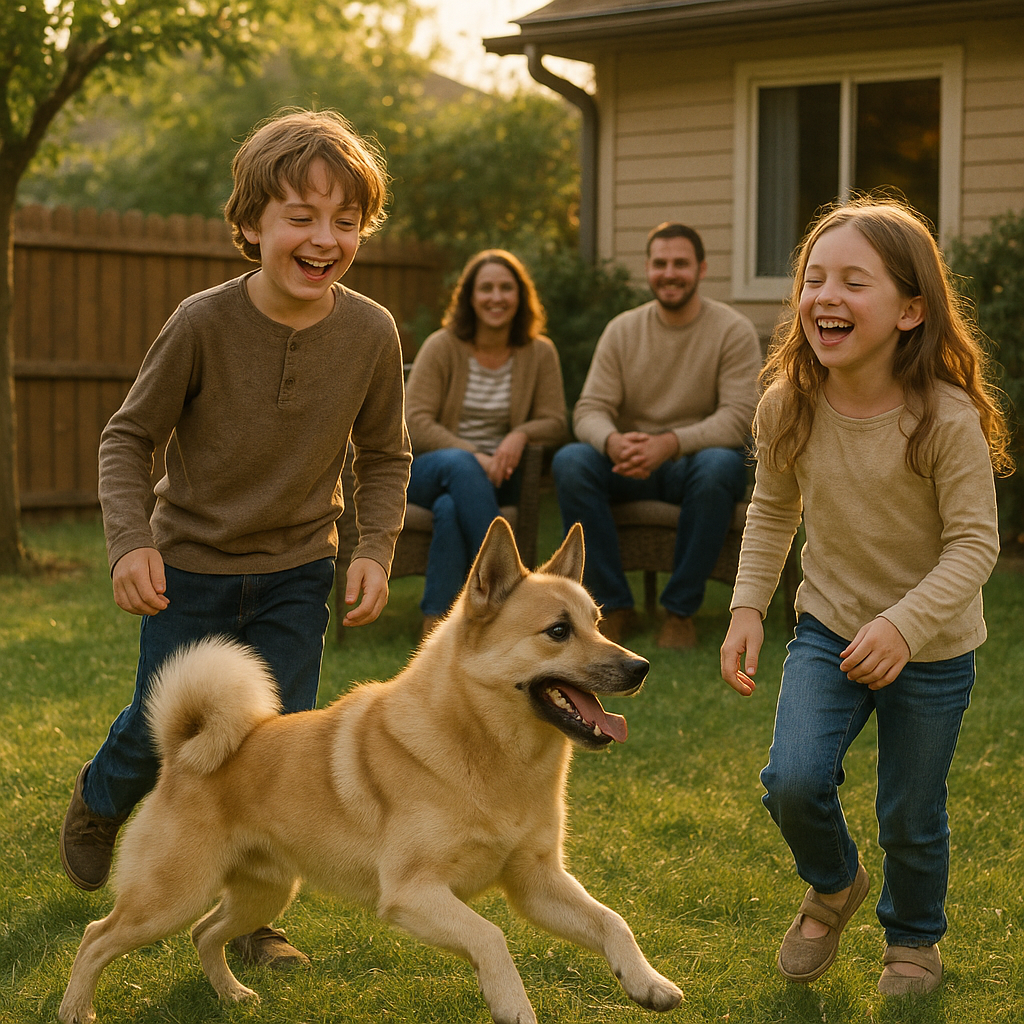
This sociable dog quickly bonds with every household member, whether children or already present pets. It enjoys participating in family activities, even the most mundane: gardening, hiking, picnics. In the city, daily access to a park or a dog play area remains essential. Boredom, a source of undesirable behaviors, is combated through shared activities: speed, agility, and verbal exchanges strengthen your bonds.
Canine Sports and Leisure
The Norwegian Buhund excels in canine sports: agility, treibball, obedience, canicross… Each discipline highlights its energy and ability to quickly analyze an obstacle or course. To vary the pleasures, tracking or rally-O offer excellent opportunities to stimulate its scent while strengthening your bond. These sporting practices, far from superficial, respond to its visceral need for a mission.
Choosing and Welcoming Your Companion
Selecting a Responsible Breeder
More than just an aesthetic criterion, look for a breeder who values health and sociability. A good breeder will offer health guarantees, temperament tests, and post-adoption follow-up. Visit the facilities: a spacious environment, regular outdoor outings, and active socialization indicate a breeding to favor.
Preparing for the Puppy’s Arrival
Before arrival, set up a quiet space with a bed, toys, and bowls. Discuss with each family member to share care and walks. Plan a consistent education schedule from the first days: sleeping area, cleanliness, and first commands. A gentle welcome quickly builds trust and limits the stress of a change in environment.
FAQ
- What temperament does the Norwegian Buhund have?
He is dynamic, curious, and very attached to his family. He may bark to alert, but without excess. - How much daily exercise?
Count at least 1.5 to 2 hours of sustained physical activity, complemented by intelligence games. - Does the Buhund tolerate apartment living?
Theoretically yes if his exercise needs are met; in practice, he prefers quick access to the outdoors. - From what age can he be trained?
From 2 months, start with games and simple commands, emphasizing positive reinforcement.