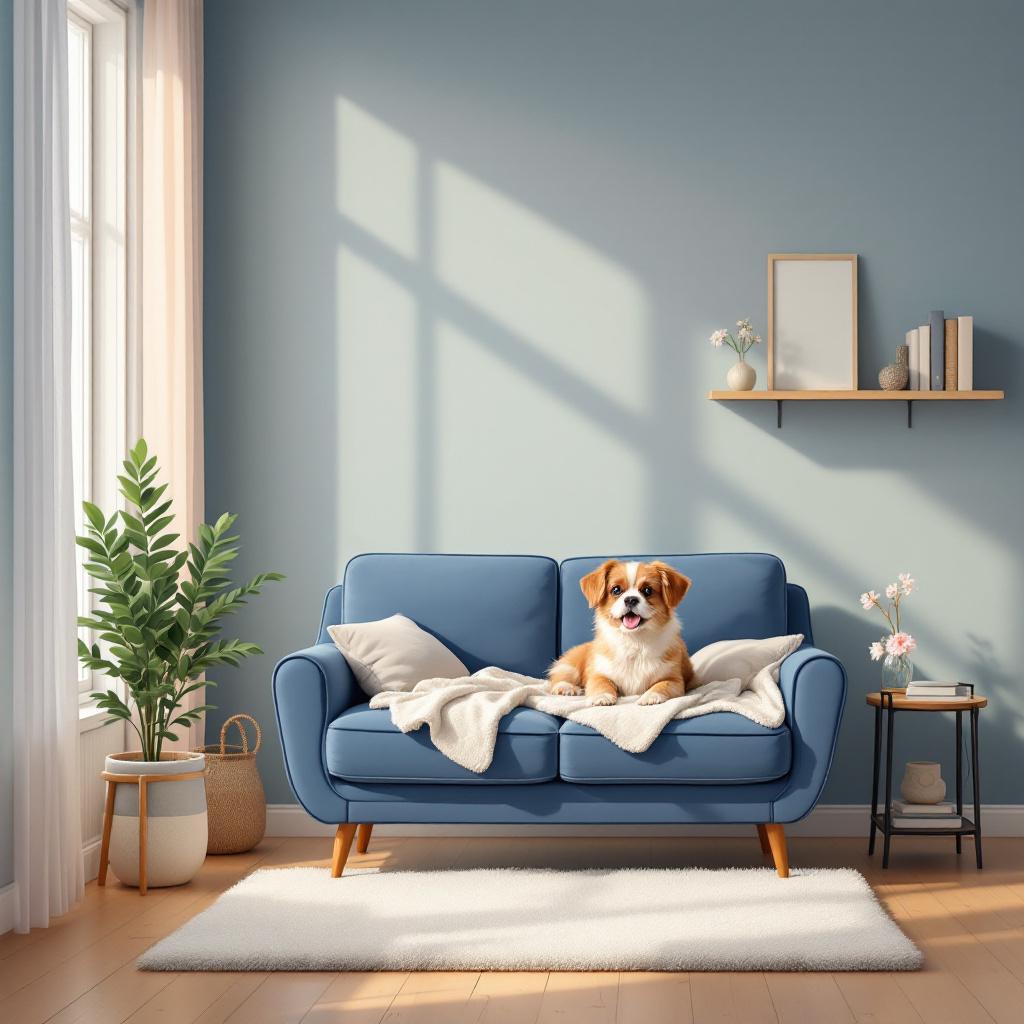
| Key Points | Details to Remember |
|---|---|
| 🐶 Definition | Identify the characteristics of a small dog suited for indoor living. |
| 💕 Benefits | Enjoy warm and reassuring companionship. |
| 🏠 Behavior | Choose a calm and reserved temperament. |
| ⚖️ Needs | Assess physical and mental activity |
| 📋 Breeds | Compare profiles to find your ideal companion. |
| 🔍 Criteria | Consider health, grooming, and budget. |
| 🐾 Adaptation | Set up a safe and stimulating space. |
To live peacefully in an apartment with a small dog, choose a breed with a gentle character, minimal barking, and suited to your lifestyle. The key is to check its temperament, exercise needs, and ability to socialize before bringing it home.
1. Understanding the Specific Needs of Small Dogs
Small dogs often have increased sensitivity to noise, space, and interactions. Knowing them well prevents misunderstandings.
a) Temperament and Personality
Each breed has a distinct profile: some are naturally cuddly and close to their owner, while others seek more independence. Early socialization, between 2 and 14 weeks, also shapes their behavior. For example, a pug or French bulldog generally develops a strong attachment, whereas a chihuahua may be more reserved.
b) Exercise and Mental Stimulation
Despite their small size, these dogs require regular activity. Short walks several times a day, complemented by intelligence games, are often sufficient. A Bichon Frisé will particularly appreciate interactive toys, while a dwarf spaniel will demand a few recall or gentle agility sessions.
c) Socialization and Contacts
Gradual exposure to various environments (noises, animals, visitors) strengthens your companion’s confidence. Organize progressive meetings to make each outing a positive moment. This limits anxiety related to solitude and facilitates integration in an apartment building.
The enthusiasm for small dogs in cities is often explained by their adaptability, both to limited space and urban lifestyles.
To remember: before adopting, check the temperament, plan short outings, and focus on early socialization.
2. Characteristics to Favor for an Affectionate Dog
Certain traits naturally promote affection and complicity. Identify them to refine your choice.
a) Sociability towards humans
- Approach friendly and fearless
- Response positive to petting and presence
- Gentleness in vocal communication
b) Measured activity level
A dog that is neither too lively nor too phlegmatic integrates easily. The goal is to avoid hyperactivity and boredom without falling into apathy. Breeds like the Cavalier King Charles show an ideal balance.
c) Adaptability
If you work outside for several hours, a dog capable of staying calm alone and refocusing upon your return will be a perfect companion. Yorkshires, for example, develop this ability later than others, hence the importance of gradual training.
To remember: look for a mix of sociability, moderated activity, and the ability to get used to solitude.
3. Top 5 ideal breeds for apartment living
Here are five small breeds known for their affection and adaptability to urban environments. They offer a good compromise between character and practical requirements.
| Breed | Average weight | Key characteristic |
|---|---|---|
| Cavalier King Charles | 5–8 kg | Couch guardian, very cuddly |
| Pug | 6–9 kg | Playful spirit, good sociability |
| Bichon Frisé | 5–7 kg | Energetic and affectionate |
| Yorkshire Terrier | 3–4 kg | Protective and lively, requires gentle training |
| Papillon | 3–5 kg | Agile and sociable, loves to interact |
To remember: each of these breeds combines gentleness and adaptability, provided their learning and exercise pace is respected.
4. Logistical and practical criteria
Affection is not enough: anticipate maintenance, health, and budget to avoid disappointments.
a) Maintenance and grooming
- Bichon Frisé: Monthly grooming by a professional.
- Papillon: Regular brushing to avoid knots.
- Yorkshire: Frequent trimming if long-haired.
b) Health and longevity
Brachycephalic breeds (pug) may suffer from respiratory problems. Favor a conscious adoption or consider specialized follow-up. Life expectancy varies from 12 to 15 years depending on the breed.
c) Budget to plan
| Item | Average annual cost |
|---|---|
| Quality food | 300–500 € |
| Grooming | 200–400 € |
| Veterinary | 200–600 € |
| Accessories | 100–200 € |
To remember: anticipate grooming, care, and food to ensure their well-being.
5. Tips for welcoming them well in an apartment
A successful start is prepared in advance: space, routine, and prevention form the key to harmonious coexistence.
a) Space arrangement
- Define a resting corner with a suitable cushion.
- Isolate electrical wires to avoid accidents.
- Install varied toys to stimulate mentally.
b) Establish a routine
Regular meal and walk times create a sense of security. Alternate calm games and dynamic activities to balance their days.
c) Preventing Behavioral Problems
Loneliness can cause anxiety and barking. Gradually train him to stay alone, first for a few minutes and then longer, with treat-dispensing toys to keep him occupied.
Remember: a secure space, a clear routine, and a gradual progression in solitude minimize stress.
FAQ
- Which hypoallergenic breed is best suited for apartments?
- The Bichon Frisé, thanks to its curly coat that traps allergens, remains a good choice in a closed environment.
- How long should I take my small dog out each day?
- At least 30 minutes of walking split into two sessions, supplemented by 15 minutes of indoor play.
- Is it preferable to adopt a puppy or an adult dog?
- A puppy requires more training time, while an adult often has an already formed and stable temperament.
- What monthly budget should I plan for?
- About 50 to 80 €, depending on the breed and your choices in food and care.
- Is my apartment too small for a pocket mastiff?
- Beyond the square meter, it is mainly the quality of your outings and mental stimulation that matters.
- How to avoid separation anxiety?
- Gradual progression of solitude, interactive toys, and sometimes soft music for dogs.
- Do I need a permit or authorization in a condominium?
- Check your condominium regulations: most allow small dogs, but some associations impose restrictions.