| Key points | Details to remember |
|---|---|
| 🐕 Definition | Welsh origin and distinct tail |
| 🏃♂️ Endurance | Energy and sustained activity |
| 🦴 Morphology | Robust body and short legs |
| 🧠 Temperament | Agility, curiosity and loyalty |
| 🛁 Maintenance | Regular brushing and targeted care |
| 🎯 Applications | Agility, hiking and companionship |
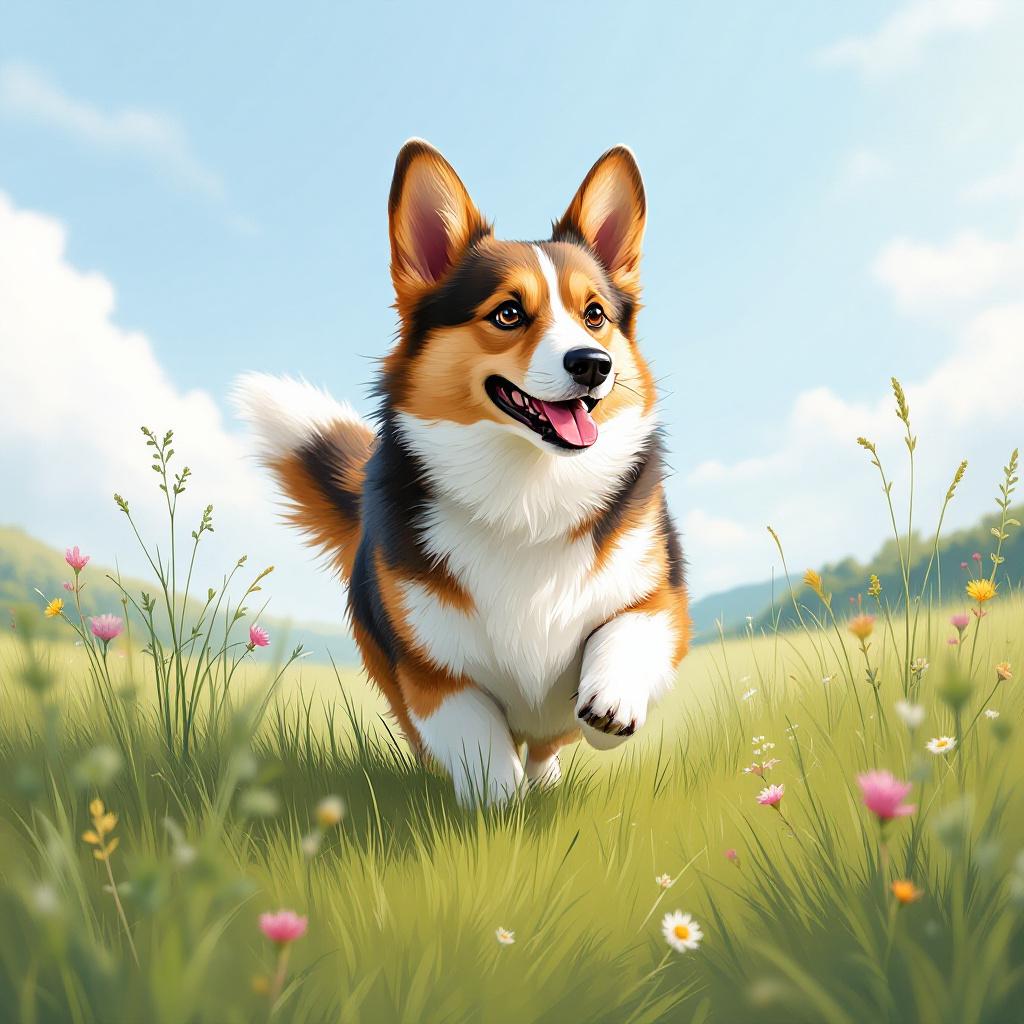
Often confused with its cousin the Pembroke, the Cardigan Welsh Corgi stands out by its proudly raised tail and inexhaustible spirit. Born in the valleys of Wales, it combines a stocky physique with a sharp mind, ready to take on any activity that will test its endurance. This article dives into its genealogy, behavior, and special needs to help you better welcome it and build a lasting bond.
Origins and history of the Cardigan Welsh Corgi
The Welsh lands and breeding tradition
The first mentions of the « câr ci », literally translated as « dwarf dog », date back to the first millennium BC. Raised by Welsh farmers, this small herding dog was meant both to gather livestock and protect the farm from rodents. Its low silhouette and powerful legs allowed it to slip under animals to guide them without kicking the cows’ hooves. Over the centuries, these dogs have retained their vitality and robustness, even if agricultural tasks have evolved.
Differences with the Pembroke Welsh Corgi
At first glance, the Pembroke Welsh Corgi shares the same low stature, but two details clearly distinguish it from the Cardigan: the absence of a tail (in most countries) and a generally finer chest. In contrast, the Cardigan shows a more massive bone structure and a naturally long tail, ending with a slight curve. These characteristics betray two lineages which, although they meet in Wales, have undergone different evolutions during selective breeding.
Morphology and Physical Attributes
The Iconic Tail
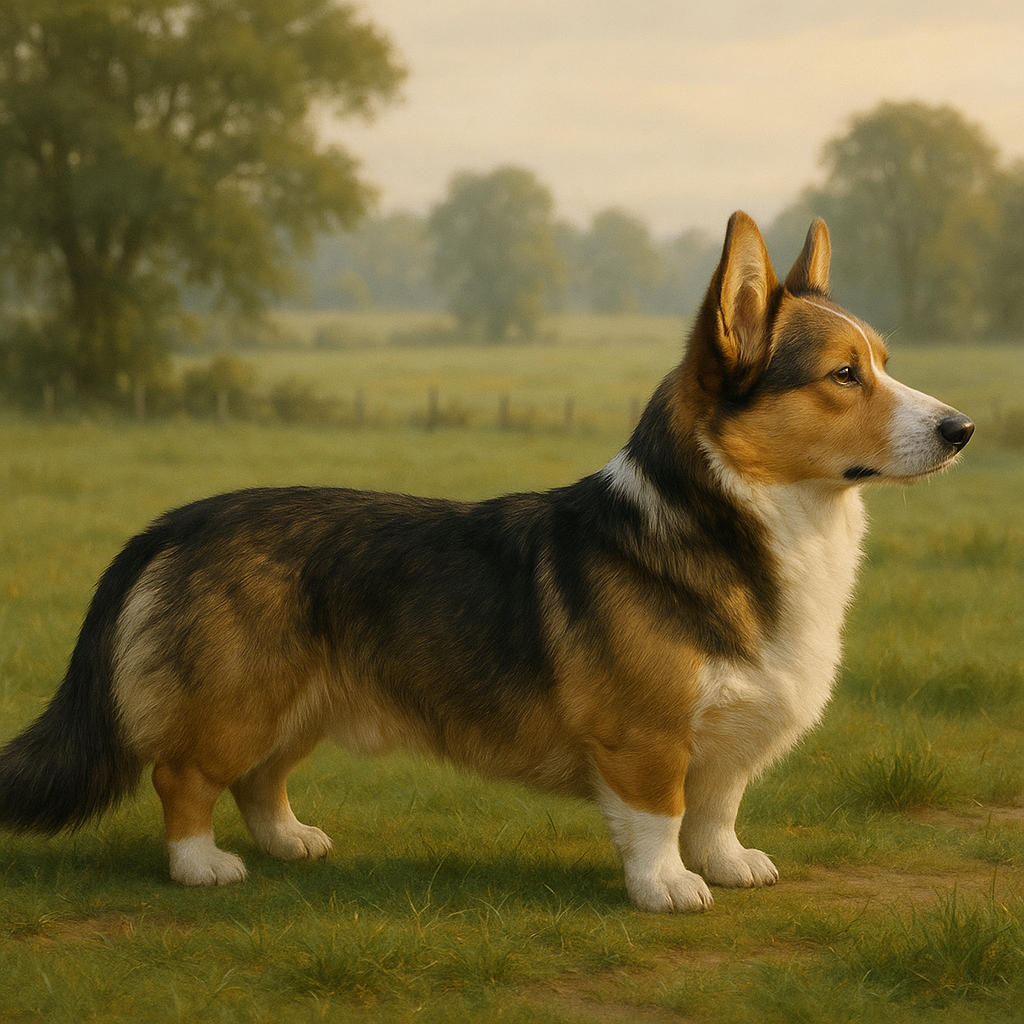
One of the Cardigan’s trademarks is its tail. Unlike its Pembroke cousin, traditionally docked, the Cardigan’s tail is left long and covered with a thick coat. It serves as a balance aid during rapid changes of direction, especially when it weaves between obstacles or leaps to gather a herd. This tail, sometimes compared to a small whip, also reflects its mood: raised, it signals curiosity and enthusiasm; low, a certain melancholy.
A Robust Build Suited for Endurance
While its short legs might suggest a lack of dynamism, the opposite is true. Every joint is strong, the back, slightly arched, connects harmoniously to the shoulders, and the flexor muscles are particularly well developed. This structure guarantees constant ground support, perfect for maintaining a steady pace over long distances. It’s no surprise to see it switch effortlessly between trotting and sprinting, even on rough terrain.
Temperament and Character
Sharp and Courageous Spirit
The Cardigan Welsh Corgi does more than just trot: it thinks. Endowed with pragmatic intelligence, it quickly perceives subtle signals from its environment and reacts accordingly. When working with a herd, it can display a surprising boldness for a small dog. This daring, combined with an insatiable curiosity, makes it a companion always on the lookout for the next adventure.
Adaptability to Family Life and Sports Activities
Despite its herding profile, the Cardigan thrives in a family setting. It enjoys nesting at the foot of a sofa after a long walk but also demands its share of mental stimulation. Agility, canicross, or obstacle courses, it will enjoy excelling in canine sports that challenge both its liveliness and endurance. With children, it generally shows gentleness, provided interactions are respectful: it tolerates the exuberance of the youngest quite well when it is playful and supervised.
Health, Care, and Life Expectancy
Exercise Needs and Diet
Energy goes hand in hand with expenditure: an unstimulated Cardigan Welsh Corgi can quickly show signs of frustration, ranging from excessive barking to chewing objects. At least one hour of dynamic activity is dedicated to it daily, alternating free walks, fetch games, and object search sessions. Regarding diet, a balanced regime rich in quality proteins and supplemented with low glycemic index vegetables prevents overweight, the number one enemy of long-backed dogs.
Coat Care and Veterinary Visits
The Cardigan’s “double” coat consists of a dense undercoat and a straight, resilient outer layer. Brushing two to three times a week removes dead hair and tangles, while special attention to friction areas (folds of the legs, underside of the belly) reduces the risk of irritation. Semi-annual veterinary visits help monitor early arthritis or potential eye issues, to which this breed may be predisposed.
Cardigan Welsh Corgi in Daily Life
Recommended Activities
To satisfy its need to move and think, here are some suggestions:
- Agility course: its short legs encourage it to develop a compact and explosive style.
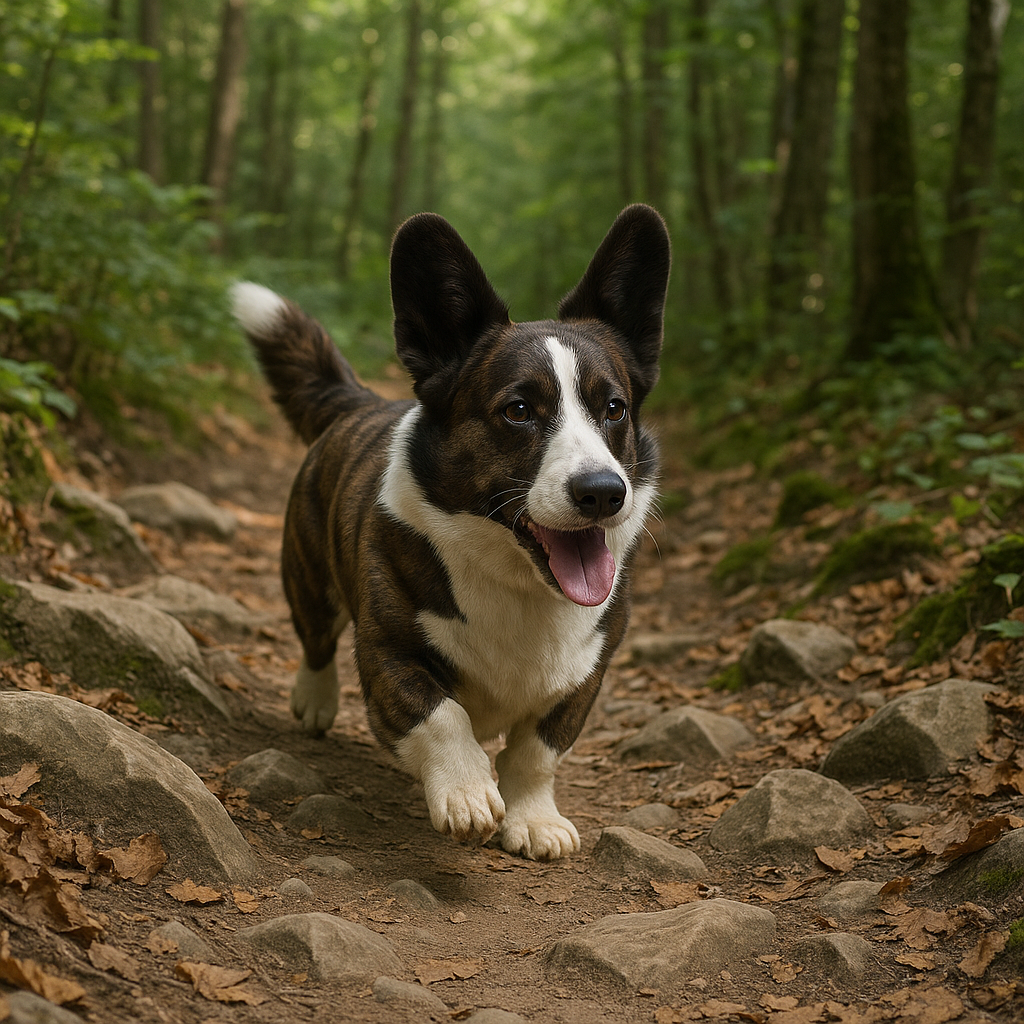
- Hiking in nature: it easily handles several kilometers of varied trails.
- Tracking or scent games: its nose is a real asset for search trials.
Education and Socialization
The key to peaceful coexistence lies in consistency and kindness. The socialization periods, between two and sixteen weeks, should include encounters with various environments, noises, and peers. Adopting short, paced sessions always rewarded with treats or petting ensures solid learning. A frustrated or neglected Cardigan can develop excessive protective behaviors, symptomatic of a lack of stimulation.
FAQ
1. What is the average lifespan of a Cardigan Welsh Corgi?
The Cardigan lives on average between 12 and 15 years, provided its weight and regular physical activity are monitored.
2. Does the Cardigan Welsh Corgi shed a lot?
Like many double-coated dogs, it experiences two annual shedding periods during which hair loss is more significant. More frequent brushing at these times limits hair in the house.
3. Is this dog suitable for beginners?
Yes, as long as one commits to providing it with constant exercise and training. Its intelligence facilitates education, but it also requires regular investment.
4. Can it live with other animals?
Socialized early, it often tolerates cats and other dogs well. However, its herding instinct may push it to oversee smaller ones, so first contacts should be monitored.
5. Is a large house necessary for a Cardigan?
It adapts to an apartment if you compensate with daily energetic outings. However, access to a secure outdoor space remains ideal.