| Key Points | Details to Remember |
|---|---|
| 🐕 Definition | Small dogs suited for limited spaces |
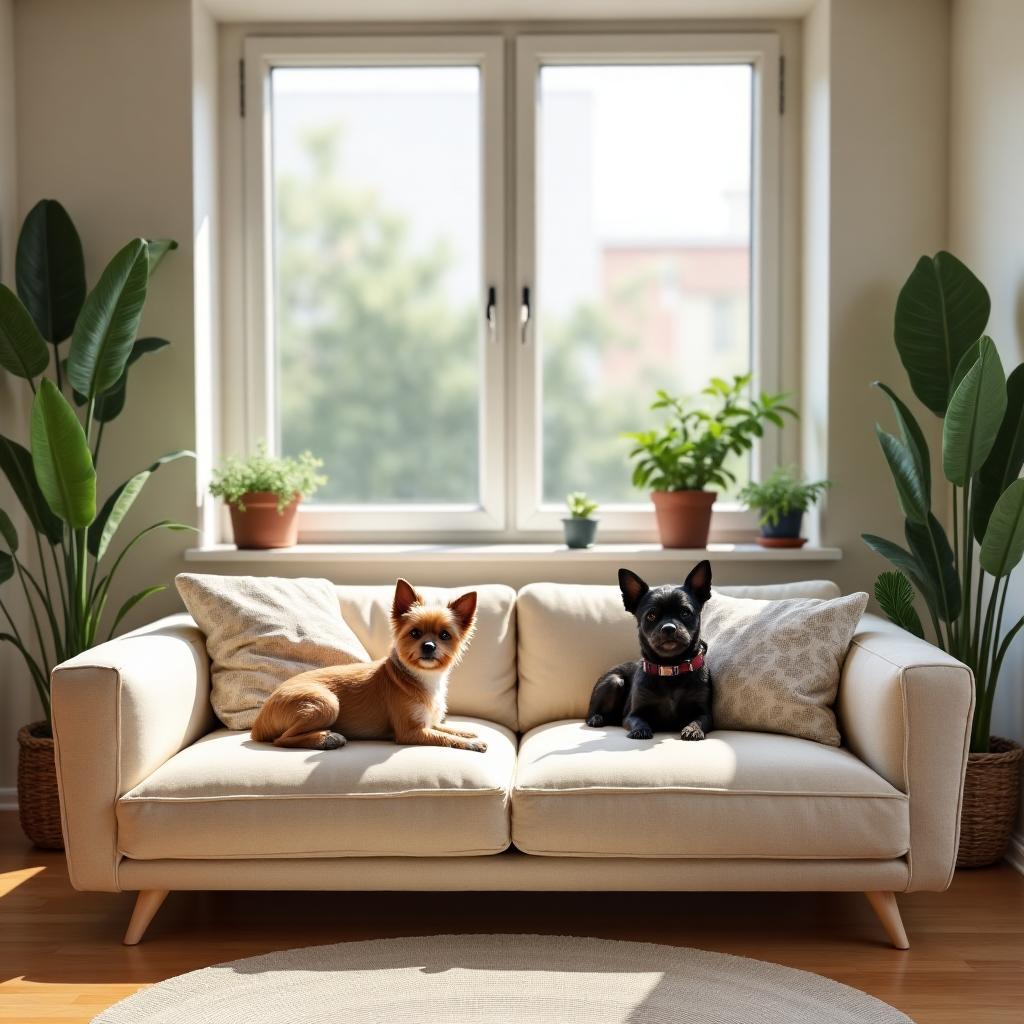
| 🏠 Environment | Apartment living requires calm and indoor activities |
| ❤️ Adoption | Free through shelters, associations, foster networks |
| 🍴 Feeding | Appropriate portions and quality kibble |
| 🧼 Maintenance | Regular grooming to prevent shedding |
| 🏃 Activities | Indoor games and short walks |
| 💰 Budget | Reduced cost with no purchase fees thanks to adoption |
You want a four-legged companion, but the available space is limited to an apartment? Don’t worry: some small dog breeds combine a sociable character, low space needs, and the possibility of free adoption. In practice, sometimes all it takes is a heartfelt connection at a shelter or association to bring home a faithful friend without spending a cent. This article presents seven ideal breeds, details their particularities, and guides you step by step towards a successful coexistence in a small living space.
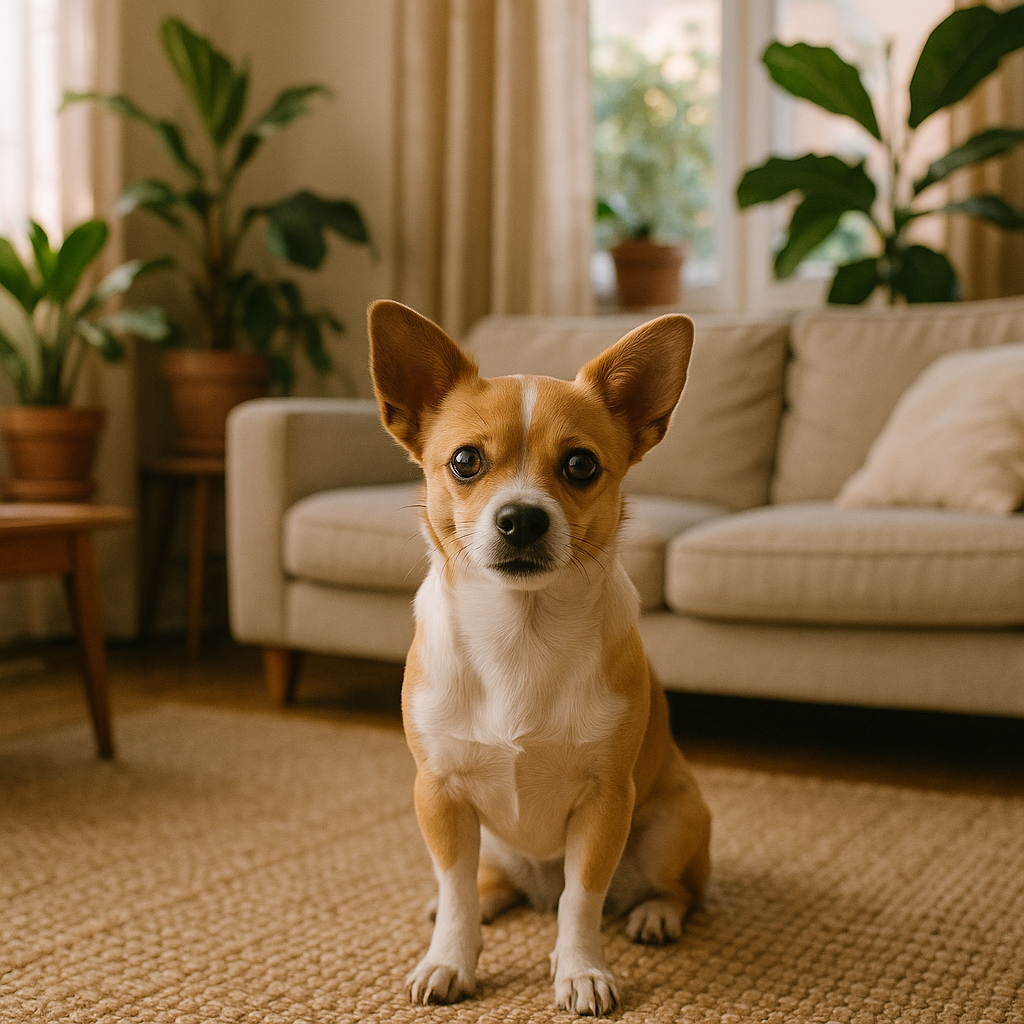
1. Chihuahua: a big heart in a tiny body
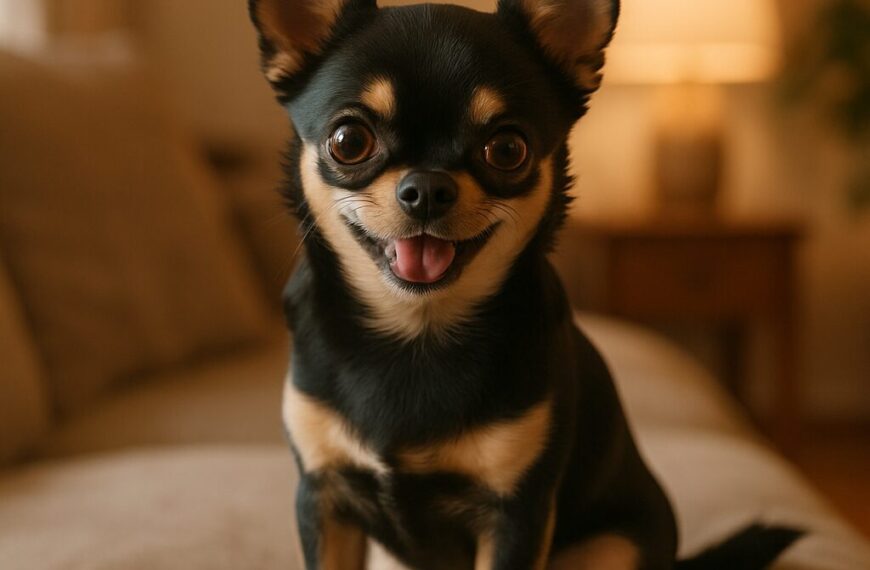
The smallest dog in the world, the Chihuahua often weighs less than 3 kg as an adult. One might think it only requires a few pets, but in reality, its temperament is quite strong: curious and sometimes a bit possessive, it demands careful socialization. To avoid sudden fears, regularly expose it to street noises, visitors, or children’s singing. For exercise, a few indoor games are enough. A simple tunnel, some hidden treats, and you sufficiently stimulate its sharp mind. Maintenance is minimal, especially for short hair, but don’t forget to clean its small ears and regularly trim its nails.
2. Pug: the lovable miniature bulldog
The Pug, better known as the Pug, sports an irresistible wrinkled face and a golden character. Despite its bulldog appearance, it remains very adaptable to apartment living. Its energy level is moderate: short walks suffice, complemented by group play sessions to avoid boredom. However, be careful with temperature: these small dogs do not tolerate heat and intense effort well. A surprising detail: their flattened snout sometimes makes them prone to snoring, which can become a source of affection – or complaints for those sensitive to nighttime noises.
Its specific needs
- A cool and shaded corner in summer to prevent heatstroke
- Weekly brushing to limit dead hair
- Obedience games to strengthen your bond
3. Maltese Bichon: elegance in everyday life
Resolutely graceful, the Maltese Bichon displays its white coat like a cloud. It lives perfectly indoors, provided you give it some moments of companionship each day. Contrary to popular belief, this dog is not fragile: its short back and small size make it easy to carry, and its coat requires regular brushing to avoid tangles. It is also an expressive dog: it loves to communicate with its voice and piercing gaze. If you work from home, it will keep you company without interrupting you too often. However, prolonged solitude can make it anxious, so consider hiring a dog-sitter or asking a friend to look after it during your absences.
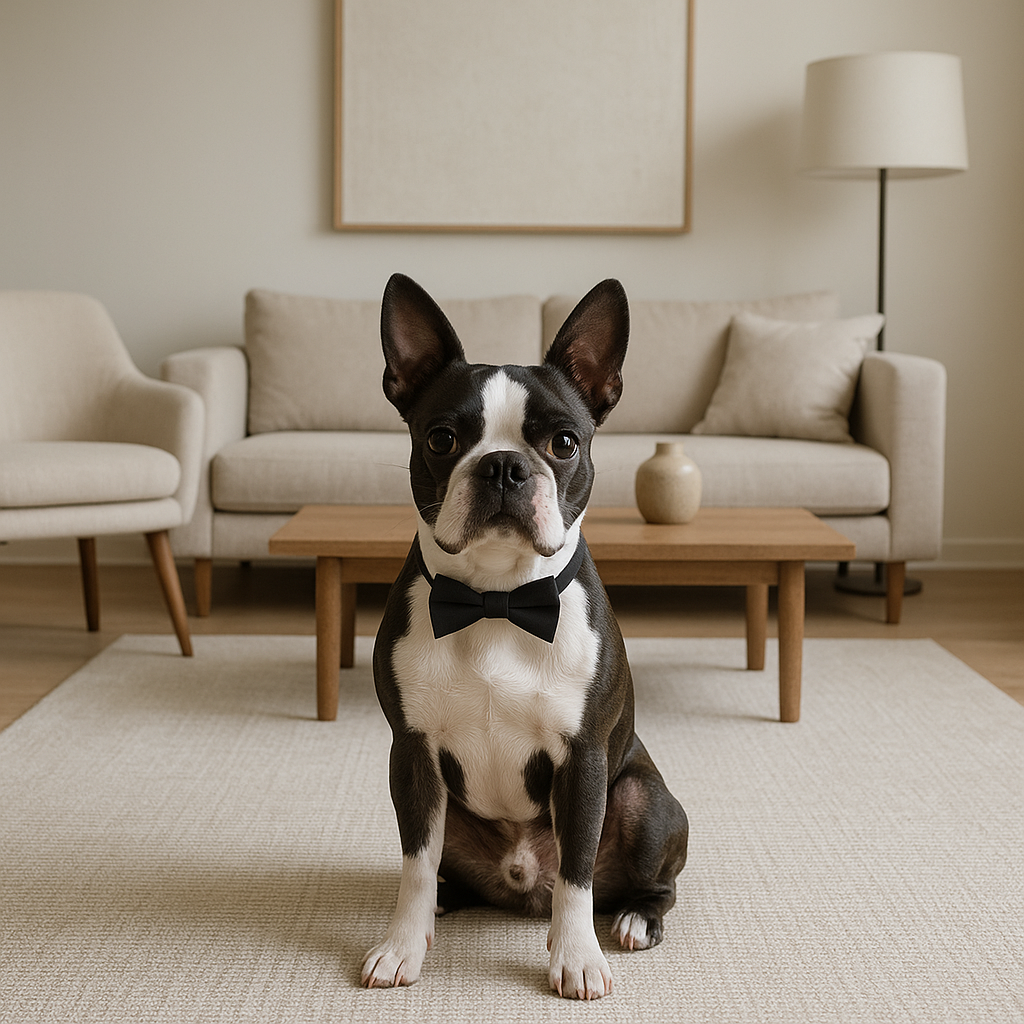
4. Boston Terrier: the “gentleman” of small spaces
Often nicknamed the “American gentleman,” the Boston Terrier stands out with its two-tone coat and compact stature. Halfway between energy and gentleness, it can handle intense play sessions but knows how to settle down when you work. Its sociable character makes it a perfect host during gatherings with friends: it struts around without barking incessantly. In terms of maintenance, a simple wipe with a damp cloth is enough to preserve the shine of its coat. To get it used to your apartment, set up several interactive toys – puzzles, treat mats – which will enhance its intellectual sharpness and limit destructive behaviors.
5. Miniature Dachshund: a slender dog with a big heart
With its long body and short legs, the Miniature Dachshund is irresistible. These dogs overflow with fierce determination, inherited from their past as badger hunters. However, in an apartment, hunting is replaced by tracking games and hide-and-seek with treats. They tolerate boredom poorly but offer deep attachment to their family. One of the major advantages of the Miniature Dachshund is its almost total lack of shedding; brushing twice a week is enough to control the hair. Just remember to reinforce the perimeter of your furniture to avoid any accidents in case of a poorly controlled jump.
6. Continental Toy Spaniel: charm and versatility
The Continental Toy Spaniel, also called Papillon, charms with its delicate ears and lively character. Rarely a barker, it is very comfortable in an apartment, provided it gets daily walks. Its remarkable intelligence makes it easy to learn tricks and skills that will enhance its mental stimulation. Grooming is a point of attention: brushing must be done daily to preserve the beauty of its silky coat. In terms of socialization, this small dog proves sociable with other animals, which is valuable if you already host a cat or another canine companion.
7. Shih Tzu: the gentle and patient companion
The Shih Tzu embodies serenity: calm, affectionate, it naturally adapts to a confined interior. It enjoys light play and naps in the sun near the window. Its imposing coat requires special attention: daily brushing and regular visits to the groomer to avoid tangles. Very close to its owner, it does not tolerate solitude well: it is better to plan frequent interactions or consider a pair of small breeds to keep it company. Finally, its balanced temperament makes it an excellent choice for families, even with young children.
Budget and Procedures for Free Adoption
Adopting for free involves contacting shelters, associations, or the foster family network. In addition to love and space, you will often be asked for a life testimonial, a home visit, and sometimes small veterinary fees (sterilization, microchip). If you compare purchase prices and long-term maintenance costs, you will find that adoption remains the most economical and responsible solution. The savings made can be reinvested in a good bed, comfortable litter, or dog training classes.
Practical Advice Before You Start
- Evaluate your lifestyle: a small dog can also require continuous attention.
- Prepare a dedicated space: a bed, bowls, and a few toys are enough.
- Anticipate annual expenses: vaccines, quality meals, grooming.
- Prioritize early socialization to avoid anxiety in sensitive breeds.
- Consider health insurance: a small budget for great peace of mind.
FAQ
- What is the easiest dog to live with in an apartment?
- The Shih Tzu and the Pug stand out for their calmness and adaptability to limited space.
- Do small dogs bark more?
- Not necessarily: it all depends on education, socialization, and the temperament specific to each breed.
- Can you adopt a purebred dog for free?
- Yes, many associations offer purebred dogs that have been recovered or abandoned without purchase fees.
- What toys should be preferred for a small dog in an apartment?
- Intelligence games like treat puzzles, light balls, and stuffed toys without hard stuffing.
- How to manage boredom in a small dog?
- Alternate short walks and indoor play sessions, or even agility classes in a dog salon.