| Key Points | Details to Remember |
|---|---|
| 🐾 Definition | Chinese dog with the appearance of a small lion |
| 🦁 Origin | Ancient, used for hunting and guarding temples |
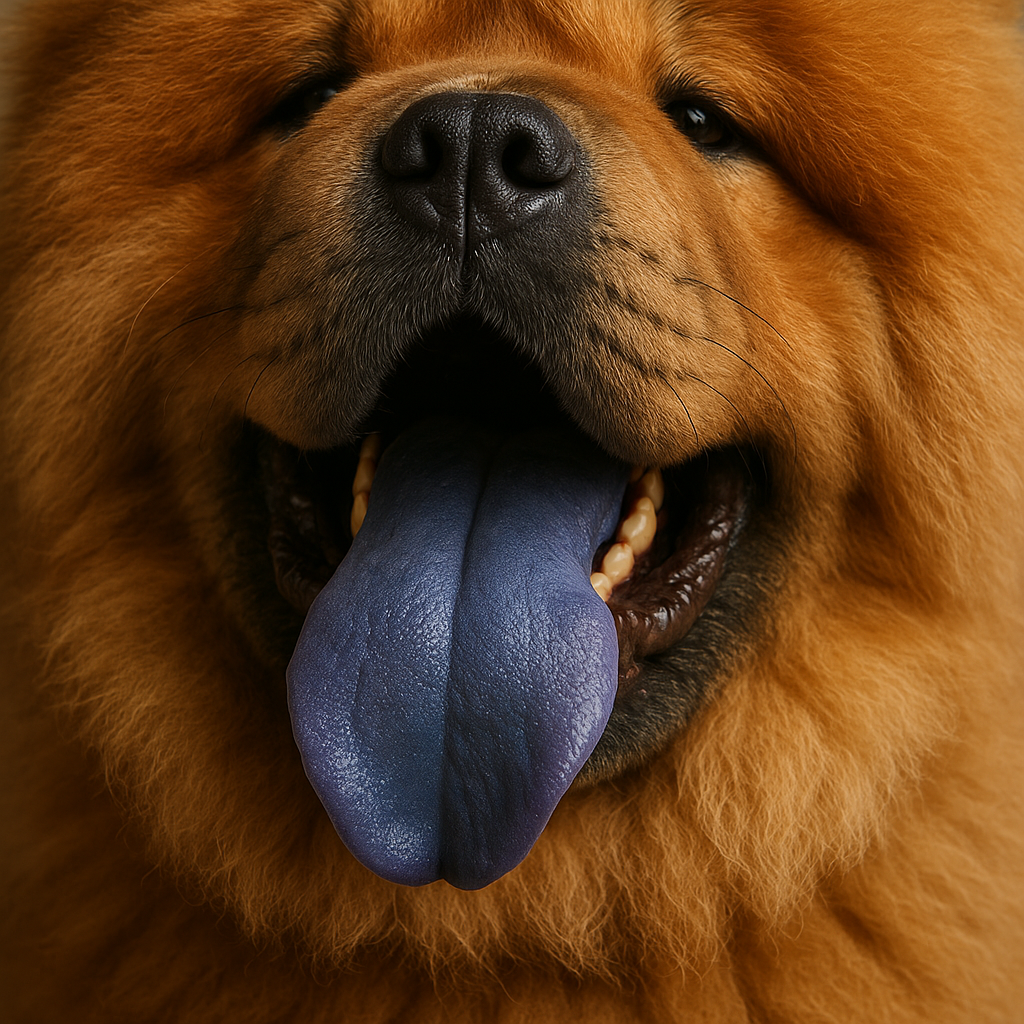
| 💙 Particularity | Tongue and mucous membranes of an intense blue |
| 🛡️ Character | Independent and reserved with strangers |
| ⚖️ Maintenance | Regular brushing and monitoring of facial wrinkles |
| 🍖 Diet | Balanced, adapted to joints |
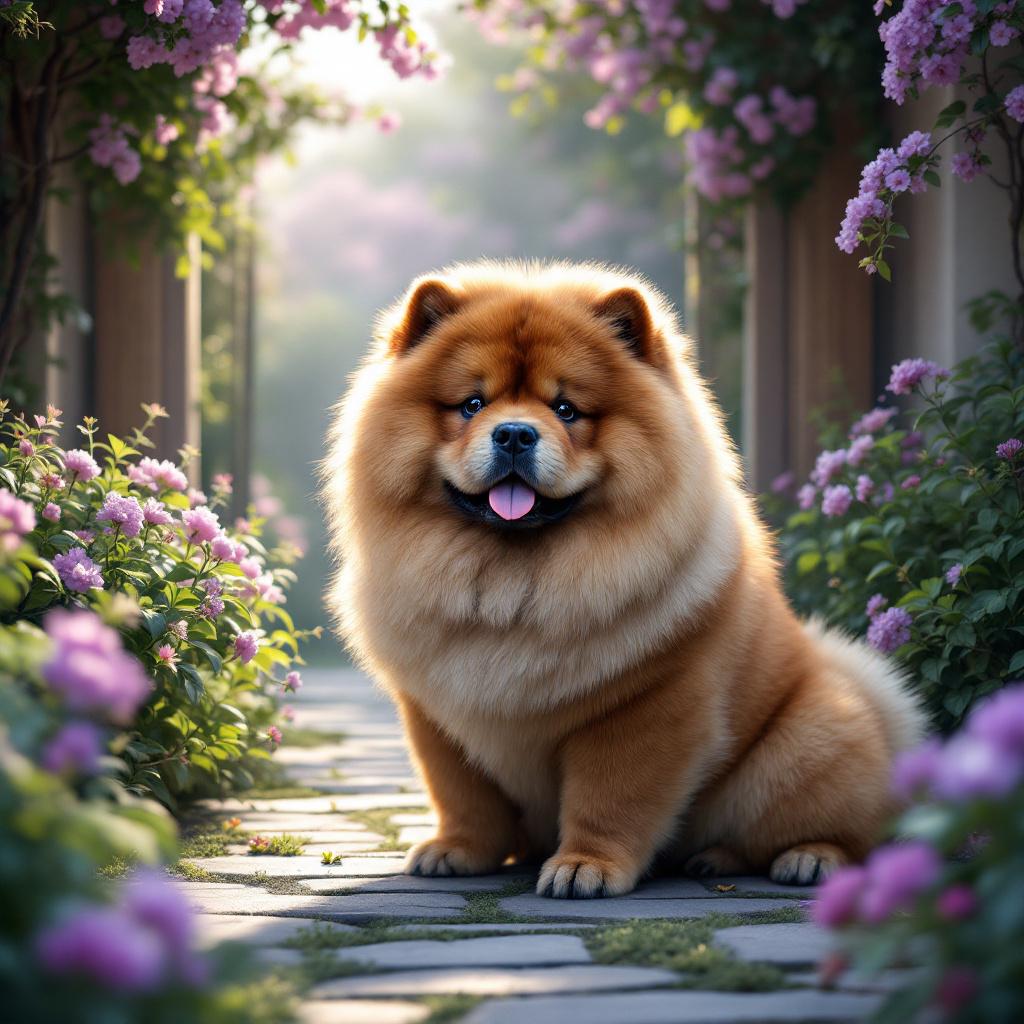
With its proud bearing and dense coat, the Chow Chow stands out at first glance. Its blue tongue intrigues, its dry and proud character charms or surprises. One might think it only acts as an aesthete, but beneath this aristocratic veneer, it remains a vigilant guardian with subtle affection. This article immerses you in the world of this “lion pup” from the steppes, explains its distant temperament, its care needs, and the best way to build a positive bond with it.
Origins and Historical Trajectory
From the Asian Steppes to Imperial Palaces
The earliest ancestors of the Chow Chow lived on the high plateaus of Mongolia and northern China. Used for big game hunting, they served both as draft dogs and camp protectors. Their thick fur, essential against severe cold, gradually shaped the image of the “little lion” they are known for. The Song dynasty appears to be the first to make it a court dog, praised for its presence and appreciated as a companion for aristocratic leisure.
Its Place in Modern Culture
Despite a reduced population in the 19th century, the Chow Chow crossed oceans to arrive in Europe and America at the end of that same century. Victorious dog shows and the prestige of the first official breeding programs fueled its fame. Today, you will encounter this breed in films, at the side of celebrities, or during beauty contests, where its dignified bearing and spectacular coat are unmatched.
Morphology and Physical Particularities
A “Lion Pup” Coat
The Chow Chow has two main coats: a woolly long-haired one evoking a lion’s mane, and a shorter-haired, more compact version. In both cases, the dense undercoat serves as natural insulation. Caution: between November and March, shedding intensifies, and daily brushing is required to avoid knots and skin overheating.

The famous blue tongue
Many individuals report having seen it for the first time when opening their companion’s mouth: this tongue of an almost indigo blue acts as a rare distinctive sign. Scientifically, it is an accumulation of melanin pigments. Note that some mucous membranes (gums, palate) can present the same shade; this is perfectly normal and does not indicate any health problem.
Temperament and human relationships
A guardian with an independent heart
The Chow Chow is often described as proud and reserved. Far from being apathetic, he chooses his moments of affection and can be very loyal to his close ones. He exercises a frank gaze but without excessive agitation. Rather than barking his head off, he evaluates the situation, which makes him an excellent guard dog. However, his autonomy requires the owner to understand this need for space and not to force displays of affection.
Relationships with family and strangers
In the presence of children, the Chow Chow behaves like a calm adult: he tolerates youthful liveliness, provided that respect is mutual. Too much noise or unintentional scratching could encourage him to retreat to his comfort zone. With visitors, he first observes. A gentle introduction protocol, allowing each party to sniff and size each other up, proves more effective than applause or cheerful congratulations.
Education and socialization
Tips for balanced training
The secret to gaining a Chow Chow’s trust lies in consistency and patience. A firm voice but without shouting, short sessions, and well-chosen rewards guarantee serene learning. Avoid coercive methods: the breed reacts poorly to pressure and may become stubborn. From basic obedience (sit, lie down) to recall commands, each exercise must be introduced gradually, in a calm setting.
Activities and mental stimulation
Although not a high-level athlete, the Chow Chow enjoys brisk walks, tracking games, and intelligence toys (puzzle feeders). These activities prevent boredom and reinforce obedience. Too intense canine sports risk worsening joint problems, common in the breed, but an energetic walk two to three times a week contributes to his balance.
Health and care
Coat care and hygiene
Weekly brushing is not enough during shedding; plan daily sessions instead. Far from being a chore, this ritual strengthens your bond. Regularly inspect facial folds to avoid superinfections and clean them with a gentle lotion. The ears, often hidden by abundant hair, also require checking to prevent excess earwax buildup.
Prevention of joint problems and other pathologies
The robust conformation of the Chow Chow does not exclude hip dysplasia, common in northern breeds. A supply of chondroprotectors, combined with a diet rich in omega-3, can limit premature wear. Also monitor his weight: every extra kilo increases pressure on the joints. Finally, the breed presents skin sensitivity; opt for hypoallergenic kibble if you notice recurring itching.
Daily life and cohabitation
Adaptation to Apartment Living
Despite its imposing appearance, the Chow Chow can get used to an apartment, provided it is given a well-defined space. An indoor kennel or a large basket guarantees its need for retreat. Secured windows and protected balconies are essential to prevent any falls or escapes motivated by curiosity.
Compatibility with Other Animals
The Chow Chow shows a marked dominance instinct, especially towards conspecifics of the same sex. Always introduce a new companion with caution: meetings on neutral ground, crossed leashes to avoid surprise attacks, and shared rewards to create a positive association. With a gradual protocol, many end up cohabiting peacefully.
Frequently Asked Questions
What is the average lifespan of a Chow Chow?
Count between 9 and 12 years. Regular veterinary follow-up and an adapted lifestyle can sometimes extend this range.
Does the Chow Chow bark a lot?
No, it remains rather quiet. It only barks in case of emergency or to mark a territory, which reinforces its status as an effective guardian.
Should the hair around the paws be cut?
It is not recommended to shave the Chow Chow. However, you can slightly trim the hair between the pads to limit debris buildup and ensure better grip.
Does the Chow Chow tolerate heat?
The density of its coat makes it sensitive to high temperatures. Always provide access to shade and fresh water, and avoid walks during the hottest hours.